Sky Guide February 2026
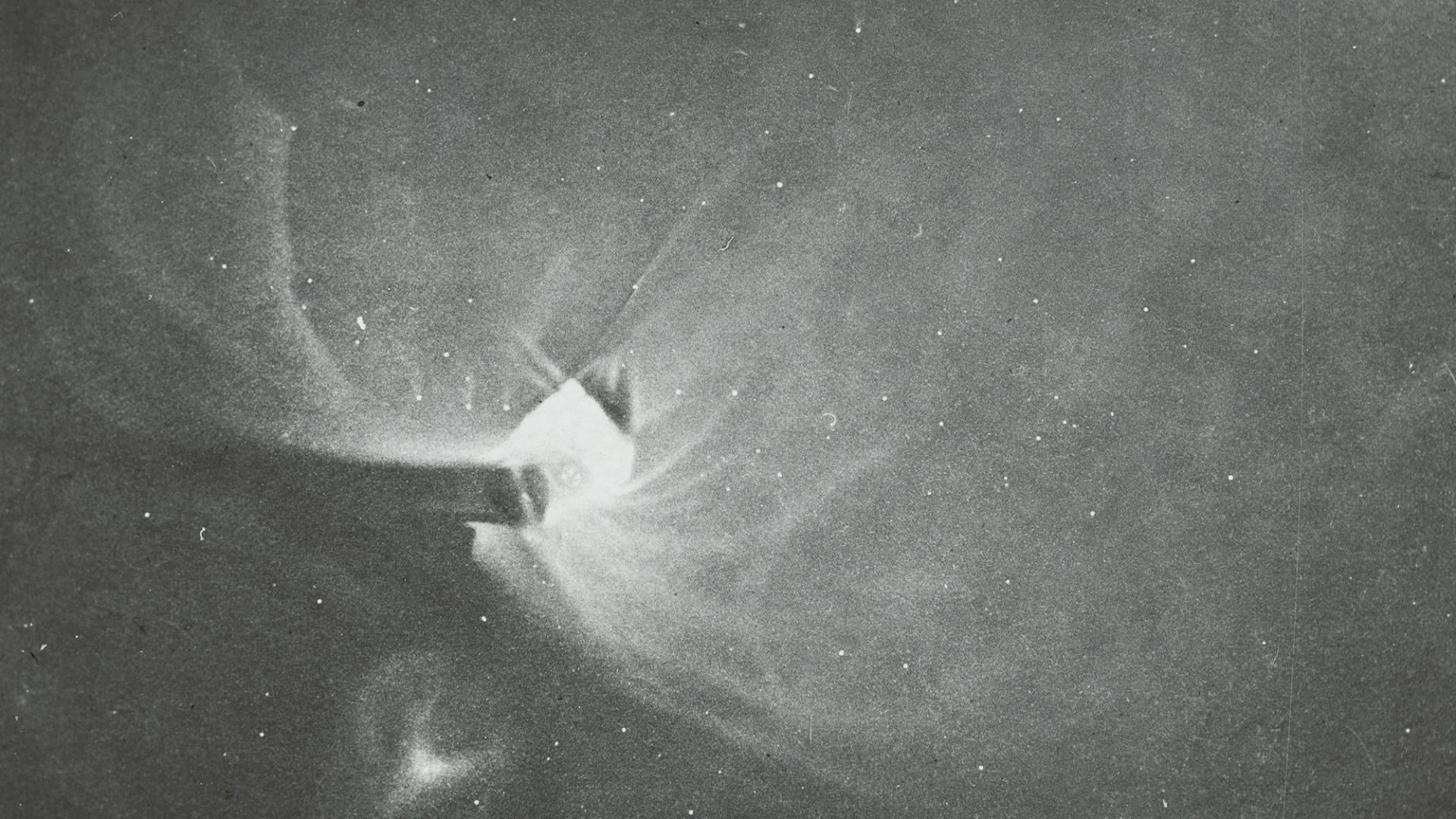
‘Added around 700 BCE, February was the last month of the lunar year and the one chosen to vary so the calendar could align with the Julius Caesar’s reform to the solar year of 365 and a quarter days. More than 2000 years later and sometimes with 29 days and sometimes with 28 days, it is a wonderful time to look up and enjoy the constellation of Orion in the north with the stunning star-forming cloud, the Orion nebula (M42). In 2026, 3 planets — Venus, Saturn and Jupiter — will be visible at some point after dusk.’
Moon Phases
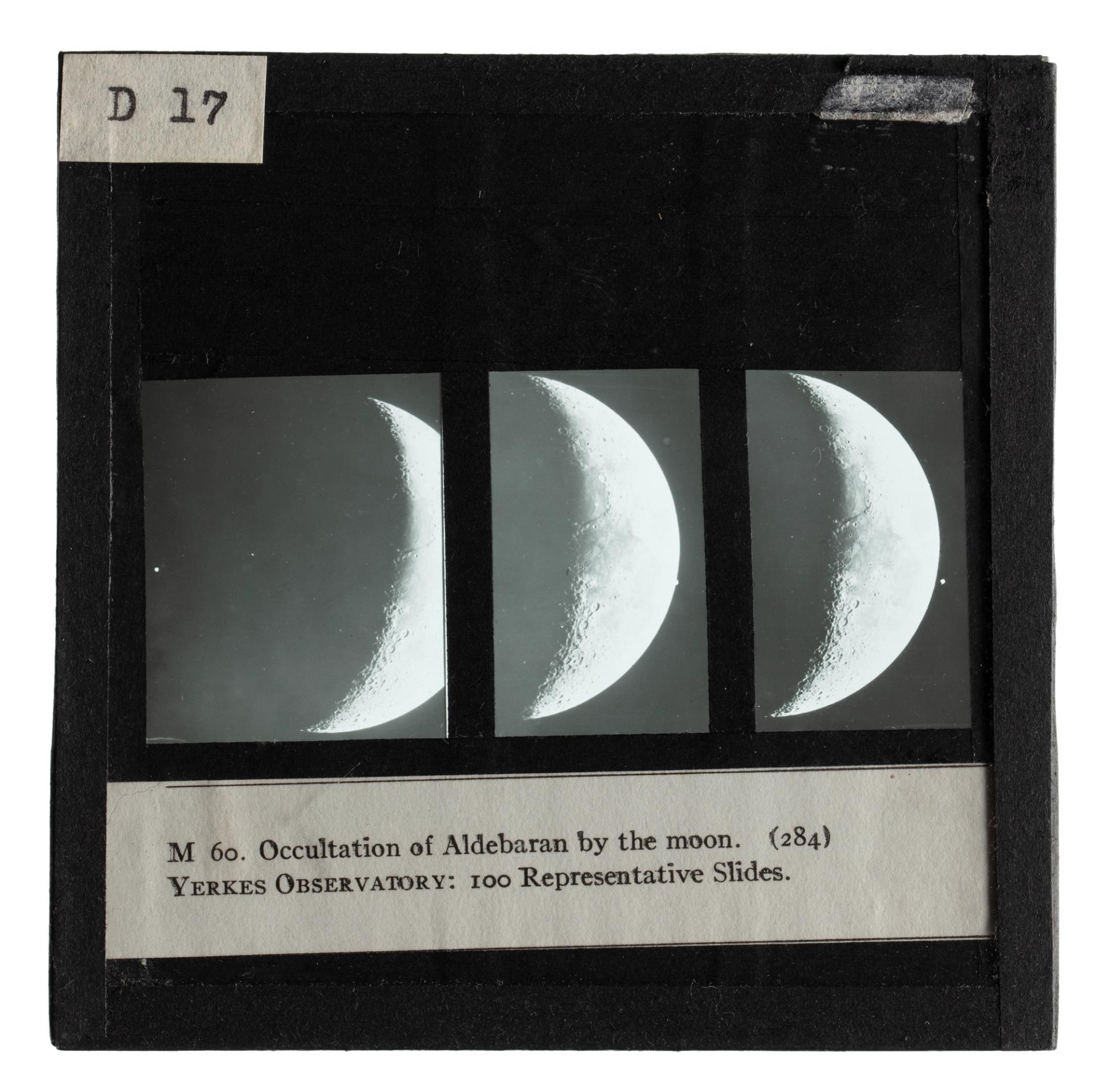
Full Moon Monday 2 February 9:09 am AEDT
Last quarter Monday 9 February 11:43 pm AEDT
New Moon Tuesday 17 February 11:01 pm AEDT
First quarter Tuesday 24 February 11:27 pm AEDT
Planets
EVENING
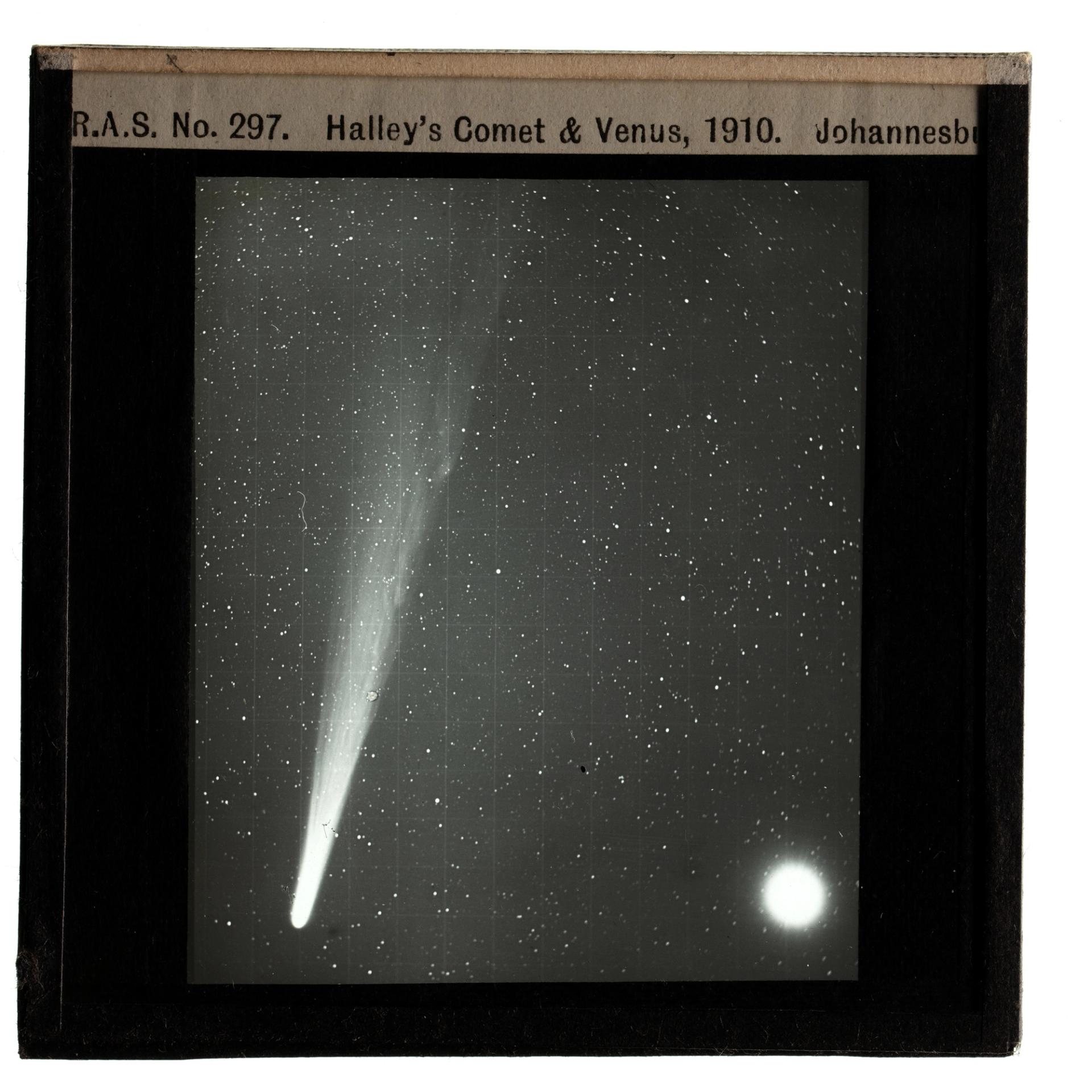
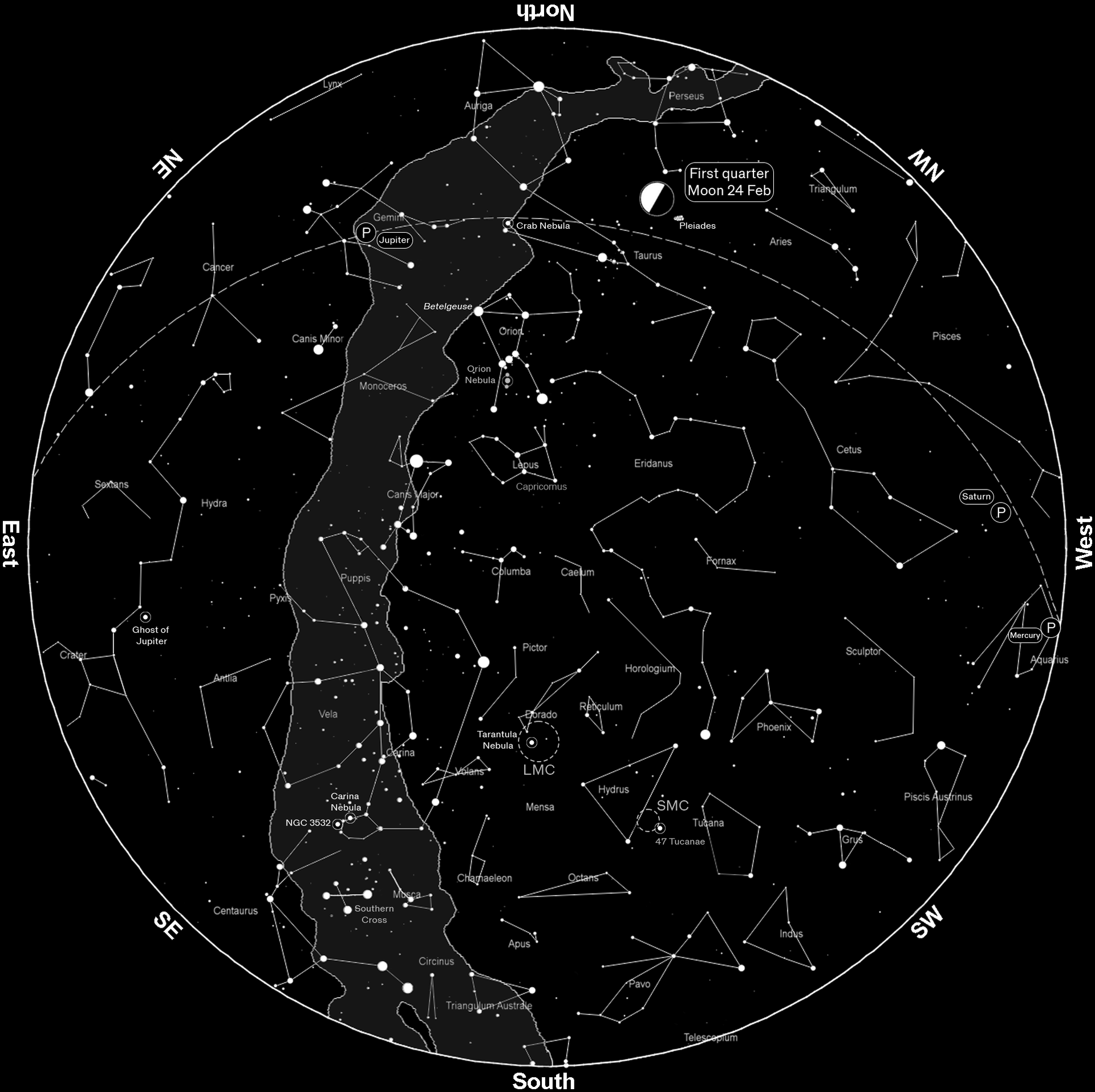
The brightest planet, Venus, joins the giant planets Jupiter and Saturn in the evening sky.
Venus appears low in the west at the end of the first week of the month. Initially, it is in Capricornus but it moves into Aquarius in a day. On Thursday 19 February, a very thin crescent Moon may be visible above and to the right or north of Venus.
Jupiter is in the north-east in Gemini. On Friday 27 February, the gibbous Moon is below Jupiter.
Saturn is low in the west in Pisces. On Friday 20 February, a thin crescent Moon is to the right or north of Saturn.
MORNING
No planets are visible in the February morning sky.
Constellations
Constellations are groups of stars that represent mythological figures, fanciful beasts or old scientific instruments. Some have been used for millennia as a tool to share significant cultural stories and to track the passage of the weeks and months. Today they also help astronomers mark out portions of the sky and locate astronomical objects. Those listed below have been selected for their visibility in the evening up to 2 hours after sunset as seen from the southern hemisphere.
Canis Major the Greater Dog is the companion to Orion the hunter. The brightest star in the constellation, Sirius (also known as the Dog Star), is also the brightest in the night sky as it is close to us — only 8.7 light years away or about 82 million million kilometres and 25 times brighter than the Sun. In about 64,000 years it will be seen as the southern polar star due to the Earth’s wobbling axis of rotation and the star’s proper motion.
Canis Minor the Lesser Dog is an obscure and small constellation usually ignored in the search for its dominant companion, Canis Major, the Greater Dog. To find its one bright star, face north in March – April and look for Sirius in Canis Major. Roughly one hand span (with your hand at arm’s length) below Sirius is the bright star Procyon. And Procyon is just about all there is to the Lesser Dog! Like many constellations it looks nothing like its name. The star’s name comes from the Greek Prokyon meaning ‘before the dog’ and indeed it does rise before bright Sirius and Canis Major from the latitudes of ancient Greece. Canis Minor and Canis Major together are Orion’s hunting dogs.
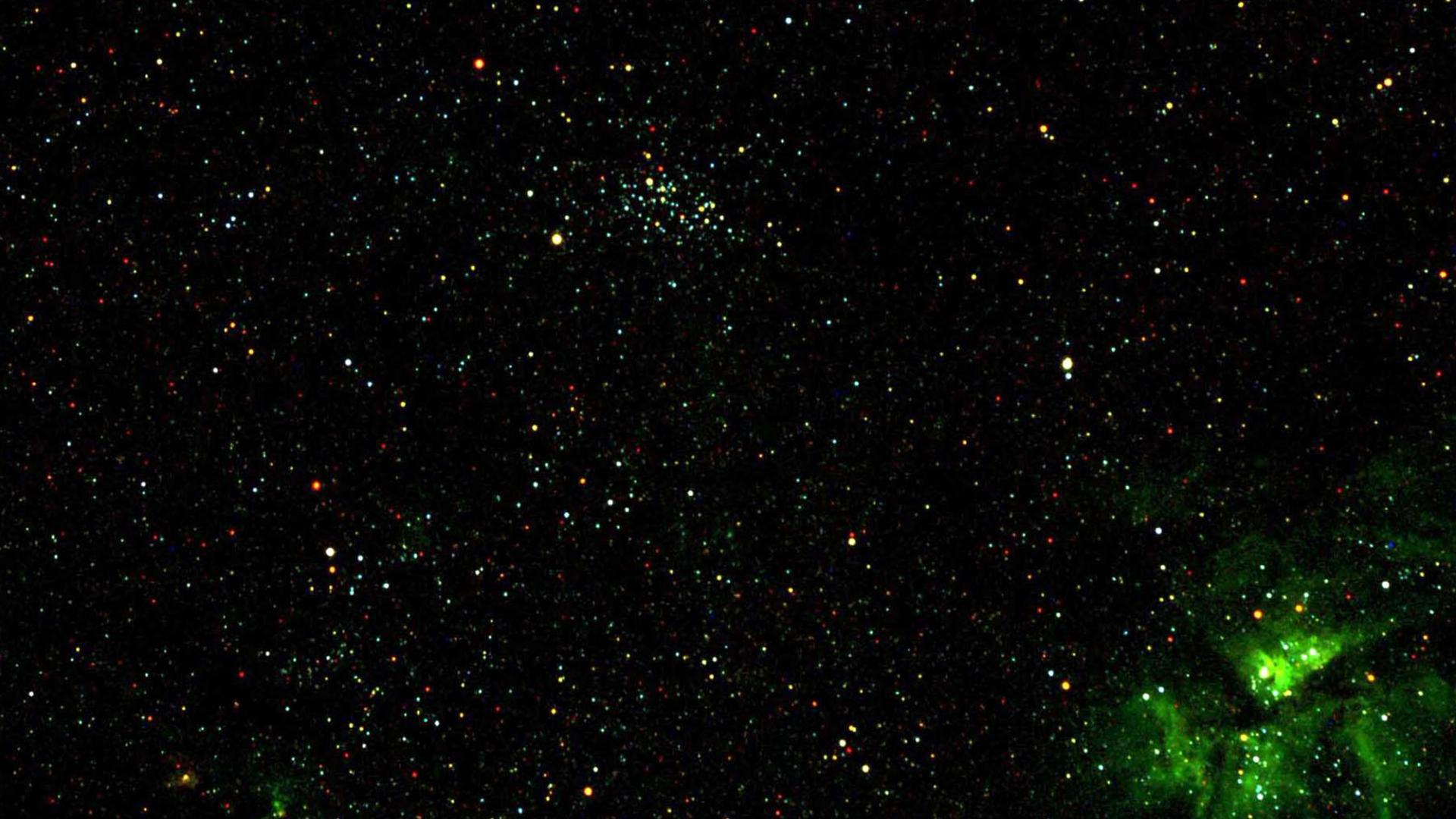
Carina the keel and the nearby constellations of Vela (the sails) and Puppis (the stern) were part of the huge constellation Argo Navis, which in Greek mythology carried Jason and the Argonauts in search of Aries the Ram’s Golden Fleece. In 1756, Nicolas Louis de Lacaille published his catalogue of the southern stars showing Argo Navis divided into the 4 constellations we see today. Canopus, the second brightest star in the night sky, can be found in Carina and is a white supergiant star about 313 light years away. It is best seen from February to April high in the south.
Eridanus is one of Ptolemy’s original 48 constellations and represents a river, which begins near the constellation of Orion and ends at the brilliant blue-white star Achernar, the ninth brightest in the night sky, about 144 light years away. Achernar spins so quickly it is the least spherical star known in the Milky Way Galaxy.
Gemini the twins with its 2 bright stars, Caster and Pollux, sits low in the northern sky between Taurus and Cancer and lacks any bright objects of note. It is best known for the Geminid meteor shower that peaks in the early hours of 13–15 December each year, and for hosting both Uranus and Pluto when they were discovered in 1781 and 1930 respectively.
Orion the hunter is one of the original 48 as mapped by Ptolemy and strides across the celestial equator, making it easy to see from both hemispheres. Its likeness to a male figure was probably obvious to the earliest humans. Orion’s brightest star Betelgeuse is one of the few stars to show an intense red colour due to its age and size. The 3 stars of Orion’s belt at his waist separate his head and shoulders on the right from his sword and knees on the left. The well-known saucepan asterism (a pattern of stars that is not a constellation) consists of a base (Orion’s belt) and a handle (Orion’s sword) plus one additional star at the rim. With binoculars you will see a small hazy glow in the middle of the saucepan’s handle: this is the Orion Nebula, a star birth cloud at a distance of about 1350 light years. The mythology of Orion is complex and often contradictory, though he usually represents a tall, strong and handsome hunter.
Taurus the bull is possibly the oldest Western constellation and one of Ptolemy’s original 48. It has the bright red dying star of Aldebaran and the stunning open cluster known as M45 or the Pleiades, a group of very young stars about 445 light years away. Below the horns is the remnant of a star that exploded as a supernova in 1054. It is now called M1 or the Crab Nebula. For the best view you'll need a large telescope and clear northerly view. Its brightest star Aldebaran is 65 light years from the Sun and is 44 times wider but only a little more massive (+16%). It has exhausted its core supply of hydrogen fuel and is now ‘burning’ hydrogen in a shell around a helium core.
Deep sky
The Carina Nebula (NGC 3372) is more than 4 times larger than the more famous Orion Nebula (M42) seen in summer. Its distance of around 7500 light years disguises its immense size of around 500 light years in diameter. On a moonless night it is a stunning view through binoculars or a telescope as well as being visible to the naked eye. It contains some of the youngest star clusters in the Milky Way as well as a star already coming to an explosive death. The star Eta Carinae is 100–150 times the mass of the Sun and is a dying cataclysmic variable, which is expected to explode as a supernova anytime within the next million years. A supernova precursor eruption in the 1840s temporarily elevated it to the second brightest star in the night sky.
NGC 3532 is a stunning open cluster in Carina and an excellent target for binocular and telescope viewing. NGC 3532 was the first target of the Hubble Space Telescope in 1990. It contains around 150 stars thought to be 300 million years old at a distance of 1300 light years.
The Crab Nebula (M1) is a remnant of a star that ended its life as a supernova visible from Earth on 4 July 1054AD. It was observed by Chinese astronomers and recorded in Native American rock carvings. At the centre of this remnant is a pulsar which currently emits at a rate of 30 pulses per second though this rate will slow by half in the next 1000 years. The Crab Nebula lies about 6500 light years away.
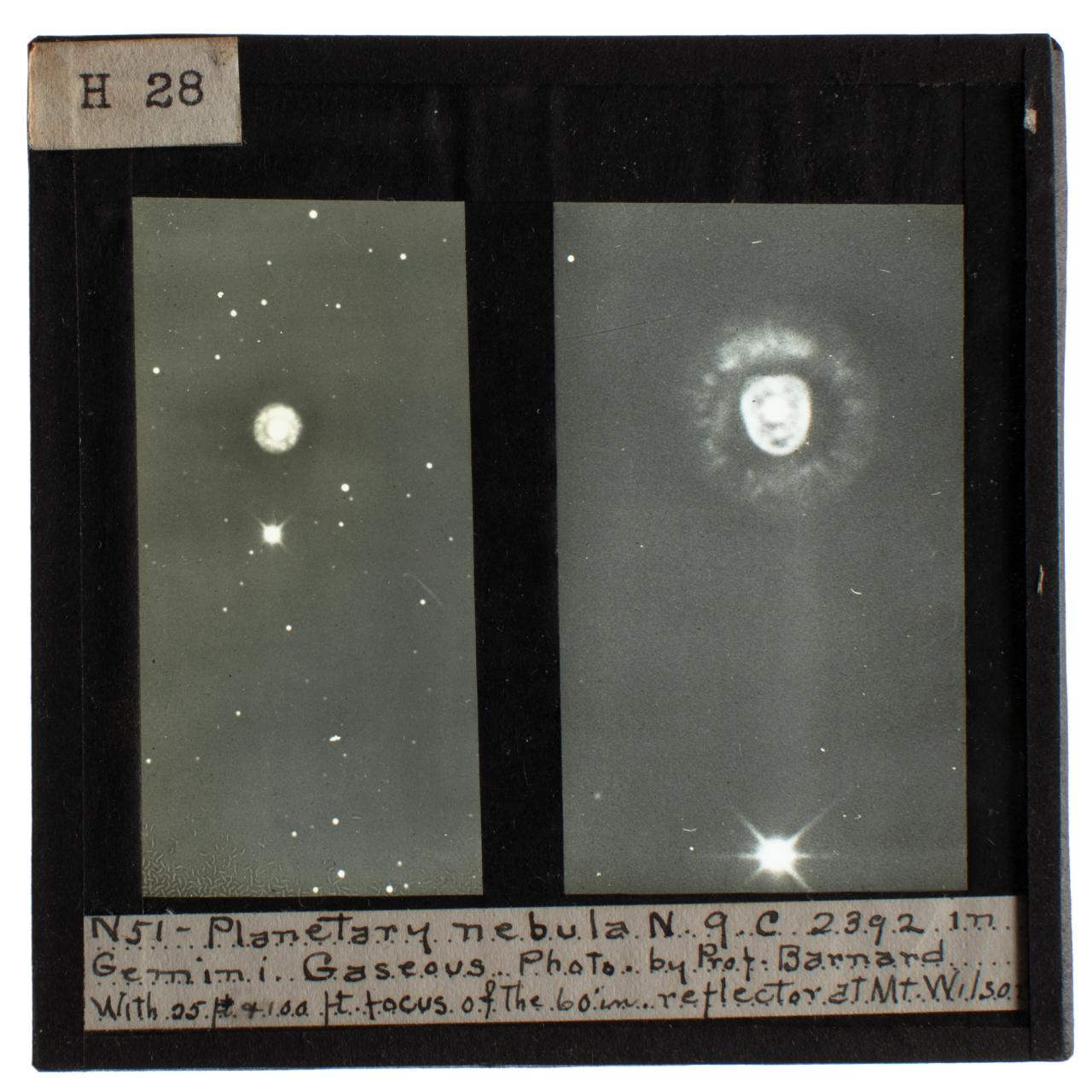
The Ghost of Jupiter (NGC 3242) is a planetary nebula in the largest of all constellations: Hydra the snake. It is the remains of a dying star that has shed its outer layers. In a telescope its apparent size is similar to the planet Jupiter but in reality it is larger than our Solar System. Our Sun is destined to look like this at the end of its life billions of years in the future.
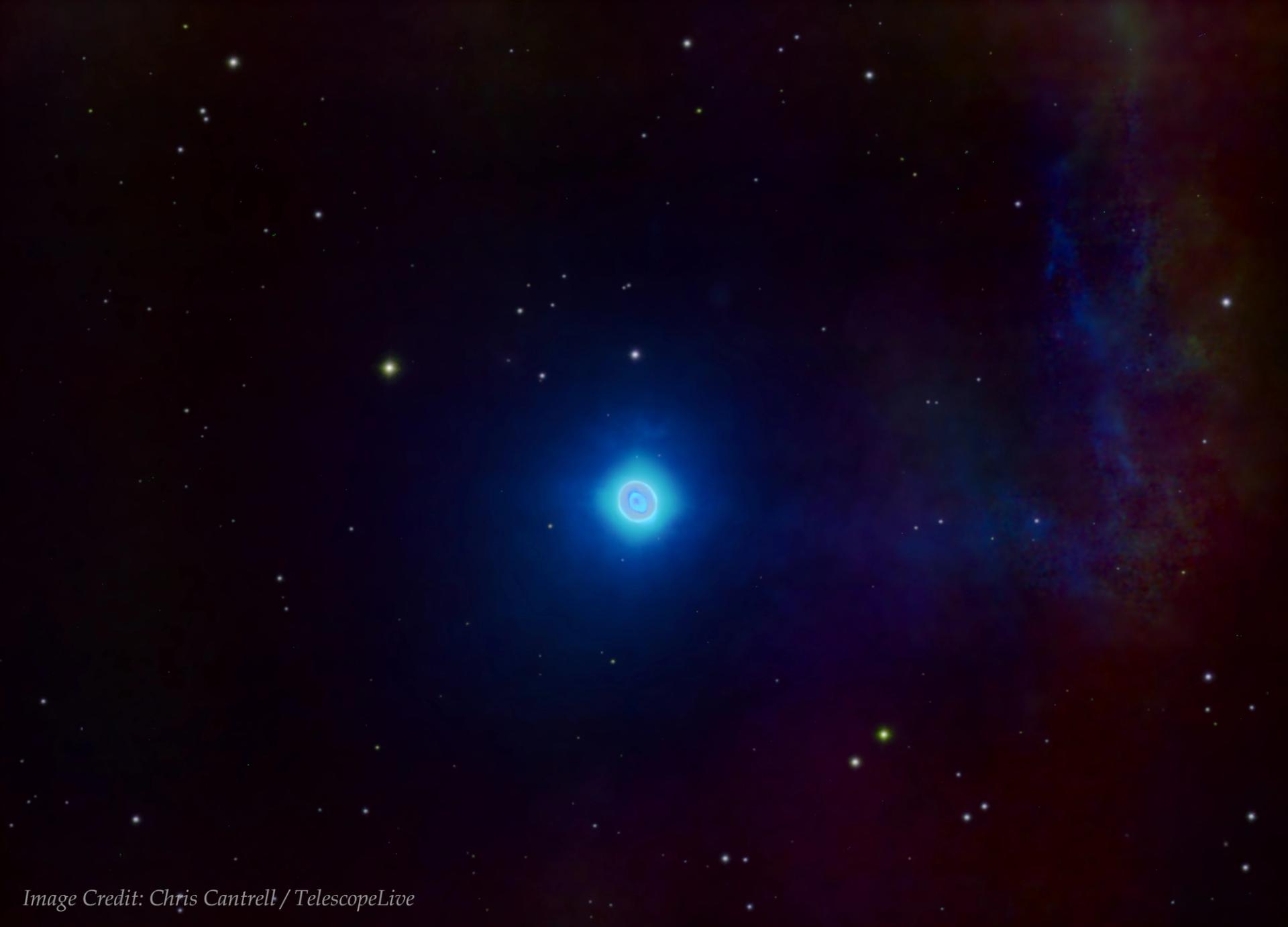
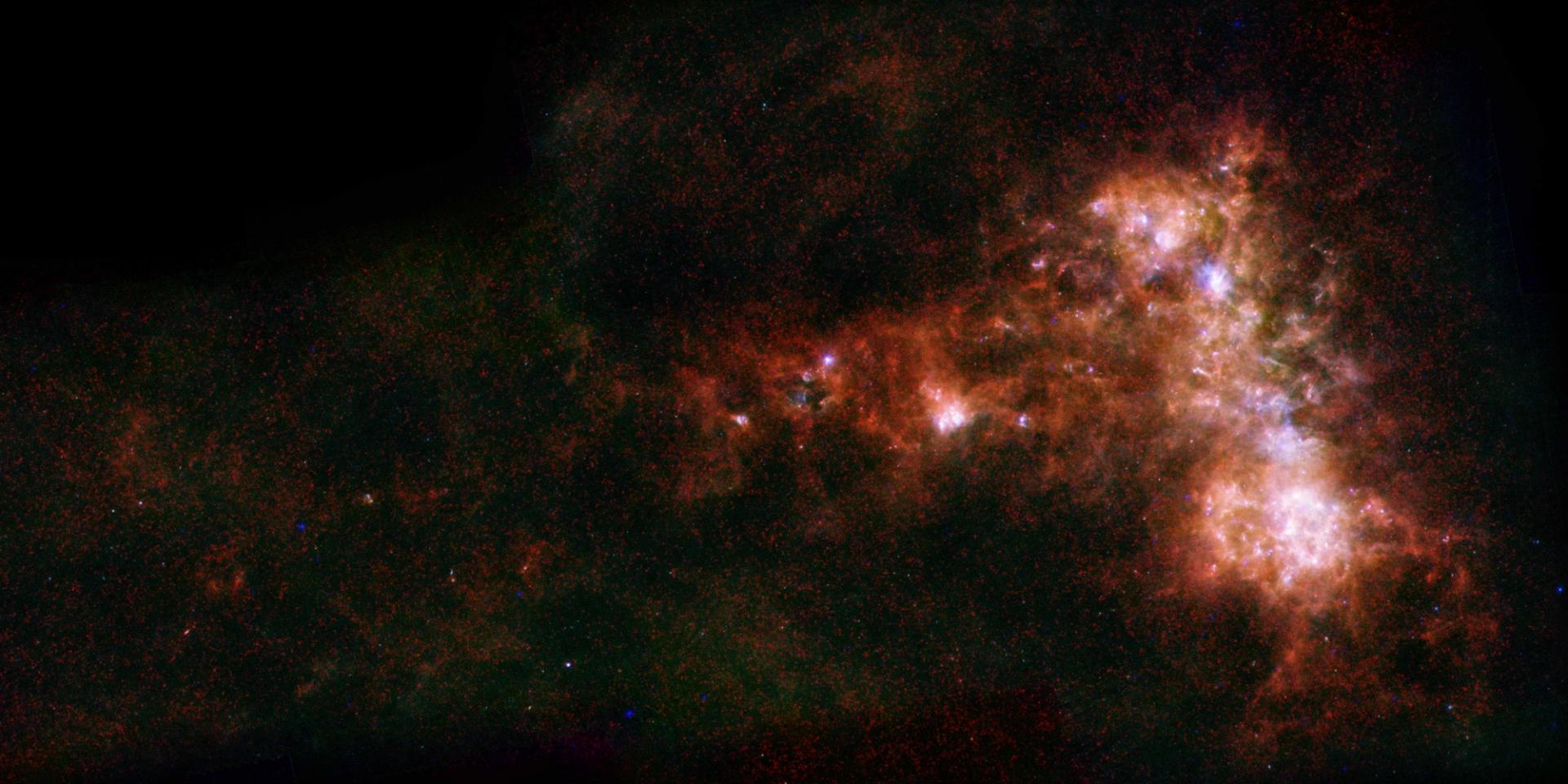
The Large and Small Magellanic Clouds (LMC/SMC) are the satellite galaxies of our own Milky Way. The Large Magellanic Cloud (LMC) is in the constellation of Dorado and is approximately 163,000 light years away. It consists of around 30 billion stars and hosts one of the largest nebulae detected: the Tarantula nebula. The Small Magellanic Cloud (SMC) is in Tucana and is approximately 200,000 light years away. It has around 3 billion stars. The LMC will merge with our galaxy in around 2.4 billion years.
The Orion Nebula (M42) is often called the Great Nebula in Orion and is approximately 1344 light years away. The massive star-making cloud is 24 light years across with enough mass to form around 2000 stars like the Sun. Its size, distance and brightness (it is the brightest nebula as seen from Earth), make it one of the most studied objects in the night sky. It is easily found as the middle star-like object in the sword of Orion, or the handle of the saucepan as seen from the south. Along with the Moon, M42 is typically one of the first objects to be looked at through a telescope as it shows excellent fine structure including the birth of stars in the innermost part known as the Trapezium Cluster.
The Pleaides (M45), also known as Seven Sisters or Subaru, is one of the more famous open clusters visible to the naked eye, sitting within Taurus the bull. Like all open clusters it is a group of young to middle aged stars, in this case around 100 million years old, at about 444 light years away. Many images show the stars associated with a dusty blue nebula, which lies between us and the stars.
47 Tucanae (NGC 104) is a globular cluster second only to Omega Centauri. It sits beside but is unrelated to the SMC in the constellation Tucana. It can be easily seen away from city lights with the unaided eye due to its very dense star core. 47 Tucanae is approximately 15,000 light years from us.
The Tarantula Nebula (NGC 2070) is a large hydrogen gas cloud approximately 1000 light years in diameter and part of the LMC at about 160,000 light years. The name ‘Tarantula’ comes from the spider-like appearance of the nebula in telescopes and photographs. At the centre of the nebula is the open cluster R136, which contains approximately 500,000 stars, including some of the hottest and most massive supergiant stars known. In 1987 the first naked eye supernova (SN1987A) since the invention of the telescope occurred in this part of the sky.
Special Event
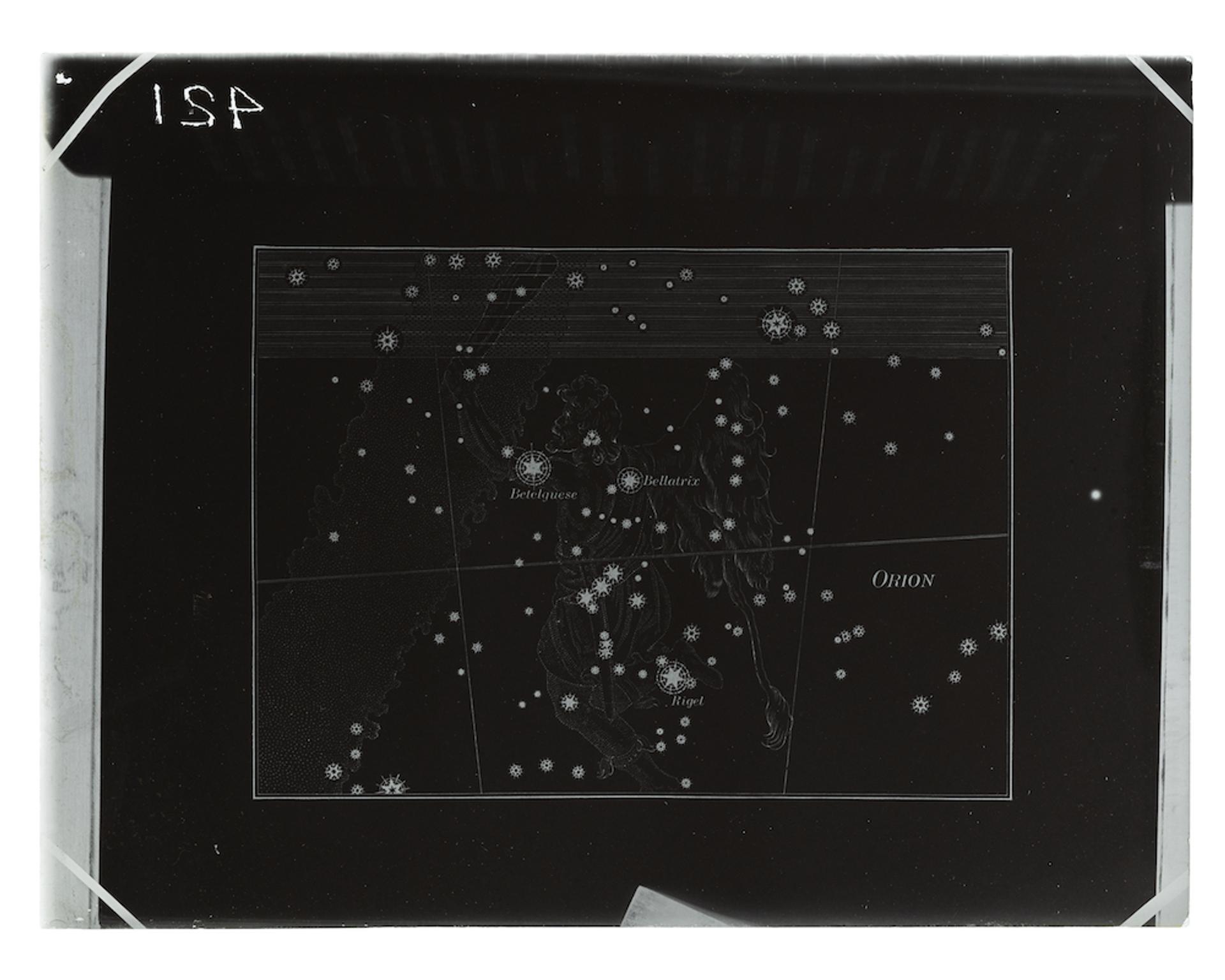
This month, the conspicuous constellation Orion, the Hunter, is high in the north in the evening sky. Orion is easily recognisable, with 4 bright stars in a rectangle and 3 stars in a row in the middle representing the belt of Orion. Above the belt are 3 fainter objects forming Orion’s dagger or sword, which is above the belt because from our viewpoint in the Southern Hemisphere, the constellation is upside down. The middle ‘star’ of the belt is a giant cloud of gas and dust, in which new stars are forming. Even through a small telescope, it is one of the great sights in the sky.
In Greek mythology, the constellation represents a giant hunter holding a club. One story about Orion is that his boasting about his hunting prowess led to the Earth goddess Gaia sending a scorpion to kill him. The story of this chase is told above our heads, for as Orion rises in the east, Scorpius, the Scorpion, is sinking in the west. To many Australians, however, the stars of the constellation represent a saucepan with the 3 stars of the belt as the base.
The brightest star of the constellation is the brilliant Rigel, which marks Orion’s left foot, though in our view, it is located to the top left. The second brightest is Betelgeuse (bottom right), which is likely to explode as a supernova, possibly in as soon as a few hundred years. In 2019, the star surprisingly became much dimmer than normal. A leading explanation is that it ejected a large chunk of material that, on cooling, formed a dense cloud, which partially blocked its light.
Predicting the visibility of the crescent Moon in February and March 2026
The main calendar we use (the ‘Gregorian’ calendar) is a solar one — based on the time it takes for the Earth to orbit the Sun. Many religious calendars, however, are based (or partly based) on the phases of the Moon. These include the Catholic, Jewish and Islamic religious calendars. The dates of festivities, holidays and important events in the lunar calendar move by about 10 days every year within the Gregorian calendar.
The ninth month of the Islamic calendar, known as Ramadan, is the Islamic month of fasting. The Hilal, or crescent Moon, marks the beginning of the fasting period. However, there are differences of opinion on how to determine the visibility of the crescent Moon. There are traditional methods for determining when the crescent should be first visible. Some observers require an unaided sighting by eye of the crescent Moon while others lean towards using astronomical calculations for assistance.
The following astronomical data concern the timing of new Moons and criteria for the first visibility of the crescent Moons in February and March of 2026 for Australia.
The simplest useful criterion is the lagtime, or difference, between sunset and moonset. If that time is greater than 47 minutes (at the latitude of Sydney) the crescent Moon should be visible to the unaided eye after sunset and before the setting of the Moon.
Another common, and more detailed, method of prediction is to use a scheme developed by Dr Bernard Yallop of HM Nautical Office and proposed in 1997. This scheme or algorithm involves the altitude difference between the Sun and the Moon; a calculated ‘best time’ to view the Moon; and the width of the crescent. The Yallop method is applicable to any location. More details of this method and maps displaying the Moon’s visibility are available here.
All dates and times in this article are for Sydney, unless otherwise stated, and times are in Australian Eastern Daylight Time (AEDT, often called ‘daylight saving time’) or Australian Eastern Standard Time (AEST) as appropriate for the date concerned. Daylight Saving ends in 2026 on Sunday 5 April at 3 am. In 2026 all times below are in AEDT.
The New Moon in February and March 2026
The New Moon in February 2026 will occur at 11:01 pm AEDT on Tuesday 17 February. This is after sunset and therefore the crescent Moon will not be visible from any location in Australia.
On the evening of Wednesday 18 February the Sun will set at 7:45 pm AEDT and the Moon will set at 8:09 pm AEDT. The lagtime is only 24 minutes so the crescent Moon will not be visible to the unaided eye at Sydney’s latitude, and the Yallop method concurs.
For 18 February the Yallop method provides the following more detailed picture for other parts of Australia:
- On Wednesday 18 February, if you are north and west of a line joining (approximately) Coral Bay (halfway between Carnarvon and Exmouth, WA) to Cape Flattery (just north of Cooktown, Qld) the crescent Moon may be visible to the unaided eye but only after being found with binoculars or a telescope. To avoid irreversible eye damage please ensure the Sun has fully set before searching the western horizon for the crescent Moon with your binoculars or telescope.
- On Wednesday 18 February, if you are south and east of the above region (i.e. of the line joining Coral Bay to Cape Flattery) but also north and west of a line joining (approximately) Geraldton (WA) to Bowen (Qld) the crescent Moon may be visible but only with binoculars or telescopes. To avoid irreversible eye damage please ensure the Sun has fully set before searching the western horizon for the crescent Moon with your binoculars or telescope.
- On Wednesday 18 February, if you are south of the above region (i.e. of the line joining Geraldton to Bowen) the crescent Moon will not be visible. This region includes Brisbane, Perth, Adelaide, Melbourne, Canberra, Sydney and Hobart.
- On Thursday 19 February, the crescent Moon should be easily visible to the unaided eye from all locations in Australia after sunset, as determined by both the lagtime (the lagtime is now 53 minutes) and Yallop methods.
The New Moon in March 2026
The following new Moon occurs on Thursday 19 March at 12:23 pm AEDT. On this day the Moon sets before the Sun for the southern half of Australia, and for the rest of Australia it will be too close to the Sun to be visible by any means. Note, however, that some parts of northern Africa, Europe and the Americas may see the new Moon on this day.
On the evening of Friday 20 March, the Sun will set at 7:07 pm AEDT and the Moon will set at 7:34 pm AEDT. The lagtime is only 27 minutes so the crescent Moon will not be visible to the unaided eye at Sydney’s latitude.
However, the Yallop method provides a more detailed picture for Australia, for 20 March, as follows:
- On Friday 20 March, if you are north and west of a line joining (approximately) Kalbarri (WA) to Clairview (south of Mackay, Qld) the crescent Moon should be readily visible.
- On Friday 20 March if you are south and east of the above region (i.e. of the line joining Kalbarri to Clairview) and north and west of a line joining (approximately) Cape Leeuwin (WA) to Yamba (north of Grafton, NSW) the crescent Moon may be visible to the unaided eye under perfect atmospheric conditions (i.e. no cloud, no dust and a very clear western horizon).
- On Friday 20 March, if you are south and east of the above region (i.e. of the line joining Cape Leeuwin to Yamba) but also north and west of a line joining (approximately) Kingston SE (near Cape Jaffa SA) to Ulladulla (NSW) the crescent Moon may be visible to the unaided eye but only after being found with binoculars or a telescope. To avoid irreversible eye damage please ensure the Sun has fully set before searching the western horizon for the crescent Moon with your binoculars or telescope.
- On Friday 20 March, if you are south and east of the above region (i.e. of the line joining Kingston SE to Ulladulla) but also north of a line joining (approximately) Wonthaggi (Gippsland, Vic) to Seaspray (Gippsland, Vic) the crescent Moon may be visible but only with binoculars or telescopes. To avoid irreversible eye damage please ensure the Sun has fully set before searching the western horizon for the crescent Moon with your binoculars or telescope.
- On Friday 20 March, if you are south of the above region (i.e. of the line joining Wonthaggi to Seaspray) the crescent Moon will not be visible. This region includes the whole of Tasmania.
On Saturday 21 March the Sun will set at 7:06 pm AEDT and the Moon will set at 8:06 pm AEDT. The lagtime is now 60 minutes and the crescent Moon should be visible (at Sydney’s latitude) to the unaided eye if the western sky is clear of cloud. The Yallop method concurs. Further, the Yallop method shows that the crescent Moon should be visible to the unaided eye from all locations, including Tasmania, in Australia after, sunset on 21 March.
Other locations
If you are not in Sydney but your latitude is within a degree or so of Sydney’s latitude then the lagtime method of 47 minutes should work sufficiently well for you, but you will need to find the time of sunset and moonset (opens in new tab) for your particular location.
In Melbourne the moment of sunset on Wednesday 18 February (8:15 pm AEDT) the Moon will be at an altitude above the horizon of 3.8-degrees and it will be 9.5-degrees to the right of the Sun, i.e. from the point where the Sun set the Moon will be 9.5-degrees to the right and 3.8-degrees up from the horizon. At the moment of sunset on Thursday 19 February (8:14 pm AEDT) the Moon will be at an altitude above the horizon of 8.7-degrees and it will be 21-degrees to the right of the Sun, i.e. from the point where the Sun set, look 21-degrees to the right then 8.7-degrees up to find the crescent Moon.
Past Months
Shop
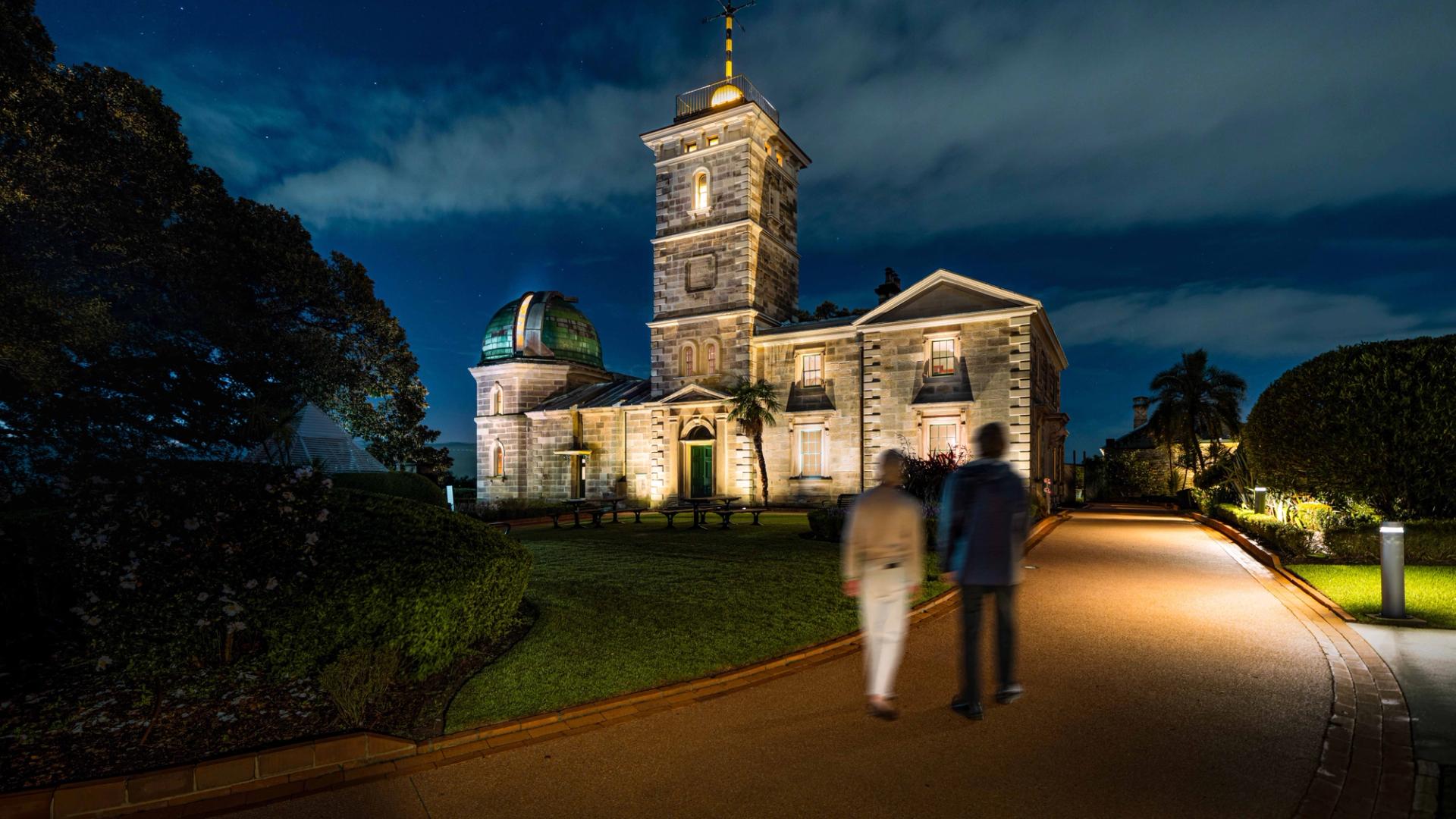
Sydney Observatory
Open for pre-booked tours, located on Gadigal land, a national place of connection and scientific research. The site is undergoing heritage conservation works.