
Sky Guide September 2025
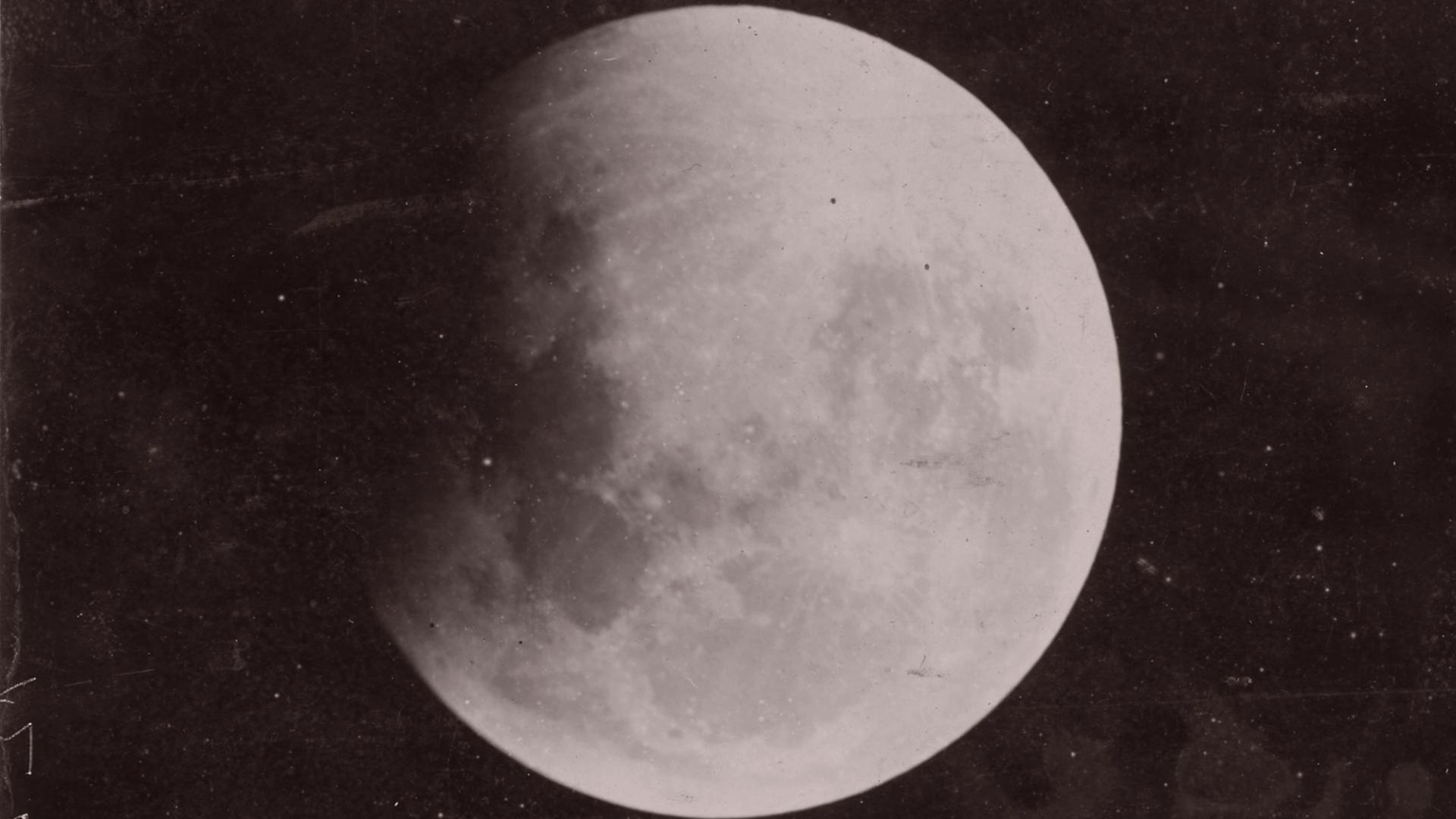
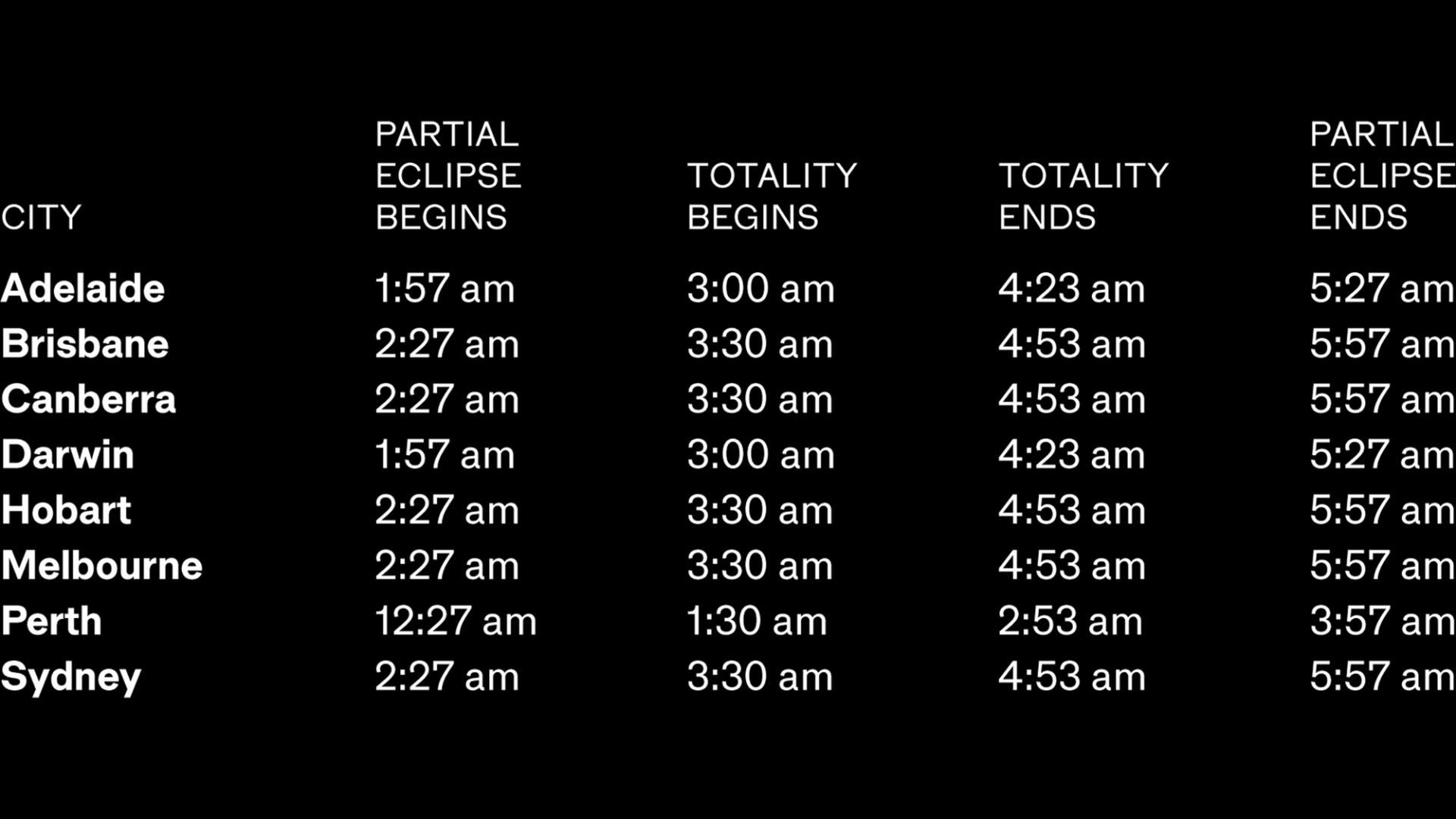
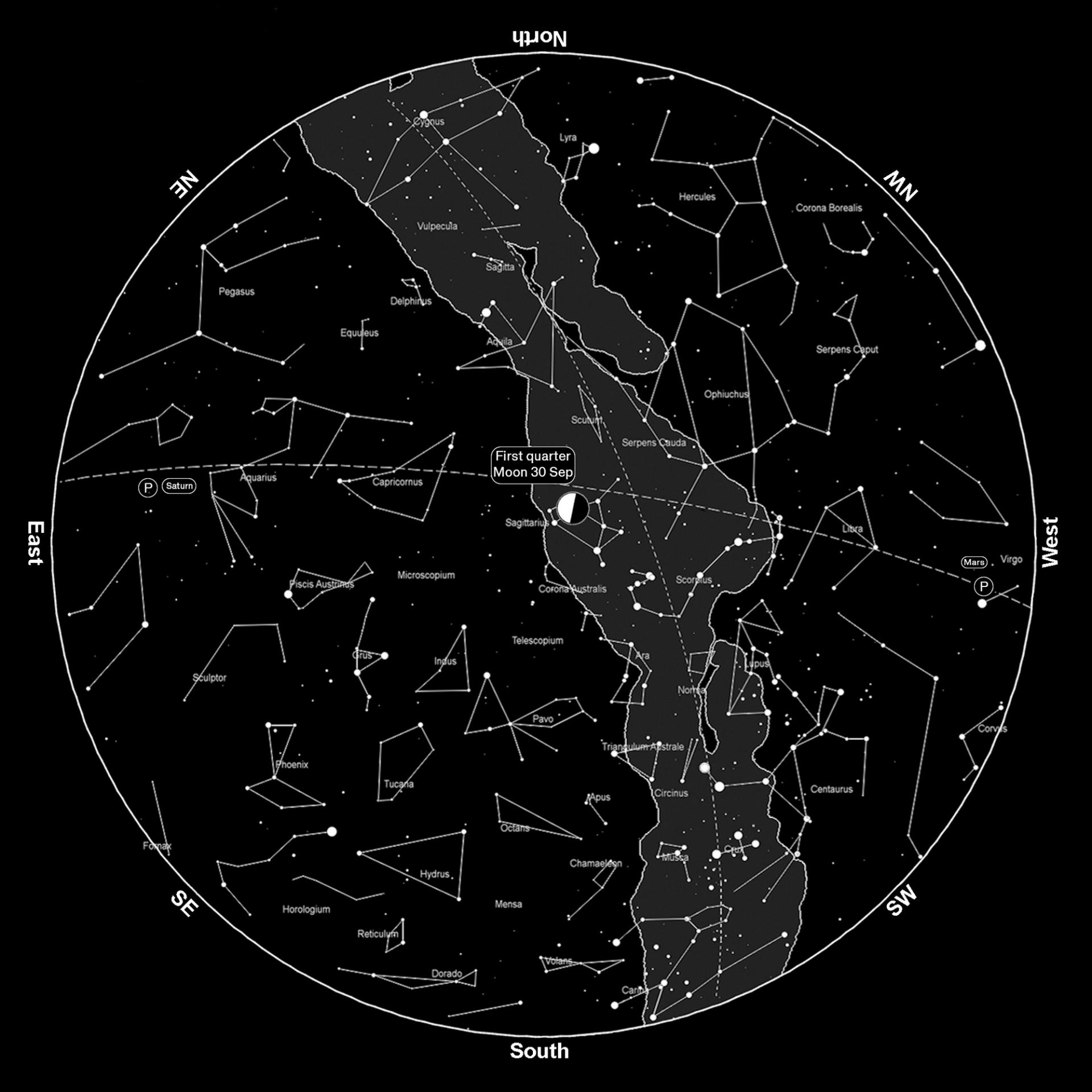
‘This year the start of spring brings a wonderful opportunity to see the reddish-brown glow, though some would say a blood red, colour view of a totally eclipsed Moon very early on 8 September from 3:30 am AEST. The partial eclipse starts at 2:27 am and ends at 5:57 am just after the start of Civil Twilight but before Sunrise. Totality is from 3:30–4:53 am in Sydney. To have the best view find a location with a clear view to the west, keep warm and enjoy the slow dance that is a lunar eclipse. Miss this one and you'll have to wait until March 2026. For times beyond Sydney please see the table below. For every other September night at a more civilised time, about an hour after sunset, the bright band of the Milky Way will flow from the NNE to SSW with the heart of the galaxy in Sagittarius high overhead. The glorious planet Saturn will soon be high enough in the east to enjoy even with the smallest of telescopes.’
Moon Phases
Full Moon – Monday 8 September 4:09 am AEST
Last quarter – Sunday 14 September 8:33 pm AEST
New Moon – Monday 22 September 5:54 am AEST
Spring equinox – Tuesday 23 September 4:19 am AEST
First quarter – Tuesday 30 September 9:54 am AEST
Planets
EVENING
Mercury and Saturn join Mars in the evening sky.
Mercury appears low in the west in Virgo at the end of the month. Mars is in the west in Virgo. From 12–15 September, Mars passes Spica, the brightest star in Virgo, at less than five moon-widths separation.
On 24 September, the crescent Moon is below and to the left or south of Mars, while the next evening it is above and to the left or south of the planet.
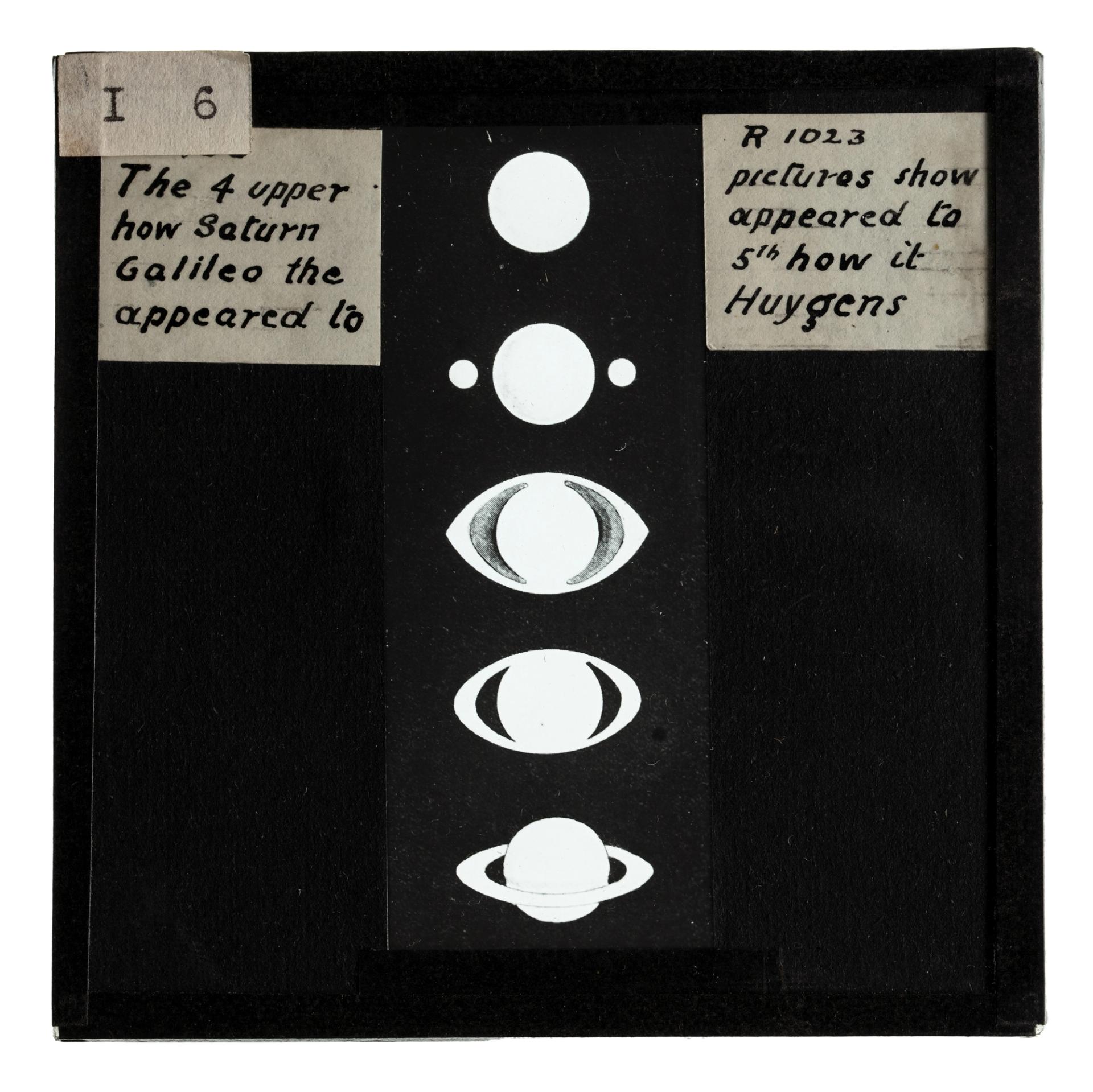
Saturn appears low in the east in Pisces during the second week of the month. On 21 September, Saturn is at opposition and at its brightest for the year. It moves into Aquarius at its end.
MORNING
Venus is in the east, moving from Cancer into Leo in the middle of the second week of the month. On 20 September, Venus passes Regulus, the brightest star in Leo, at a separation of one moon-width. On the same morning, a very thin crescent Moon may be visible below and to the right or south of Venus.
Jupiter is in the north-east in Gemini. On 16 September, the crescent Moon is to the left or north of Jupiter, while the next morning it is below.
Saturn is in the west. On 9 September, the gibbous Moon is below and to the left or north of Saturn.
Constellations
Constellations are groups of stars that represent mythological figures, fanciful beasts or old scientific instruments. Some have been used for millennia as a tool to share significant cultural stories and to track the passage of the weeks and months. Today they also help astronomers mark out portions of the sky and locate astronomical objects. Those listed below have been selected for their visibility in the evening up to two hours after sunset as seen from the southern hemisphere.
Capricornus the Sea Goat, one of the original 48 constellations mapped by Ptolemy, is often associated with the Greek god of nature, Pan. He transformed his lower half into a fish to swim to safety during an attack on Jupiter by Typhon. Halfway through the transformation he played a loud note on his conch shell which distracted Typhon long enough for Jupiter to strike him down with thunderbolts. As a reward Jupiter placed him in the sky as he was: half-goat, half-fish. It is a faint constellation and looks more like a partially collapsed triangle. It contains no easily seen deep sky objects other than the globular cluster M30, about 27,000 light years away. It is the smallest and second-faintest constellation of the zodiac.
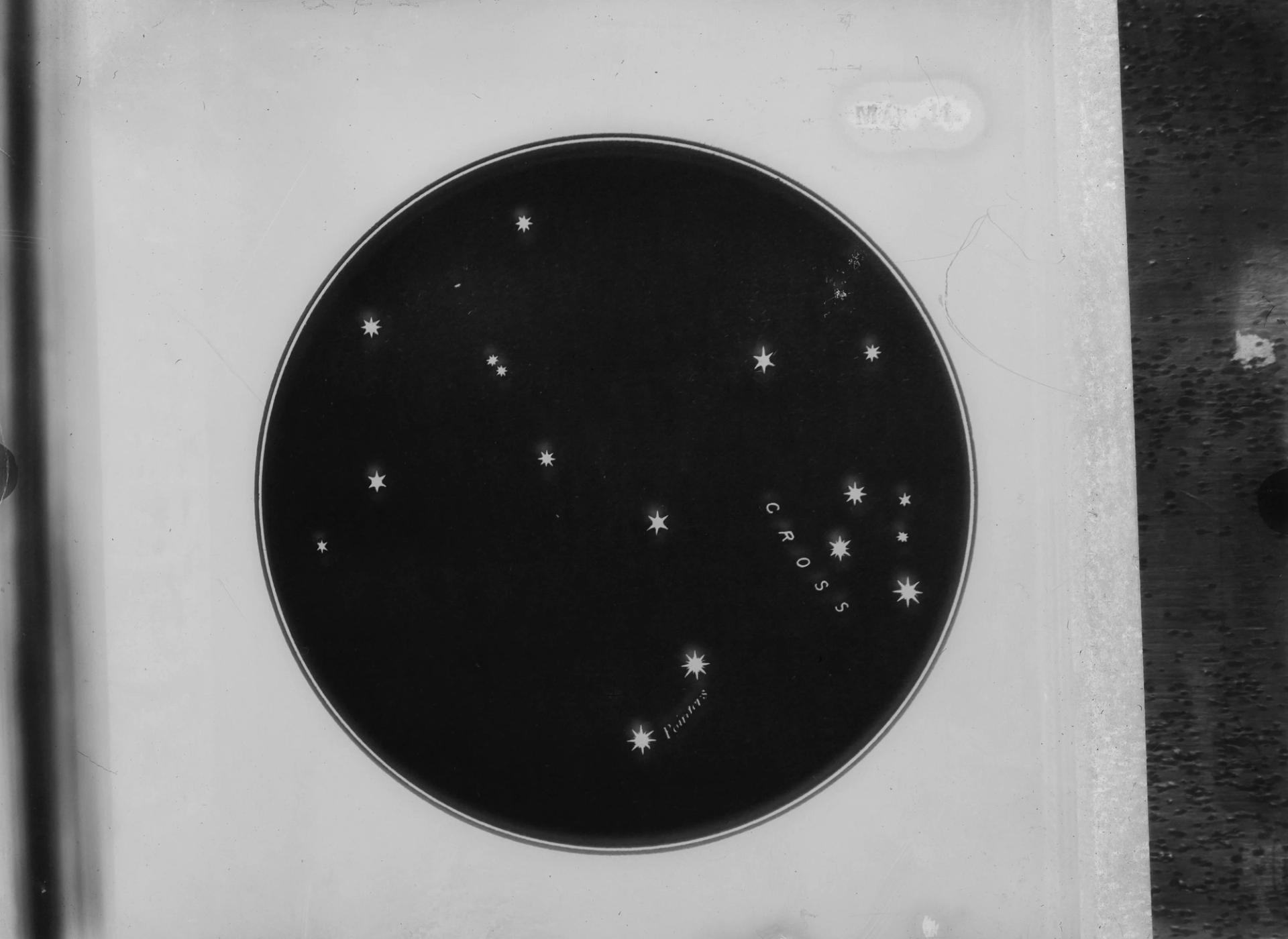
Crux or the Southern Cross is the smallest of all 88 western constellations and consists of four bright stars. Along with the nearby pointers of Alpha and Beta Centauri, Crux can be used to find south. Draw an imaginary line from the top of the cross shape though the bottom and across the sky. Midway between the pointers draw a line perpendicular to the line that joins them. Where these two longer lines intersect is close to the southern celestial pole. From this point drop a vertical down to the horizon to locate south. This technique works at any time of the night, any time of the year. The superb open cluster NGC 4755 (Jewel Box) appears very close to the second brightest star, Beta Crucis.
Ophiuchus the Serpent Bearer is an ancient constellation and one of the original 48 as mapped by Ptolemy. It is said to represent the mythical healer Aesculapius. It sits close to the galactic centre in Sagittarius. It is now the thirteenth zodiac sign with the Sun passing through it from 30 November to 17 December.
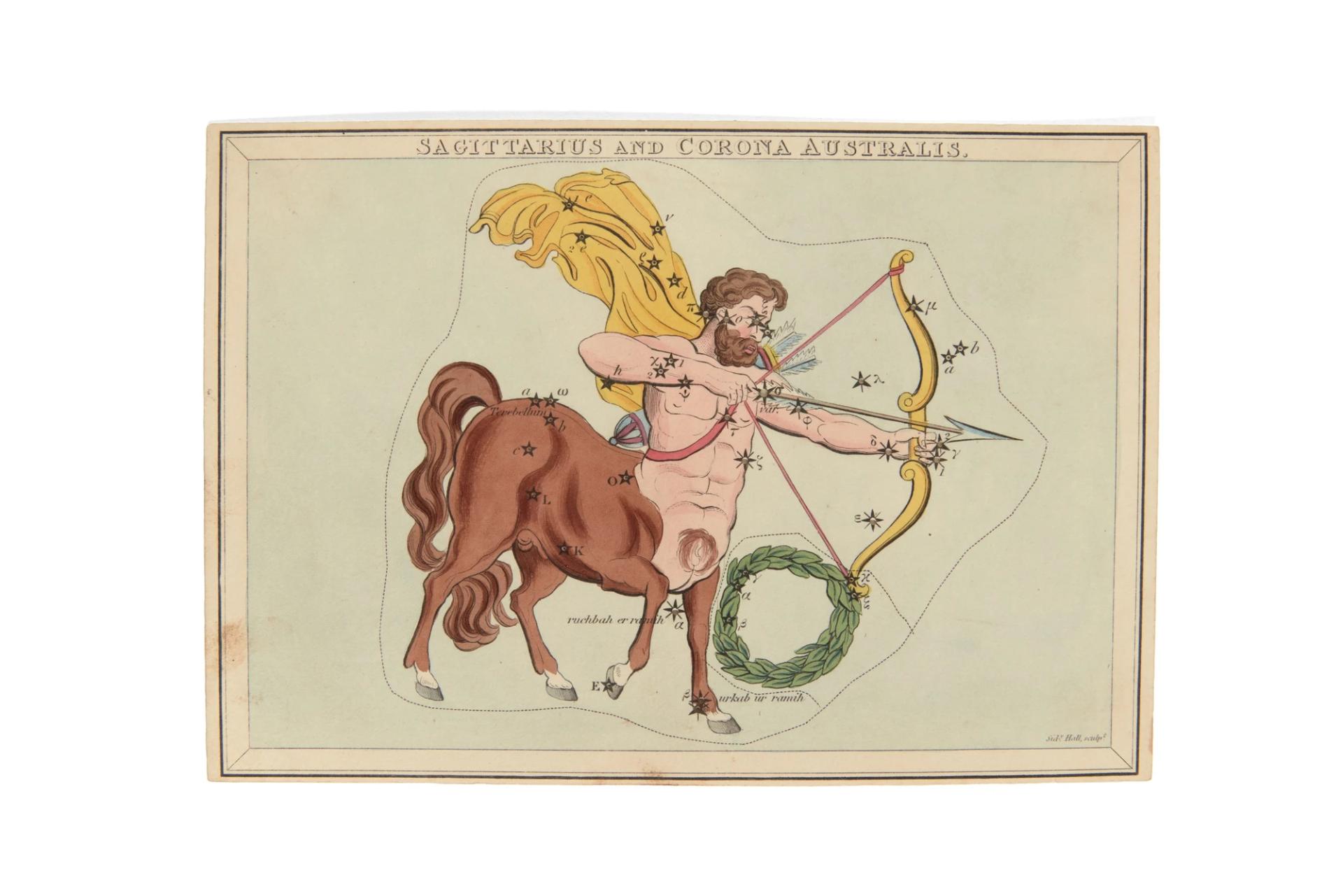
Sagittarius the Archer is located just behind the sting of Scorpius. In Greek mythology the archer is a centaur pointing his arrow towards the heart of Scorpius, though from the Southern Hemisphere this constellation looks more like a teapot. Sagittarius is home, as we see it, to the centre of our galaxy, the Milky Way with a monstrous black hole about four million times the mass of the Sun and 26,000 light years away. Called ‘Sagittarius A *’ (pronounced as Sagittarius-A-Star), images taken in 2017 and released in May 2022 from NASA’s Event Horizon Telescope (EHT) show matter swirling around it at close to the speed of light. The event horizon is about the same distance from the singularity as Mercury is from our Sun.
Scorpius the Scorpion is one of the easiest constellations to pick out as it is one of the few that does look like what it’s supposed to represent. It sits in the brightest parts of the Milky Way, with the red supergiant star Antares (meaning ‘Rival of Mars’) marking its heart. From the heart, three stars mark the head and claws, while moving the other way we see the body, hooked tail and sting. The scorpion plays a role in many myths; however, it is best known in Greek mythology for its pursuit of Orion through the night sky. Scorpius dominates the sky from June to August when it sits high overhead. It contains the globular cluster M4, the first in which individual stars were resolved, approximately 6000 light years away. It also has two open clusters M6 the Butterfly cluster, which is 100 million years old, and M7 the Ptolemy cluster at just 200 million years old.
Deep sky
Alpha Centauri is a triple star system consisting of Alpha Centauri A and B, and the closest star to our Sun, Proxima Centauri (Alpha Centauri C) at 4.2 light years away. Proxima Centauri is a red dwarf star, only visible through large telescopes, and revolves around the other two stars once every 550,000 years.
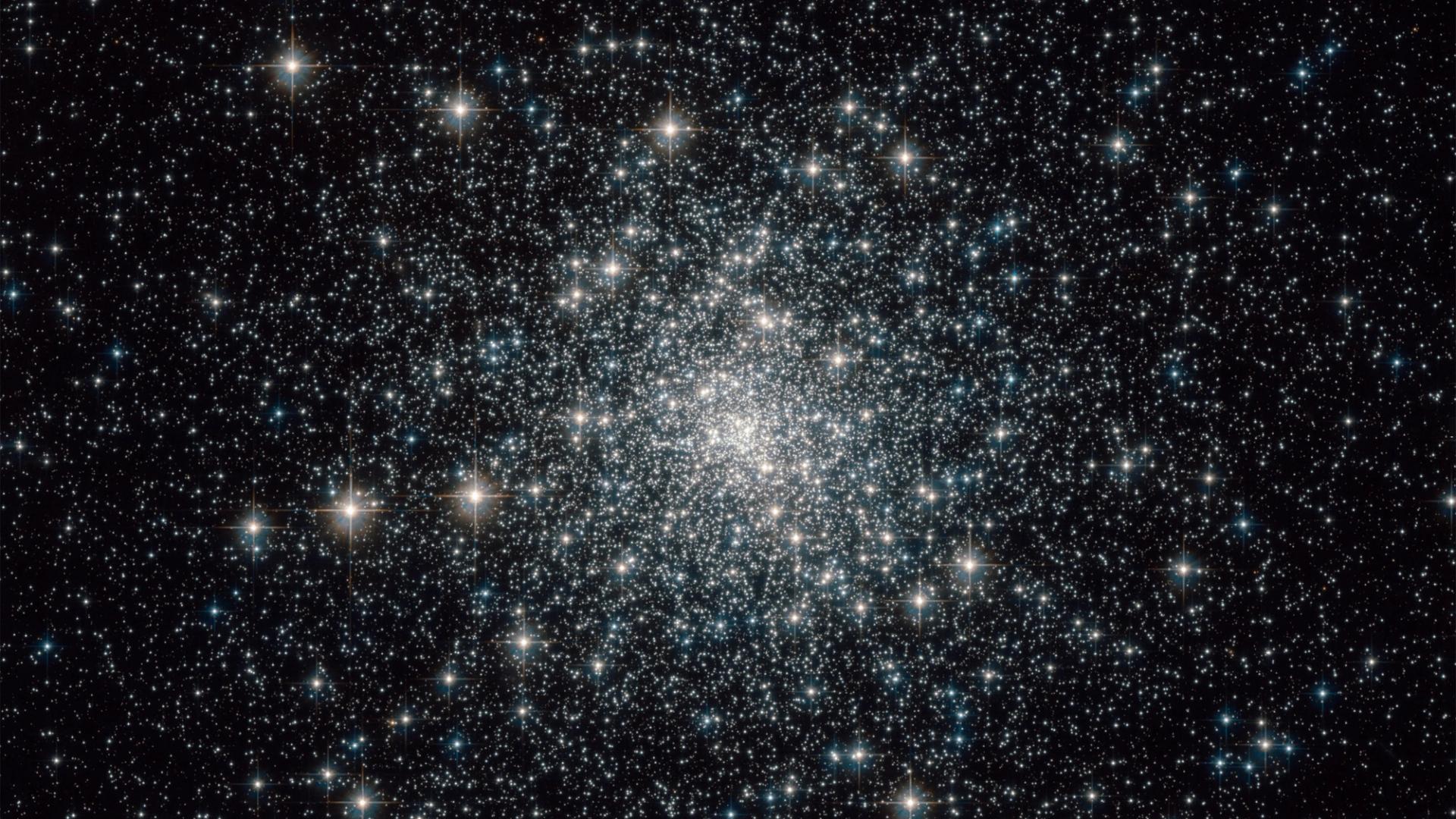
M4 is the closest globular cluster to Earth at 6000 light years away. M4 is easy to locate, sitting next to the red supergiant star, Antares, in Scorpius. The cluster contains more than 100,000 stars with approximately 40,000 of these being white dwarf stars.
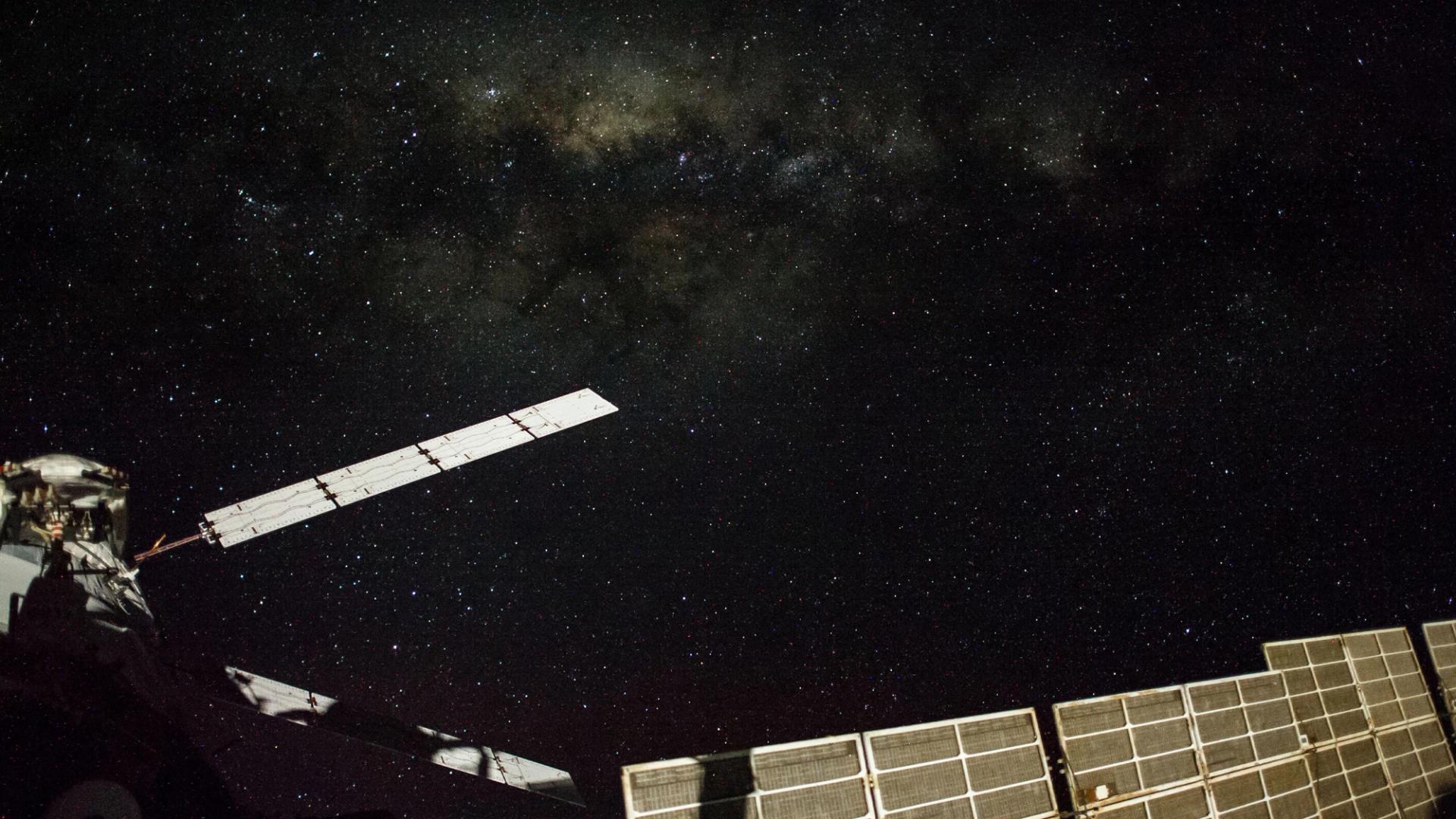
M6 the Butterfly Cluster and M7 Ptolemy’s Cluster are two open star clusters found near the sting of the Scorpion. M6 is about 1600 light years away and M7, about 980 light years.
Omega Centauri (NGC 5139) is the brightest and largest of approximately 150 globular clusters orbiting the Milky Way. It is so bright it was labelled as a star on early sky charts by Ptolemy and is one of the few objects in the sky that carries both a star designation and an object catalogue designation. Omega Centauri shines with the luminosity of a million suns and is relatively close to us, only 15,800 light years away. It contains approximately 10 million stars and some theories suggest it could be the remnant core of a galaxy that is merging with the Milky Way.
47 Tucanae (NGC 104) is a globular cluster second only to Omega Centauri. It sits beside but is unrelated to the SMC in the constellation Tucana. It can be easily seen away from city lights with the unaided eye due to its very dense star core. 47 Tucanae is approximately 15,000 light years from us.
Special Events
The spring equinox
When the Sun crosses from the northern to the southern sky, the spring equinox occurs on Sunday 23 September at 4:19 am. On this day, the Sun rises and sets due east and west. The length of day and night is almost equal but not quite.
Total eclipse of the Moon
The second total eclipse of the year takes place on the early morning of Monday 8 September. From Australia, the eclipse can be seen from beginning to end. The Moon often takes on a reddish colour during totality and the setting of a fully eclipsed Moon should be spectacular.
Note that eclipses of the Moon are completely safe to photograph.
The last total eclipse of the Moon visible from Australia was on 14 March 2025, while the next one is on the evening of 3 March 2026.
Circumstances for the eclipse are given in the attached table in local time.
Past Months
Shop

Sydney Observatory
Open for pre-booked tours, located on Gadigal land, a national place of connection and scientific research. The site is undergoing heritage conservation works.