
Sky Guide July 2026

‘On a moonless night from a dark location, the brightest part of our Milky Way galaxy seems to reach from the northeast bulging overhead before dipping to the southwest. It is simply breathtaking.’
Moon Phases
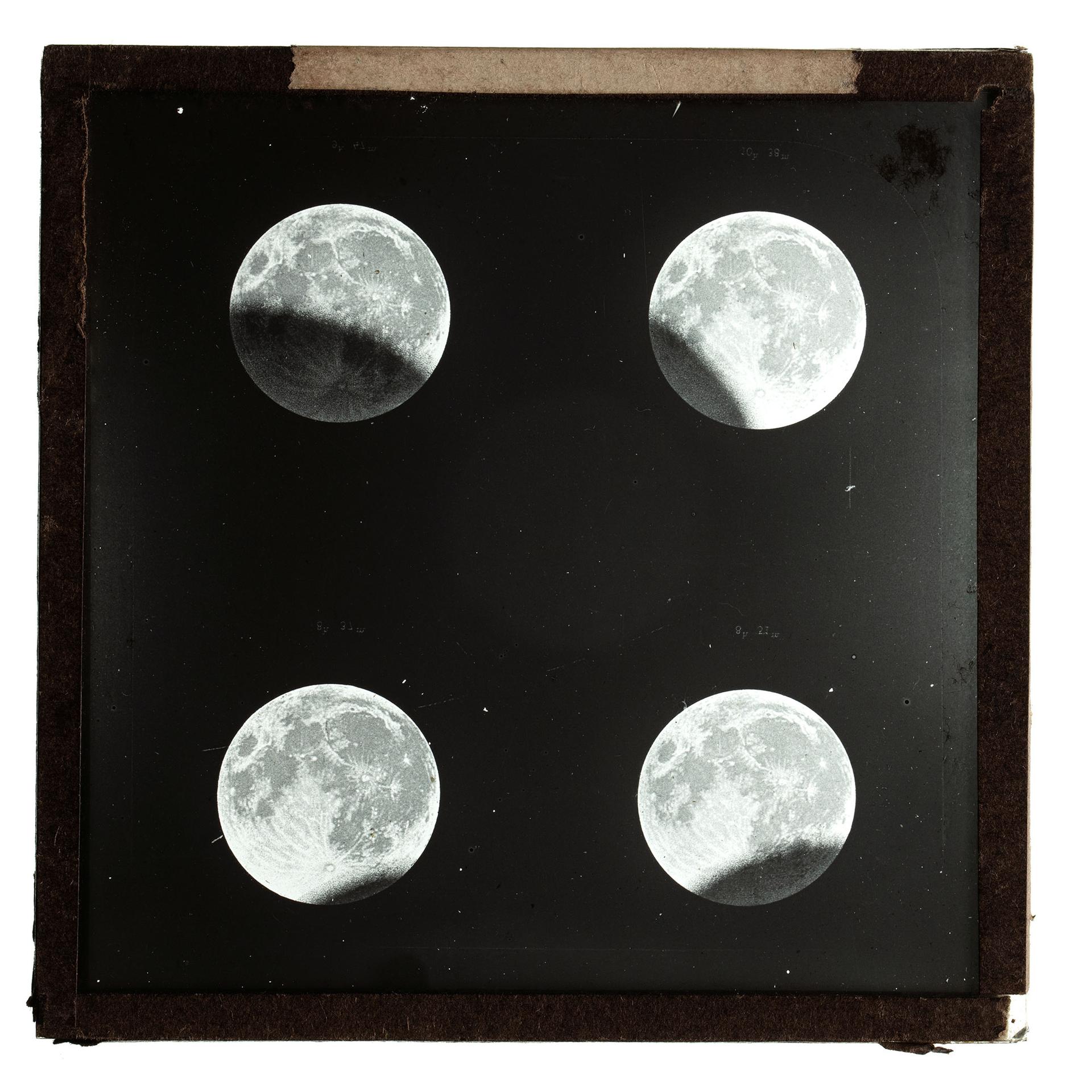
Earth farthest from the Sun (aphelion) Tuesday 7 July 3:30 am AEST
Last quarter Wednesday 8 July 5:29 am AEST
Matariki Friday 10 July
New Moon Tuesday 14 July 7:43 pm AEST
First quarter Tuesday 21 July 9:05 pm AEST
Full Moon Thursday 30 July 12:36 am AEST
Planets
EVENING
Mercury and Jupiter are lost, leaving Venus as the only evening planet.
Mercury is low in the north-west in Gemini at the beginning of the month but fades into the twilight just before the end of the first week.
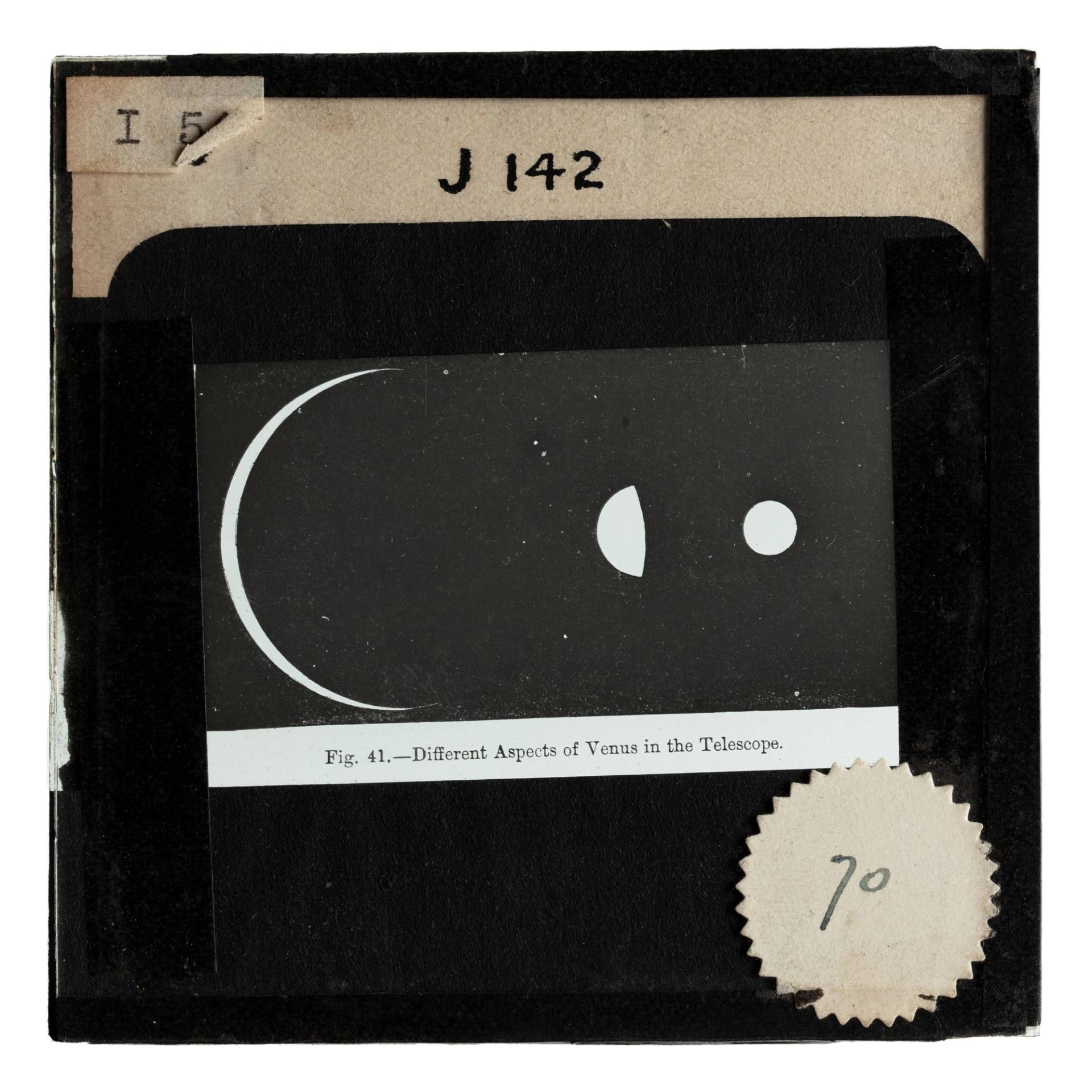
Venus is in the north-west in Leo. On 9–10 July, Venus passes just two moon-widths from Regulus, the brightest star in Leo. On 17 July, the crescent Moon is below and to the left or west of Venus, while the next evening it is above and to the right or north of the planet.
Jupiter starts the month in the north-west, above Mercury, but in Cancer. It follows Mercury into the twilight just before the middle of the month.
MORNING
Mercury appears low in the eastern sky in Gemini at the end of the third week of the month.
Mars is in the north-east in Taurus. From 10–17 July, it passes by the bright reddish star Aldebaran, the brightest star in Taurus. On 11 July, the crescent Moon is above and to the left or north of Mars, while the next morning it is below, but still to the left or north.
Saturn is in the north in Pisces. On 8 July, the last quarter Moon is below Saturn.
Constellations
Constellations are groups of stars that represent mythological figures, fanciful beasts or old scientific instruments. Some have been used for millennia as a tool to share significant cultural stories and to track the passage of the weeks and months. Today they also help astronomers mark out portions of the sky and locate astronomical objects. Those listed below have been selected for their visibility in the evening up to 2 hours after sunset as seen from the southern hemisphere.
Scorpius, the Scorpion, with its curved line of bright stars, is high in the eastern sky. Below it is the constellation Sagittarius, the Archer. In old drawings of the constellation, the Archer is depicted as a centaur — a half-human, half-horse creature — like the constellation Centaurus. The common name of Sagittarius, however, is the Teapot. The aptness of this name can be verified by a quick glance at the stars of the constellation, with the handle below, the spout above and the lid to the left or north.
Spica, the brightest star in the constellation Virgo, the Maiden, is high in the north. This star is 250 light years from us and, in fact, consists of two hot and massive stars whirling around each other every four days. They are so close that they cannot be seen as separate stars through a telescope. Instead, astronomers use a device called a spectrograph, which breaks the starlight into its component colours and allows them to measure the velocities of the two stars as they alternately approach and move away from us.
Below Spica, we find the brilliant, orange-coloured Arcturus, the brightest star in the constellation Boötes, the Herdsman. July is the best time to view this star, which is one of the brightest as viewed from the Northern Hemisphere.
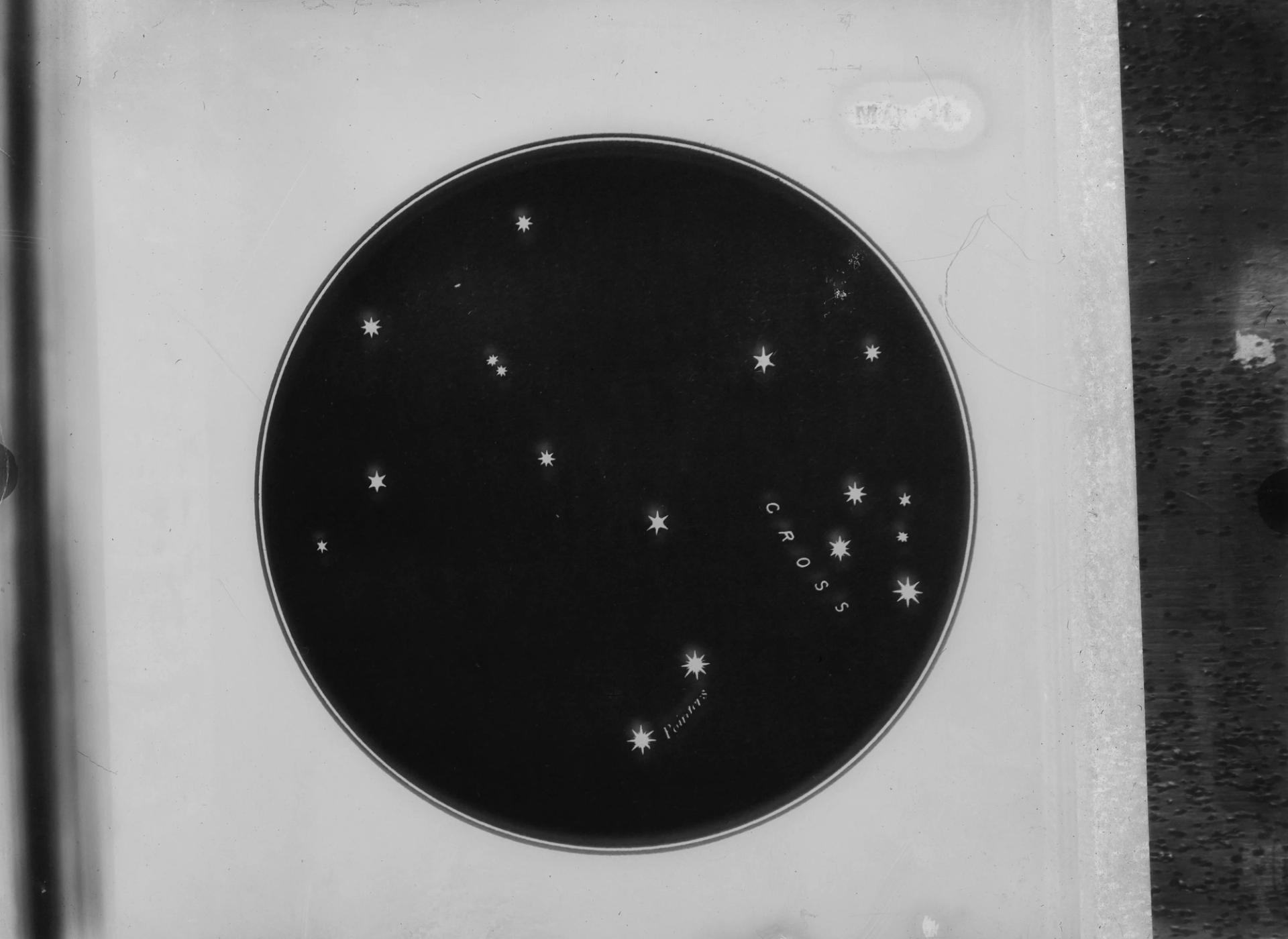
The Southern Cross, Crux, is high in the south with the pointer stars, Alpha and Beta Centauri, almost horizontal. These two stars are part of the large constellation Centaurus, the Centaur, which surrounds the Cross on three sides.
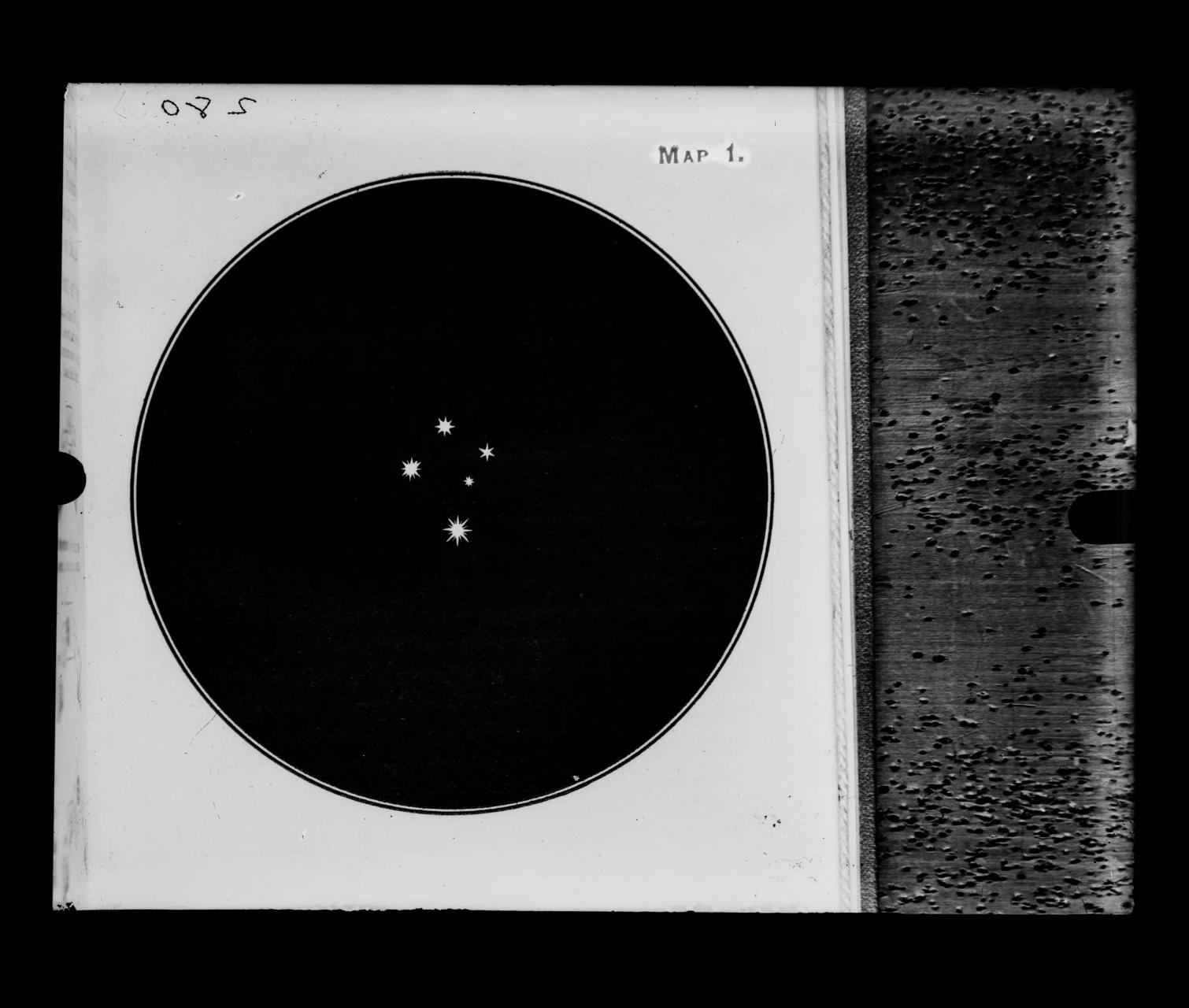
Boötes the herdsman is low in the north and quite unremarkable apart from its brightest star Arcturus, which is the fourth brightest star in the night sky overall and the brightest in the northern sky. Arcturus is only slightly more massive than our Sun, but its advanced evolution has taken it off the Main Sequence to become a bloated giant 25 times bigger and 170 times brighter than the Sun. It has a golden orange hue at about 37 light years.
Centaurus the half man half horse represents the scholarly Chiron, tutor of many of the Greek gods and heroes including Heracles, Achilles and Jason. Its two brightest stars of Alpha Centauri — the closest star system to the Sun and Beta Centauri — make up the front legs of the centaur. When used with Crux, they help find south. It also contains the most spectacular globular cluster of all, Omega Centauri (NGC 5139). Centaurus was one of the original 48 constellations as mapped by Ptolemy and originally included Crux before the latter was identified separately in the 17th century CE.
Crux or the Southern Cross is the smallest of all 88 western constellations and consists of four bright stars. Along with the nearby pointers of Alpha and Beta Centauri, Crux can be used to find south. Draw an imaginary line from the top of the cross shape though the bottom and across the sky. Midway between the pointers draw a line perpendicular to the line that joins them. Where these two longer lines intersect is close to the southern celestial pole. From this point drop a vertical down to the horizon to locate south. This technique works at any time of the night, any time of the year. The superb open cluster NGC 4755 (Jewel Box) appears very close to the second brightest star, Beta Crucis.
Libra has been recognised historically as a set of balance scales, the scales of justice, or a part of Scorpius (the scorpion’s claws). However, the Romans returned it to the separate set of scales we are familiar with today. The former association of Libra and Scorpius is reflected in the names of the two brightest stars in Libra: Zubenelgenubi and Zubeneschamali, meaning ‘the southern claw’ and ‘the northern claw’ respectively. Libra is host to the star Gliese 581, the first star identified with an Earth-like exoplanet.
Ophiuchus the serpent bearer is an ancient constellation and one of the original 48 as mapped by Ptolemy. It is said to represent the mythical healer Aesculapius. It sits close to the galactic centre in Sagittarius. It is now the thirteenth zodiac sign with the Sun, passing through it from 30 November to 17 December.
Sagittarius the archer is located just behind the sting of Scorpius. In Greek mythology the archer is a centaur pointing his arrow towards the heart of Scorpius, though from the Southern Hemisphere this constellation looks more like a teapot. Sagittarius is home, as we see it, to the centre of our galaxy, the Milky Way with a monstrous black hole about four million times the mass of the Sun and 26,000 light years away. Called ‘Sagittarius A *’ (pronounced as Sagittarius-A-Star), images taken in 2017 and released in May 2022 from NASA’s Event Horizon Telescope (EHT) show matter swirling around it at close to the speed of light. The event horizon is about the same distance from the singularity as Mercury is from our Sun.
Scorpius the scorpion is one of the easiest constellations to pick out as it is one of the few that does look like what it’s supposed to represent. It sits in the brightest parts of the Milky Way, with the red supergiant star Antares (meaning ‘Rival of Mars’) marking its heart. From the heart, three stars mark the head and claws, while moving the other way we see the body, hooked tail and sting. The scorpion plays a role in many myths; however, it is best known in Greek mythology for its pursuit of Orion through the night sky. Scorpius dominates the sky from June to August when it sits high overhead. It contains the globular cluster M4, the first in which individual stars were resolved, approximately 6000 light years away. It also has two open clusters M6 the Butterfly cluster, which is 100 million years old, and M7 the Ptolemy cluster at just 200 million years old.
Virgo the maiden is the second largest of all constellations. Virgo rises in the east in April and sets after sunset by mid-August. It can be most easily found by locating the constellation’s brightest star, Spica. The rest of the figure is composed of relatively faint stars and looks a little like a maiden. It is one of the two constellations in which the ecliptic and celestial equator cross – the other being Pisces. This one marks the current position of the September equinox, the beginning of our Spring in the Southern Hemisphere. It is home to a cluster of galaxies at a distance of around 60 million light years —the largest being M87 with a central black hole at least 7 billion times the mass of the Sun. Virgo’s one bright star, Spica, is the 16th brightest in the night sky and about 250 light years away.
Deep sky
Alpha Centauri is a triple star system consisting of Alpha Centauri A and B, and the closest star to our Sun, Proxima Centauri (Alpha Centauri C) at 4.2 light years away. Proxima Centauri is a red dwarf star, only visible through large telescopes, and revolves around the other two stars once every 550,000 years. [Two planets have been confirmed in orbit around Proxima: Proxima b and Proxima c. Proxima b is an Earth-mass planet discovered in 2016, which is located within the habitable zone of Proxima Centauri, while Proxima c is a super-Earth exoplanet discovered in 2020, which orbits the star once every 1928 days.]
The Carina Nebula (NGC 3372) is more than four times larger than the more famous Orion Nebula (M42) seen in summer. Its distance of around 7500 light years disguises its immense size of around 500 light years in diameter. On a moonless night it is a stunning view through binoculars or a telescope as well as being visible to the naked eye. It contains some of the youngest star clusters in the Milky Way as well as a star already coming to an explosive death. The star Eta Carinae is 100-150 times the mass of the Sun and is a dying cataclysmic variable, which is expected to explode as a supernova anytime within the next million years. A supernova precursor eruption in the 1840s temporarily elevated it to the second brightest star in the night sky.
NGC 3293 and NGC 3532 are two stunning open clusters in Carina and both excellent targets for binocular and telescope viewing. NGC 3532 was the first target of the Hubble Space Telescope in 1990. It contains around 150 stars thought to be 300 million years old at a distance of 1300 light years. NGC 3293 is much younger with stars between 6 and 20 million years but around 9000 light years away.
The Jewel Box (NGC 4755) is an open star cluster, approximately 10 million years old. It is close to Beta Crucis (Mimosa), the second-brightest star in Crux (Southern Cross). In binoculars and small telescopes it appears as an ‘A’ shape. It is about 20 light years across and contains around 100 stars. One of these is the red super giant DU Crucis which is around 500 times the diameter of the Sun. The Jewel Box is one of the youngest open clusters in our skies with an estimated age of about 14 million years. It lies at a distance of about 6400 light years.
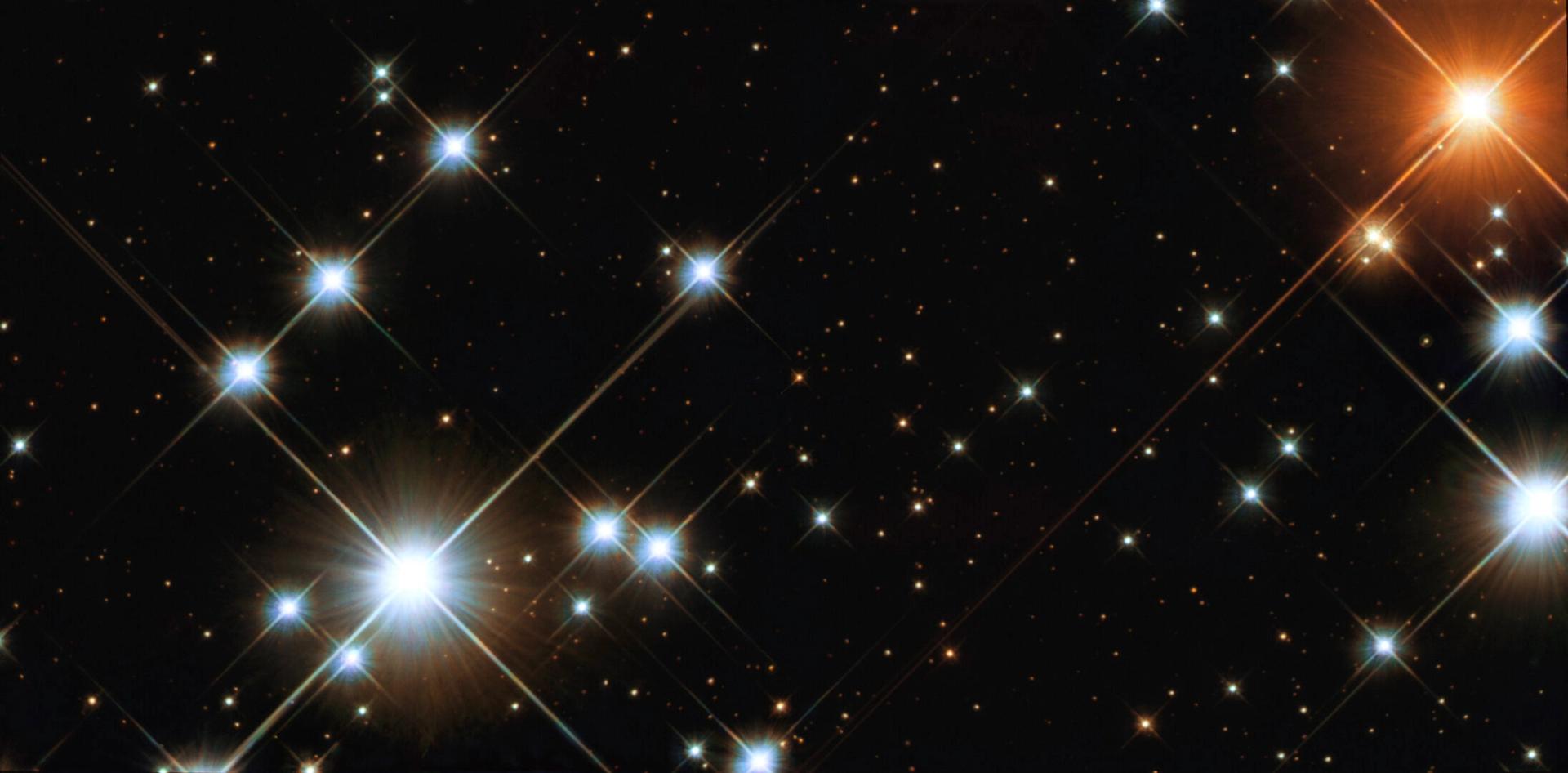
M4 is the closest globular cluster to Earth at 6000 light years away. M4 is easy to locate, sitting next to the red supergiant star, Antares, in Scorpius. The cluster contains more than 100,000 stars with approximately 40,000 of these being white dwarf stars.
M6 the Butterfly Cluster and M7 Ptolemy’s Cluster are two open star clusters found near the sting of the Scorpion. M6 is about 1600 light years away and M7, about 980 light years.
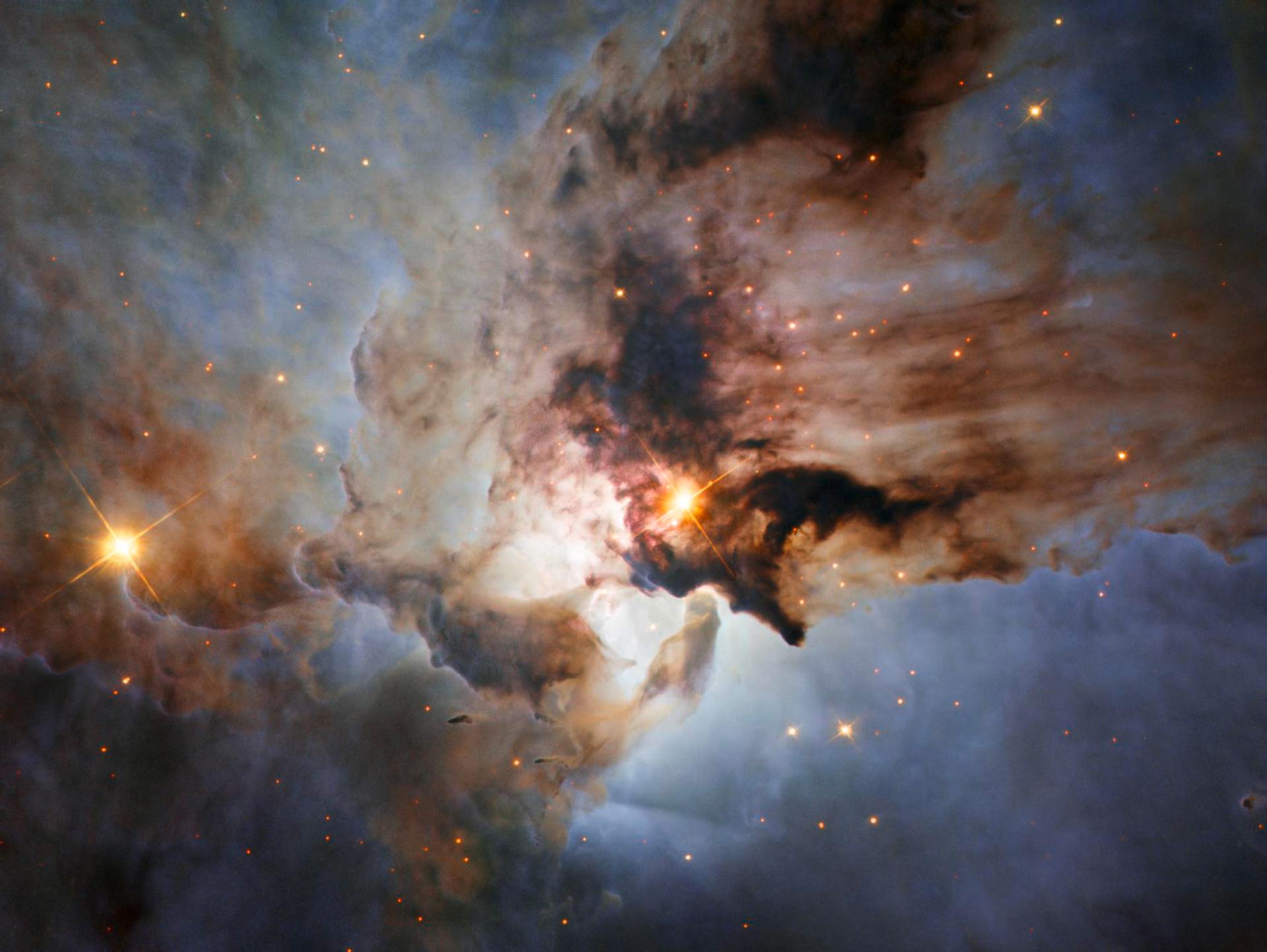
M8 The Lagoon Nebula in Sagittarius is a huge star- forming cloud that is just visible to the unaided eye from a dark location. It is about 5000 light years away and 130 light years across. M8 contains a hot young cluster of baby stars (NGC 6530) within, and their powerful UV light makes the cloud glow.
Omega Centauri (NGC 5139) is the brightest and largest of approximately 150 globular clusters orbiting the Milky Way. It is so bright it was labelled as a star on early sky charts by Ptolemy and is one of the few objects in the sky that carries both a star designation and an object catalogue designation. Omega Centauri shines with the luminosity of a million suns and is relatively close to us, only 15,800 light years away. It contains approximately 10 million stars and some theories suggest it could be the remnant core of a galaxy that is merging with the Milky Way.
The Sombrero Galaxy (M104 or NGC 4594) is an almost edge on galaxy about 30% the size of the Milky Way 28 million light years away. It is either a spiral galaxy or an unusual elliptical one. Its central black hole is about one billion times the mass of our Sun, which makes it one of the largest black holes found so far in the heart of a galaxy. The Sombrero Galaxy is situated within the constellation Virgo on the border with Corvus. It requires a moderate sized telescope and will appear as a small smoky smudge.
Special Events
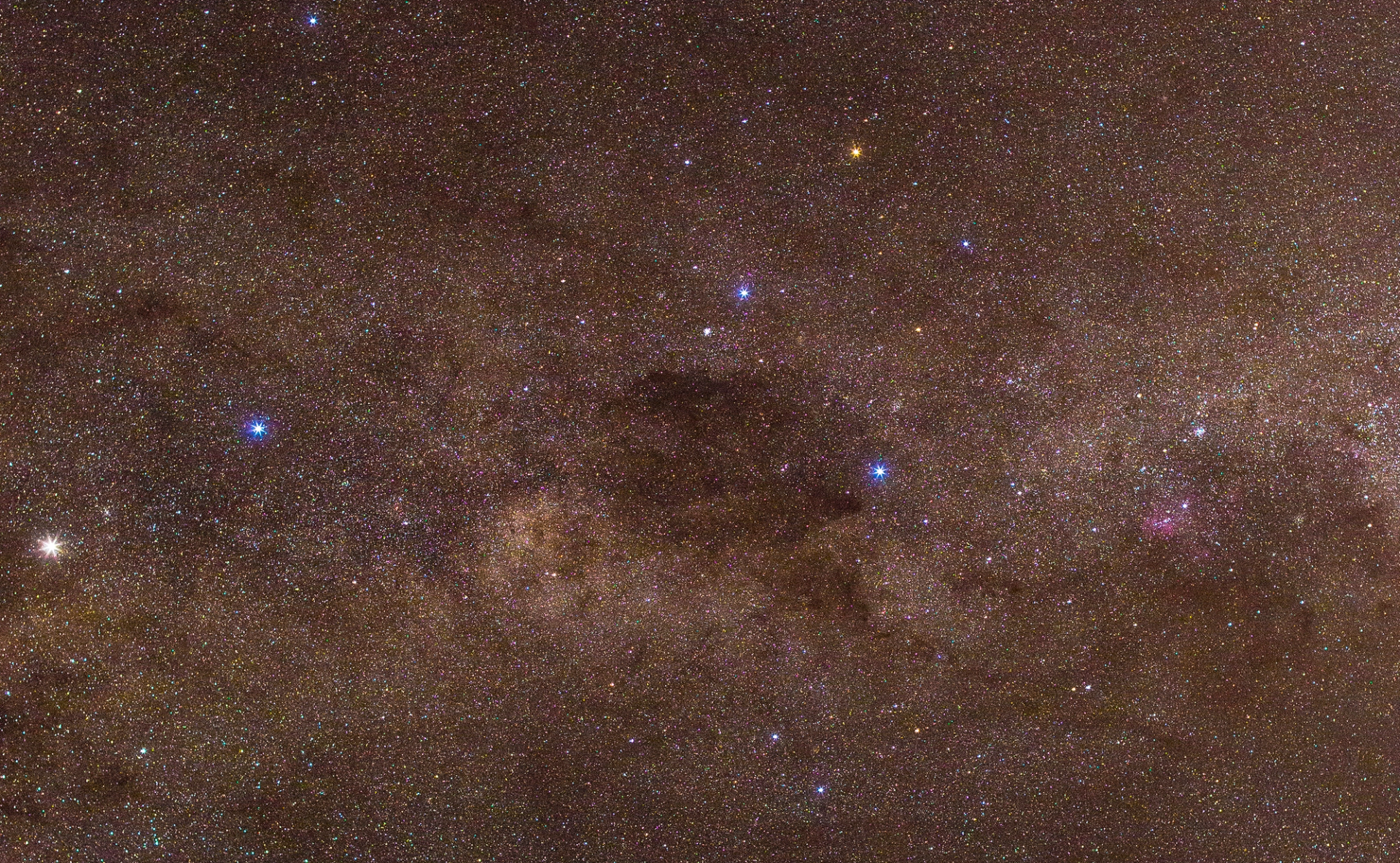
Great view of the Southern Cross
July 2026
This month, the Southern Cross is particularly prominent, as it is almost vertical in the southern sky in the early evenings. It is a familiar constellation in the Australian sky, appearing as it does on the country's flag, the name and logo of a university, the logo of an airline and much more. Astronomers refer to it by the Latin name Crux and it is the smallest of the 88 constellations that they recognise. It is this compactness that helps make it stand out. Finding it is also made simpler by the two pointer stars from the neighbouring constellation of Centaurus, the Centaur, that always point towards it.
Obviously, the Southern Cross was well-known to the First Nations peoples of Australia and elsewhere in the Southern Hemisphere for thousands of years. This was not the case with Europeans, who lived in the Northern Hemisphere. The ancient Greeks did see it but regarded its stars as the hind legs of the Centaur. The first published European description of the Cross is from the Italian voyager Andrea Corsali. In 1516, after a voyage south on a Portuguese ship around Africa to India, he wrote a letter to a patron that was published as a book. He described seeing the Southern Cross in the southern sky thus: 'This cross is so fair and beautiful that no other heavenly sign may be compared to it.'
It is useful to be familiar with the Southern Cross, as it can be used as a calendar and as a directional aid to find south. The long axis of the Cross always points to the same position in the sky. This position in the sky is known as the South Celestial Pole. To find it, extend a line through the long axis of the Cross, four-and-a-half times its length. South is the point on the horizon directly below the pole.
Past Months






Shop



Sydney Observatory
Open for pre-booked tours, located on Gadigal land, a national place of connection and scientific research. The site is undergoing heritage conservation works.