Reanimating an Architect’s Spirit
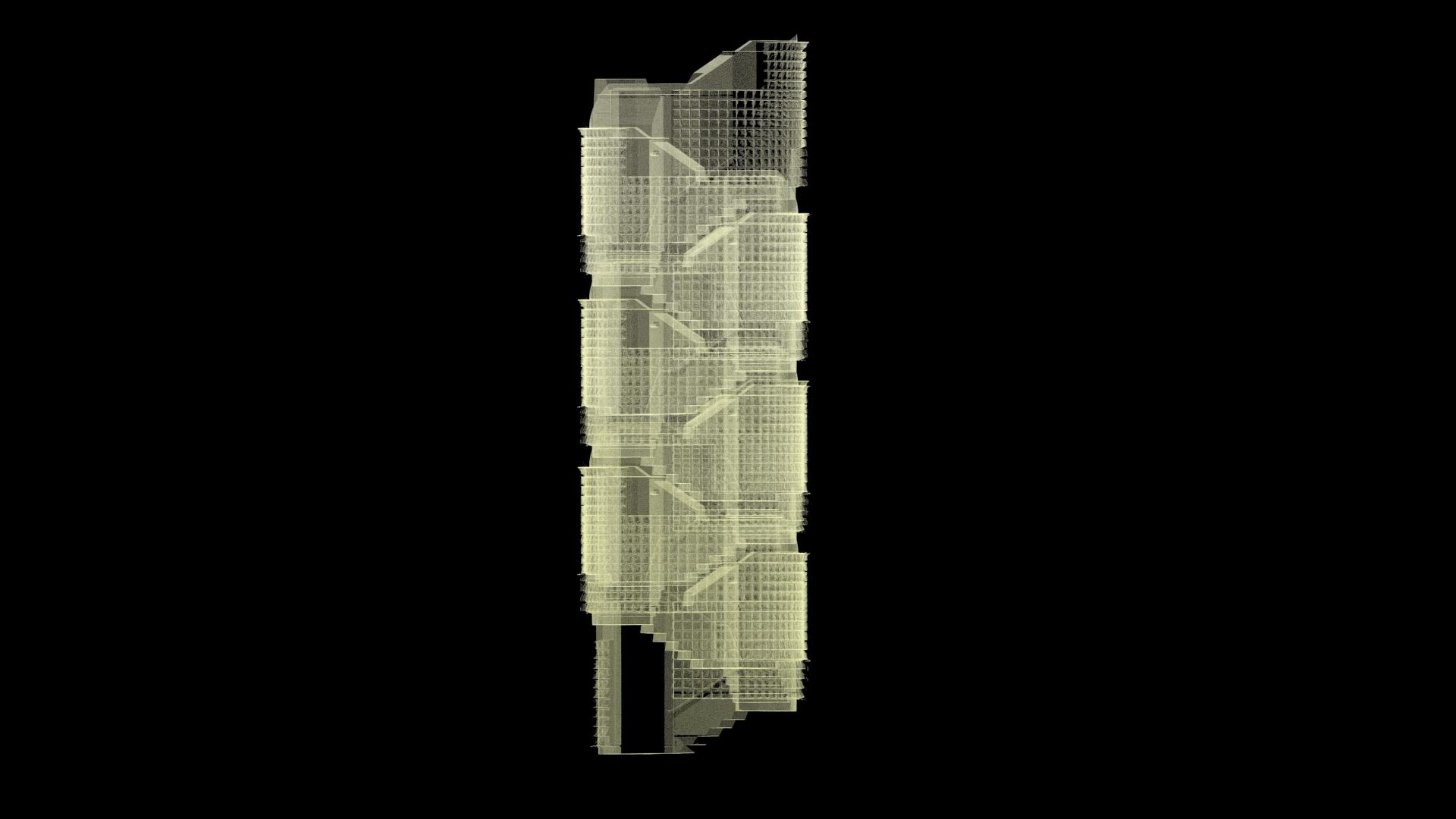
‘We see the LiDAR machine as a tool that offers incredible hybridity – it produces a drawing, a photograph and a model all at once, creating a new kind of documentary medium.’
Powerhouse photographic commission Octagon’s Twin by S-I Projects presents more than a digital document of John Andrews’ iconic Parramatta office building, it continues the late architect’s innovative spirit.
By 2009, when parts of John Andrews’ architectural archive were acquired by Powerhouse, the legacy of this Sydney-born, Harvard-trained architect once lauded by Time magazine as the future of architecture was already under threat. His sun-shaded Sydney skyscraper, King George Tower, described as a tree with leaves, had been unsympathetically reclad; his award-winning megastructure in Canberra, the Cameron Offices, had been partly destroyed; and the first of his three Australian convention centres, which followed his Miami Seaport Terminal as futuristic machines for people to move in, had been demolished. This architectural visionary, best known for conceiving the luminous Gund Hall at the Harvard Graduate School of Design, and whose snaking site-cast concrete Scarborough College at the University of Toronto was said to embody Marshall McLuhan’s theory of ‘the medium is the message’ (Andrews himself said that ‘communication is circulation’), was being shut down.
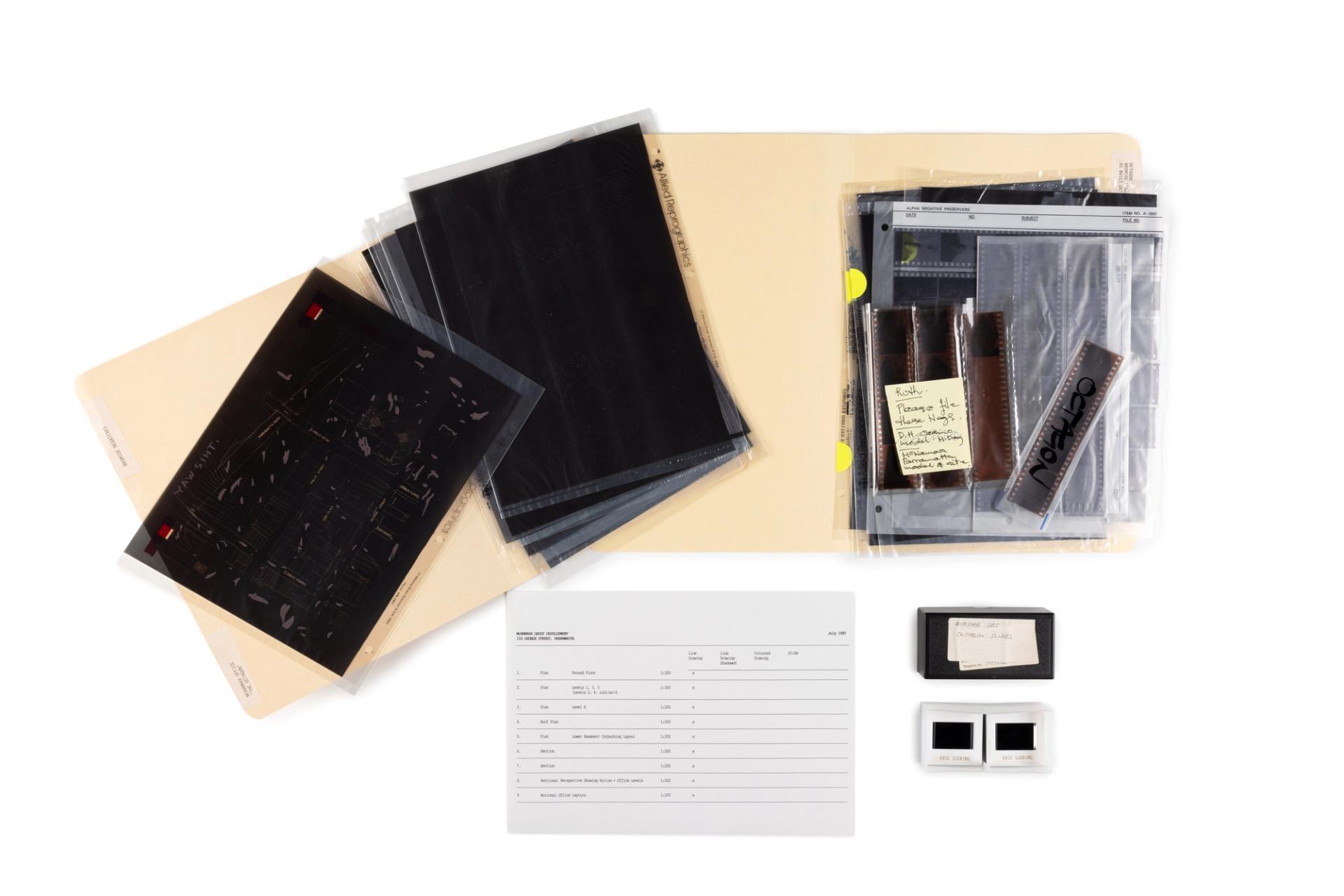
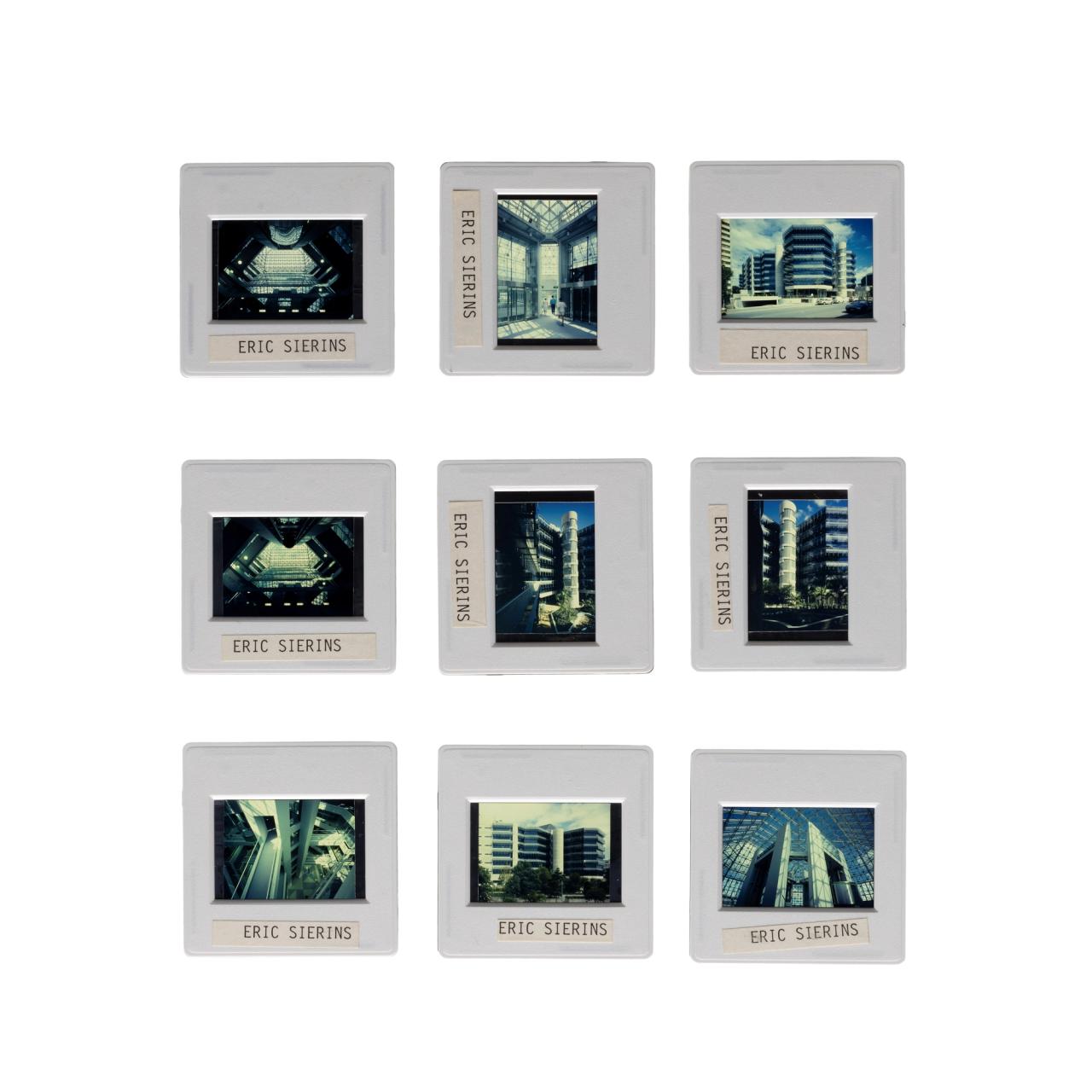
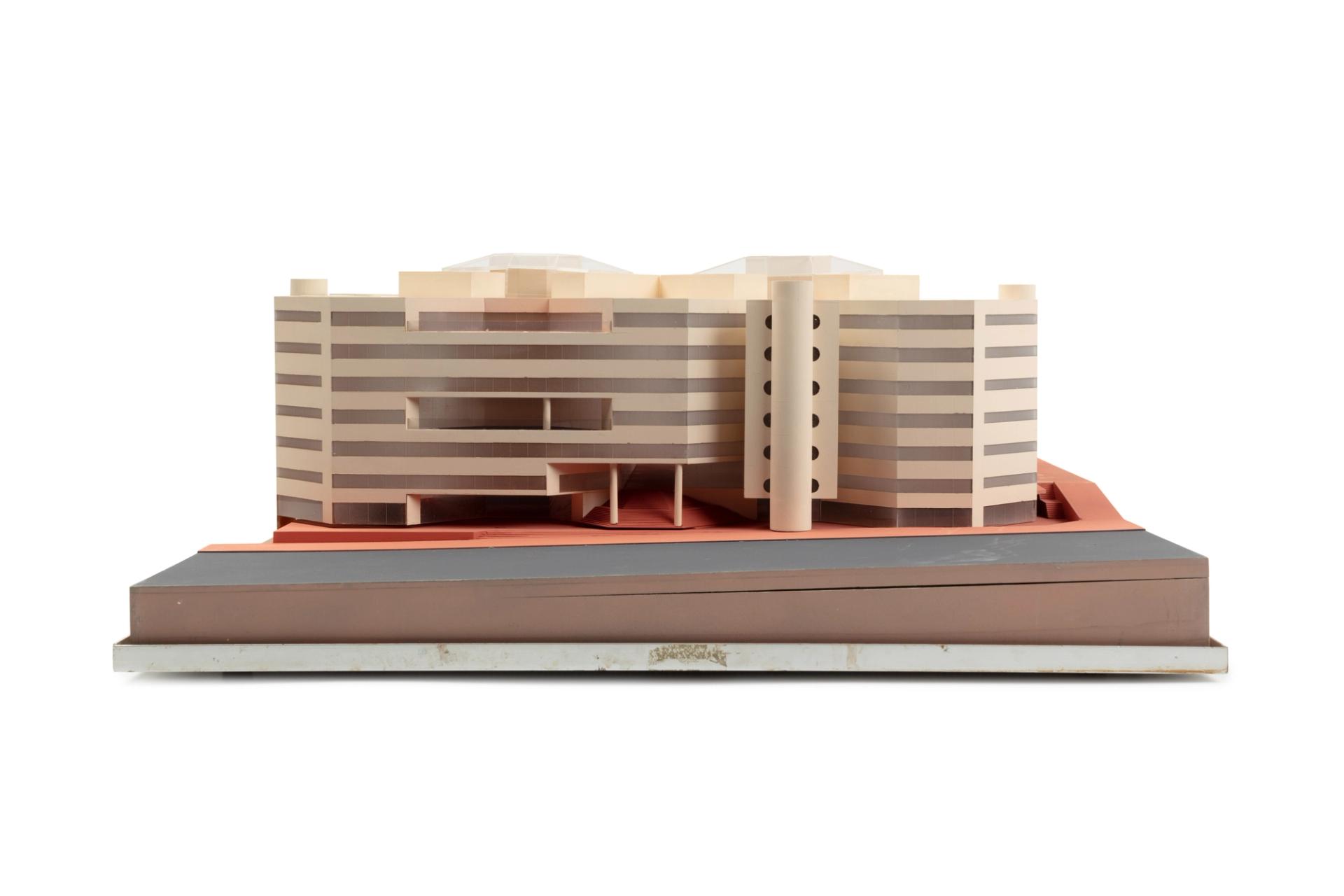
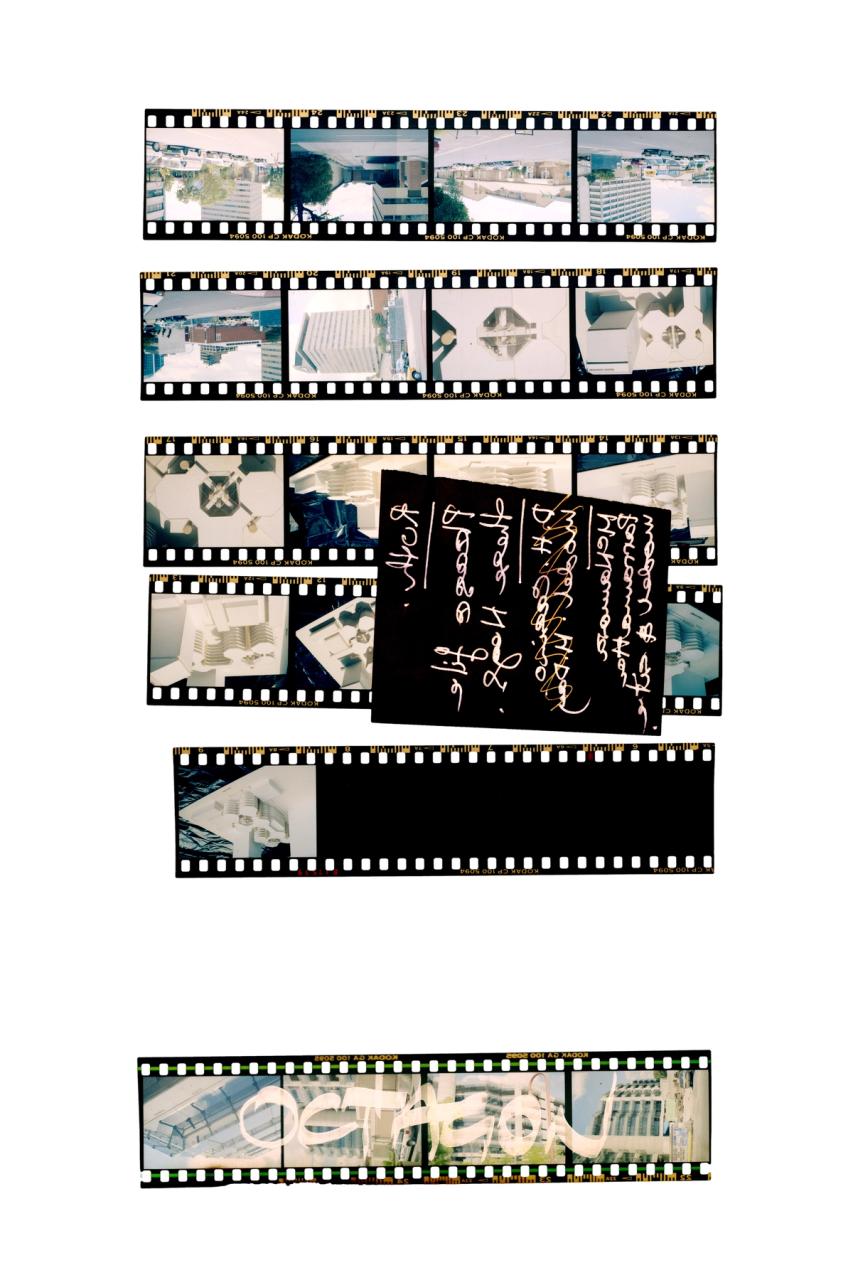
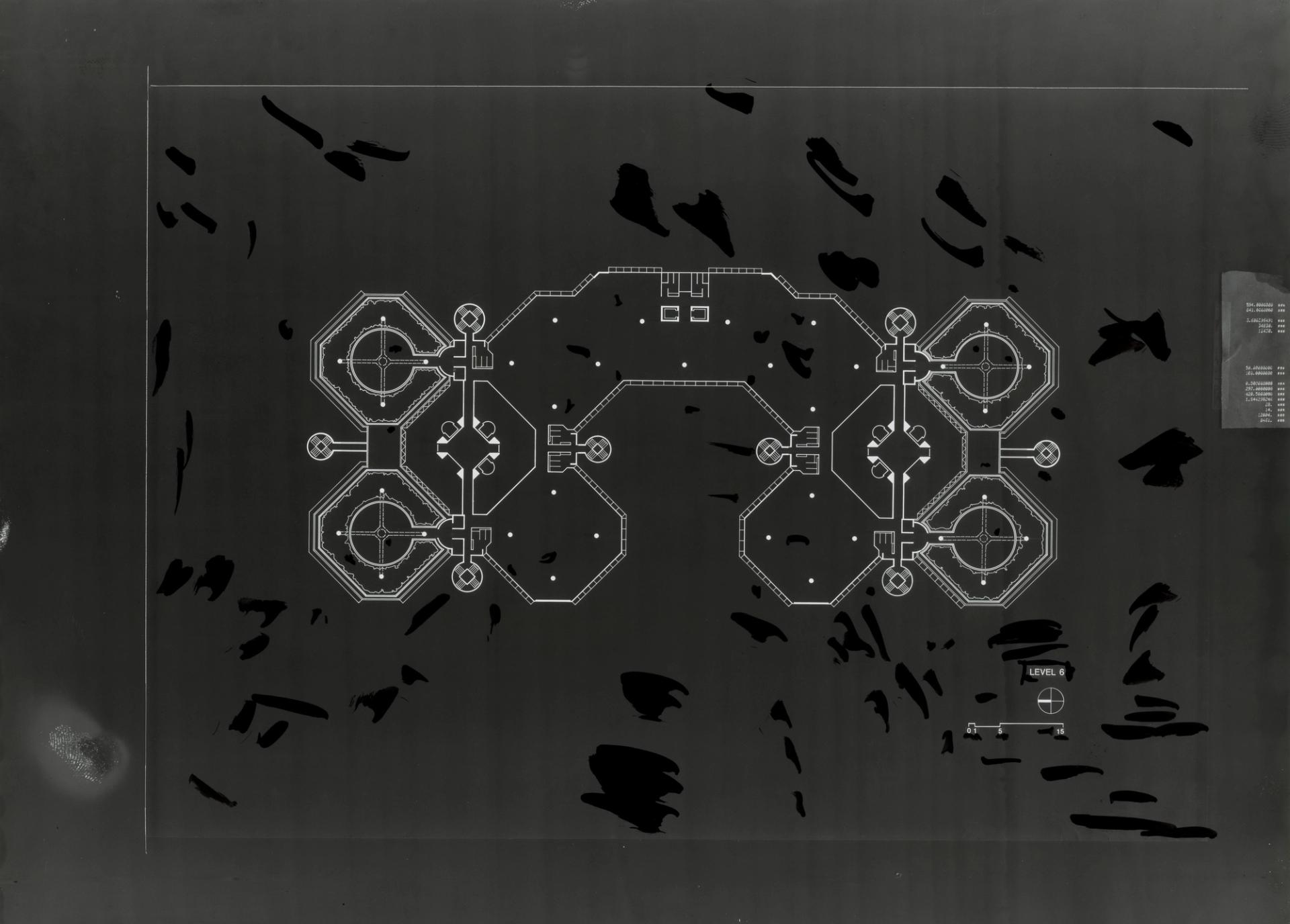
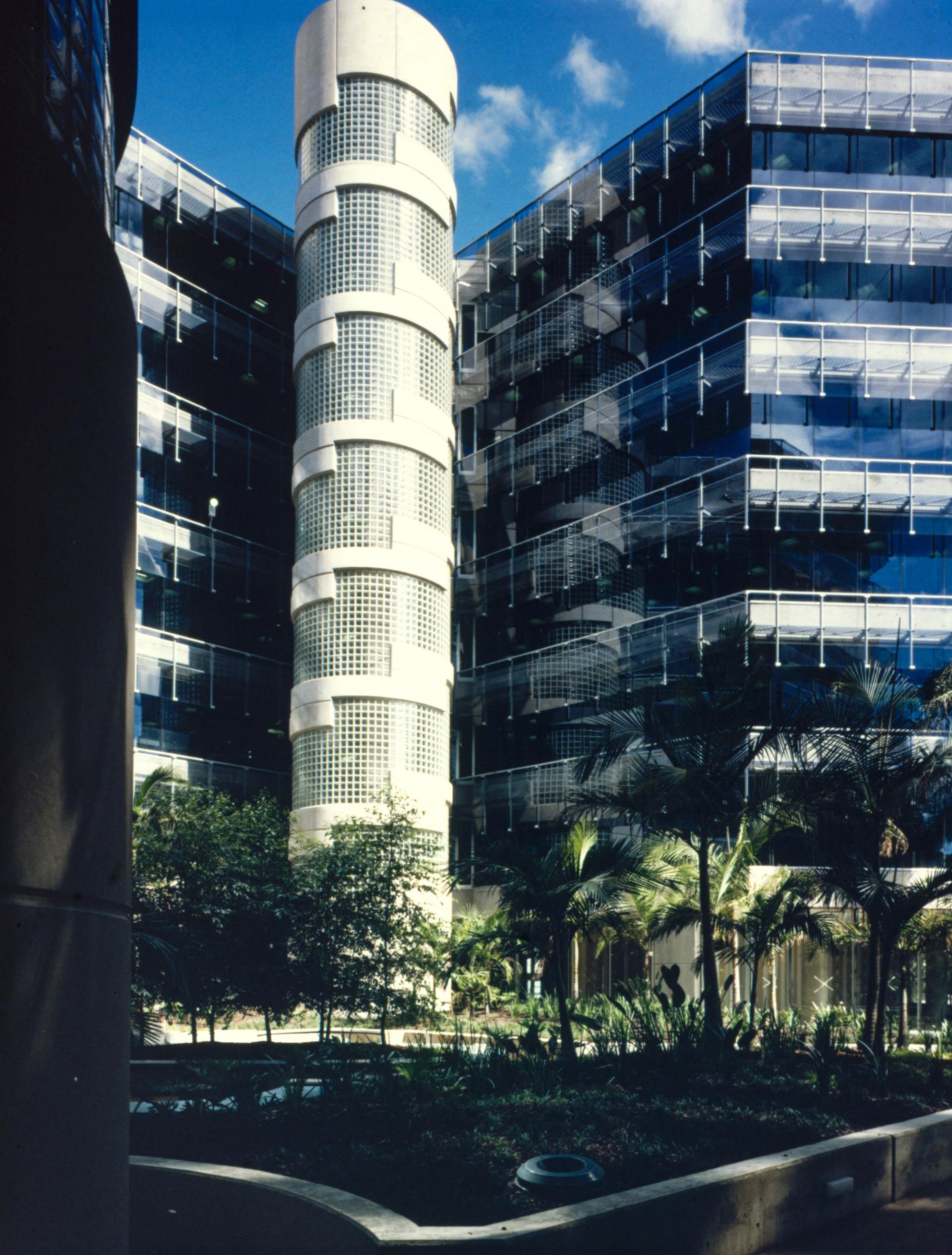
Among the many items in the Powerhouse Collection are Andrews’ drawings and models of his Parramatta office building, The Octagon. Completed in 1990, it is one of the architect’s final experiments with the dynamic eight-sided form, across eight small towers and energy-efficient atria, and itself facing demolition. The Octagon also sits adjacent to the new Powerhouse Parramatta, bringing a poetic synergy between these two buildings. After Andrews’ death in 2022, and following a research and development project by Powerhouse to explore how to archive the built environment led by exhibition curator Cara Stewart, the museum invited Melbourne architect Ben Waters, founder of S-I Projects, to scan the endangered building through LiDAR (light detection and ranging) software. The result is the Octagon’s Twin commission – comprising two digital animations, four large-format prints and a project album – that invites viewers ‘to pause, remember and – perhaps – protect’. As well as improving access to Andrews’ architectural archive (parts of which can also be found at the State Library of New South Wales), Octagon’s Twin reflects the evolving nature of architectural archives from paper-based to digital-first and suggests future approaches to museum practice. Here in conversation with Powerhouse senior editor Michael Fitzgerald, Waters unpacks the project’s genesis and his team’s wider mission of resurrecting Andrews’ architectural legacy.
Michael Fitzgerald What compelled you to reactivate Andrews’ vision for The Octagon?
Ben Waters We were drawn to the project because of its immediacy and significance – both as a piece of architectural heritage and as a cultural artefact under threat. The Octagon is slated for demolition, and with Andrews’ passing in 2022 we felt an urgency to document and preserve its unique architectural narrative. We relied on the Powerhouse team to connect us with archival material, as well as contemporary analysis to piece together the story of the building. This included studying his writings, interviews and drawings, but also reflecting on his philosophy as it resonates in the surviving structures.
MF How helpful were the holdings of the John Andrews architectural archive at Powerhouse?
BW The Powerhouse archive has been invaluable. It provided us with a comprehensive lens into Andrews’ thought process, design principles and the complex contexts in which his projects were realised. Beyond the architectural drawings and schedules, we found the transparencies, photographs and notes particularly interesting. They offered a more personal perspective on how Andrews and his team approached the complexities of structures like The Octagon. This material in the collection allowed us to contextualise our LiDAR work as not just technical documentation, but as a continuation of Andrews’ innovative spirit.
MF What struck you as being so visionary about Andrews’ built environments and megastructures?
BW What stands out in Andrews’ work is his ability to merge pragmatic functionality with a bold vision of urban life. His megastructures aren’t just buildings – they’re systems designed to adapt, evolve and connect people. In contemporary architectural practice, we often take a more restrained approach to scale and critically consider the use of high embodied energy materials like concrete. However, what remains powerful about structures such as Scarborough College – and The Octagon as well – is their inherent suitability for adaptation. Features like large spans, open public spaces and first-principle passive thermal systems provide a great foundation for reimagining and reusing these structures over time.
That adaptability is precisely what makes the demolition of The Octagon so challenging to reconcile. Its design holds untapped potential for transformation, and losing it feels like a missed opportunity. As architects, we view buildings like The Octagon not just as artefacts of the past but as living systems capable of being adapted for contemporary life.
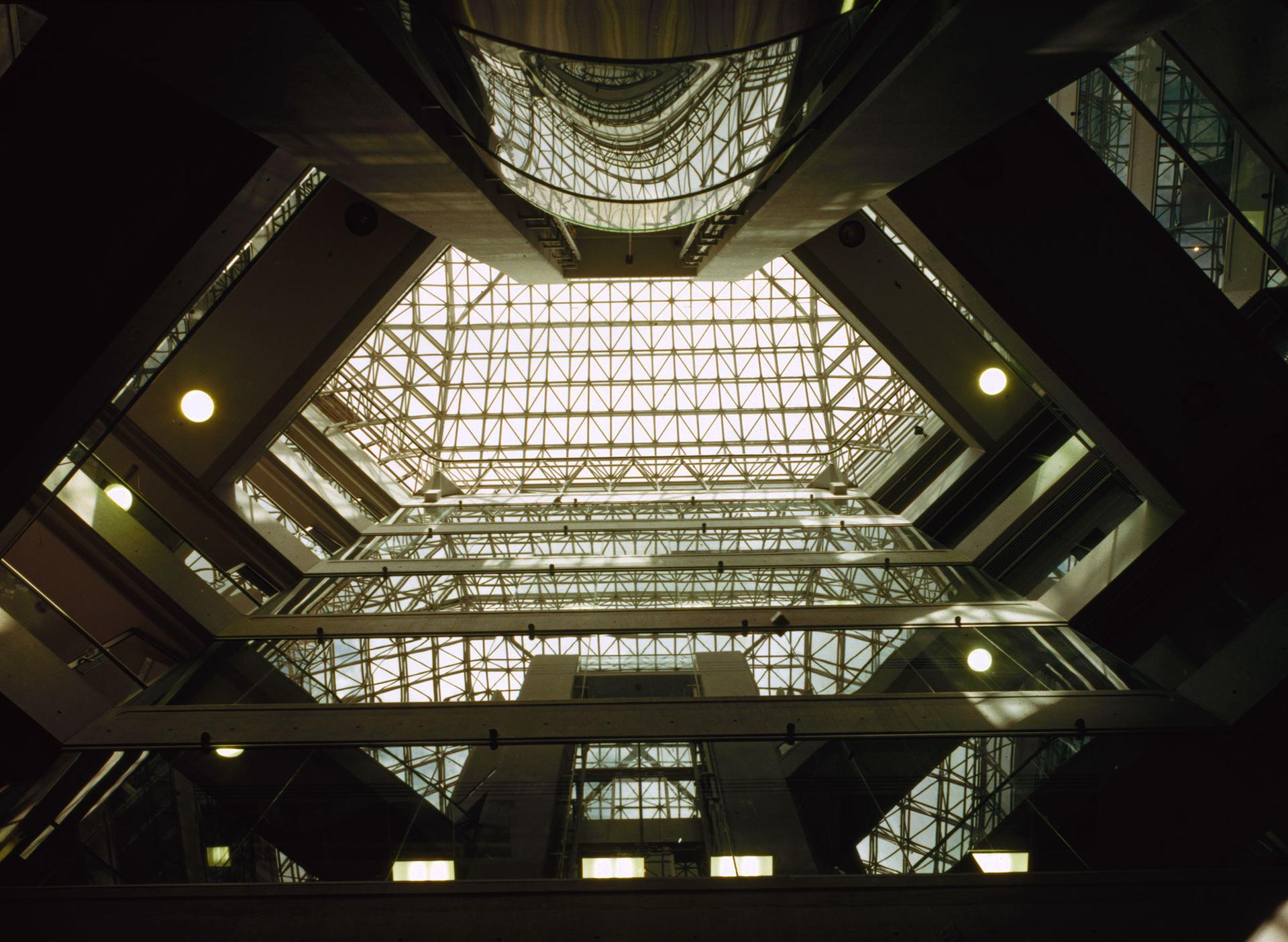
MF How did you technically approach Octagon’s Twin, and what role do you hope it will play in building a deeper appreciation of Andrews’ achievements and legacy?
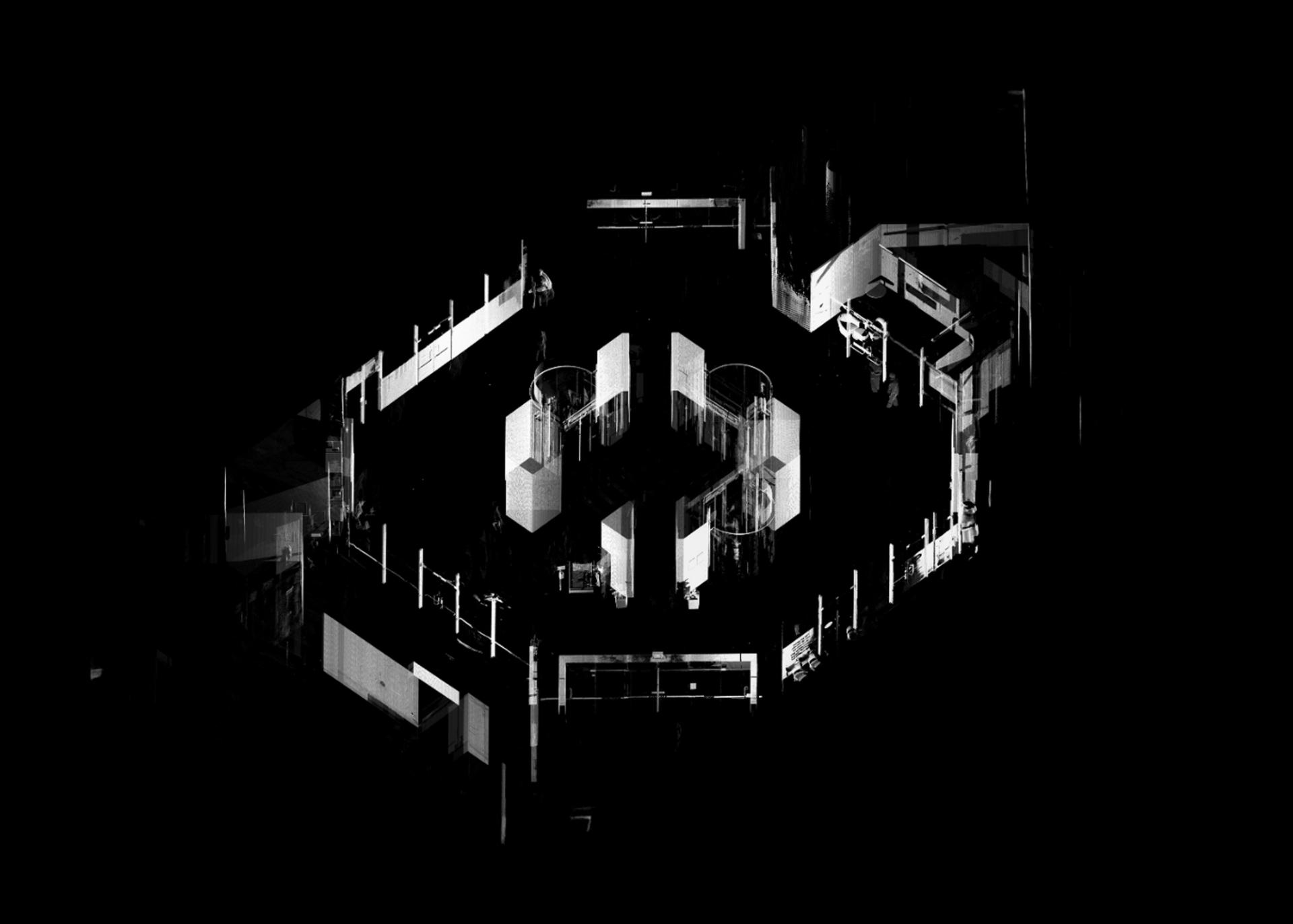
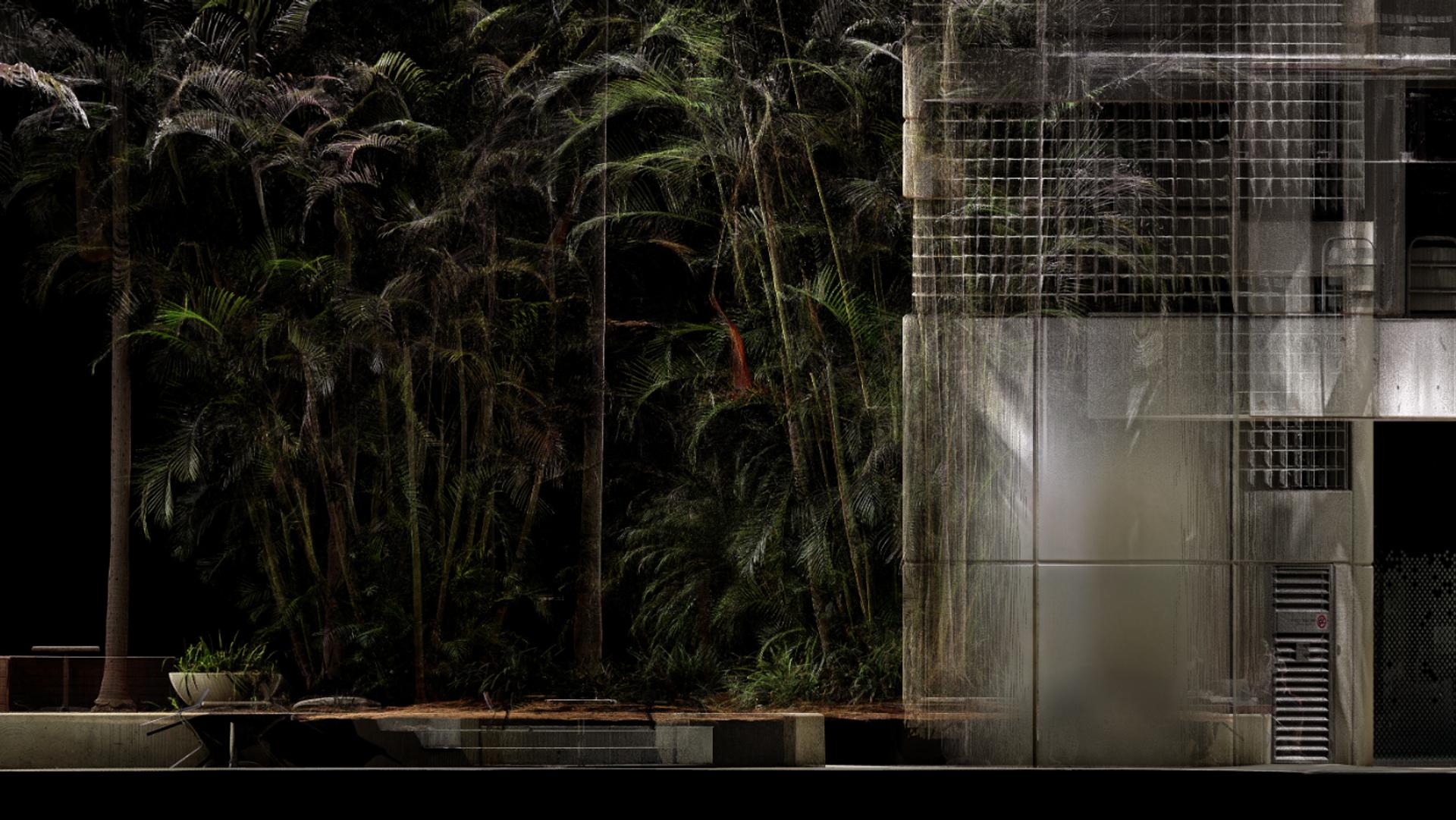
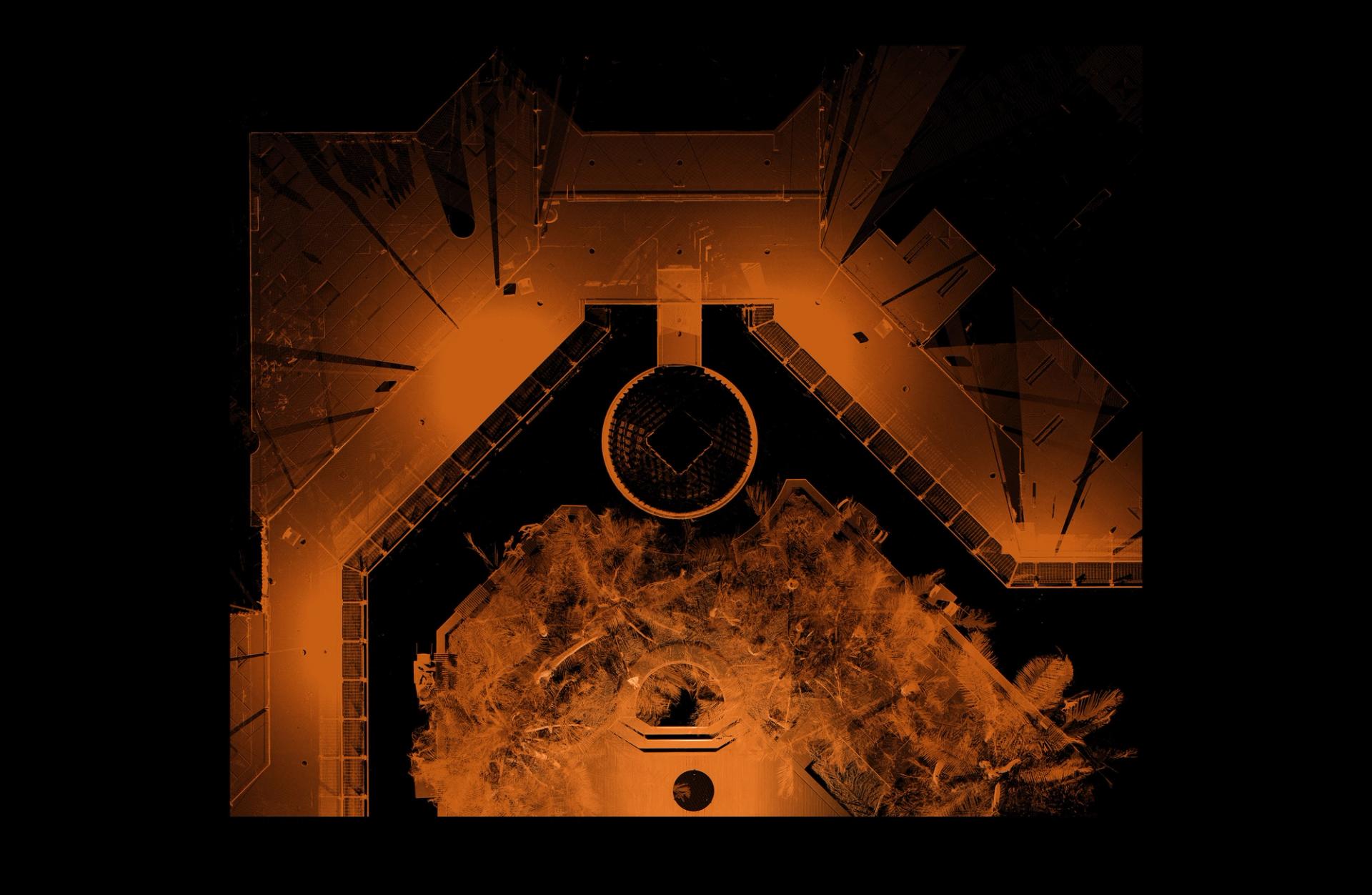
BW We approach digital heritage as architects interested in images, and for this project we wanted to begin with a critical lens on the notion of ‘the digital twin’. While LiDAR allows us to scan everything, doing so isn’t always technically useful or culturally suitable. Instead, we see the LiDAR machine as a tool that offers incredible hybridity – it produces a drawing, a photograph and a model all at once, creating a new kind of documentary medium. Much like a camera, it requires a curatorial approach to thoughtfully shape the images and data it produces.
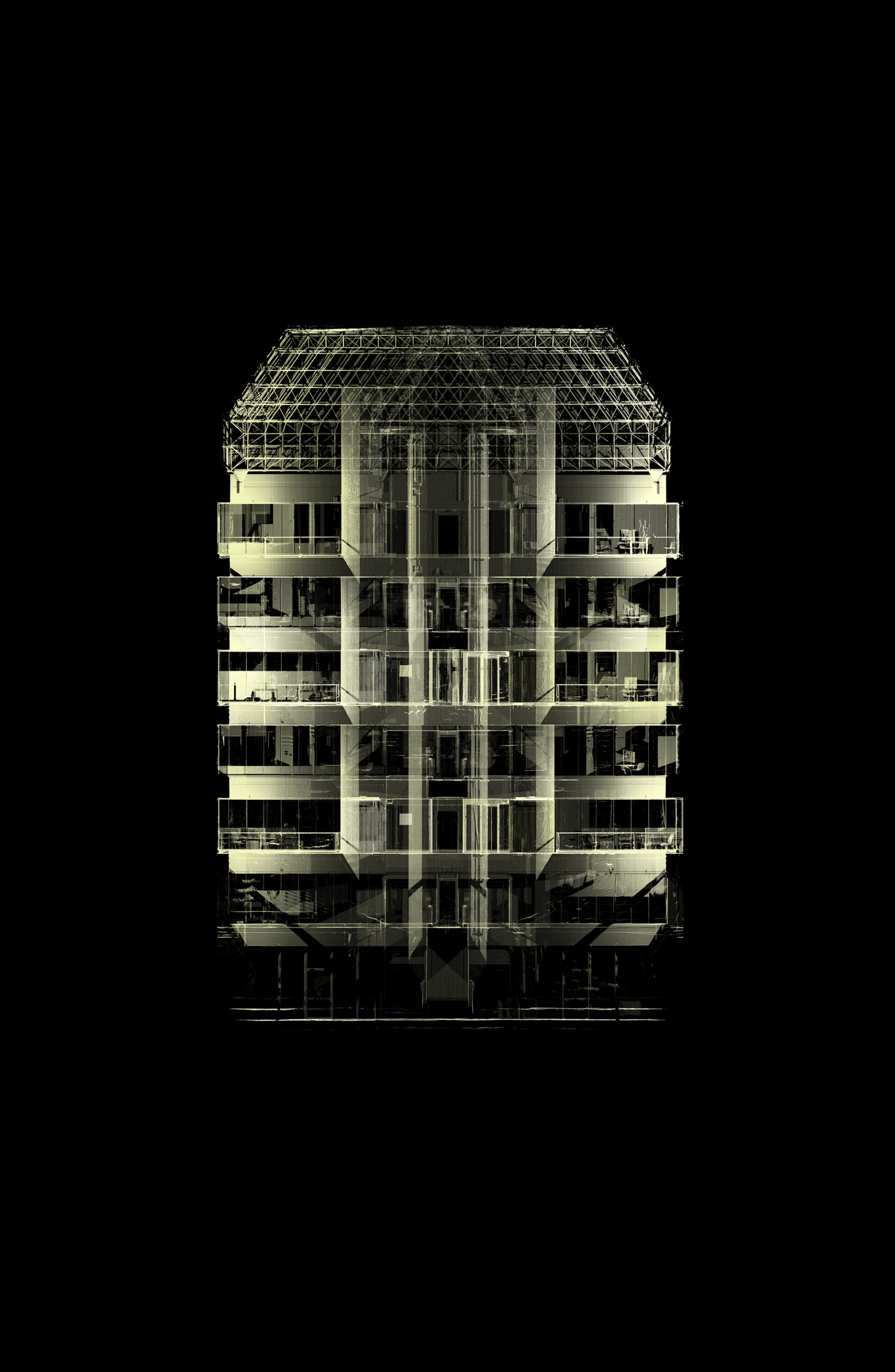
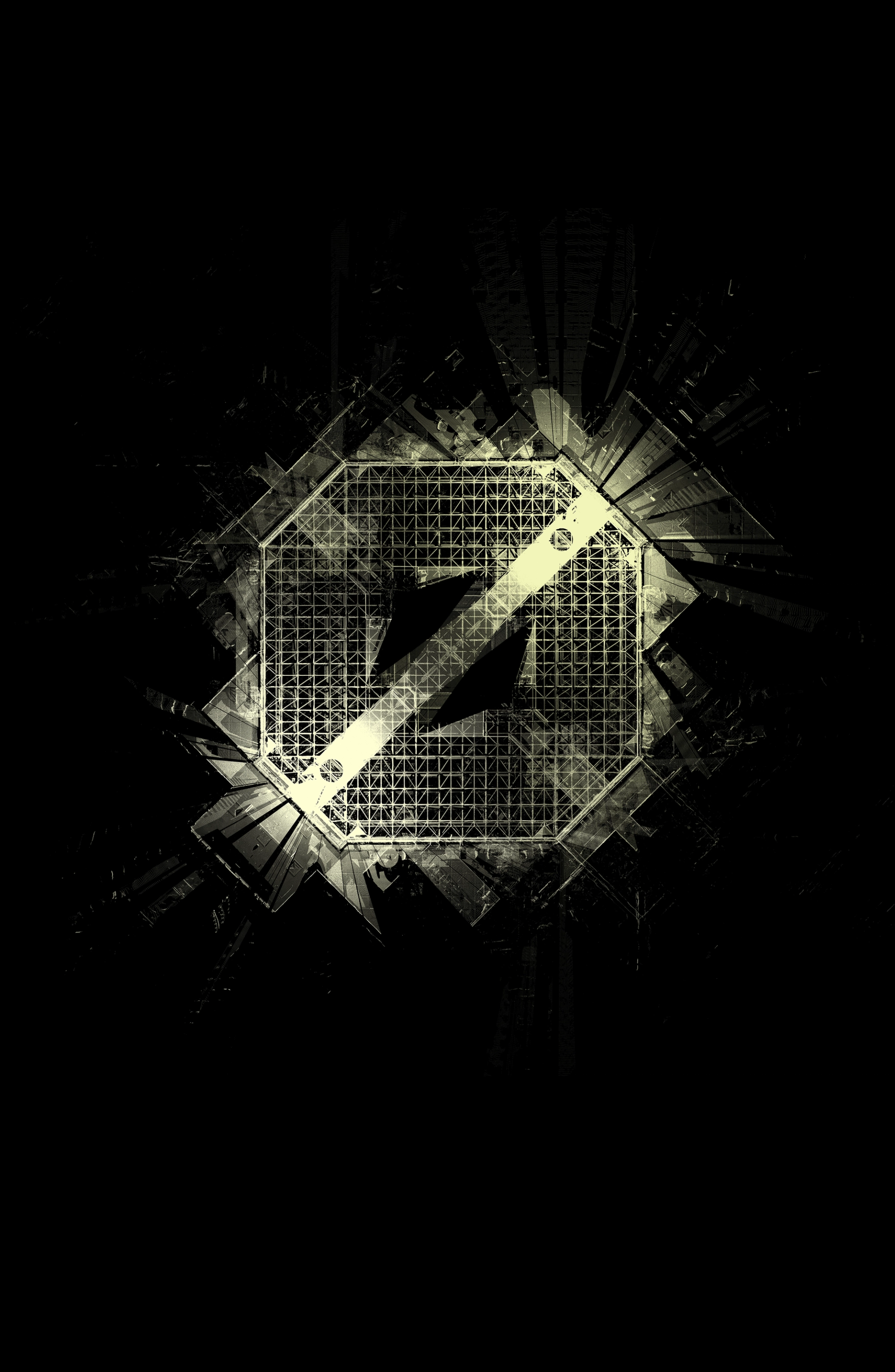
For this project, we used insights gained from researching Andrews’ archive to guide our selection of spaces to scan. As architects, we sought to emphasise key areas that resonate with the building’s architectural intent and lived experience. Using the data generated by the scanning process, we started by exploring the scans and produced images and models that drew from typical architectural projections – sections, plans and reflected ceiling plans. We then developed what we call ‘activated drawings’. These are sectional and plan views of spaces presented as slow animations, extending beyond typical architectural representations, drawing the viewer into the spaces. These outputs echo the drawings from Andrews’ office in the archive, offering a post-occupancy representation of the project.
By focusing on these curated moments, we hope to create a digital heritage piece that not only preserves The Octagon’s inherent qualities but also its atmosphere, helping future audiences connect with the design philosophy that defines John Andrews’ legacy.
Related



About
Powerhouse Photography
An ongoing series of programs, commissions, acquisitions, publications, learning and research activities dedicated to the promotion and development of photography in Australia.
Architectural Photography Commission
A unique opportunity for Australian Architectural photographers and lens-based practitioners to undertake a major architectural photography commission.