Generations in Service

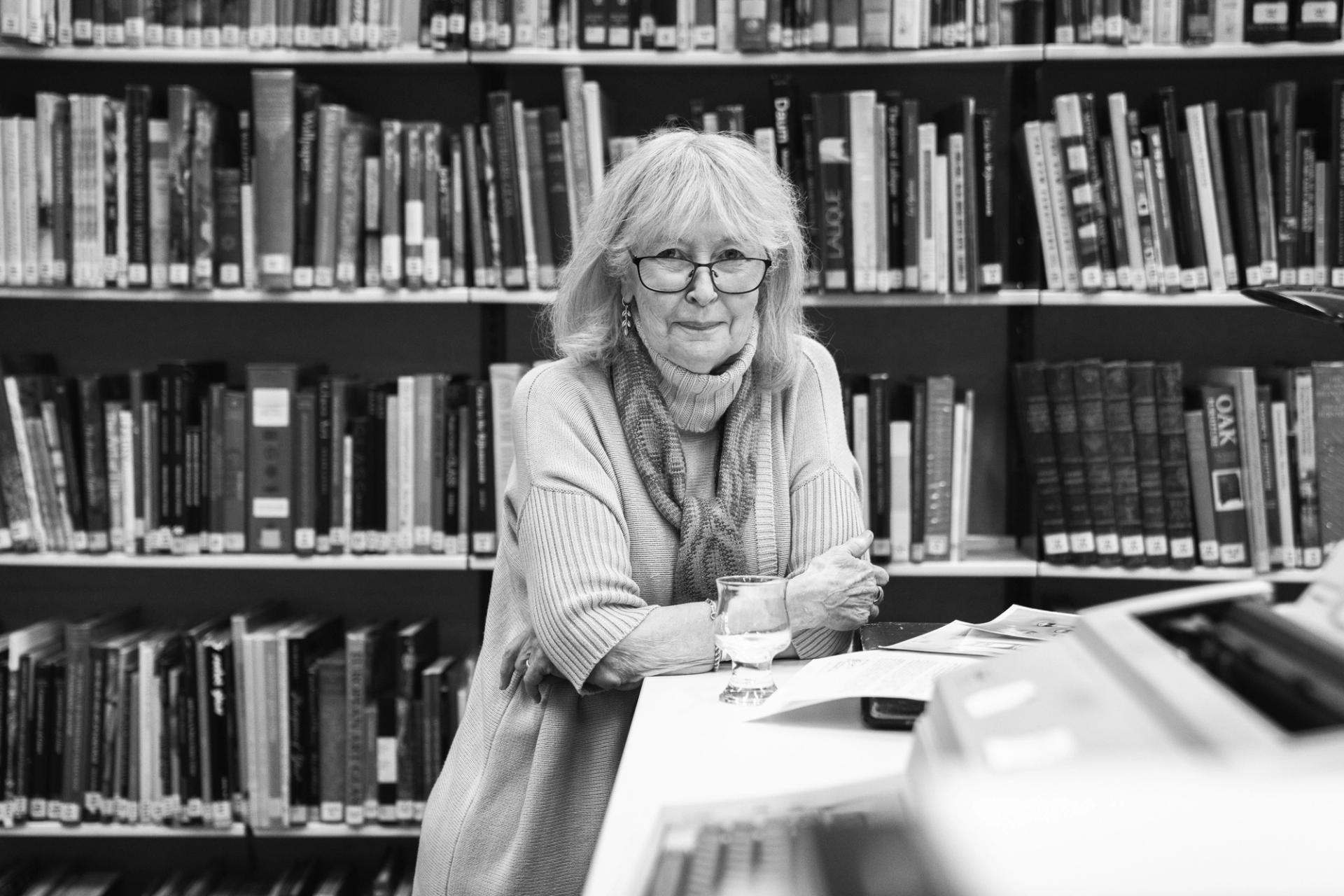
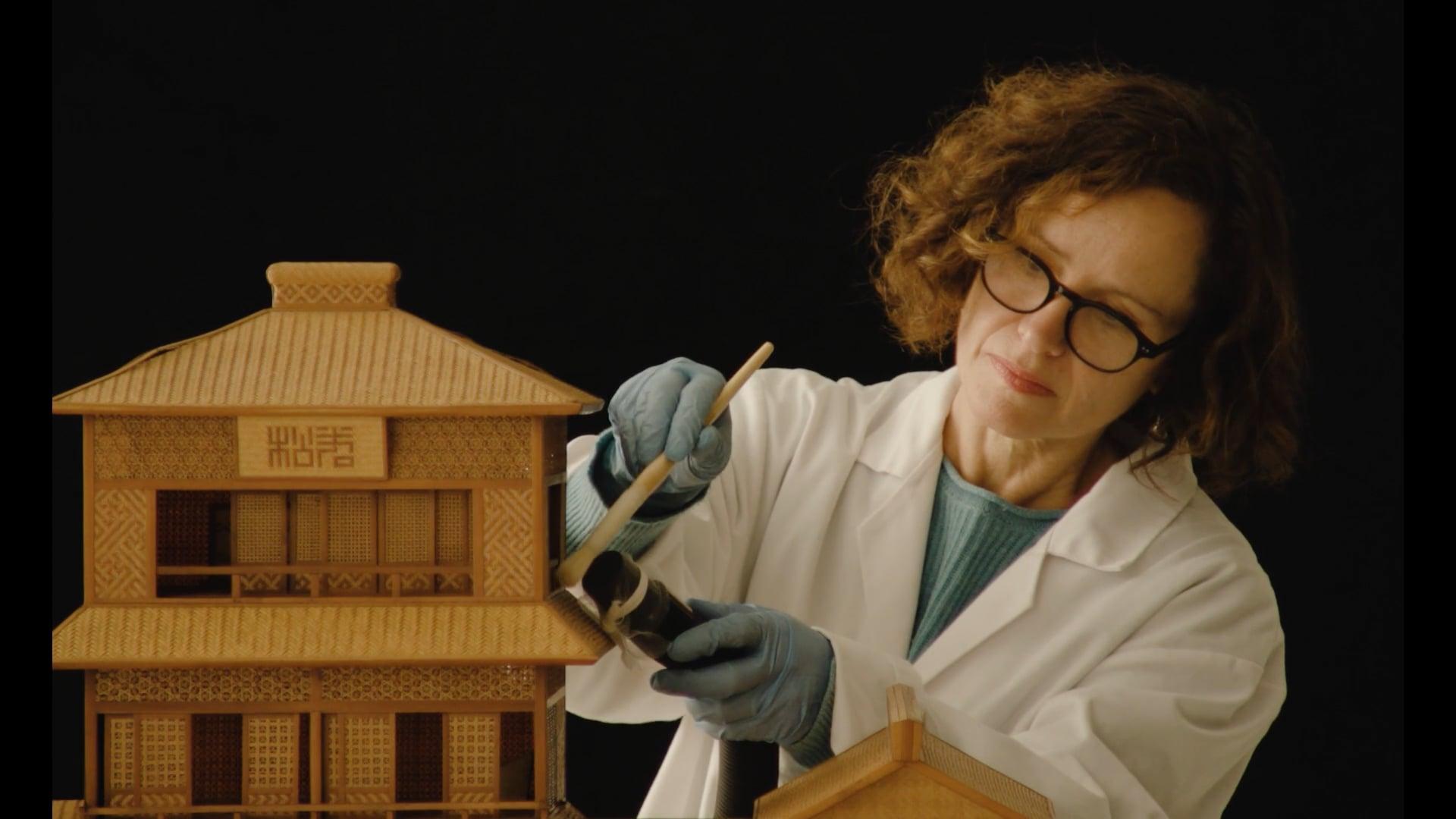
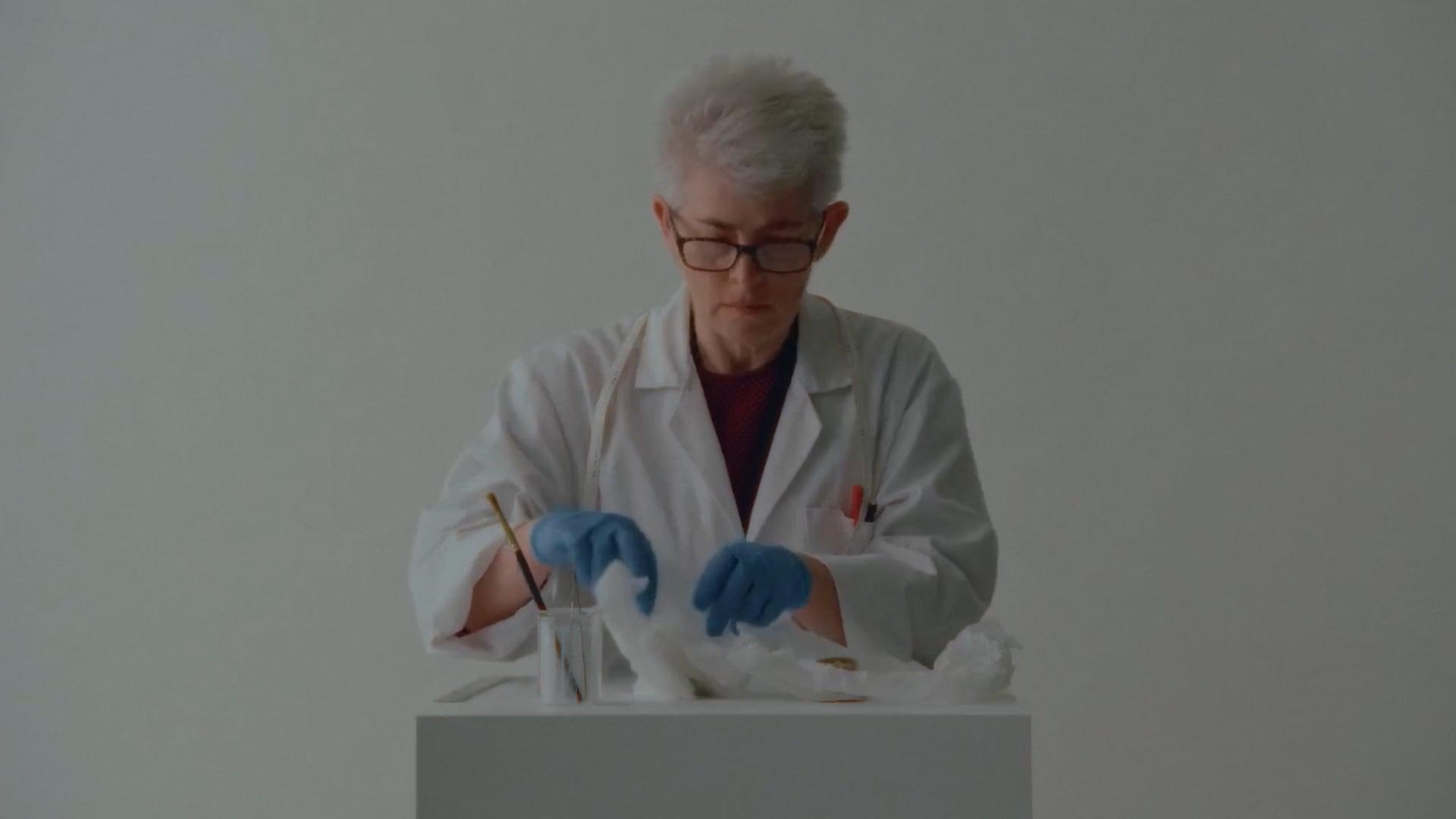
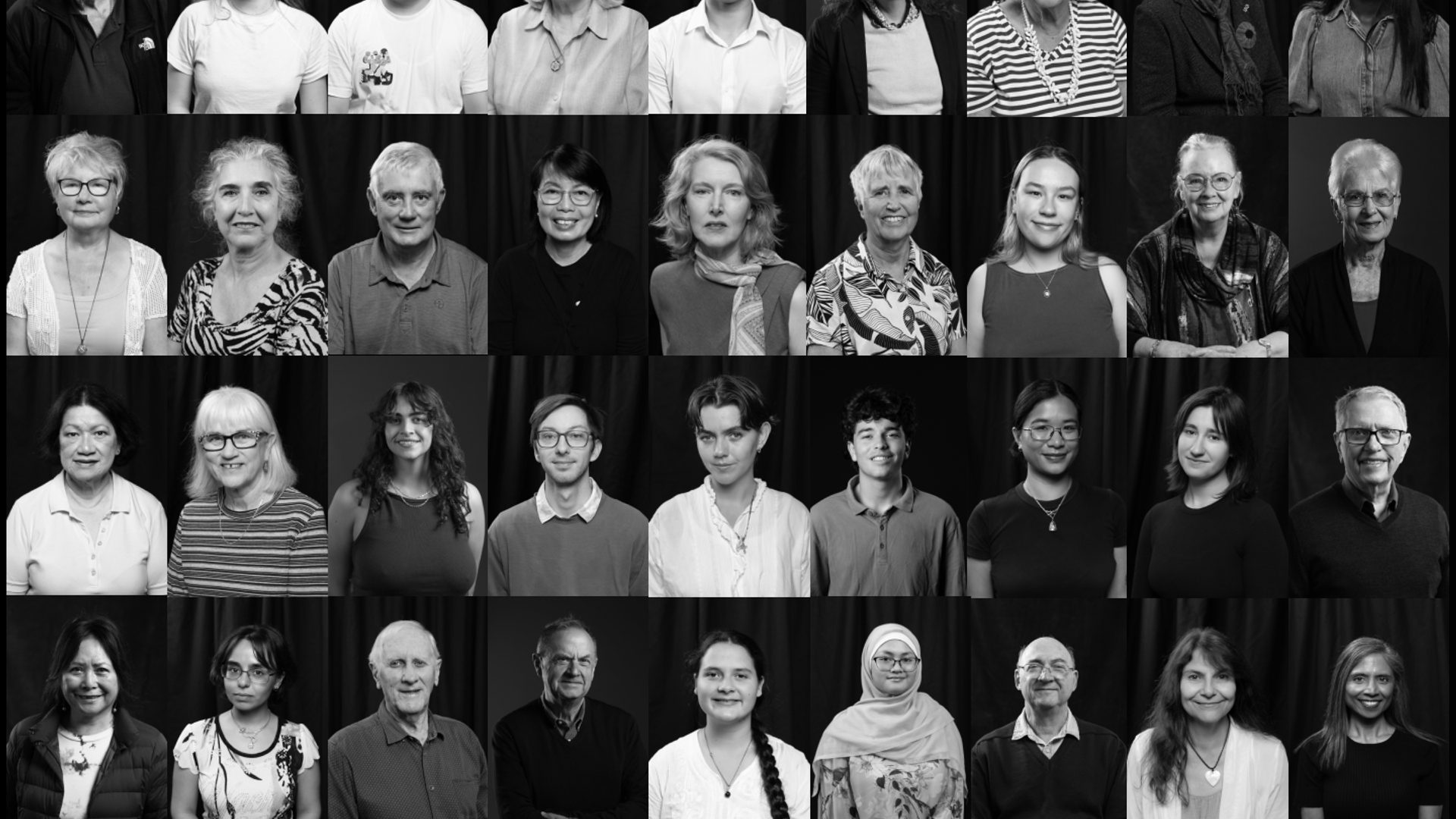
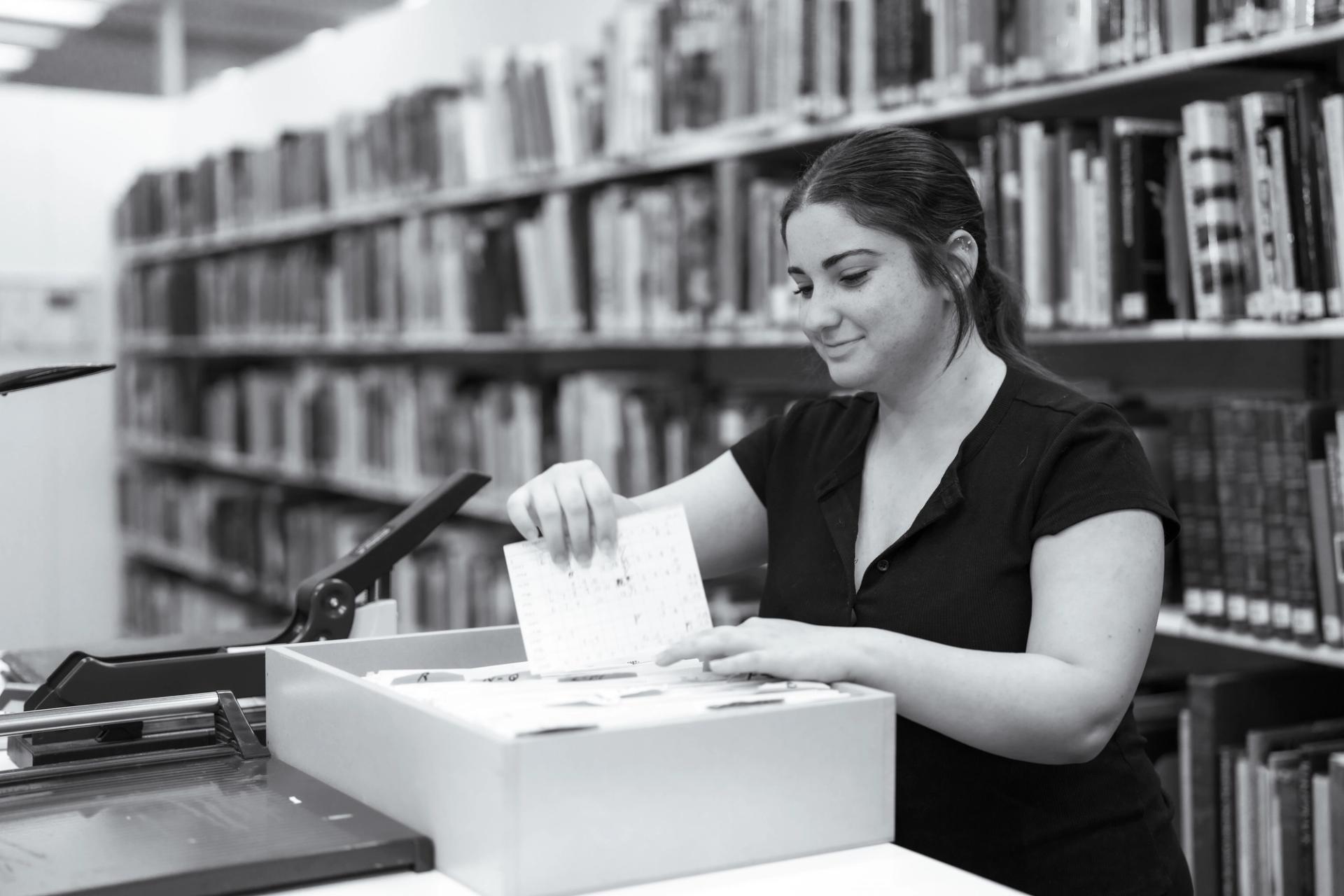
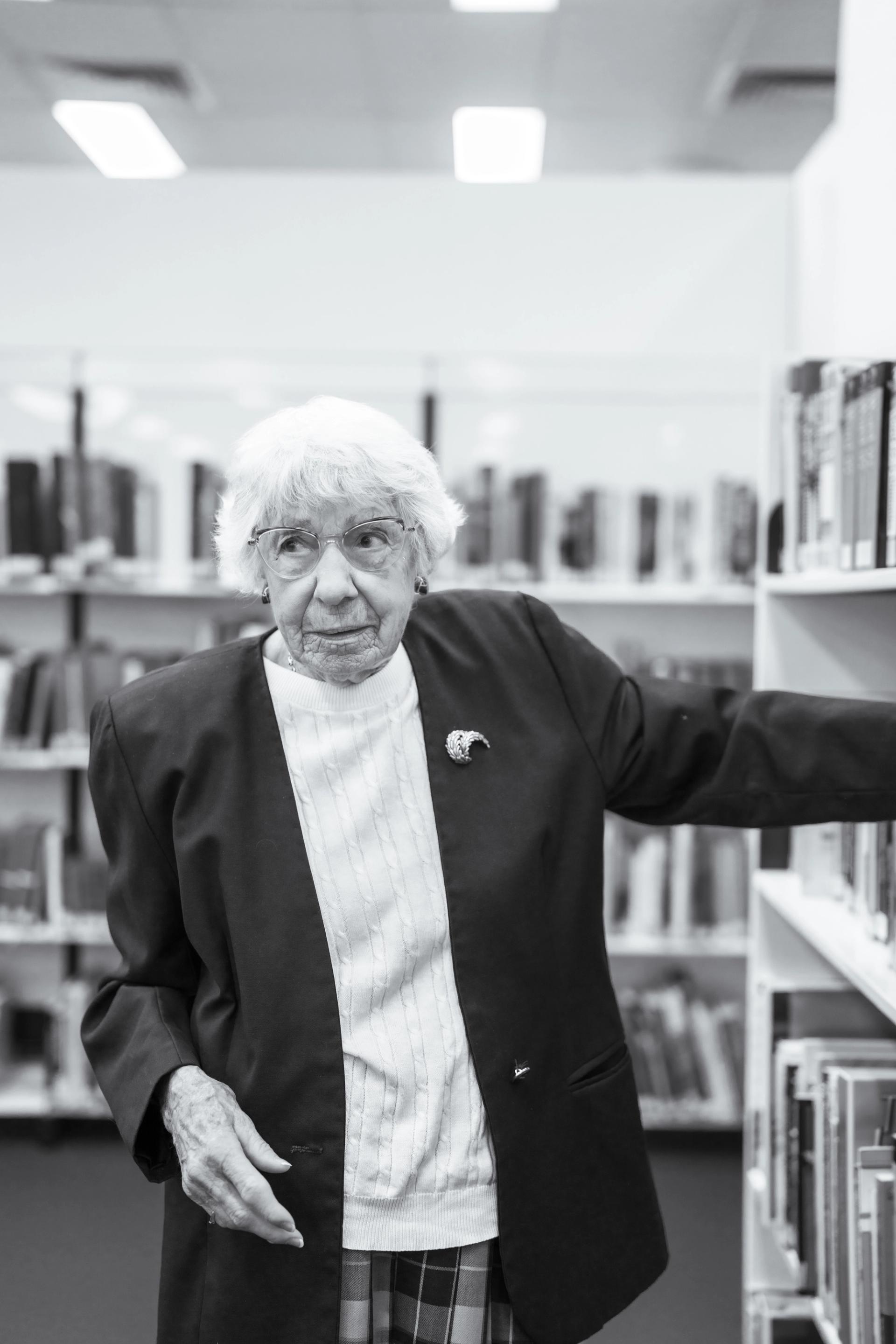
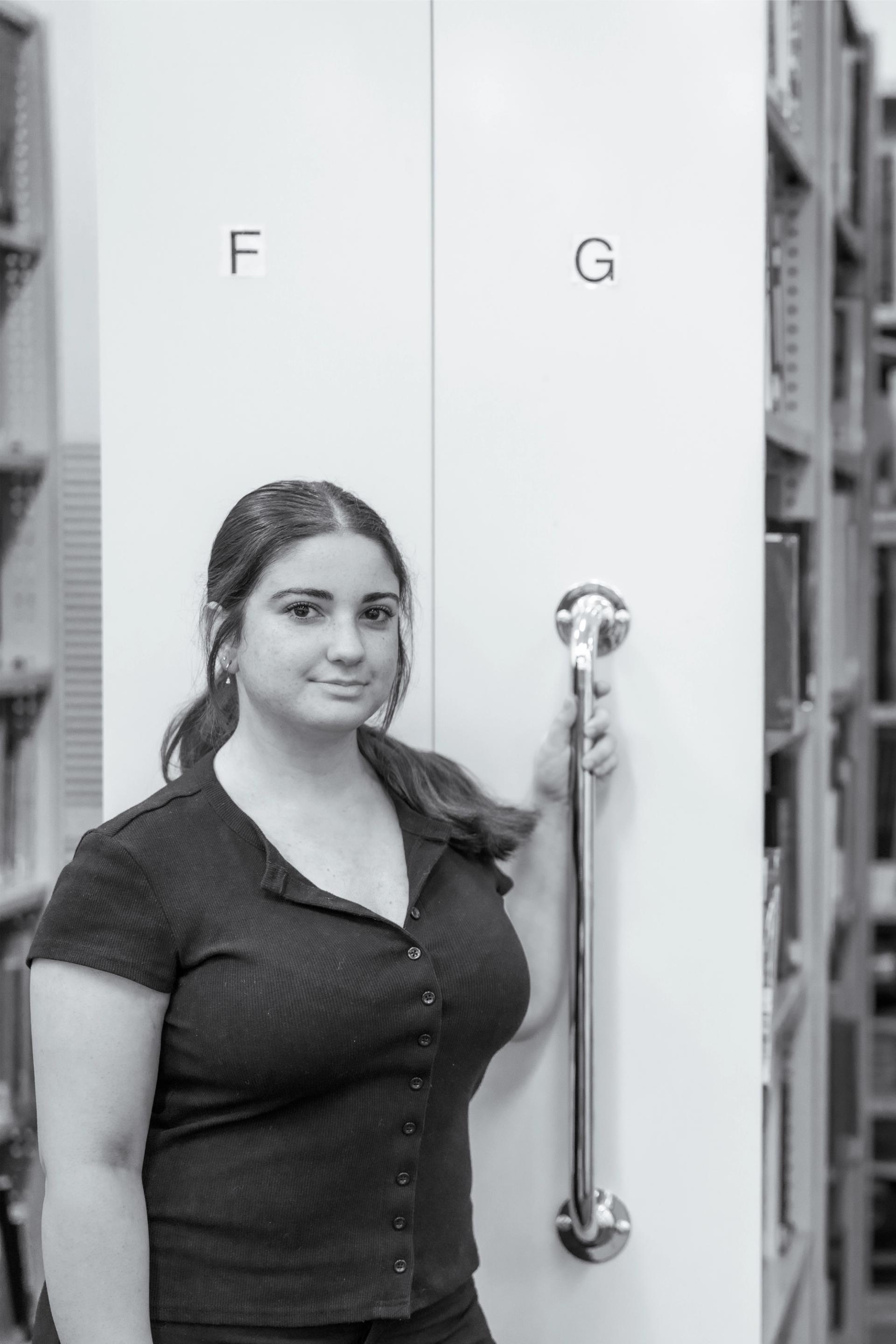
Nearly 8 decades separate Powerhouse Volunteers Meg Stevenson and Lara Temel but they are united by something timeless: a strong work ethic and a deep commitment to the value of volunteering.
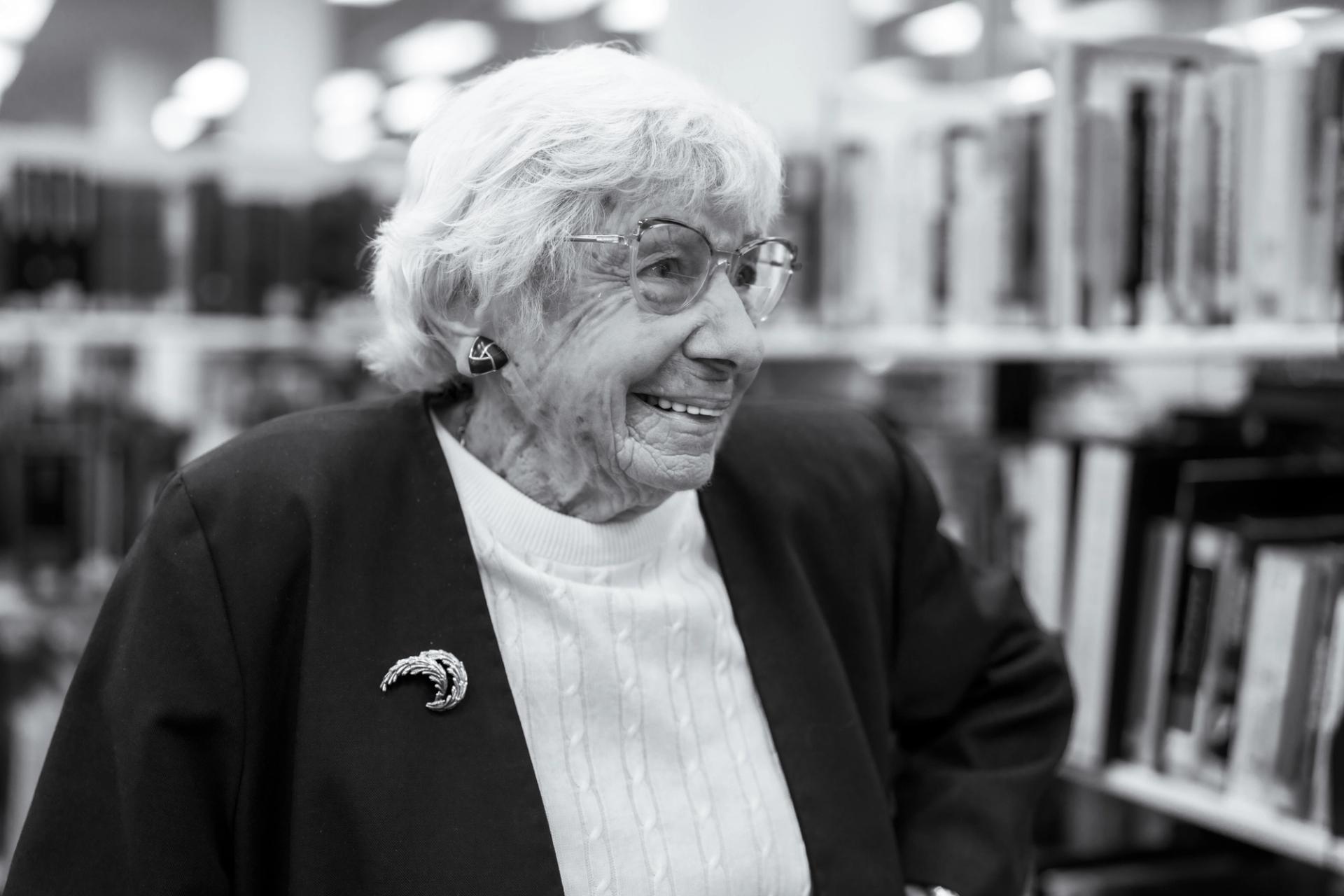
Meg is 99, the oldest of our volunteers and Lara is 17 and the youngest of our volunteers. Meg and Lara sat down with Jem Newlyn from the Powerhouse Volunteers Team to discuss their contributions to Powerhouse, examine how the role of cultural institutions has evolved over time and reflect on how they have developed a sense of identity within this community.
Transcript
Jem Newlyn When did you become an intern or volunteer at Powerhouse?
Meg Stevenson A long time ago. It’s got to be 30 years or so.
Lara Temel I became an intern in January 2025.
JN Why did you become an intern or volunteer?
MS A friend and I were playing golf, and both our husbands were about to retire. We decided to find them something to do, and by volunteering, we would be sowing the seed. My husband went to the Maritime Museum and I came to the Powerhouse. I’d worked as a physiotherapist for 40-odd years and thought a new direction would be a good idea. But when you get involved you realise you can be useful. It’s my retirement job, which I really enjoy.
LT Lucky for me, my school’s careers counsellor gave me the opportunity after she heard that I was looking for work again after quitting my old job. She believed that with my interest in business, this traineeship would be good for me career-wise, but also for school. I have a really deep passion for history, and I also think that this is a very unique opportunity given to people, especially people my age. I mean, you don’t really hear about teenagers working at museums in general.
JN Can you tell us about your early days at Powerhouse? What were you working on?
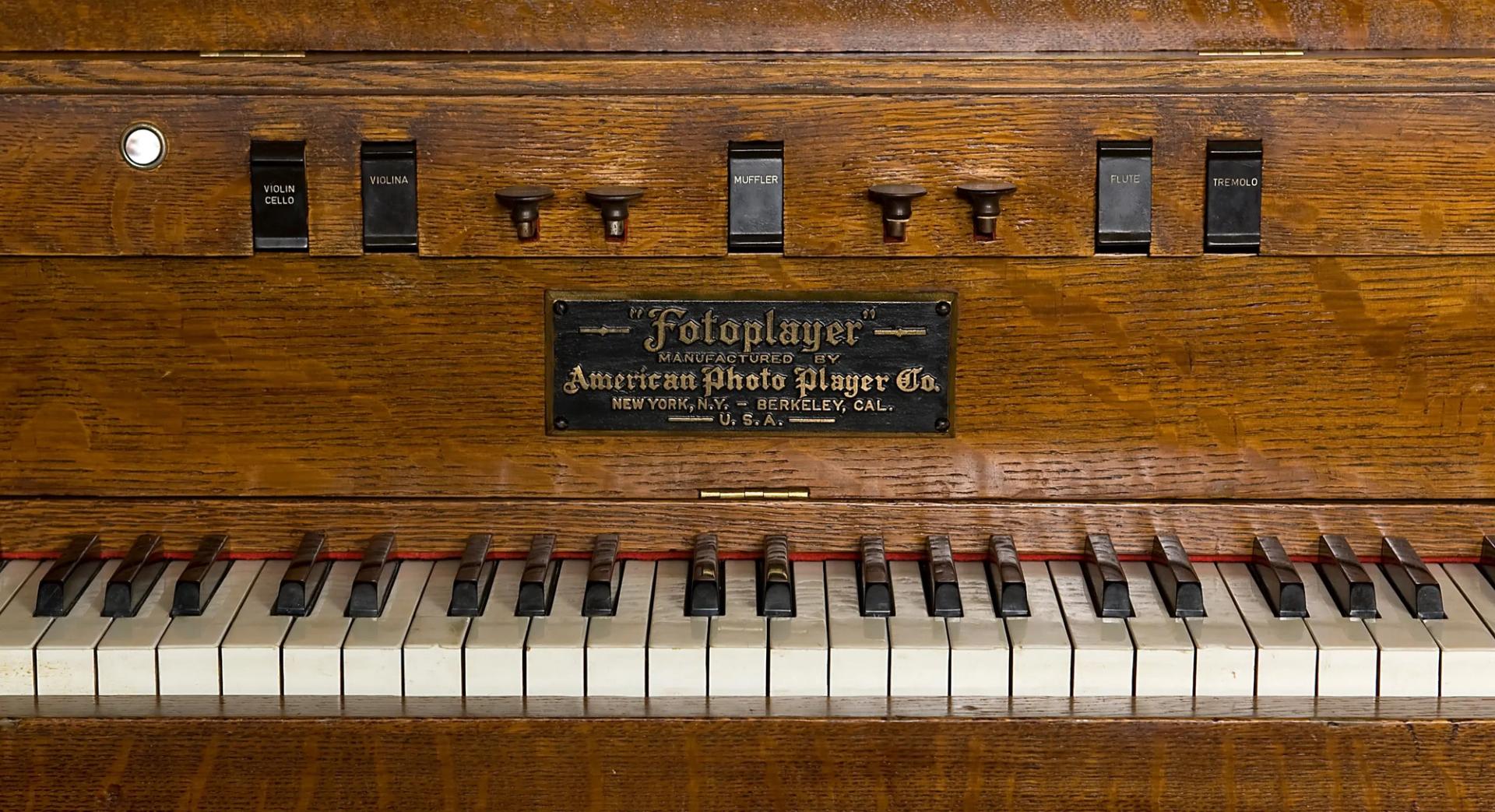
MS We did quite a lot of outreach, a lot of visiting places and promoting the museum, because people didn’t know the museum existed. I’ve been doing the Fotoplayer demonstrations ever since I was here. Every week I was in, I’d have a few rolls and we’d just play it.
In the early days of silent motion pictures, many picture theatres had special ‘player pianos’, such as the Fotoplayer, to reproduce music mechanically from piano rolls. The background music was meant to accentuate the mood of the film. Meg started her time at Powerhouse with demonstrations on the Fotoplayer.
We’d get people dancing around the place, which is a bit funny, very stimulating. But we were just demonstrating its possibilities as a form of entertainment.
LT I was with Powerhouse Food programs. They had me work on a couple of slideshows and look at the Food Producers programs. I did a lot of research on the producers we were looking at. It was pretty amazing.
JN Can you talk about the sense of community that you found at Powerhouse?
MS When I started, I was working Monday, Wednesday and Friday as a physiotherapist. On Tuesday, I played golf. And Thursday I came to the museum. I think most people have the same basic reasons for volunteering. They want to do something interesting and stay stimulated beyond their paid employment. It’s nice to come in once a week to be with people from different areas, who have different interests. You find community in your difference.
LT In general, I think the sense of community is very strong. I feel like each of the departments is kind of like a little family, which is pretty amazing. I think that everyone’s close with each other and it’s really evident that everyone has strong bonds with each other over what they are working on together.
JN What have you learnt during your time at Powerhouse?
MS Probably that people from all different walks of life can work very well together. We’re all virtually outsiders, but you come here on an equal footing.
LT My facilities supervisor gave me a lot of good advice on personal things happening in my life, but also work in general. She was able to support me; she told me that working in different places will always give you different results, and it’s important to keep an open mind to other areas because you never know what experiences and opportunities you’ll be given. She made me a lot happier to be where I am right now. I think Powerhouse is a much different workplace than anything else I’ve experienced – though I’m a teenager, so it’s not like I’ve experienced a big workplace before!
JN What makes you excited for the future of Powerhouse?
MS I think Powerhouse experimenting with what a cultural institution does, trying new things and seeing if they work, that’s exciting. There’s a need to challenge the way museums work, to create programs that interest new crowds of people.
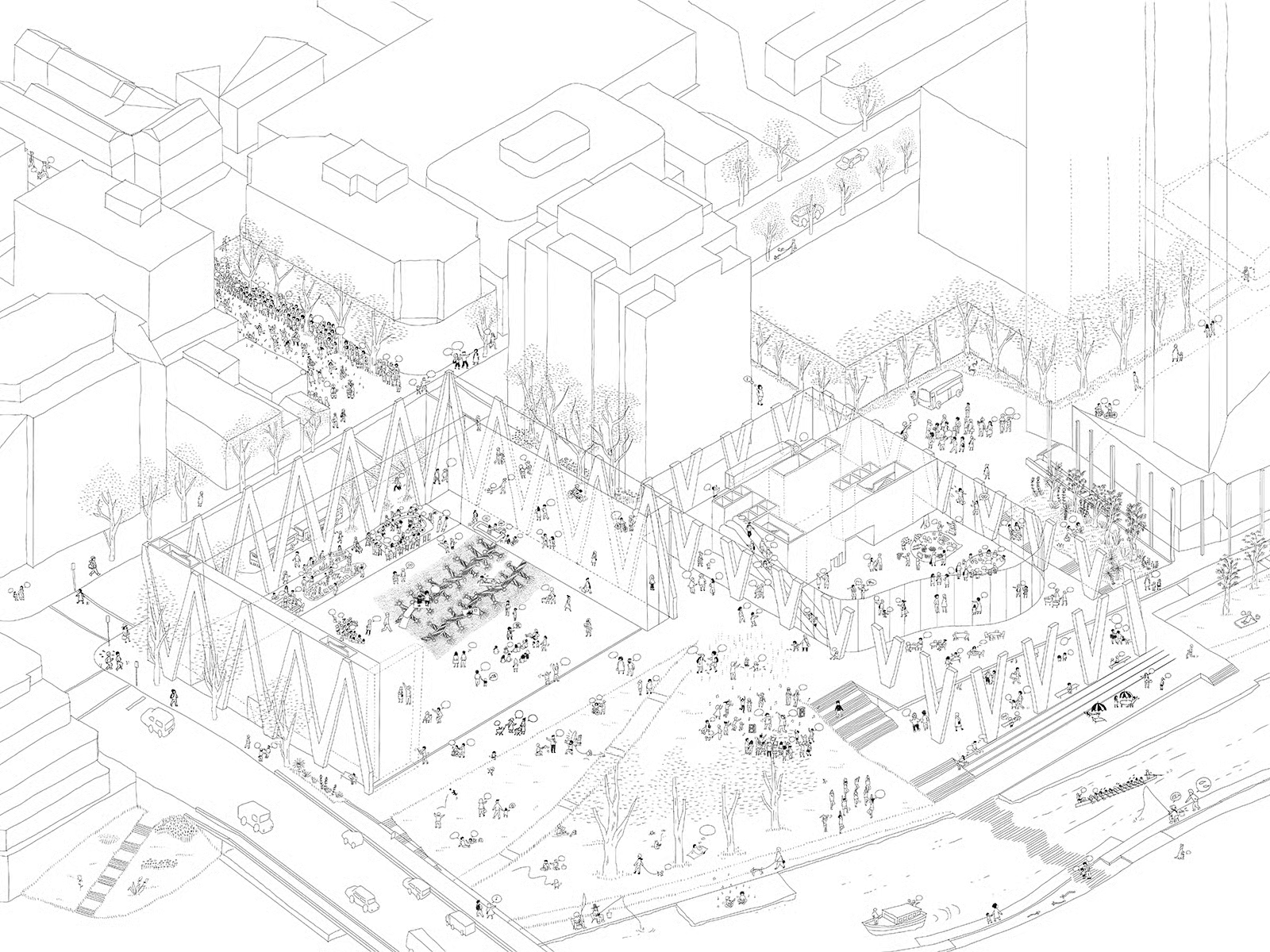
LT Everything to do with Powerhouse Parramatta opening! I think it will expand Powerhouse in general, modernise it, and give it publicity in Western Sydney, which I’m really excited for. There is some really cool stuff in the works.
JN Lara, as someone who grew up in Western Sydney, what do you think about Powerhouse Parramatta being based there?
LT I think that’s pretty amazing. I know that there’s so many things that people my age are restricted from doing because we live far away from the city and the Eastern Suburbs. Having Powerhouse Parramatta here will give us so many more opportunities to explore what things we might like, learn a lot more, be inspired.
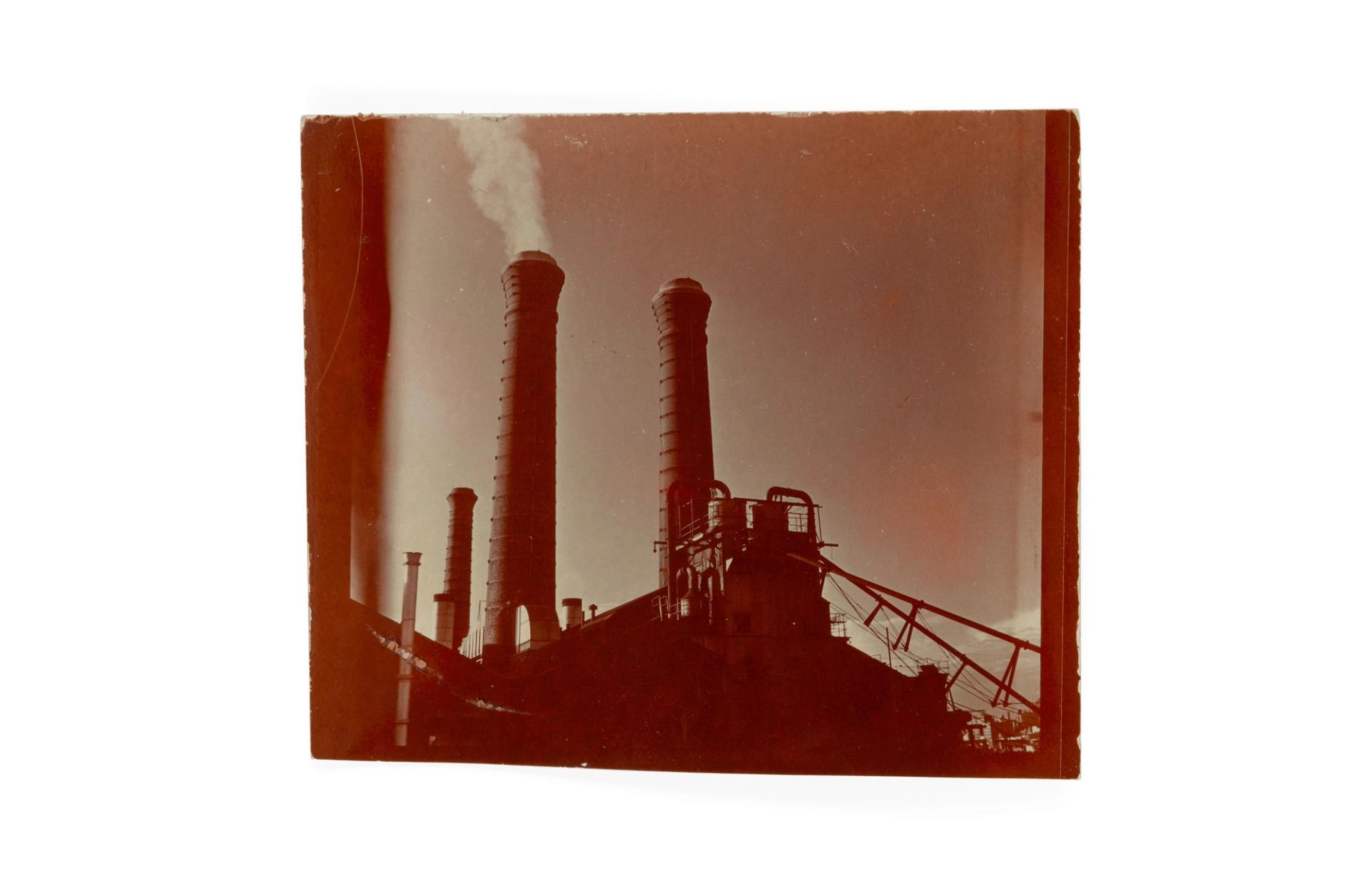
We came to Chinatown recently for an excursion. It was a pretty big trek. A lot of people fell asleep on the way back to school. I went, ‘Oh, Chinatown – I have to go there for work.’ I literally pointed at the museum; I was like, so proud.
JN What is your favourite object from the Powerhouse Collection (opens in new tab)?
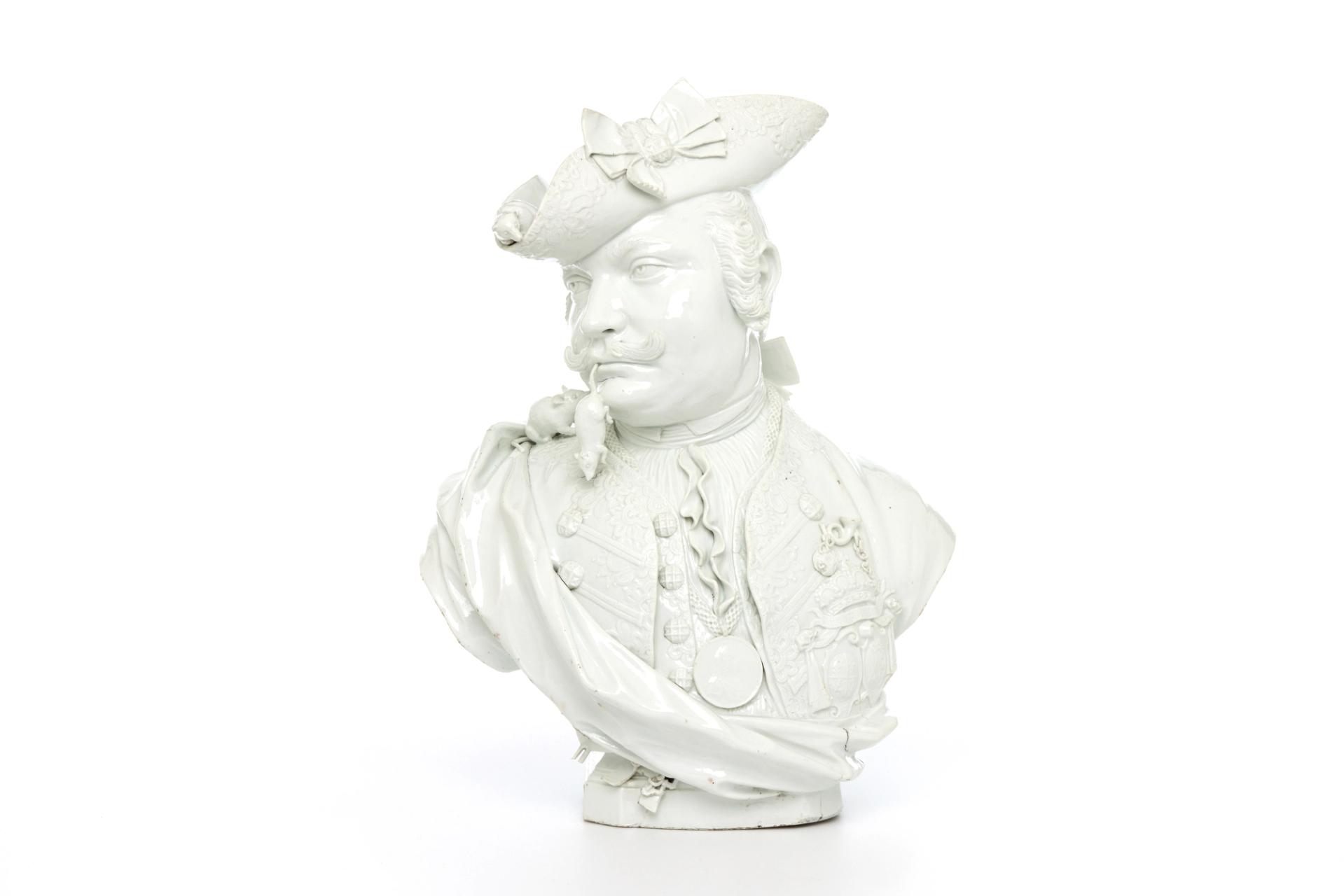
MS I love the porcelain ‘Baron’ Schmiedel bust made in Meissen, Germany, about 1739. It’s a piece of much historical worth, acquired by the Museum in 1951. How it came to be in Australia is a mystery, one that will probably never be solved. Your mind goes on lovely tangents about how it came here. It’s incredible that it has survived.
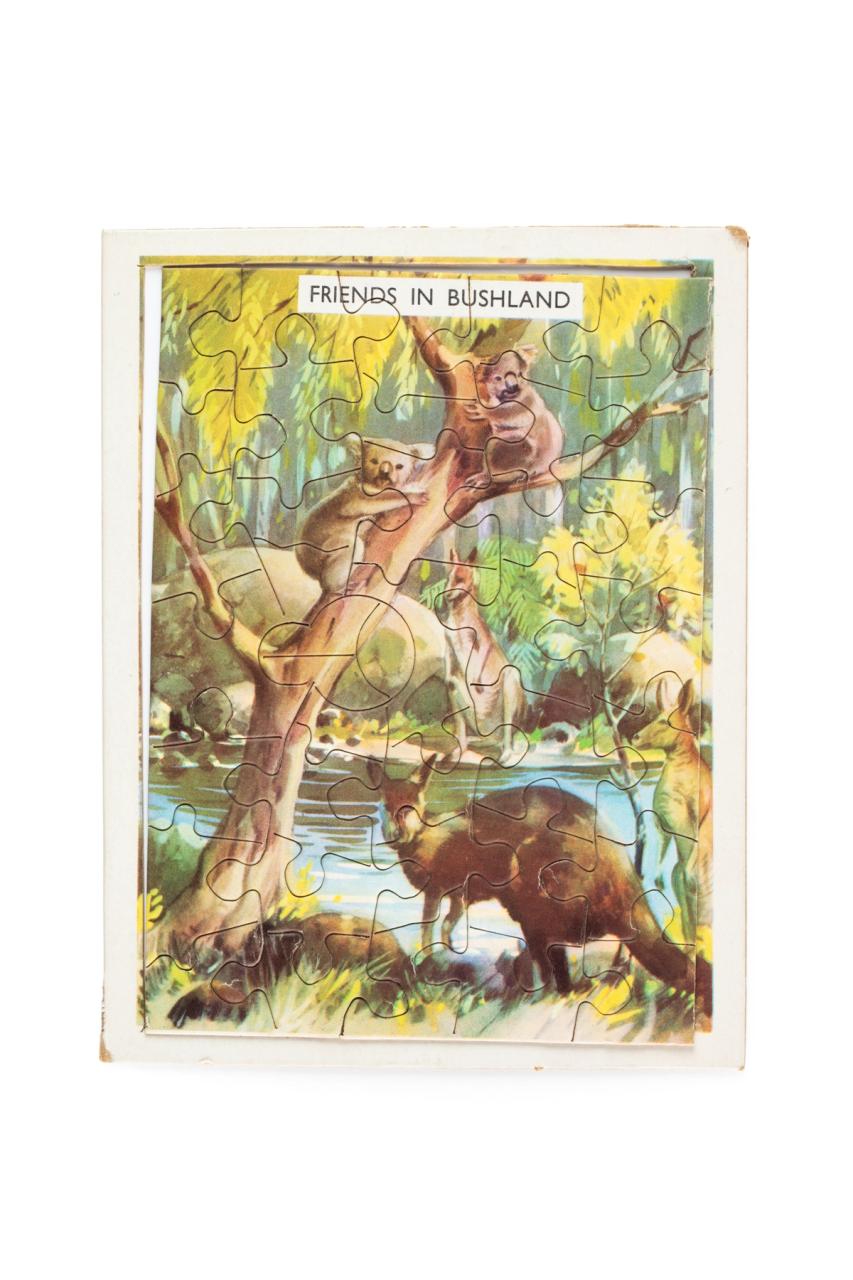
LT My favourite object is the jigsaw puzzle pieces and frame. My mother loves animals, especially Australian native animals. We used to finish puzzles together when I was in primary school and would spend days completing them. This object just reminds me of the fun times my mother and I shared together.
JN What does it mean to you to be part of the Powerhouse Volunteer team?
MS The motivations are different. Volunteers have different backgrounds, so they bring in different attitudes to things. People want to feel they’re doing something worthwhile on the earth, doing their little bit.
LT I think it means to learn new things and deliver to the community. It’s very important for me to learn how I can interact and collaborate with the community, rather than this just being an experience for me to put on my resume.
Meg and Lara show how volunteering at Powerhouse brings generations together, through sharing knowledge and learning from others. Their contributions help shape a community that spans decades and inspires the future of Powerhouse.