Denise Larcombe’s Five Decades of Glass and Giving

Since 1982, celebrated Australian glass designer Denise Larcombe has contributed to Powerhouse life in a variety of important roles – for nearly half that time as a weaver and Powerhouse Volunteer.
‘I’ve been busy my whole life. I think I had seven weeks off when my daughter was born. I learnt to weave so I’d have something to do when I stopped. That was my life: my craft. Coming here, I needed something creative.’
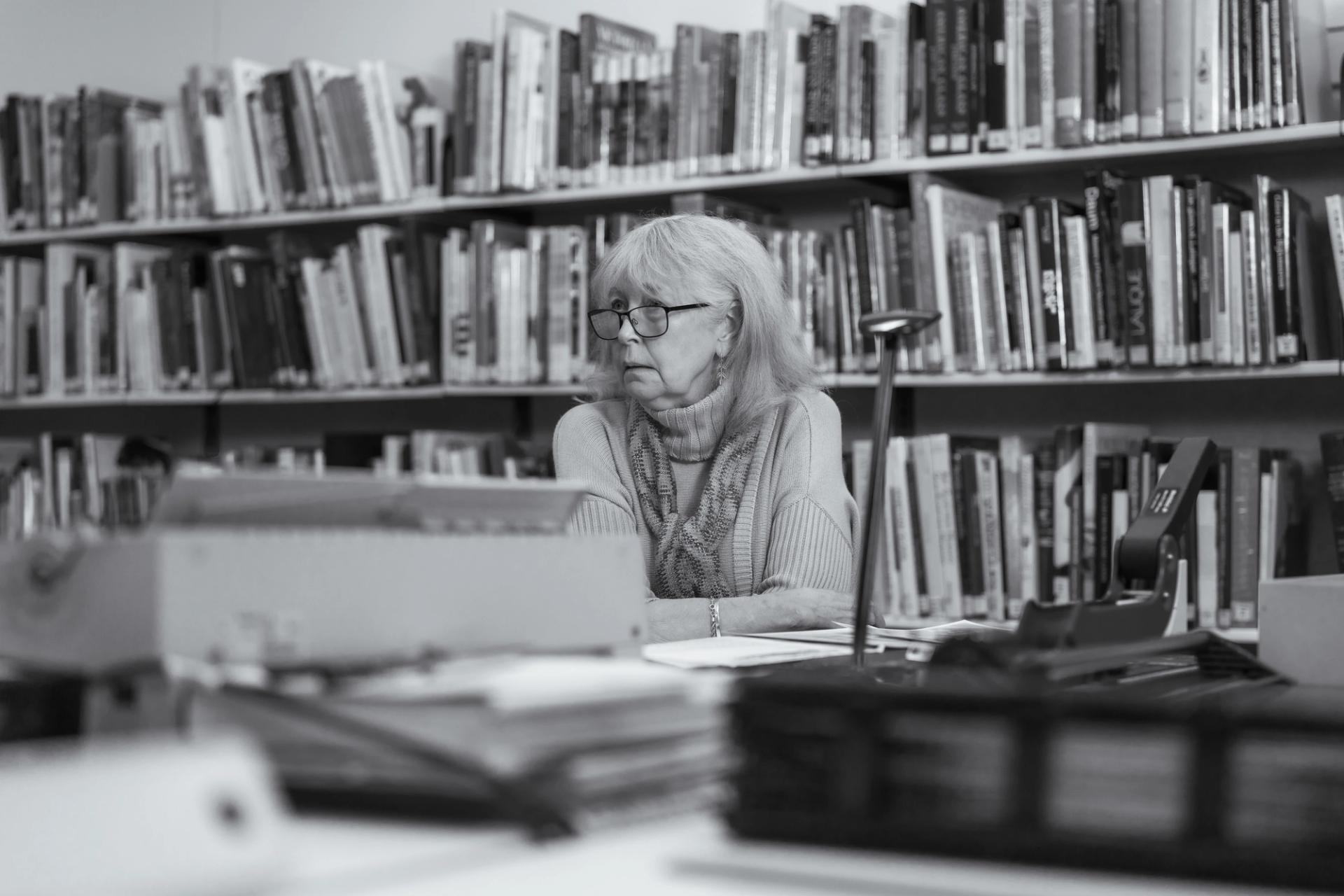
For almost 45 years, Denise Larcombe has contributed to Powerhouse with activities spanning curatorial research, acquisitions and education, and for nearly 20 years as an official Powerhouse Volunteer. Until 2007, she juggled these roles while also being a leading Australian industrial designer, working primarily in glass. ‘There was always a motivation to stay involved with Powerhouse,’ Larcombe recalls. ‘When I stopped work [as a designer in 2007], I wanted to contribute more.’
After graduating from the National Art School in 1961, Larcombe worked for a time in David Jones’ art department before joining Crown Crystal Glass in 1967, becoming one of only a handful of female industrial designers working in Australia. The Sydney company in Waterloo was the largest and most successful manufacturer of Australian domestic glassware in the last half of the 20th century, and its extensive collection, including Larcombe’s archive, is now part of the Powerhouse Collection (opens in new tab).
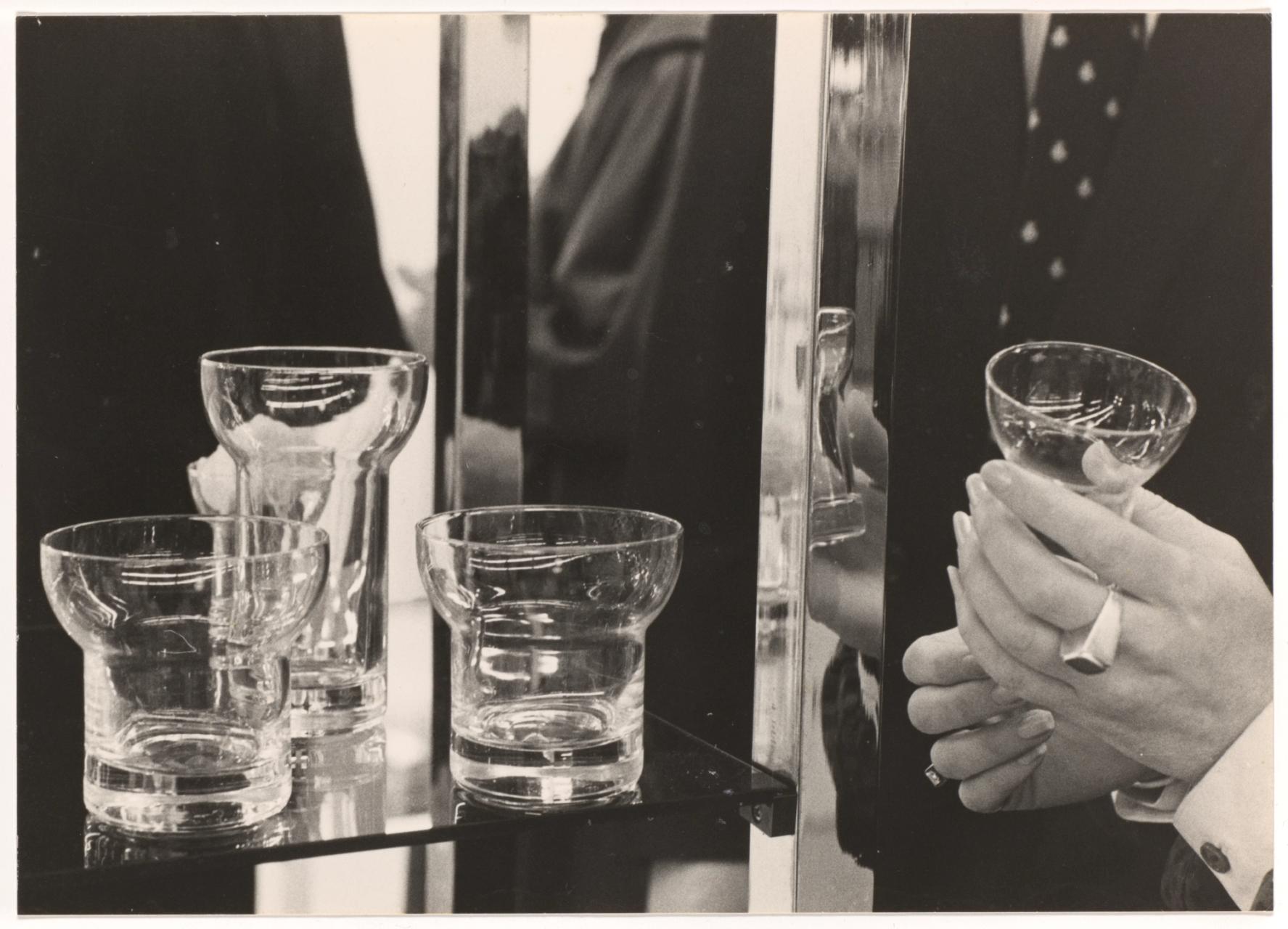
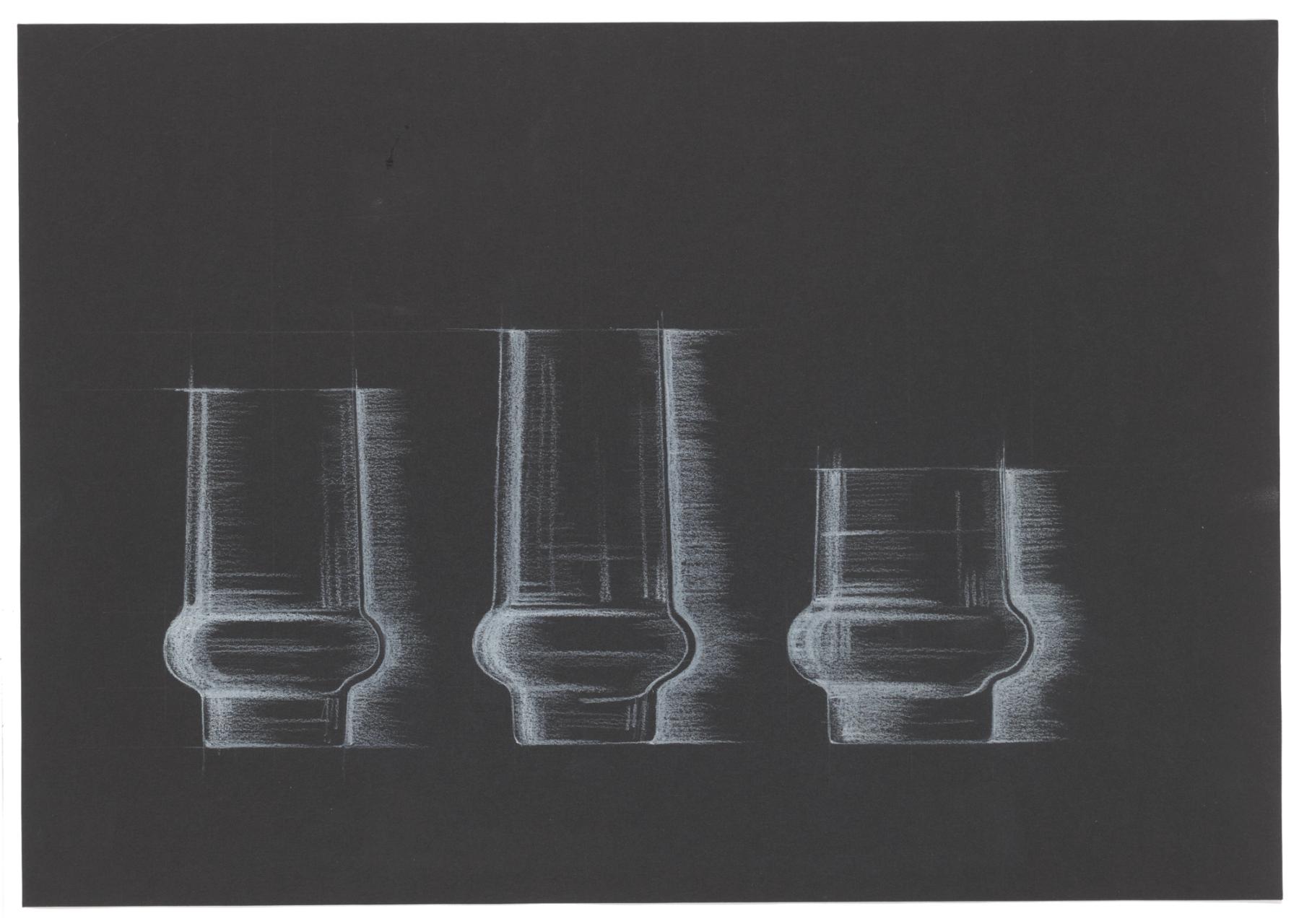
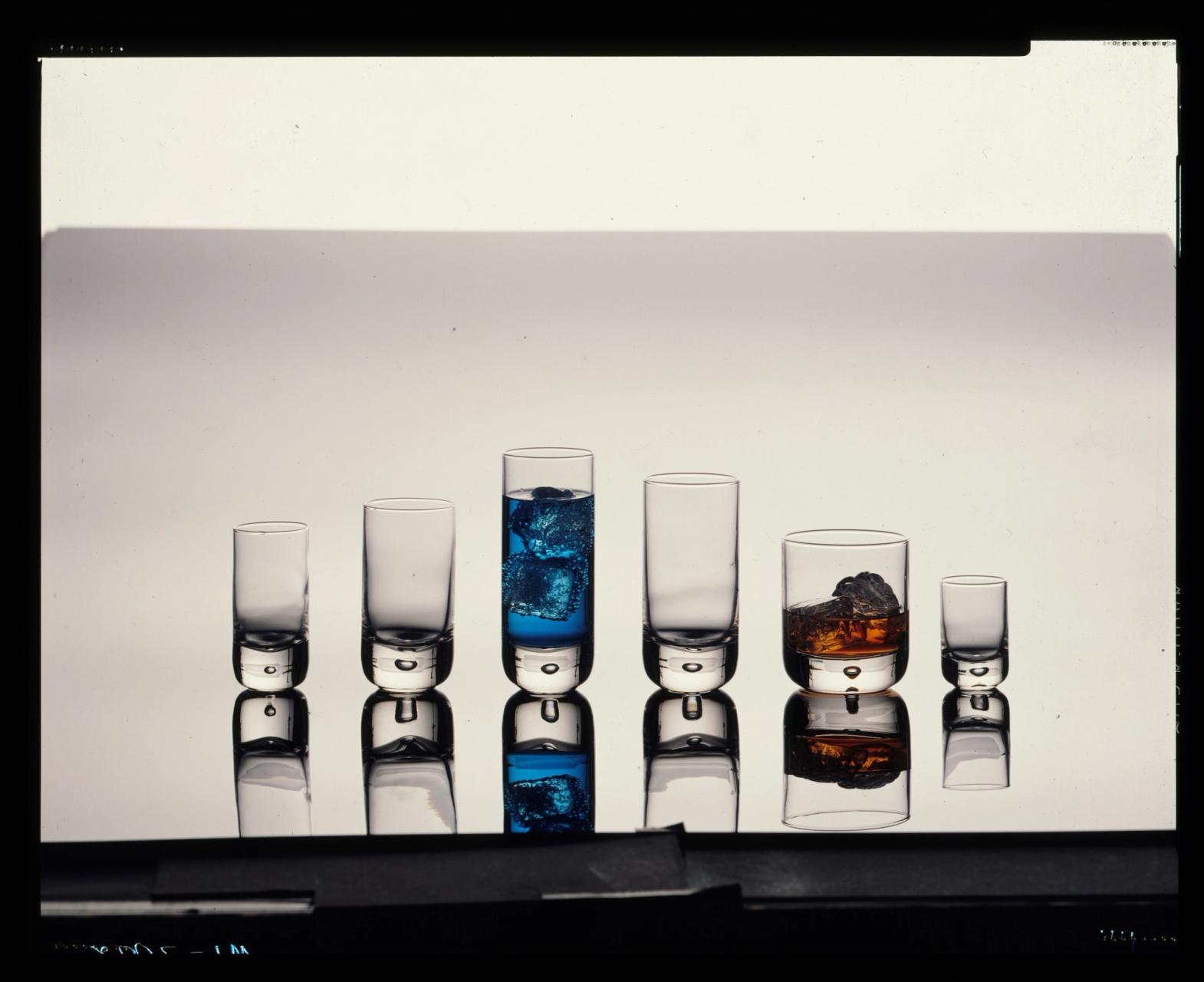
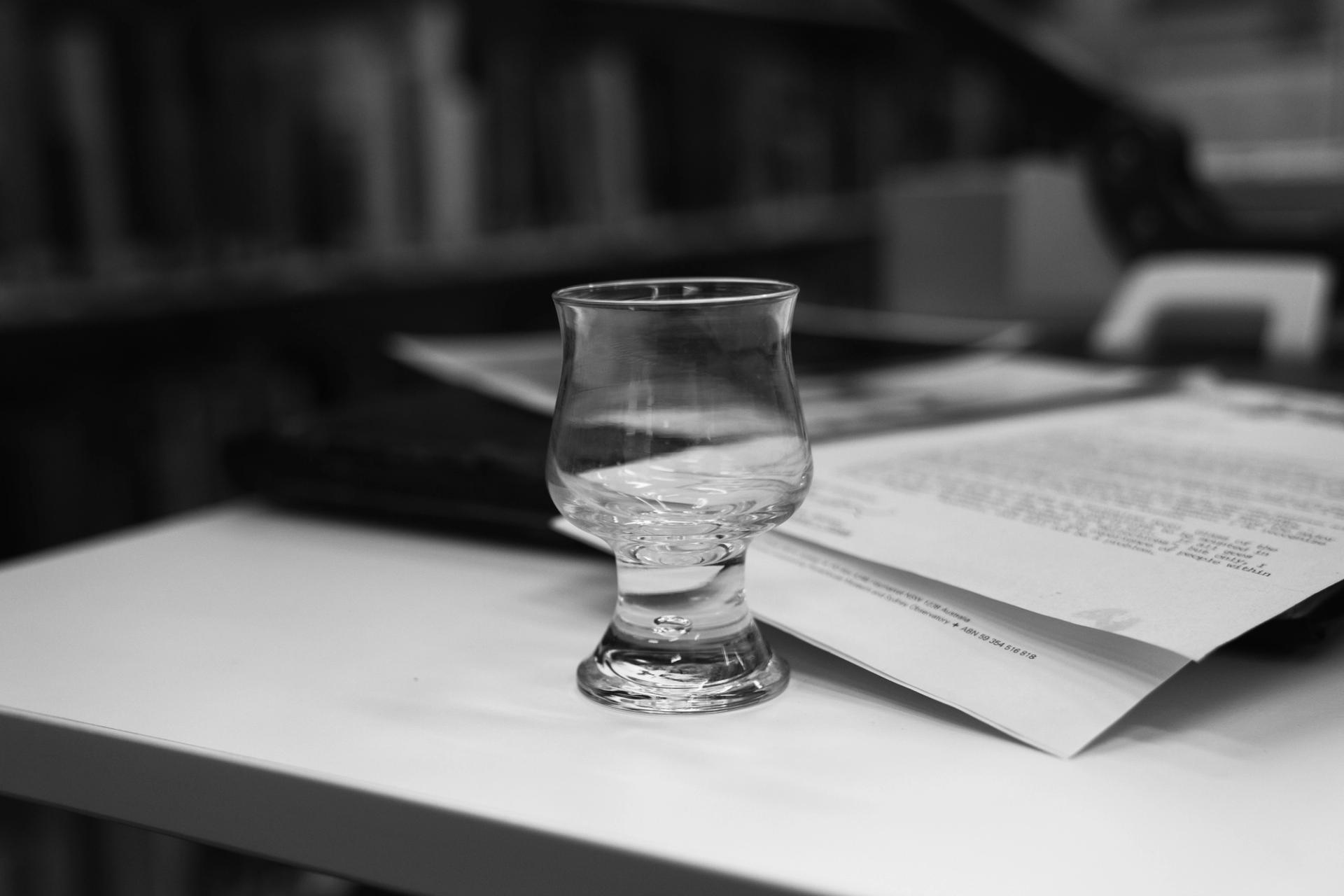
Larcombe’s innovative designs, including injecting air bubbles into glass moulds to replicate hand-blown effects in other ranges, helped the company achieve a world first in machine-made glass technology. Crown Crystal Glass was a major exporter of Australian-made products globally, competing successfully even in markets known for quality glass production such as Scandinavia. In 1972, the company amalgamated with Corning US to become Crown Corning, meaning that the demand became high for the original glass works of Crown Crystal that Larcombe had designed.
Early Collaboration with Powerhouse
The lines of when Larcombe became a Powerhouse Volunteer are blurred with her professional life as a groundbreaking industrial designer. She began collaborating with Powerhouse in 1982, when her work was exhibited for the first time for the Women and the Arts Festival as one of four featured female industrial designers. The following year, she helped Crown Corning curate a collection of its glass archive which was exhibited at the Australian Design Centre in The Rocks. Reflections drew together some 450 objects, from old stock rooms, antique stores and from people who’d worked at Crown Corning. By this time, collectors were regularly contacting Powerhouse for information on Crown Corning, and the museum would send them directly to Larcombe. It was around this time that Crown Corning decided to donate the collection along with Larcombe’s archive to Powerhouse.
Acquisition of the Crown Corning and Denise Larcombe Archives
The painstaking task of seeing the work formally acquired and documented by Powerhouse took up much of Larcombe’s energy and focus during the 1980s. ‘There was nothing formal about the work I put in,’ she recalls. ‘There was no EMu [collection management system] back then, no computers. A curator just gave me 450 cards and told me to write what the objects were.’
At this point, Powerhouse didn’t have a suitable research area to accommodate 450 items of glass, so all of Larcombe’s acquisition work was done at Crown Corning’s factory in Waterloo. At the same time, the object list began to grow. ‘I was keeping stuff – drawings, catalogues, glass – and thinking, I should add that to the original collection,’ Larcombe recalls. ‘And I was sick of moving house and taking it all with me. So, I approached the museum and asked, Do you want to complete the collection? Everything from 1926 to now.’
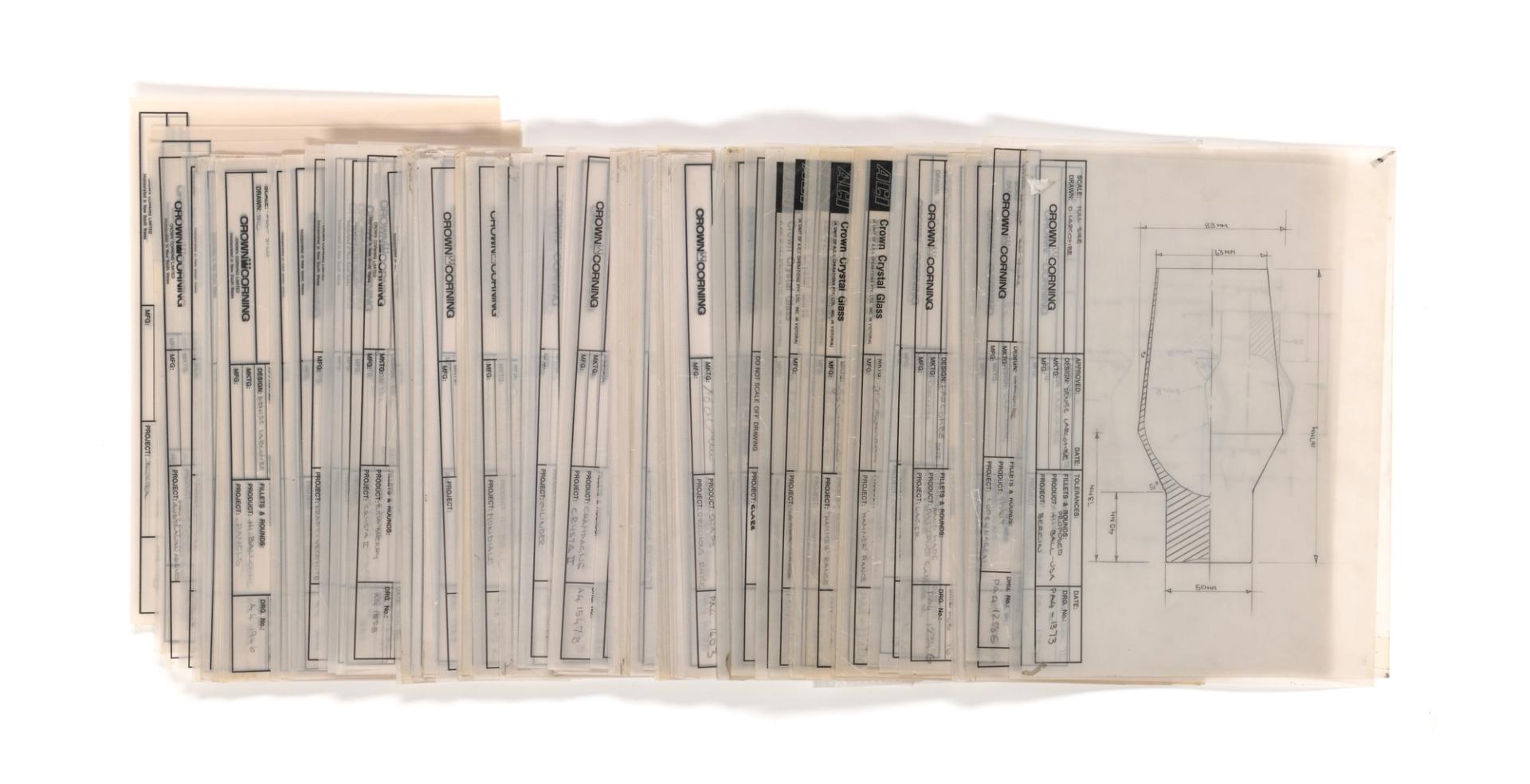
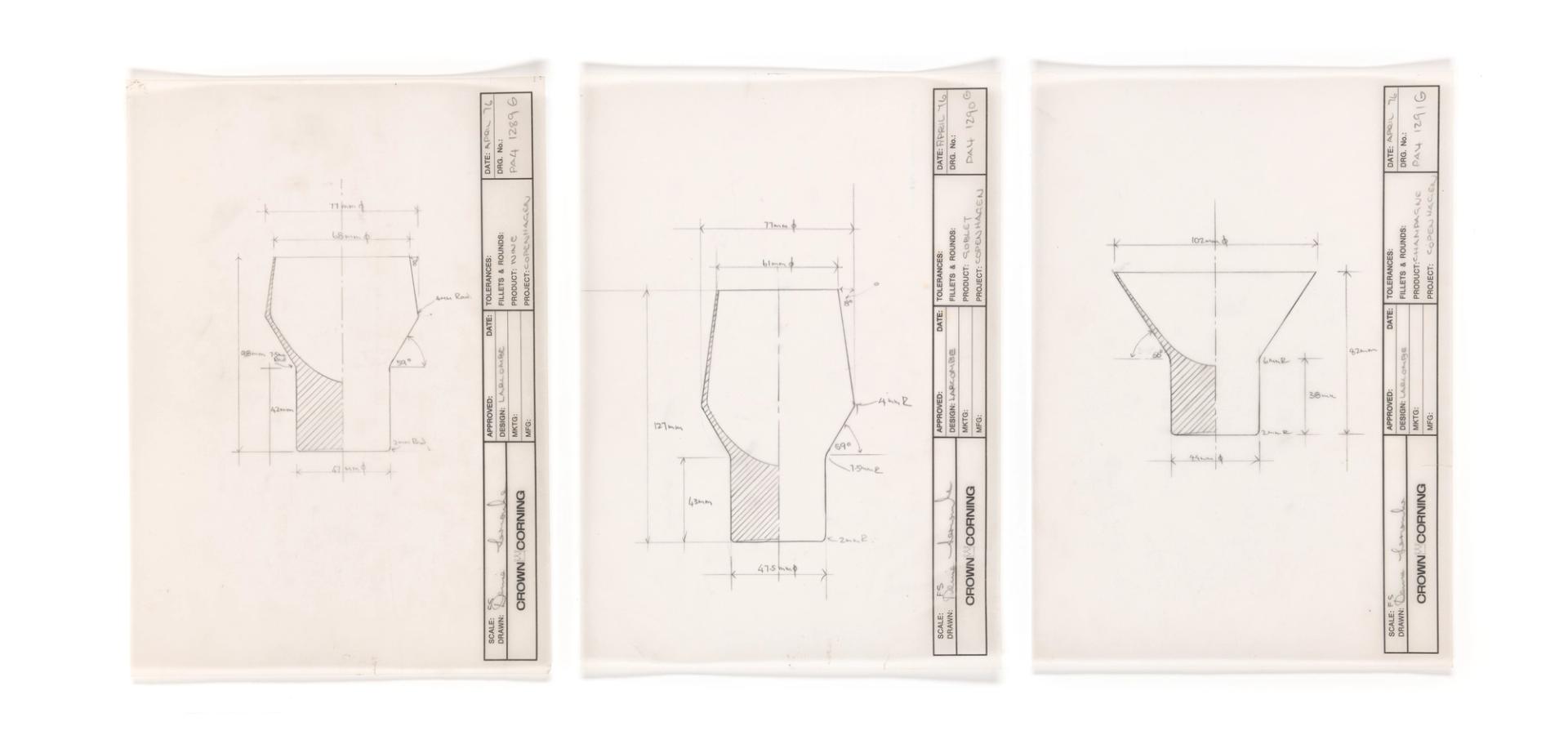
The museum agreed, but Larcombe’s collaboration with Powerhouse continued for long after that, assisting the expanded acquisition through research and providing details on production, history and significance for the growing list of objects which now numbered more than 500. The acquisition process continued until the late 1980s, when Crown Corning closed, and beyond. ‘These were professional insights and personal observations from the horse’s mouth which have made that part of the collection even more special and a great legacy of Australian industrial design and product development,’ says Dr Paul Donnelly, former decorative arts and design curator at Powerhouse and now Deputy Director of the Chau Chak Wing Museum.
The Textiles Centre
In the 2000s, Larcombe applied through TAFE (where she was working at the time) for a return to industry, and in 2007 officially became a Powerhouse Volunteer, coming into the museum for one day a week. It was while working in this capacity that the Volunteer Program Manager discovered Larcombe was also a weaver and recruited her for the Textiles Centre at Powerhouse Ultimo. Bringing in her own loom, Larcombe would teach museum visitors how to weave. Eventually the loom became a permanent addition to the Textiles Centre, where the lace showcase had been extremely popular with visitors since it opened in 2003, and where it joined knitting and leather making.
‘It meant that different people could come in and try – that was good,’ Larcombe recalls. ‘I had three rough young Scottish lads in their 20s one day, but the enthusiasm was there. I suppose that’s what the Textiles Centre has been about.’
Reflections
Moments like these saw Larcombe bond quickly with Barker and her small volunteer cohort, and for 18 years the pair have been regularly joined by Christina Geeves, Dinah Hales, Roderick Byatt and Sue Slattery to volunteer at Powerhouse on the same day each week. ‘To have their skills, fresh perspectives, enthusiasm and sociability provides a lovely tempo to the week,’ Donnelly recalls. ‘I miss those days, and I miss Denise!’
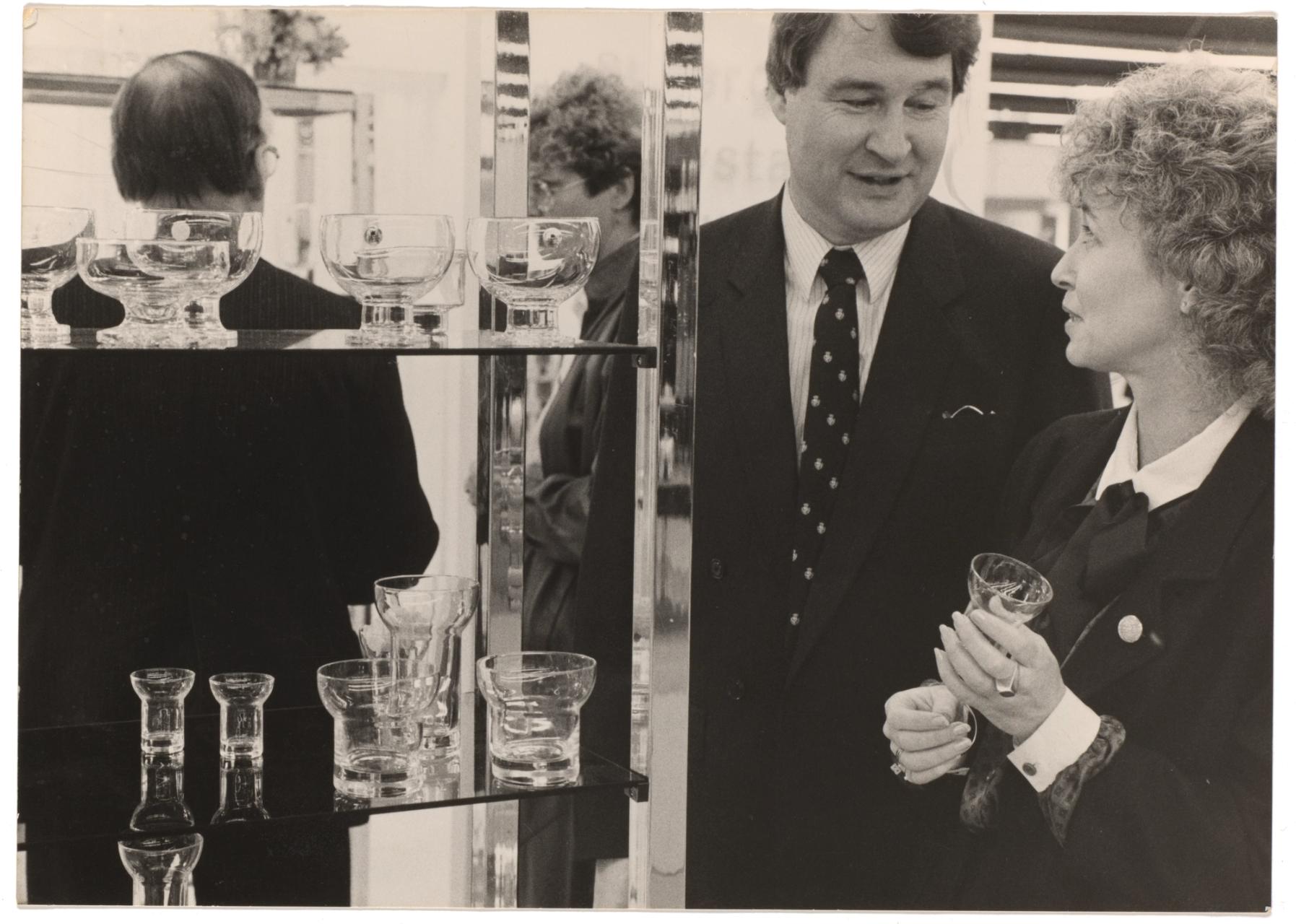
After five decades, Larcombe has experienced Powerhouse through a multitude of iterations and directions. But what she is most excited about is the future of Powerhouse Parramatta and the different Sydney communities it will touch. On seeing the architectural plans, she was pleased to see a concierge, shop and cafe at the heart of the new museum entrance – just like it used to be. ‘Design is not just hats and handbags,’ Larcombe says. ‘But if hats and handbags bring people in and they see other things, it’s not a bad thing. I know the collection well and there’s such breadth – so many wonderful objects that the public will get to see.’
Powerhouse Volunteers
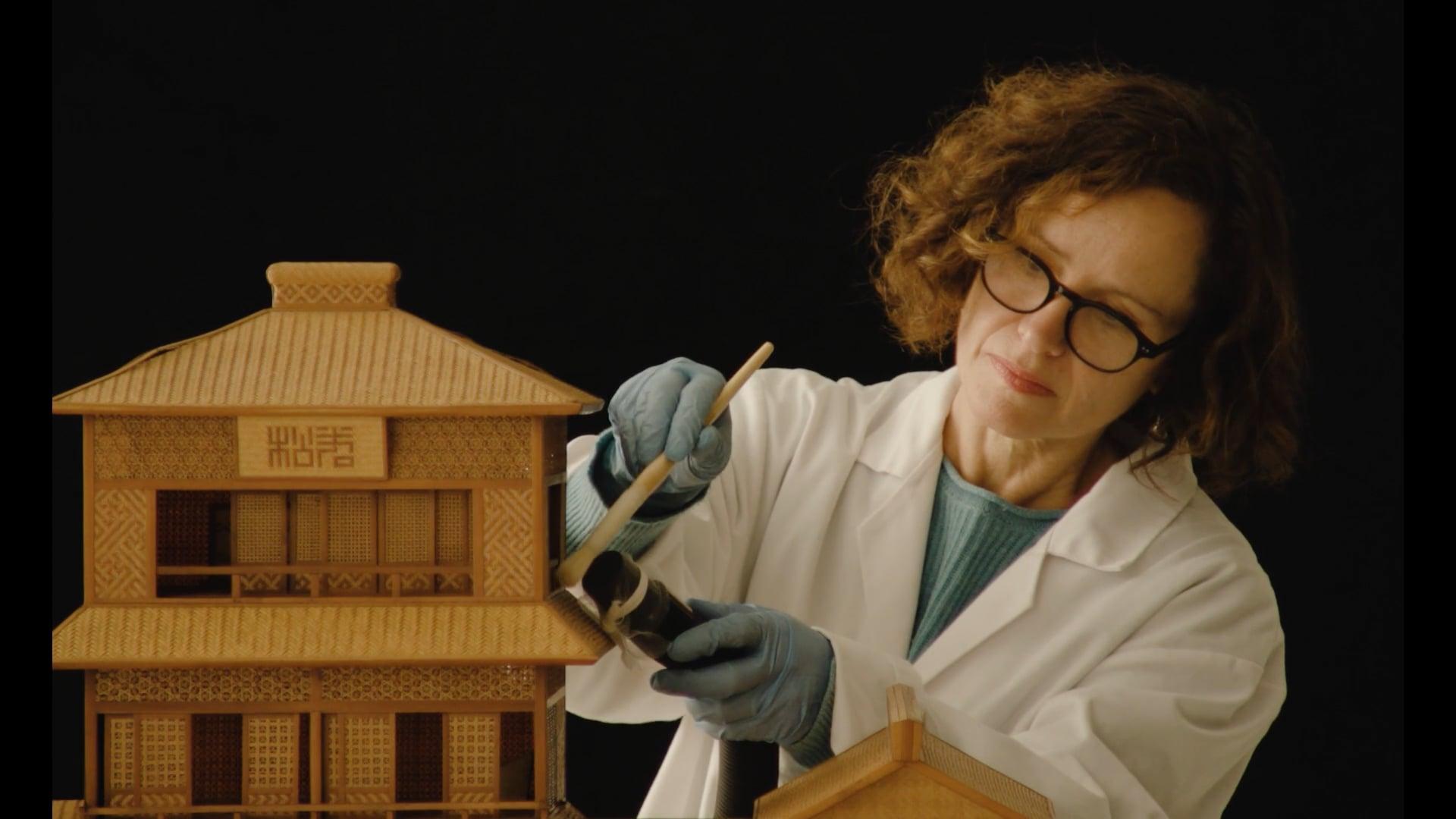
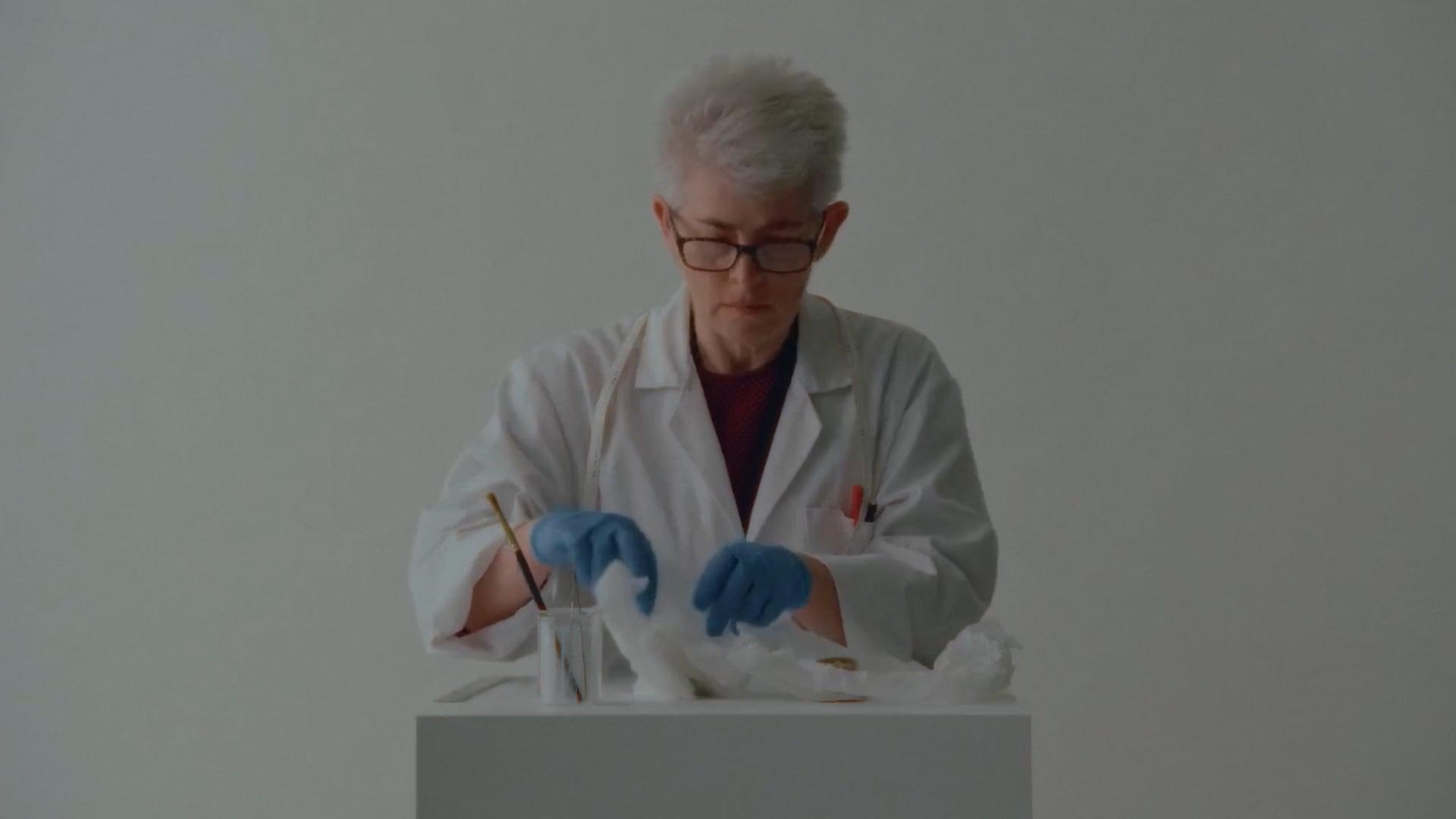
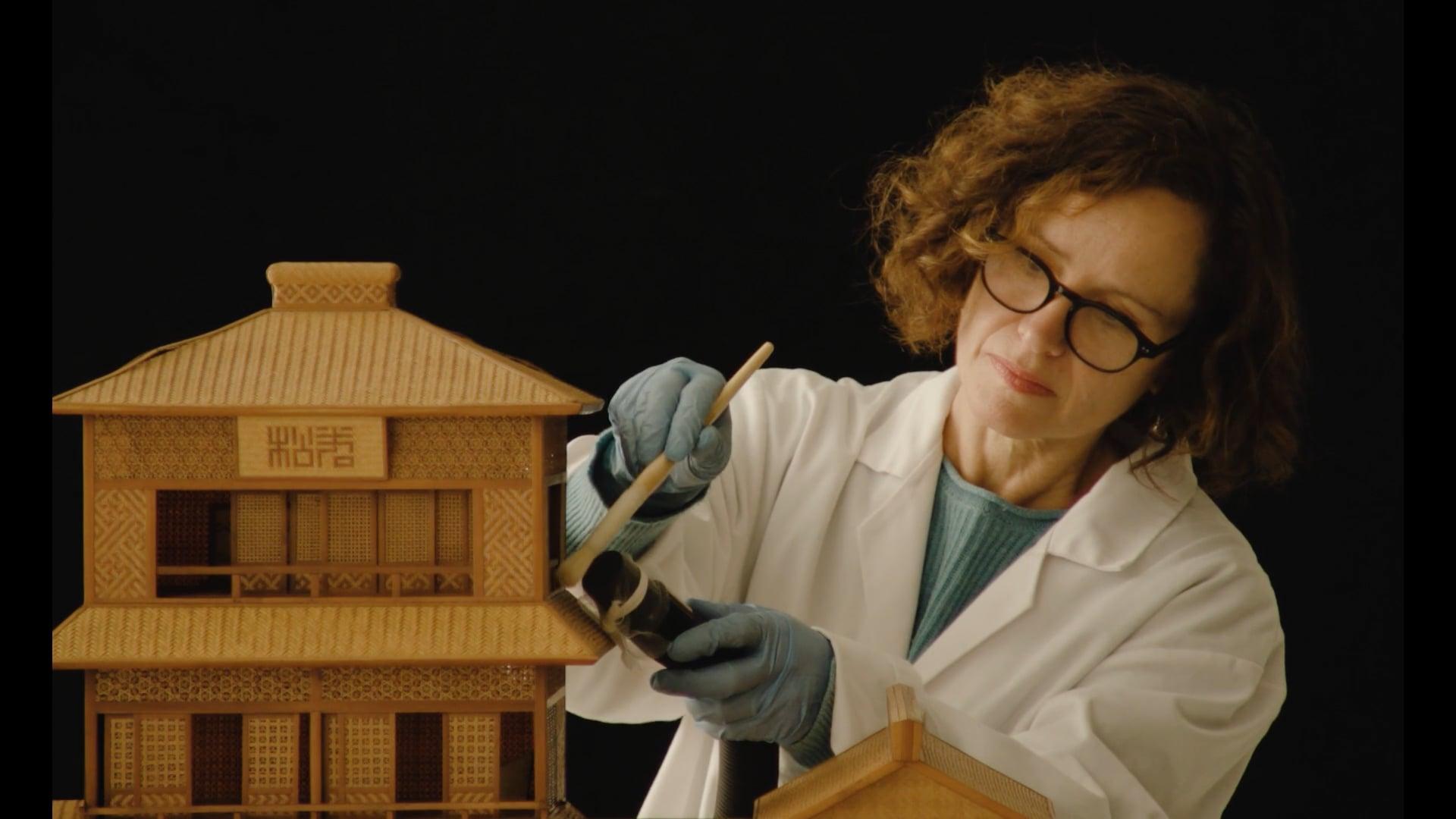
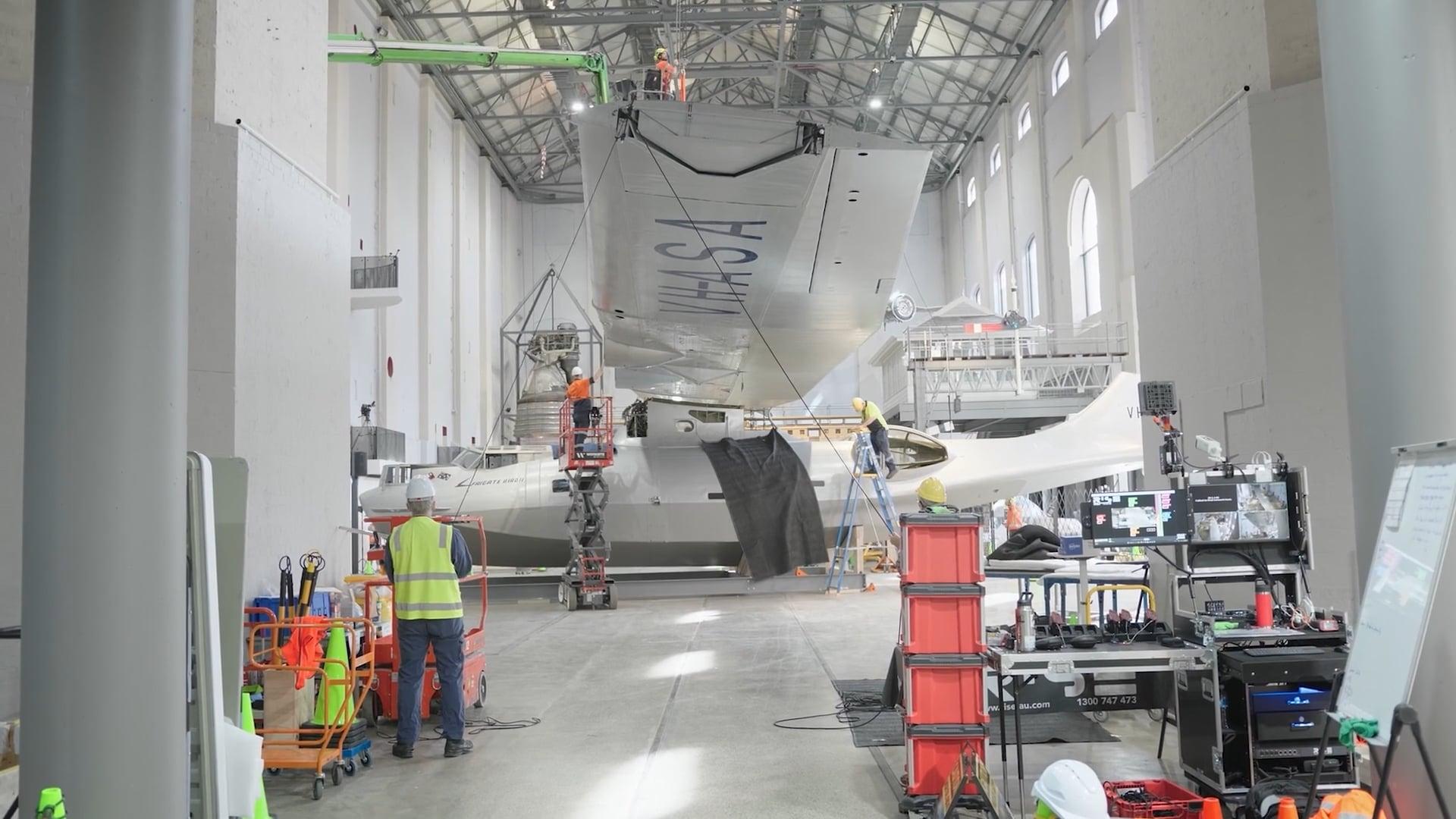
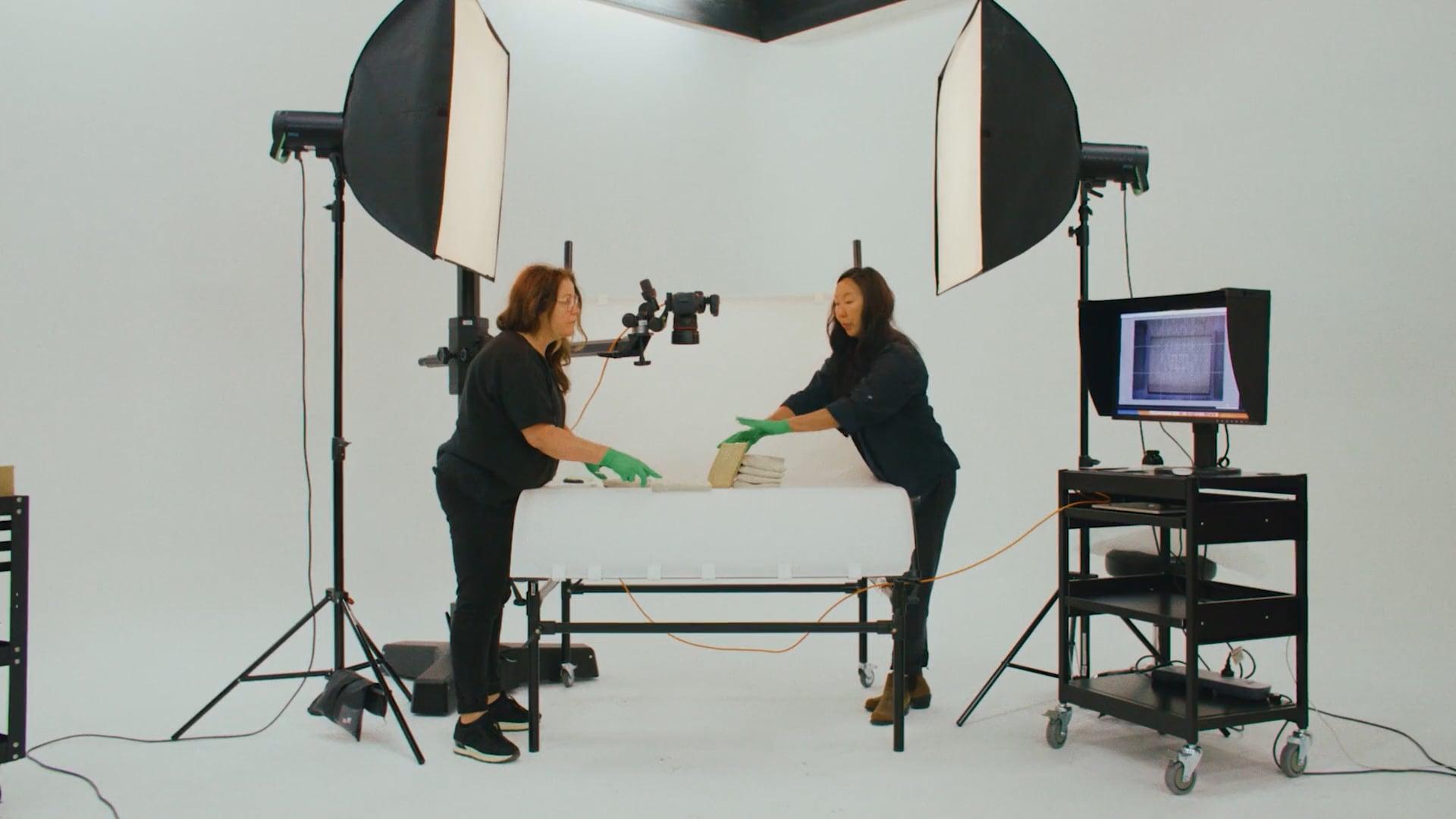
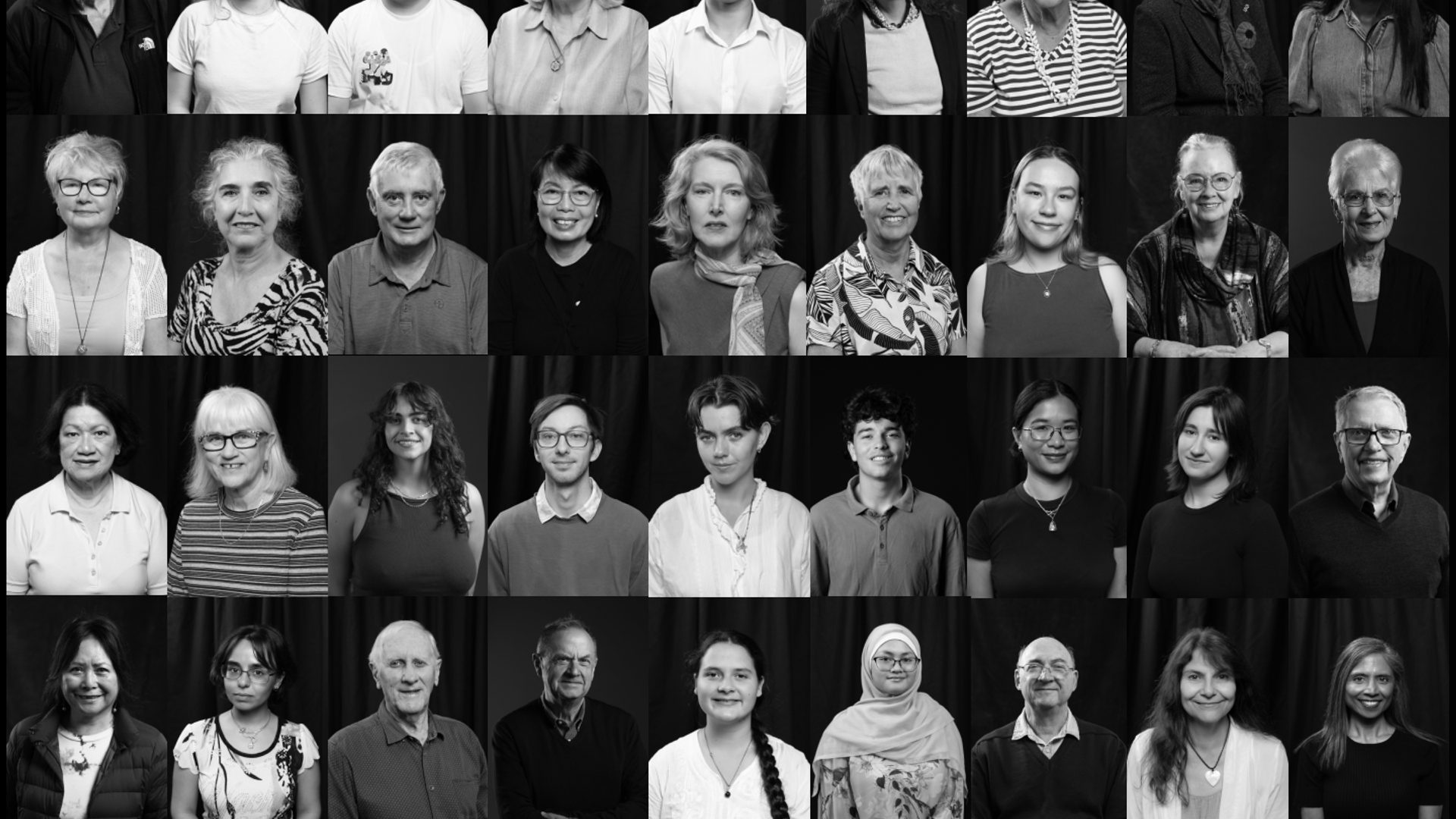
Volunteers support all areas of Powerhouse activity, from visitor engagement to care of our Collection of over half a million objects.
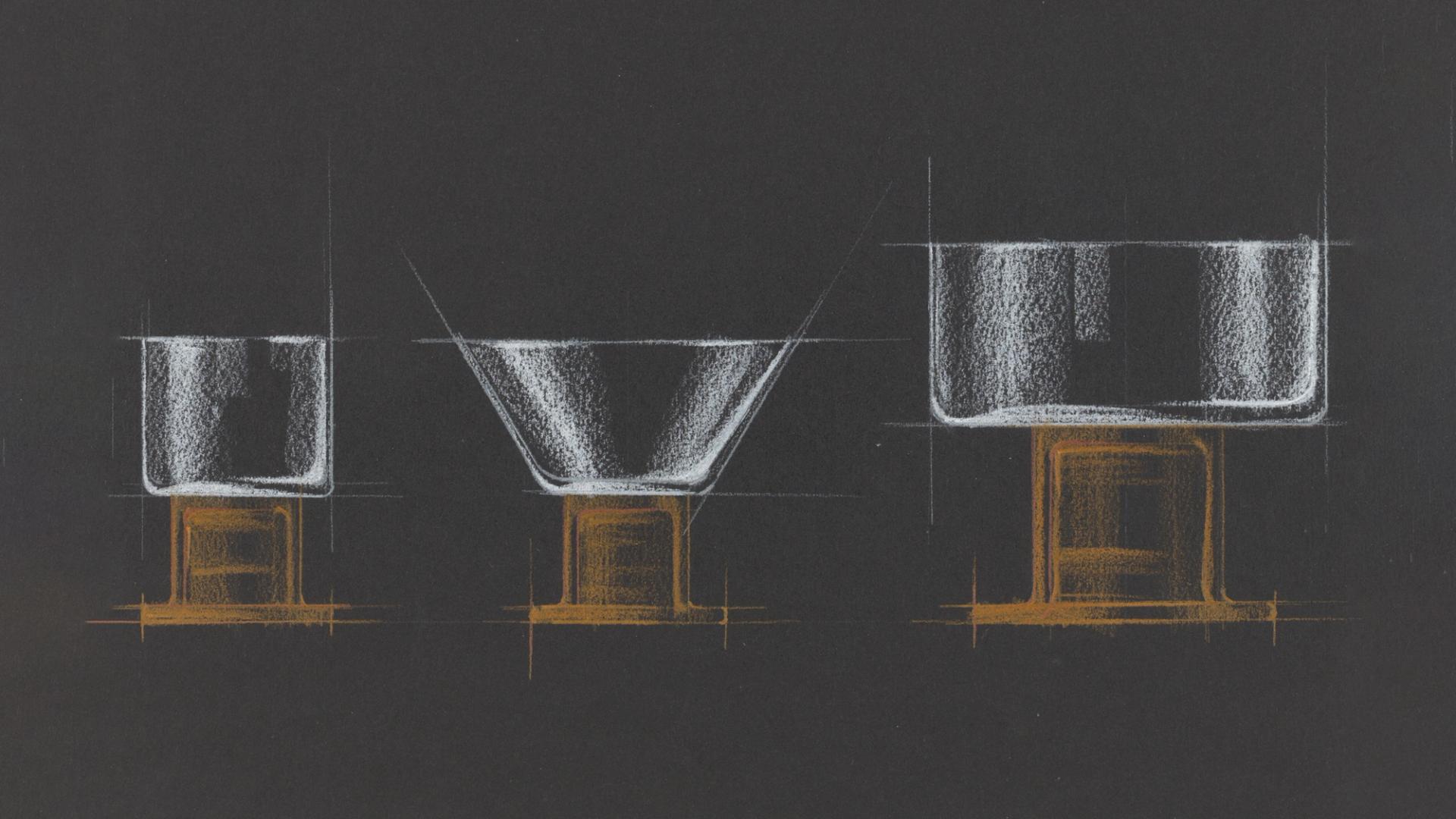
Denise Larcombe Collection Objects
Explore Larcombe’s archive and the extensive Crown Crystal Glass collection, which are part of the Powerhouse Collection.