Eel

Culinary archive podcast Season 2
Join food journalist Lee Tran Lam to explore Australia’s foodways. Leading Australian food producers, creatives and innovators reveal the complex stories behind ingredients found in contemporary kitchens across Australia – Milk, Eel, Honey, Mushrooms, Wine and Seaweed.
Eel
There's an eel known as a living fossil because it resembles its dinosaur-era ancestors. And the Budj Bim eel traps, at least 6600 years old, confirmed that First Nations people have been catching eels for millennia. In medieval England, these fish were used to pay the rent and today, Australians have even turned them into musical instruments and glass art.
‘I put the eel in the ice, you know, just to chill it out. A couple of hours later, the heart was still on the chopping board, still beating.’
Transcript
Lee Tran Lam Powerhouse acknowledges the Traditional Custodians of the ancestral homelands upon which our museums are situated. We pay respects to Elders, past and present, and recognise their continuous connection to Country. This episode was recorded on Gadigal and Wangal Country.
My name is Lee Tran Lam and you're listening to season two of the Culinary Archive Podcast, a series from the Powerhouse Museum.
Located in Sydney, Powerhouse is the largest museum group in Australia. It sits at the intersection of the arts, design, science and technology with over half a million objects in its collection including an eel trap (opens in new tab) by Ngarrindjeri weaver Yvonne Koolmatrie; a 19th century Japanese textile (opens in new tab) with swimming eels; and a glass plate negative of men holding eels by a river (opens in new tab). The collection charts our evolving connection to food.
The museum's Culinary Archive is the first nationwide project to collect the vital histories of people in the food industry, such as chefs, producers, writers and restaurant owners who've helped shape Australia's taste and appetites. Today we're talking about Eel.
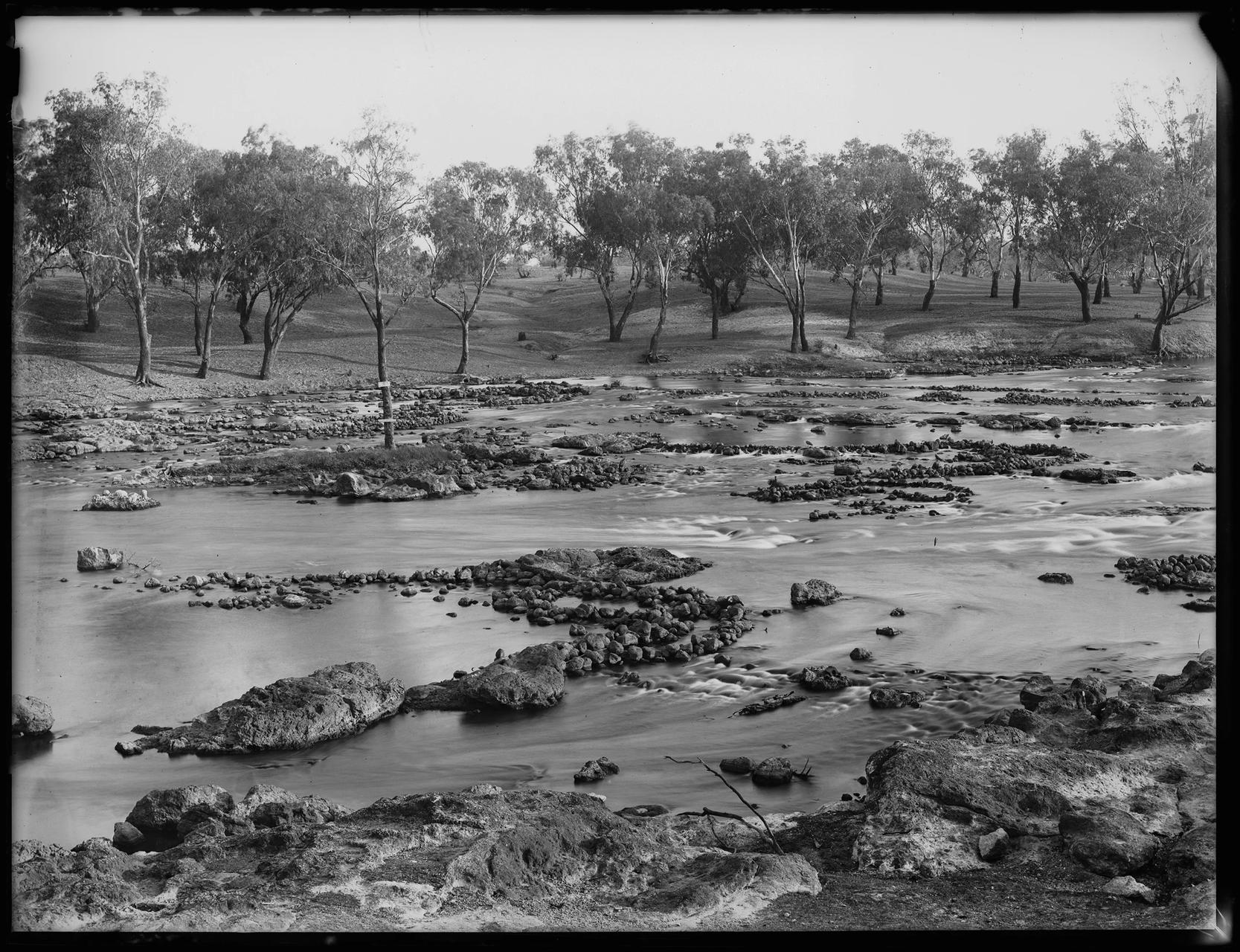
Jennifer Kemarre Martiniello The eel traps are extremely unique, a glorious shape, long and sinuous like eels but with a wide-open flare at the front.
Emiko Davies Eel is popular also in Tuscany. You have to buy it live. They actually just pop it in a plastic bag for you and you're going around in your shopping cart and your bag’s like, writhing around.
Nik Hill I put the eel in the ice, you know, just to chill it out. A couple of hours later the heart was still on the chopping board, still beating.
LTL There's an eel known as a living fossil because it resembles its dinosaur-era ancestors. And the Budj Bim eel traps, carbon dated to at least 6600 years ago, confirmed that Aboriginal Australians have been catching and trading this fish for millennia.
Eels have also been used to pay the rent in medieval England. Currently, Australians appreciate this fish in many ways, from preserving them via smoke, stretching their skin to make music or shaping eel traps from glass.
JKM Hi, I'm Jennifer Kemarre Martiniello. I'm a multidisciplinary artist of Aboriginal, Chinese and Anglo Celtic descent. My Aboriginal heritage is Lower Southern Arrernte and I now live and work in Canberra. My fascination with making glass eel traps comes from looking at traditional woven objects and how beautiful they are. The eel traps are extremely unique and a glorious shape, long and sinuous like eels, but with a wide-open flare at the front for catching eels. They became quite a challenge to be able to create one in glass.
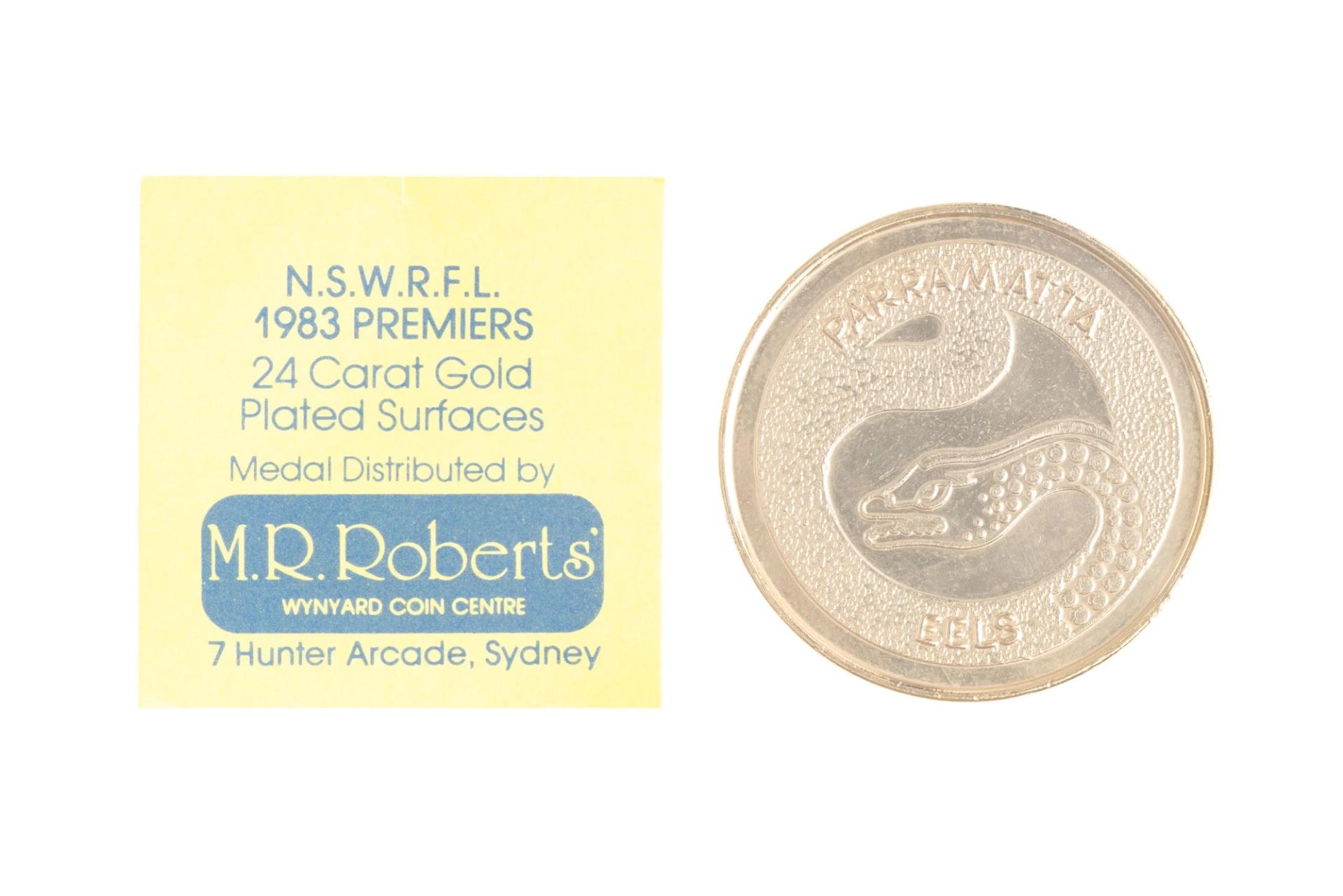
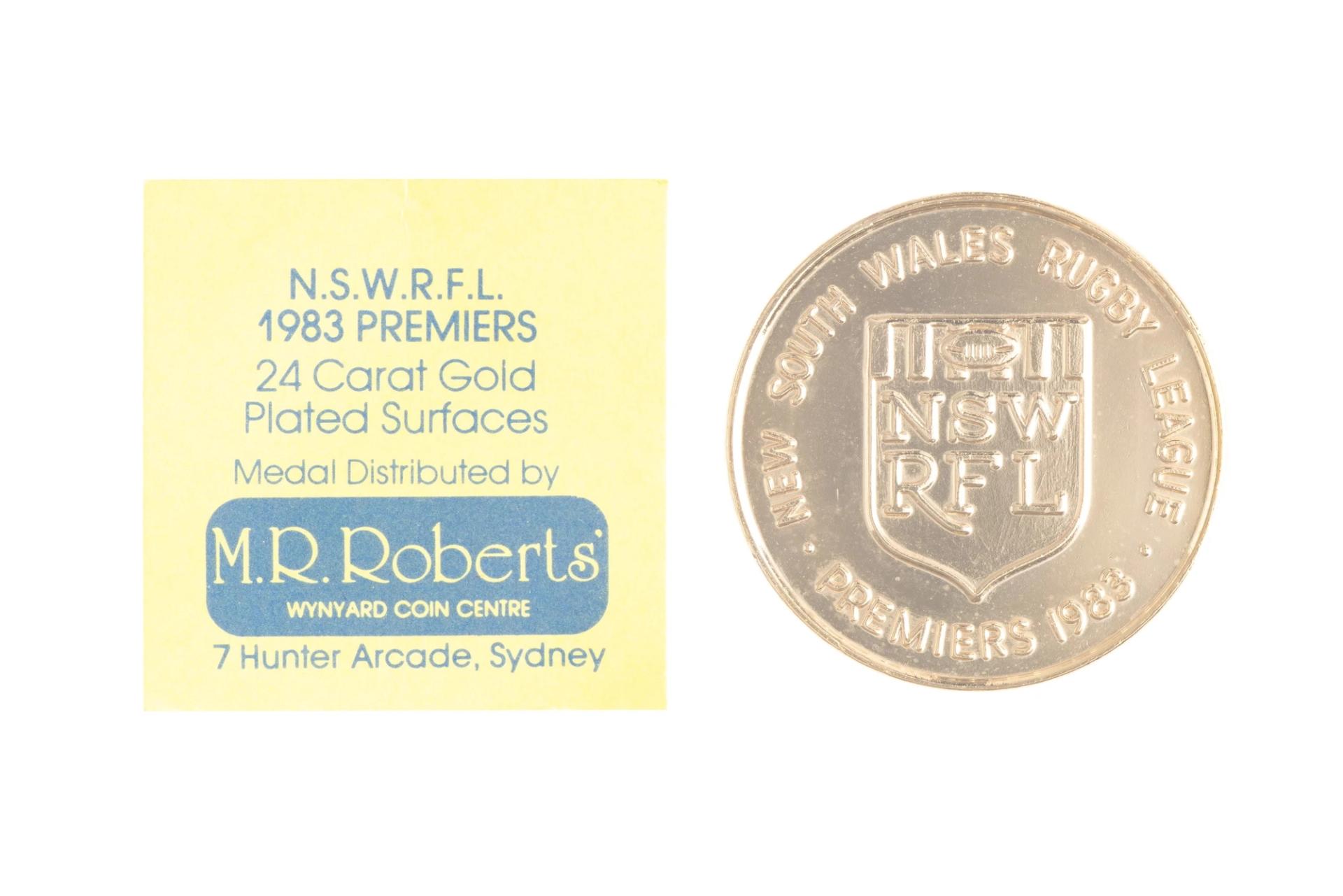
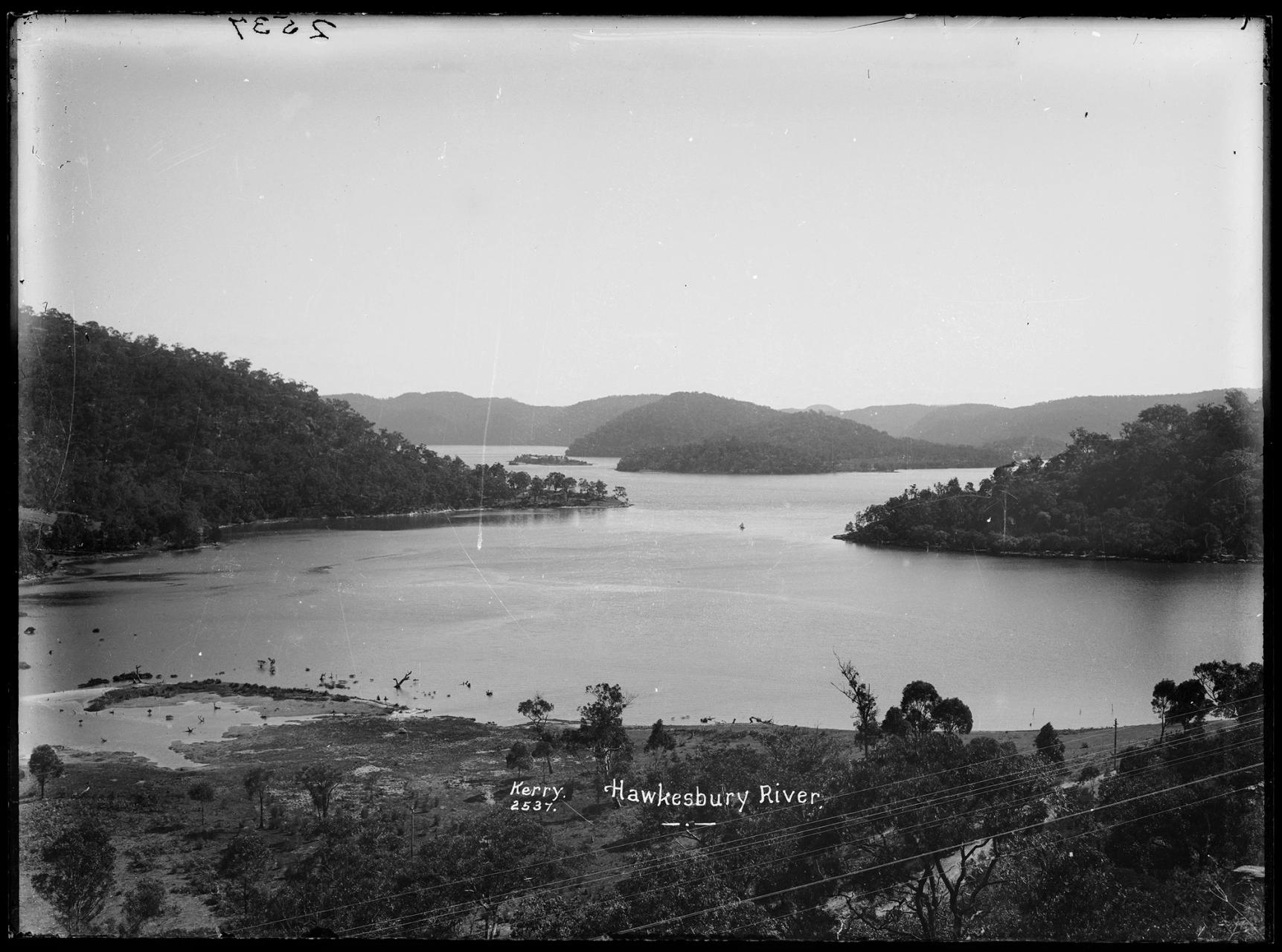
Dr Jacqui Newling My name is Jacqui Newling. I'm a curator at Museums of History New South Wales. Some of you might know me as ‘The Colonial Gastronomer’. In the early colonists’ journals, David Collins, who ventured up into the Hawkesbury area — so Dharug Country — actually describes the way Aboriginal people caught eels in these intricate woven eel traps that the local people were masters at weaving. The eels have a very, very special place in Dharug history and culture and Dharug identity. Some of you might know that the Parramatta football team is the Eels and that's because Parramatta comes from a word Burramatta and ‘burra’ is the word for ‘eel’ in that local language.
LTL You can find a Parramatta Eels rugby league commemorative medal (opens in new tab) in the Powerhouse Collection. The Dharug name for the suburb where Powerhouse Parramatta is located means ‘place where the eels lie down’. The eel is a totem for the Burramattagal people and this ancient fish can be found in surprising places across Sydney.
NH There's chat of them getting up to 20-25 kilos and people finding them on golf courses. And there's the old chat about the ones in Centennial Park that slithered there from the sea. You know, these things are around, they've been there for ages.
Hi, I'm Nik Hill. I'm co-owner and chef of Porcine Bistro (opens in new tab) in Paddington, Sydney and also chef and owner of Smoketrap Eels (opens in new tab) running out of Hunter Valley. I didn't really see it in Australia much when I was younger. Sort of the closest you get to it's like when you're fishing off a jetty, you know, and it will wrap around your line and you get sort of a big monster on the end of it.
LTL Jennifer has turned catching these fish into literal art. You can find these glass eel traps (opens in new tab) in the Powerhouse Collection.
JKM The very first inspiration was actually when I was about 10 or 12. My dad used to take me to the Adelaide Museum. They had those hideous old-fashioned dioramas where they showed Aboriginal people as if this is a dead culture. And they showed the woven objects and it made me really, really angry because my aunties were weavers and wove a range of different things. When I started working with glass, I thought, well, I wonder if I can weave glass — which you can't, you can evoke weaves — but I put a team together because you can't blow glass on your own, you haven't got enough hands. 2011 was really the beginning of the glass-weave project and from that developed the eel traps and the fish traps and dilly bags and lots of other woven things.
LTL The Powerhouse Collection also includes traditional eel traps (opens in new tab) that Yvonne Koolmatrie weaves from plants. But Jennifer incorporates a method from Murano, a famous glass-making island in Italy. The effect is like a crafted swirl of colourful ribbons in glass.
JKM It gives me a lot of satisfaction to use zanfirico, the Italian glass technique which is several centuries old, to create woven objects that have been a mainstay of the oldest living culture in the world. Woven eel traps have been around for many tens of thousands of years, so it's kind of fitting in a way you can use a younger tradition to give an expression to a much older tradition.
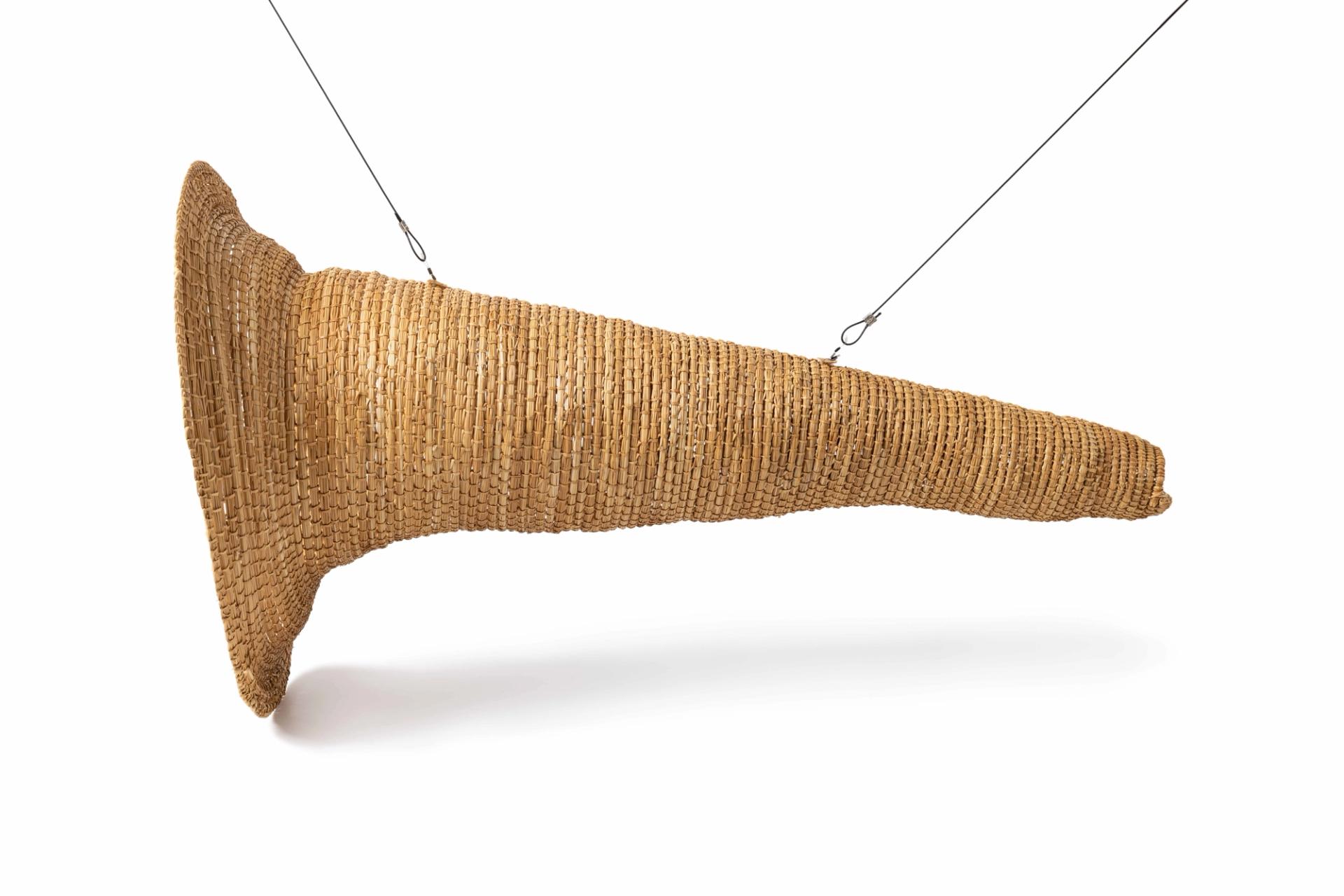
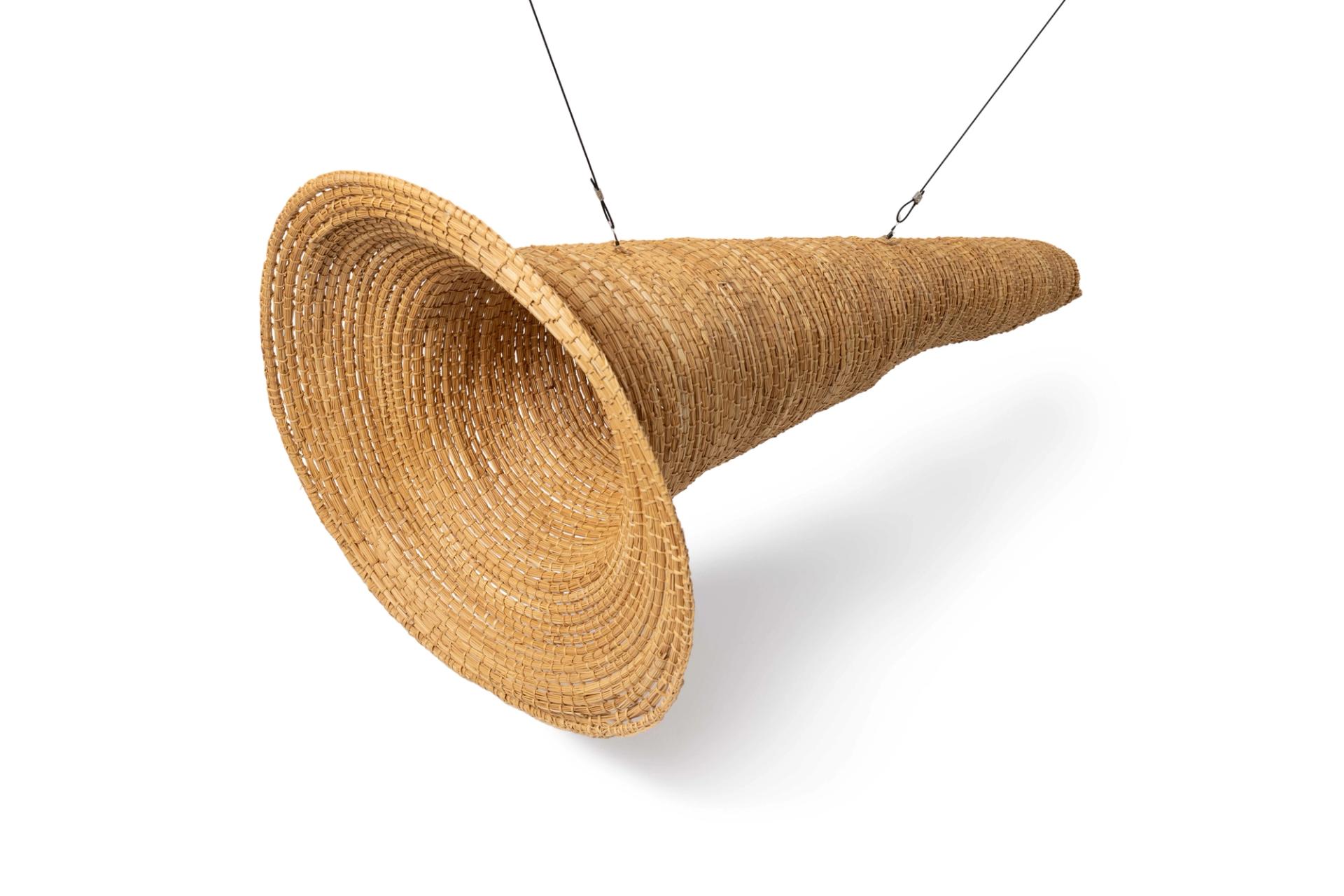
LTL The most famous eel traps in Australia are at least 6600 years old. Located on Gunditjmara Country, the Budj Bim cultural landscape has been World Heritage listed (opens in new tab) and features one of the oldest aquaculture systems found on the planet.
JKM I think the Budj Bim eel traps actually attest to the fact that it was a very advanced civilisation with engineering skills. There’s several different sites where they are actually architectural constructions. It gets rid of the idea that Aboriginal people were primitive. Even with those built eel trap systems, which are incredibly clever, there were still woven objects, nets and scooping baskets that were used to scoop the eels out of the shallow ponds. Those objects themselves are fascinating.
Indigenous engineering and technology at Budj Bim (2021), The University of Melbourne We're sitting in an area where some of the stone houses and fish traps go back to 3000 years before the pyramids were built.
JKM They're actually older than people have dated them to, because there's this mismatch between western scientific evidence and traditional oral evidence.
LTL Built before Stonehenge, these ancient traps were so sophisticated and sustainable, they produced a year-round supply of eels that the Gunditjmara people could eat and trade with.
JN Certainly, smoking eels is a very ancient tradition that they know has occurred in Australia for many, many, many thousands of years. The Budj Bim eel traps still survive today in southwestern Victoria but also I've worked with Wiradjuri elders and Dharug people who have said that their ancestors have done the same thing. So they also became part of the economy as well. Being able to trade them or exchange them and by smoking them, you could extend their availability well past their natural lifespan.
LTL The preserved fish had value in medieval England too, with landlords accepting it as currency. One monastery banked 70,000 eels annually from tenants. I suspect Nik doesn't hand over preserved fish to literally pay his bills but catching eels from the Hawkesbury River is vital to his business.
NH The way that they're trapped is pretty straightforward. It's almost like a lobster trap that's sort of like big round basket with a net in the middle and then there's a little clip in the middle with a piece of mullet on it. And then once they go through the small hole, they kind of can't get back out. You got to check them every day, because if they're in there too long, they start to fight, you know, and they'll sort of take a nip out of one of the other ones. And the females are really aggressive. They're the ones that will take the rest out.
LTL The eel traps Nik uses today share some similarities to the ones Jennifer recreates in glass.
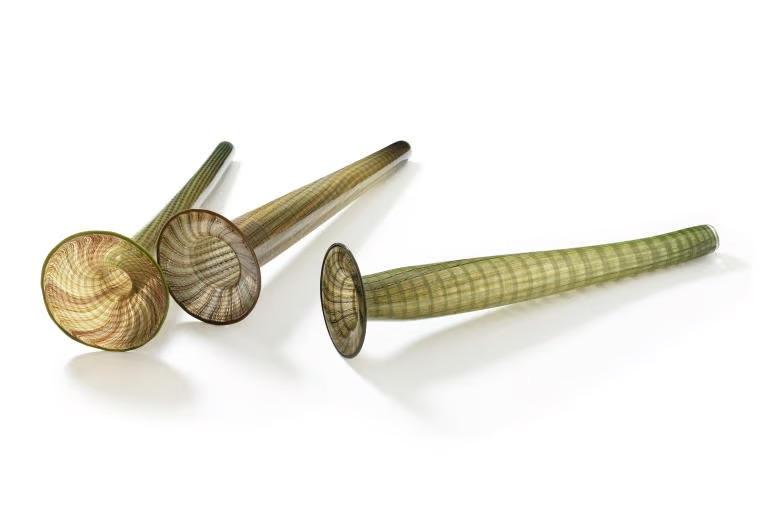
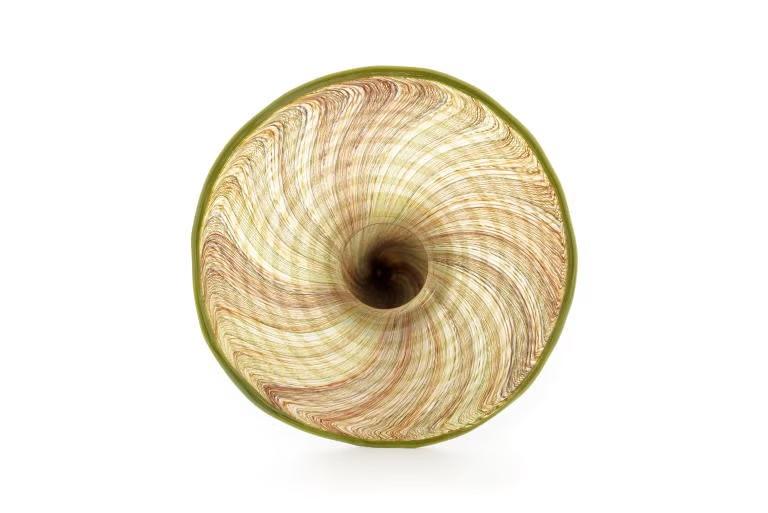
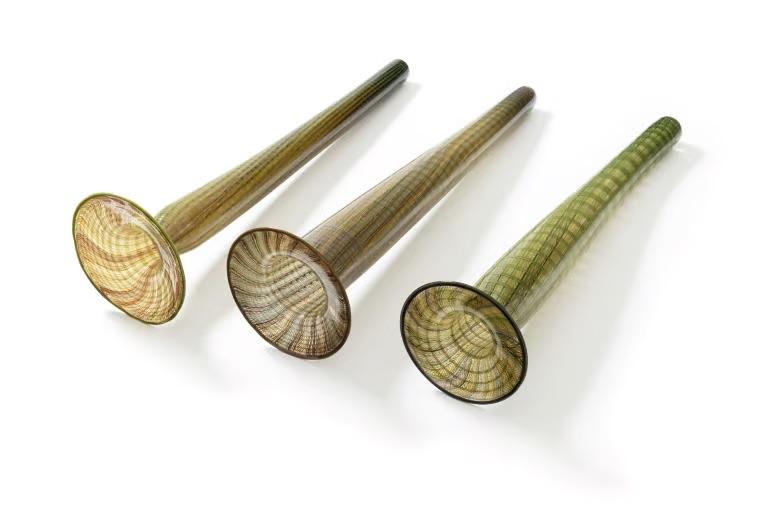
‘The pieces in the Powerhouse are using three different colour combinations derived from traditional fibres. There's probably about five layers of canes in each piece.’
JKM That's a lot of layering, a lot of gathering, a lot of clear glass to allow it to be blown that big. And they have to be brought back to room temperature very, very slowly. If you don't do that, they'll just shatter.
LTL According to author Patrik Svensson, English people used to believe that eels formed when horse tail hairs drifted into water. I don't think that's scientifically true, but I do know that when Nik was in England, the chef ate and cooked a lot of eel.
NH Classically in the UK was this jellied eel. This is horrible. You boil eel in water with some vinegar, sometimes a bit of cider if you're feeling frisky. Let it all set. All the gelatine from the bones sets in the stock. You see it in the pubs in the East End. The first time I saw it was in like a big old champagne bucket — just chopped eel set in the jelly — and then you'd drag a teacup through there and then have that on the bar and eat it with white bread and butter. It's as bad as it sounds, to be honest. You see versions of jellied eels spruiked up in restaurants and even pubs do it these days, it's much more refined. And a lot of the original eels came out of the Thames — you can imagine the state of that. At the top end, it gets the royal treatment, but the original way of cooking it is, yeah, it's pretty rough.
Eel Run (1986), ABC While some people may find eels repulsive, they are regarded as a delicacy. In Japan they’re grilled, in Europe they’re smoked and in England they’re jellied. And in Australia you have a choice: as pâté, marinated, or smoked.
NH I couldn't tell you exactly why British people eat what they eat. I grew accustomed to it. I'm a fan of a lot of it, I just draw the line at jellied eel.
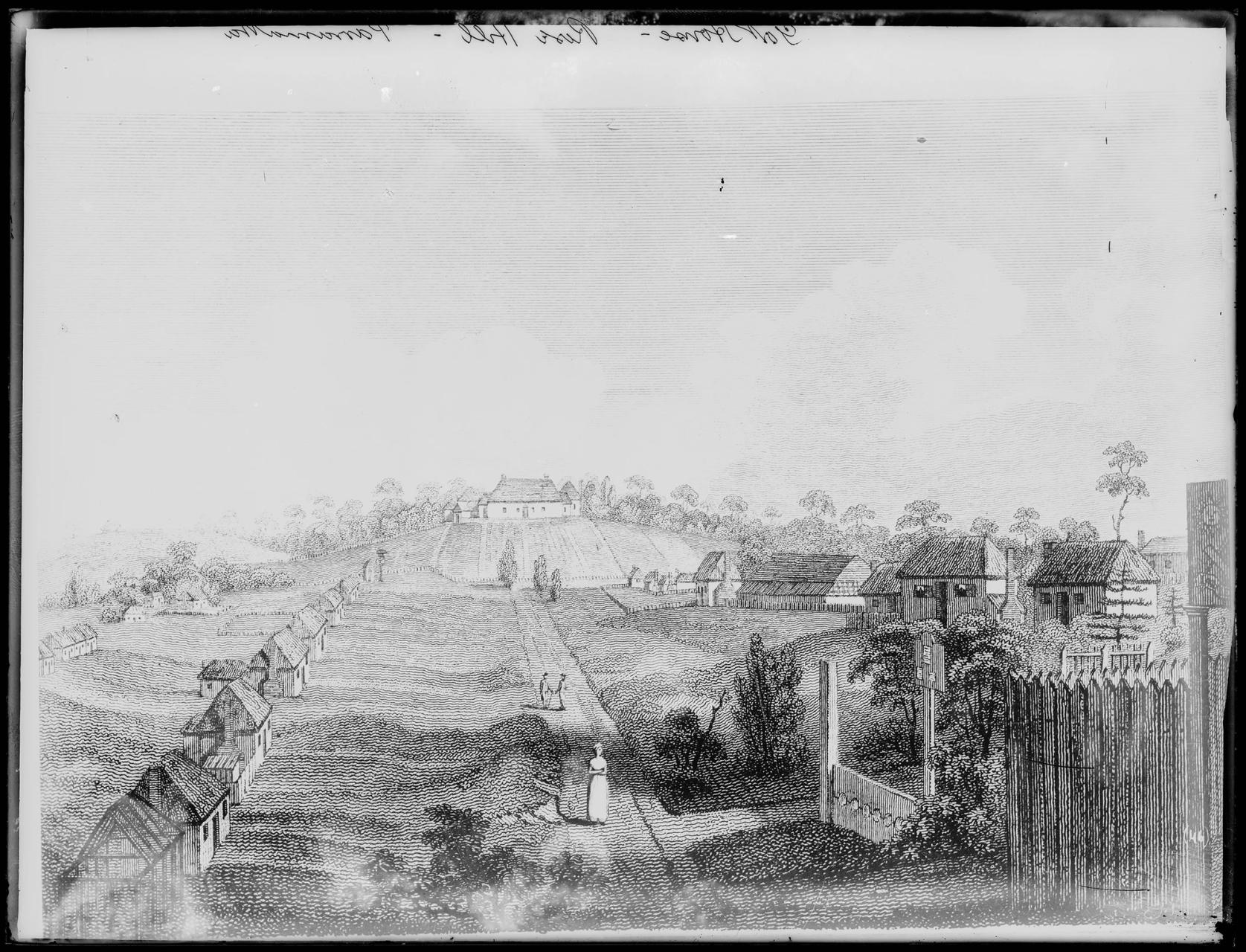
LTL Over the years, Jacqui and her team have celebrated the Indigenous traditions of feasting and trading eels along the Parramatta River by holding the Eel Festival on Elizabeth Farm. Constructed in 1793, it's one of the country's oldest homesteads.
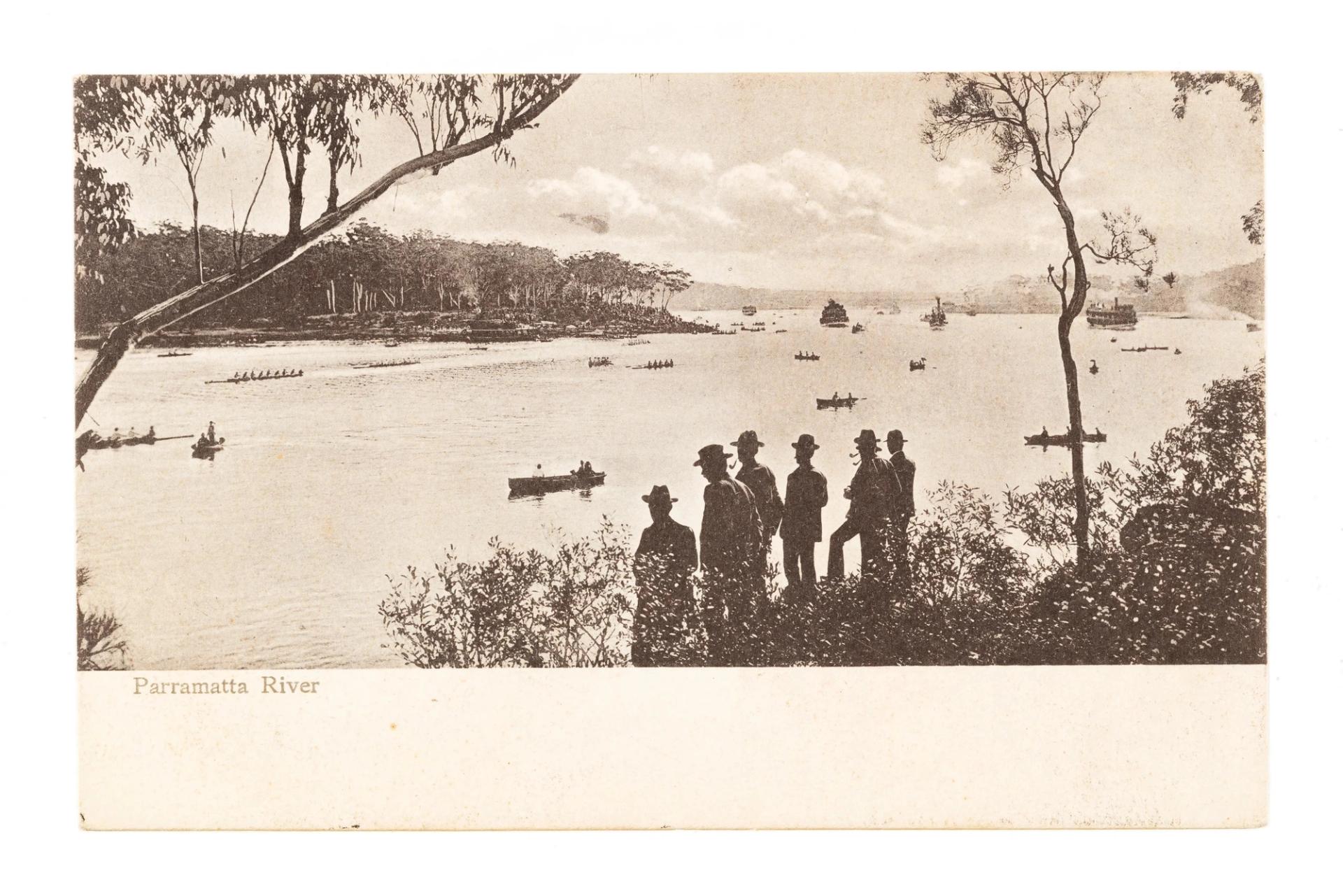
JN It's very important to us that the Aboriginal history of these ostensibly colonial sites be recognised and the Eel Festival's one of the ways we do that. On several of the Eel Festivals we had Fred from Fred's Bush Tucker come in and cook eel in the paperbark and the Gymea leaves. Sometimes he would stuff the eel — if it was a really big eel — with lemon myrtle. And then just cook it straight on, literally hot coals on a fire pit. The fish itself is left in its whole form.
LTL As part of the Eel Festival, Jacqui would highlight the British colonial ways the fish was served.
JN I set about making this collared eel dish according to an 1816 recipe from Maria Rundell. I can read out the recipe: ‘Bone a large eel, but don't skin it. Mix pepper, salt, mace, allspice, and a clove or two into the finest powder and rub over the whole inside. Roll it tight and bind with a coarse tape. Boil in salt and water till enough, then add vinegar and when cold, keep the collar in pickle.’
Higher society settlers were completely changing the form of the eel, the look of the eel, and turning it into something that's barely recognisable — so by turning it into a little spiral, they even had special little eel dishes to serve it in. But again, it's very, very removed from that natural state that the eel is caught in. And to me, that's a metaphor for the way that colonisers use the environment even to build their houses. Taking it out of the natural landscape and then reforming it into a physical form to an aesthetic that they need and that they want and that they're familiar with. It's just one way of demonstrating those contrasts in cultural activity and cultural approach.
It's certainly very removed from the way that Aboriginal people might have cooked their eels but it's also elevating them from the ordinary classes in the colonial community as well, who might just be boiling them or frying them.
LTL At an early festival, there was a memorable reaction to the British colonial eel dish Jacqui had cooked.
JN One of the people in the audience looked at it and just said, ‘Oh my god, looks like cat food!’, because it's, you know, in a little round shape. It looked like you'd just peeled the lid off a tin of Whiskas or something. You'd really lost any sense of where it had actually come from and it sort of had that taste as well. Thank god for the herbs and the spices because I mean, actually, I really do enjoy the taste of eel. It's a freshwater fish, so it's actually like a freshwater trout, but cooked this way, it sort of jellies and you're meant to serve it cold. It was an acquired taste, perhaps, but there was nothing like eating the eel that Fred had cooked. And to me, it just seemed a much more sort of honest and real way of eating instead of this fiddly little collared thing that someone had spent way too many hours tricking up to look posh on the table. I know which one I'd prefer.
LTL Before you can get eel on a plate or paperbark, you have to physically handle the fish. And it could be intense.
‘They've sort of got a film on their skin which allows them to glide through the water really easily. But when you touch it with your hands, it sticks to your hands, kind of like a tacky jelly.’
JN My hands actually ended up with a sort of ... it was like that layer of ash that you might find on a goat's cheese or something. And for me to wash that off, water wouldn't get it off. And that's the whole point, because the eels are meant to glide around in water. So, I had to wash my hands in vinegar to try and break through that oily film or slimy film. And then, believe it or not, I ended up using an old credit card to scrape the film off my hands. I decided then and there that it was worth paying the extra money to get the eels that are prepared for restaurants.
LTL Nik also knows how epic it is dealing with eels.
NH I used to use like a chainmail glove for butchery and a lot of Chux. You get through like a whole roll of Chux, because you just keep wiping the slime up. Because even after they die, the body keeps producing this slime that is like a repellent for anything that's going to get into the skin, because the skin's tough but you can break it. Chainmail glove was my only way to do it. And then we blanched them in 90 degree water, which sets all the protein in the scum, and then scrape it off. For the butchery part, it's slimy and it’s grim.
LTL Killing eels can be full on. Nik still remembers the first time a head chef showed him how to prepare an eel.
NH He knocked the head off. Just opened the tail up. Once you cut the head off an eel it's a bit like a chicken, it just goes nuts. You know these things, they stay alive for like, three, four hours after they’re decapitated.
LTL This is something he learnt the hard way when working at The Old Fitzroy in Sydney.
NH They have a theatre at The Old Fitzroy, right. So, you'd have 40 people lining up to go into the theatre and they all line up right in front of the kitchen. I wiped up as much blood as I could and sort of stashed the eel in the corner. I don't want all these nice theatre going people to come and stare at this blood everywhere, so I put it all the way and the heart was on the chopping board and I didn't think much about it. A couple of hours later, the heart was still on the chopping board, still beating. I had a video of it somewhere, but I think my wife made me delete it, it's pretty gross.
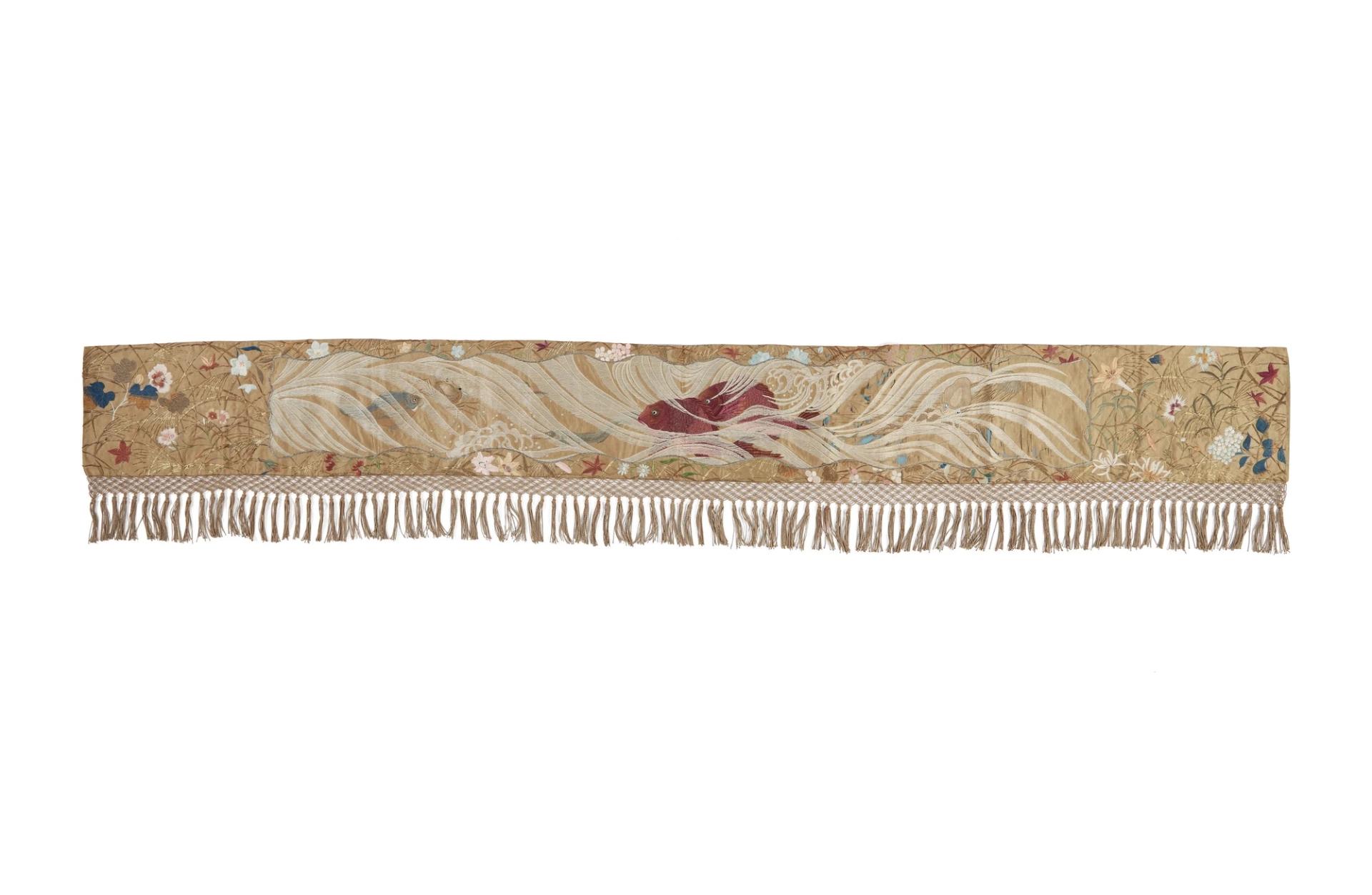
LTL In the Powerhouse Collection is a textile from Kyoto (opens in new tab) — its design is adorned with eels. In Japan, eels are known as unagi and as Gastropod notes, the country’s history of eel eating goes back many centuries and continues today. The show says, ‘Japanese people eat ten times as much eel as all the other eel-eating countries of the world put together.’
ED Hi, my name is Emiko Davies. I'm an Australian Japanese cookbook author based in Italy. My latest book is called Gohan: Everyday Japanese Cooking (opens in new tab). I absolutely love unagi. And I know that's very sad because it's now an endangered species.
Rare Albino Eel Caught in Waters Near Toowoomba (1989), 9 News A rare delicacy in southeast Asia the robust long fin eel found only in Australia brings about $100 a kilogram. The French prefer theirs much younger while Australians simply won’t eat them at all.
LTL In Japan, there are fears that eel could end up like bluefin tuna. Japanese eel reached endangered status around a decade ago and scarcity has seen prices spike. Business Insider (opens in new tab) reported that in 2018, a kilo of baby eels was valued around $35,000, making it more than bluefin tuna and almost as much as the price of gold at the time. But Emiko remembers when it was more accessible.
ED Growing up, we always had unagi as a very sort of special occasion meal. My grandmother would order in these, almost like a bento box, it's called ‘unaju’. There's a bed of rice and you have this sweet soy-glazed unagi sitting on the top. It's just incredibly delicious. The glaze just caramelises over the charcoal fire as it's being cooked. The rice soaks up all of that flavour and the rice is so, so good. When we go back to Japan, the first night it's kind of like the welcome meal because it's very, very special. Or we'll go out. My uncle has his favourite restaurant where they actually have the live eels there and they fillet them in front of you. If you sit up at the counter, you'll get a perfect view of the whole thing. They have a special way of preparing the eel. It's called ‘kabayaki’. They drive a very large nail through the head of the eel. With one bang they nail the head of the eel onto a long wooden board. It kills the eel instantly. It's a very quick, humane death. They will then fillet the whole eel. It's split down the back, it's gutted, it's boned, it's butterflied. And then they cut it into these sort of longer pieces so that the butterfly becomes kind of a square. And then they put them on skewers, which they put right over the coals with this wonderful, sweet soy sauce. And depending on how it's being made, it might be steamed or it might be just grilled right on the charcoal. It's quite an amazing thing to watch. It all happens very, very quickly. Before you know it, it's just being served up in front of you.
NH We did like a sort of British-western-y version of that at the pub, and we sort of did like treacle, whiskey and bacon and a little bit of eel stock, actually, and sort of lacquered it all the top to sort of go a bit kabayaki, but try to keep it British and be a bit more pubby. But there's nothing quite like that Japanese way.
LTL In Japan, wild-caught eel has dropped from over 3300 tonnes in 1961 to 65 tonnes in 2014, leading to an interest in alternatives such as kabayaki-style eggplant and using soy and seaweed to replicate the fish. Instant ramen company Nissin has even created a plant-based eel product. When released last July, it sold out of its limited run in just one minute.
Glimpses: Smoke House (1979), Tasmanian Archives An eel is as succulent as venison and as tender as spring lamb. The eels spend three days in an aerated bath that cleanses and purifies them. Then comes the grading process.
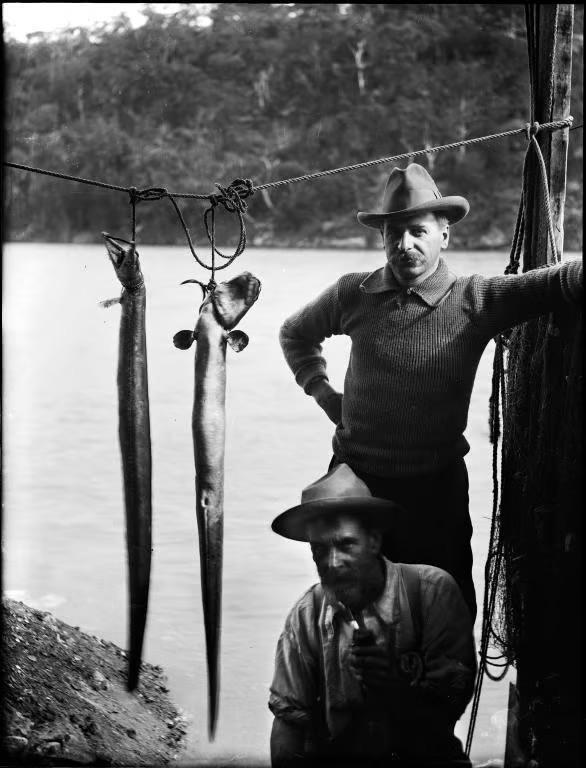
LTL In the Powerhouse Collection, you'll find a 19th century photograph of local fishermen with their catch of eel, back when the species was more plentiful. For a contemporary chef like Nik, it's important to preserve and maximise every part, as he does with Smoketrap Eels.
NH So, it's really a two-week process from once they first get in the net to sort of being on the plate. We don't waste anything and we kind of look for byproduct on byproduct. Originally, we even found little pockets of jelly that fall into the tail when you first smoked them that we were like, I wonder if you can get that out and try and sell that, because it tastes amazing, it's like this natural gelatine stock that comes out really smoky. The guys at Fish Butchery made a liver parfait with it for us once. Hearts are really iron-y and really not delicious, if I'm honest. People have used the skin to dry out for crackers. We've always been on this path to use every part of the eel as much as we can.
LTL There are other ways to source eels, too.
JN Depending on the eels that you buy, some eels have already been prepared for culinary use. A couple of eels I bought in Chinatown that literally came straight out of a tank and the attendant there dispatched it quite efficiently and then put it in a bag and handed it over the counter.
ED Eel is popular also in Tuscany, and if you go to the supermarket, if you want to buy an eel, you have to buy it live. They actually just pop it in a plastic bag for you and then like, you're going around in your shopping cart and your bag’s like, writhing around because they sell it to you live and you have to take it home and fillet it by yourself.
NH It's like a five- or six-hour process to do it all and yeah, it's not pretty — covered in slime and eel guts. But like I say, as long as they're like dead when you get them, that's cool. If they're alive, different story. After my experiences, I don't really mess with live eels.
ED I haven't yet dealt with my own live eel, partly because of their sustainability status. I'll eat it when it's served to me, because that would be an even bigger waste not to eat it. I haven't gone out to cook with it, even though where I live in Tuscany there is a real delicacy for eel there. But in Pisa, for example, and Livorno, about 30 minutes' drive from where I live, there's a traditional dish that uses newborn eels. So, they're very, very tiny. They're called ‘ce'e’, which is the local word for ‘cieche’. It means ‘blind’ because they don't even have their eyes open yet. They're like tiny, tiny newborn eels and they get fished as they are migrating from the sea into the rivers. So, in Pisa, they're making their way to the Arno River and just at the mouth of the river they get scooped up. They're protected now, so there's no fishing of cieche allowed anymore, but it was a delicacy. You would just be able to fish them yourself. You go there, you scoop them out, take them home, you cook them with garlic and sage and breadcrumbs and parmesan, and you eat that over polenta or with pasta. And in Livorno they would kind of cook them the same way but instead of the breadcrumbs, they would use tomato puree and eat it with toasted bread.
Glimpses: Smoke House (1979), Tasmanian Archives Smoked eels have a firm flesh and a delicate flavour. And once you're over the initial squeamishness, you wonder why you never tried them before.
NH We had these grand visions of making eel grey tea. We tried to play around with that, but there are just some things in life you realise no matter how much effort you put in, it's not really delicious. We've made eel soup but I think drinking it as a cup of tea instead of Earl Grey wasn't really a big vibe. The best things we found out of it is smoked eel vinegar. So, we take that katsuobushi dried eel and we soak it in half red rice vinegar and some sushi vinegar and a little bit of water so that as it hydrates, it just hydrates into it really gently. Soak it for six months and then cold filter it out and bottle it.
LTL Another way to appreciate eels is through artworks, like the eel traps by Jennifer and Yvonne. Boon Wurrung and Barkindji artist Mitch Mahoney and his aunt Maree Clarke, have crafted a 10-metre-long eel trap to highlight Indigenous engineering for Melbourne Science Gallery. While Wurundjeri artist Aunty Kim Wandin has woven an eight-metre-long eel trap sculpture cast in bronze for the National Gallery of Victoria Triennial. Then there are the artists who might have made the world's first eel skin instruments.
Emily Sheppard My name is Emily Sheppard. I'm a musician and marine scientist based in Tasmania. My work often explores the intersection between those two realms, in particular freshwater eels.
Yyan Ng Hi, I'm Yyan Ng, I'm a chef and musician from Tasmania. With Emily Shepherd we are in a collaborative composition duo called Where Water Meets (opens in new tab).
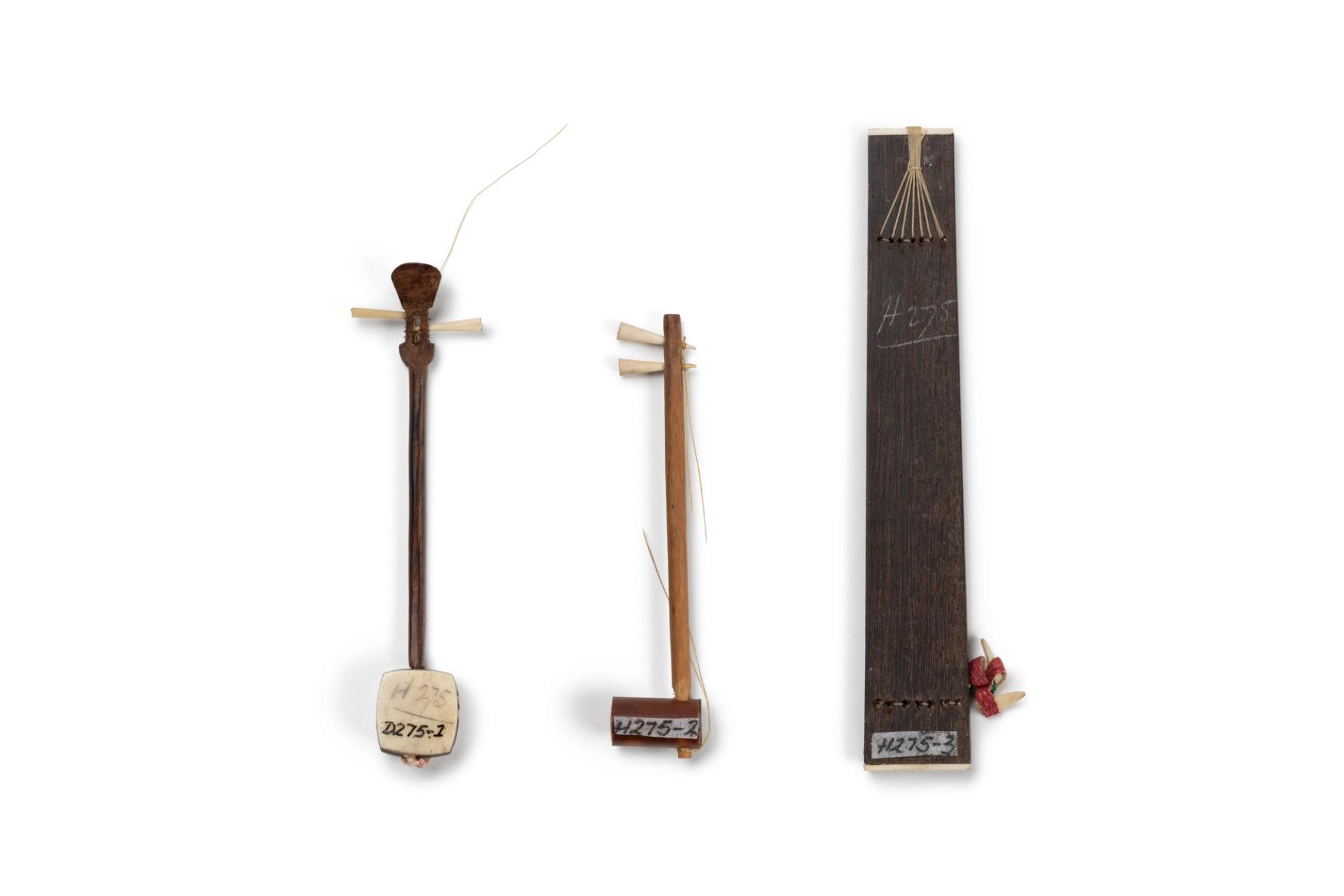
We were actually told to play on the Kanamaluka River — or the Tamar River — in Launceston for MONA FOMA. We were supposed to make it a 20-minute performance based on something to do with the river. Literally next to us was floating a dead eel. So, we started going down the path of learning about eels, making eel instruments (opens in new tab).
ES We first had some help to get the eel skinned by a local sushi chef who skinned it in a traditional Japanese way, which meant we actually lost half of the width of the eel of the belly of the skin itself.
YN That was a very crazy one week of going from nothing to getting eels, to skinning eels, to sewing eels, to working with leather, to meeting with our luthier and making it an instrument, to learning how to play the instrument, to making a show. We went with the erhu or the Chinese two stringed zither. Definitely a skin-topped bowing instrument and it's usually made with python skin. So, we thought, wow, you know, we'll get an eel skin and make that. Most people made instruments out of what's available around them. No one has made an eel skinned instrument, as far as we know. Although there's so many cultures that have eel histories, eating eels and cultivating eels, trapping eels and so on.
Their scales are so small, but also the way they use the skin is very different. They can breathe on land through their skin, creating slime and creating moisture. And they also use their skin to sense their movements in water because their eyes are actually really terrible. So, they use the smell and the sense of the skin to do a lot of things.
LTL These fish journey thousands of kilometres from birth, drifting on the South Equatorial Current towards Australia. They can even use their slimy scales on dry land because as ABC Science’s (opens in new tab) Zoe Kean says, ‘Eels only need the smallest trickle of water to travel’. It’s a relentless voyage and only ‘one in every 10,000 hatchlings’ survive.
Cultures around the world have celebrated and consumed this fish for hundreds, sometimes thousands of years. And there's an eel species called a ‘living fossil’ because of its similarity to predecessors from 200 million years ago. But this ancient fish is under threat. For Yyan, working with eels offers a chance to talk about vital topics like climate change and conservation.
YN Often people ask us, you know, ‘How could you talk about eels and preservation or conservation, but you play eel instruments, which requires killing one?’ But really, for a culture to exist around any animal, you know, we're part of nature, we're not separate from it. Cultures that have a relationship with eels and the environment and species do actually conserve it better in thinking long term instead of the short term.
LTL There are eels that are living fossils, but this fish continues to have relevance today. Indigenous eel traps are an ingenious example of First Nations science and sustainability. And just as First Nations people smoked eel to trade as food, chefs, musicians and historians are preserving the fish in creative ways, even if you have to wear chainmail gloves or scrape eel slime off your arms to deal with the mess. With the species under threat of extinction, we’re now sizing up the plant-based alternatives that are perhaps proving to be more environmental and economical. After all, $35,000 a kilo for baby eels is way beyond the budget of most people.
ED The flavour and the texture of eel, it's like a fattier, really meaty kind of fish. It's delicious. It's so, so delicious.
JN Get out a fry pan. You might crumb them, you know, eel nuggets, maybe, is a new twist on the chicken nugget today.
NH As you cook and lacquer with this kabayaki sauce you're kind of caramelising the sugar in the sauce as much as you are the meat of the eel. It's kind of like a barbecue sauce if you will, but like way, way better.
LTL This episode was inspired by items from the Powerhouse Collection (opens in new tab), such as Jennifer's glass eel traps (opens in new tab), Japanese fabric featuring eels (opens in new tab) and a 19th century image (opens in new tab) of fishermen showing off their eel catch.
Thanks to