Resistance / Resilience

‘Resistance/Resilience’ is the first episode of In Relation, a five part podcast by Powerhouse inspired by eucalypts and the Powerhouse exhibition, Eucalyptusdom.
What does traditional land management in our changing climate teach us about the vulnerability of eucalypts, and the significance of their survival?
Transcript
Agatha Gothe-Snape The Powerhouse honours the Traditional Custodians of the land on which our museums are situated. We respect their Elders past and present and recognise their continuous connection to Country.
We respectfully advise First Nations audiences that Eucalyptusdom and this podcast, In Relation, address the museum's colonial collection practices and include objects and materials of, and from Country.
I'm Agatha Gothe-Snape, and I'm an artistic associate at the Powerhouse in Sydney, Australia. I co-curated the exhibition, Eucalyptusdom, alongside Nina Earl, Emily McDaniel, and Sarah Rees. This exhibition reckons with our cultural history and ever-changing relationship with the gum tree. It contains over 400 objects from the Powerhouse Collection (opens in new tab) alongside 17 newly commissioned works.
This podcast is a series of dialogues around a selection of key themes, connected to Eucalyptusdom. Featuring practitioners, curators, researchers, and writers it explores the way we learn with and from trees.
In this episode of In Relation, ‘Resistance/Resilience’, we hear from arborist and ecologist, Dean Nicolle and Bundjalung man, Oliver Costello, experienced in cultural land management.
Both Oliver and Dean have encountered the strength and at times the vulnerability of eucalypts through their respective lines of work. Here, they offer unique insights into both the fragility and the resilience of the eucalypt in a changing climate.
Oliver Costello Jingi wala, hello. My name's Oliver Costello. I'm a Bundjalung man from the Northern Rivers in New South Wales. So, I just wanna acknowledge the Country where I am here today on the lands of the Widjabul Wia-bal people and pay respects to the Elders past, present, future. I've got a background in cultural land management on the ground sort of research and policy and advocacy.
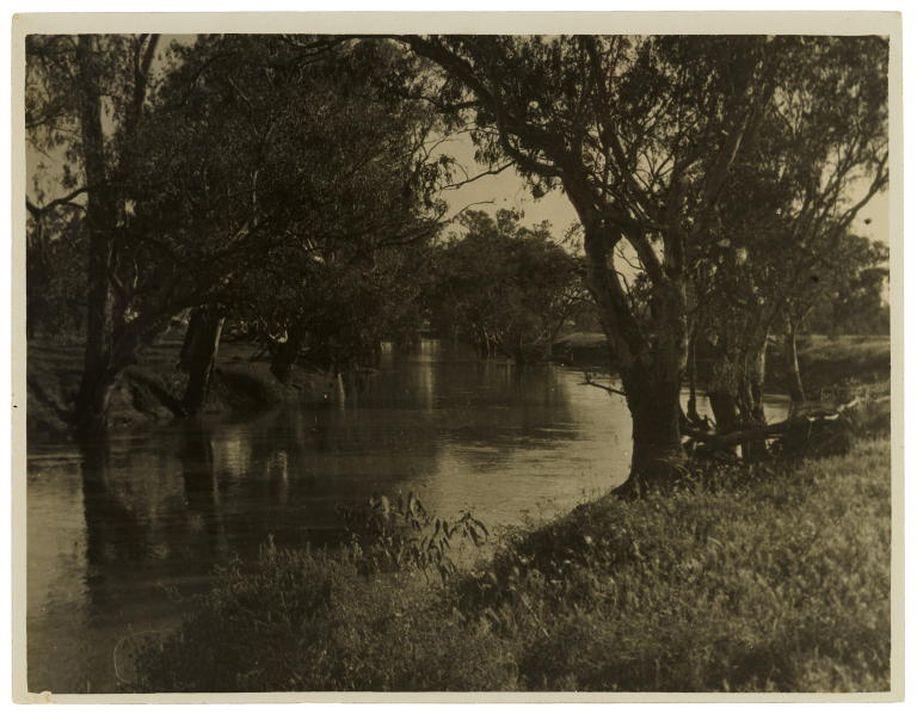
There's such a powerful ancestry across these landscapes. Thinking back to those memories, I guess, of being out on the Lachlan River, seeing these beautiful riverbanks cluttered in gum trees, and first learning about how the old people used to cut the bark off the trees and make canoes and have these old photos of sitting on the roots that hang off the banks, and jumping off them and swimming and such a fond kind of like childhood memory of gum tree out there.
AG-S Here's Dean Nicolle.
DN My name's Dean Nicolle. I'm a consultant, arborist, botanist, and ecologist specialising in the eucalypt. So, some people call me a eucalyptologist, other people call me a gum nut. I'm the creator of Currency Creek Arboretum in South Australia, which is a specialist eucalypt arboretum, where we've got over 900 different species and subspecies of eucalypts. Pretty well every species there is growing there on the one site now.
AG-S This, at times, obsessive drive to collect, catalog and study eucalypts is a longstanding theme in the colonial Australian imagination. In Murray Bail's iconic 1998 novel, Eucalyptus, the protagonist seeks to plant every species of eucalypt on his property. Bail writes, ‘It is the chaotic diversity that has attracted men to the world of eucalypts, for here was a maze of tentative, half words and part descriptions, constantly expanding and contracting almost out of control. A world within a world, but too loosely contained.’ For Dean Nicolle, the passion for understanding the eucalypt started early.
DN My interest in native plants and native trees in particular began from quite an early age. When I was about eight years old, I used to get my parents to take me to local nurseries and any eucalypt with a different name on it in the nursery, I'd ask them if they could buy it for me. And they had a few acres in Adelaide, I'd take it back to their property and plant it there. I began to think that, oh, it'd be great to grow one of every eucalypt species there was. And the more I read about them and learnt about them, I think it was my curiosity and the diversity in the eucalypts because there's over 850 different species and so much diversity they're often described as gum trees, but a lot of them are actually mallee species or the shrubby types and not even trees at all.
And that diversity in the group, that's what I really loved. And the fact that they're an iconic, uniquely Australian group of plants. There's no other continent on the planet that has an iconic group of trees like this. So, that's sort of where it started, just from an interest and passion in the group of plants. And as time went on and I learned more about them, I was lucky enough to go through university and lucky enough to make a bit of a career out of it in the end, but it's really the passion that drives my interest in this group of plants. No matter where you are in Australia, if you look out your window and you can see plants, more likely than not, they will be eucalypts.
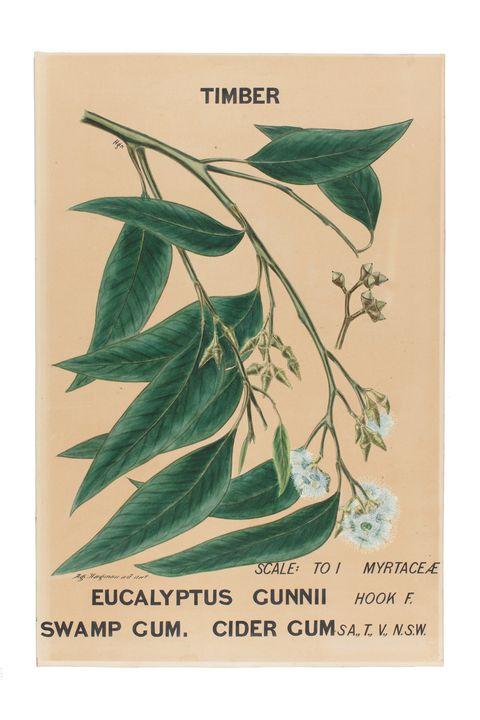
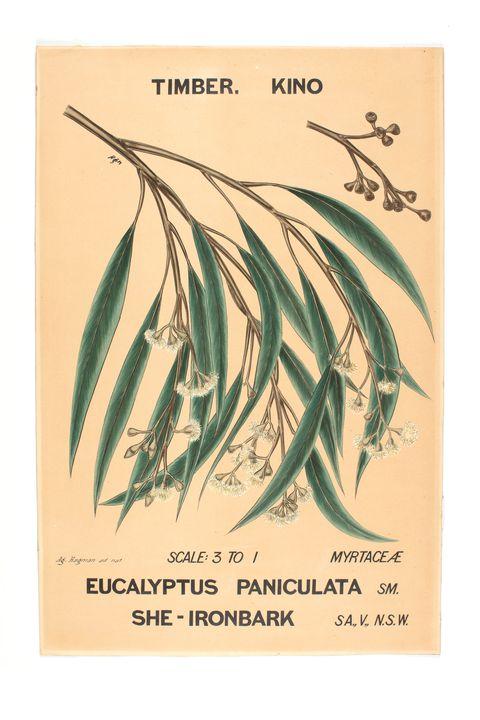
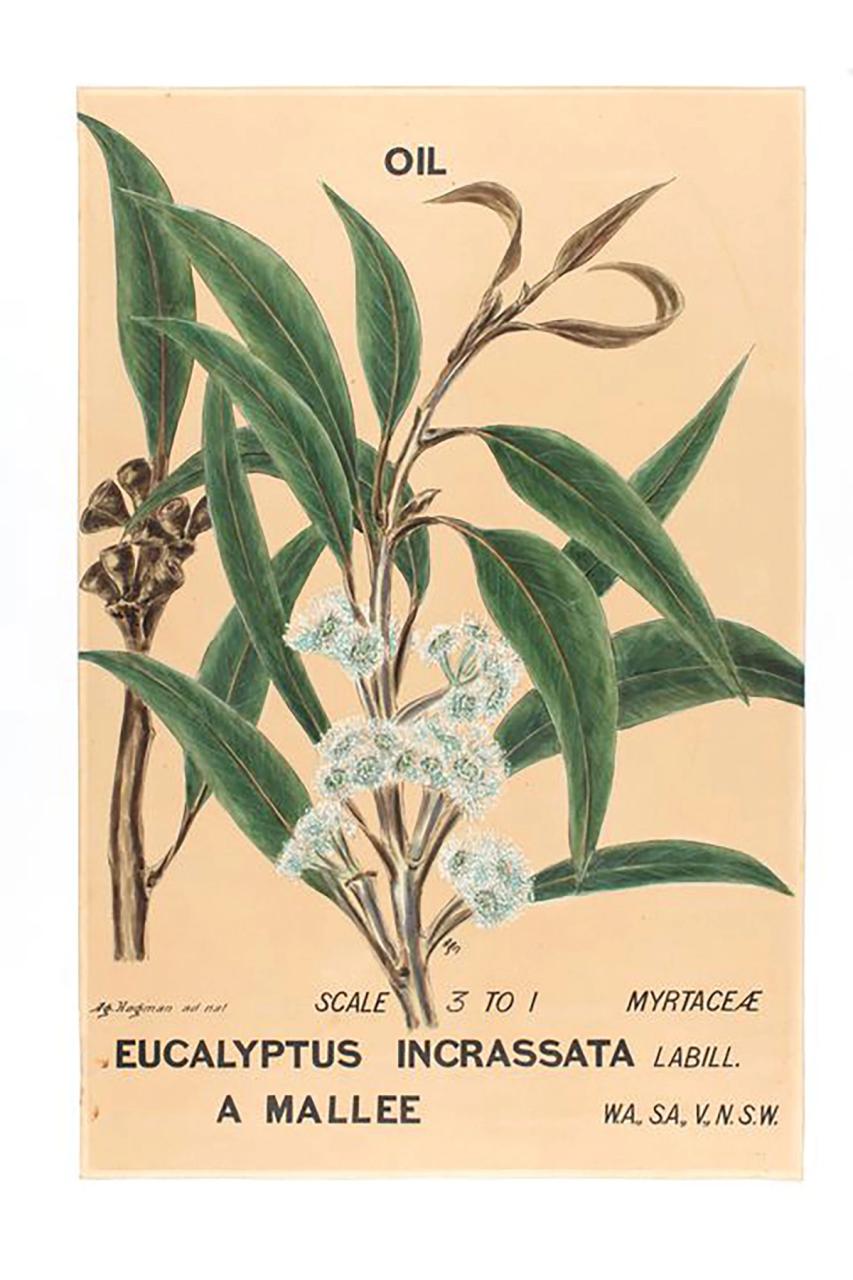
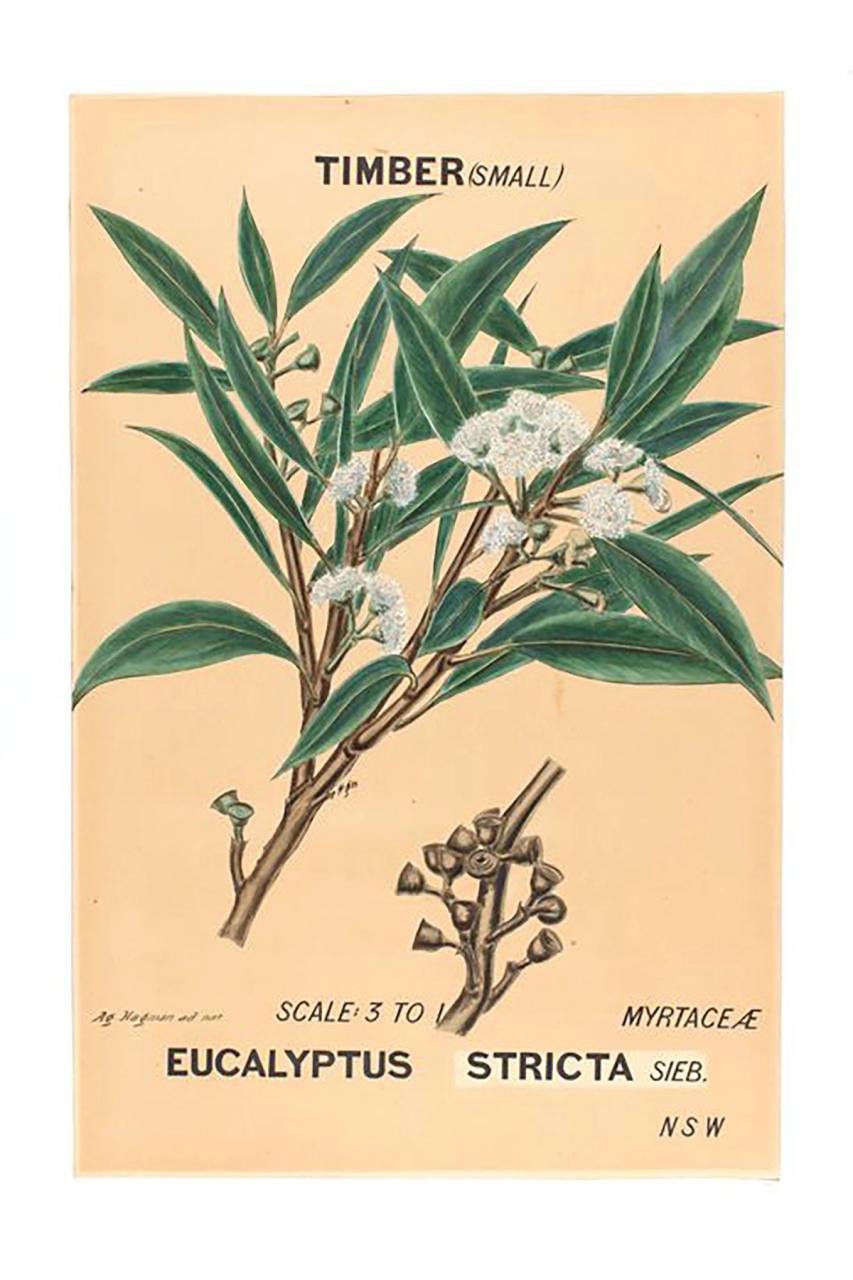
AG-S It was a gift from his parents that really sparked Dean's passion for the eucalypt.
DN There was, I guess, a moment when I was quite young, 8 or 10 years old, when my parents gave me a small book. I think it was called A Gardener's Guide to the Eucalypt. I just read through that book and looked at all the images of all the different species and was fascinated with it. And I sort of learned every page off by heart. I knew it all. That I'll never stop learning. You know, I really enjoy that.
AG-S Learning from trees and from Country is an important way to understand where and who we are, but not all knowledge is accessible to everyone, nor should it be. There are certain Indigenous knowledges, for example, that are only for Custodians to hold. Here's Oliver Costello.
OC I guess the way I think about knowledge in the eucalypt is that it really gives us a glimpse of the diversity of knowledge. They're just everywhere in these landscapes, like even in the heartland of the Gondwana, and everyone thinks of this Country up here is, you know, rainforest country and the eucalypt is everywhere. And they're like really quite powerful features in the landscape. So, I think just thinking about how they teach us about Country too, about how they have like all these stories and people have different connections and uses, like whatever those relationships are, there's gonna be all this different knowledge embedded in that in a way they're all the same, they're all evolved. And they're just learning different ways of being able to basically survive, to adapt and be resilient and understand way of being a part of Country.
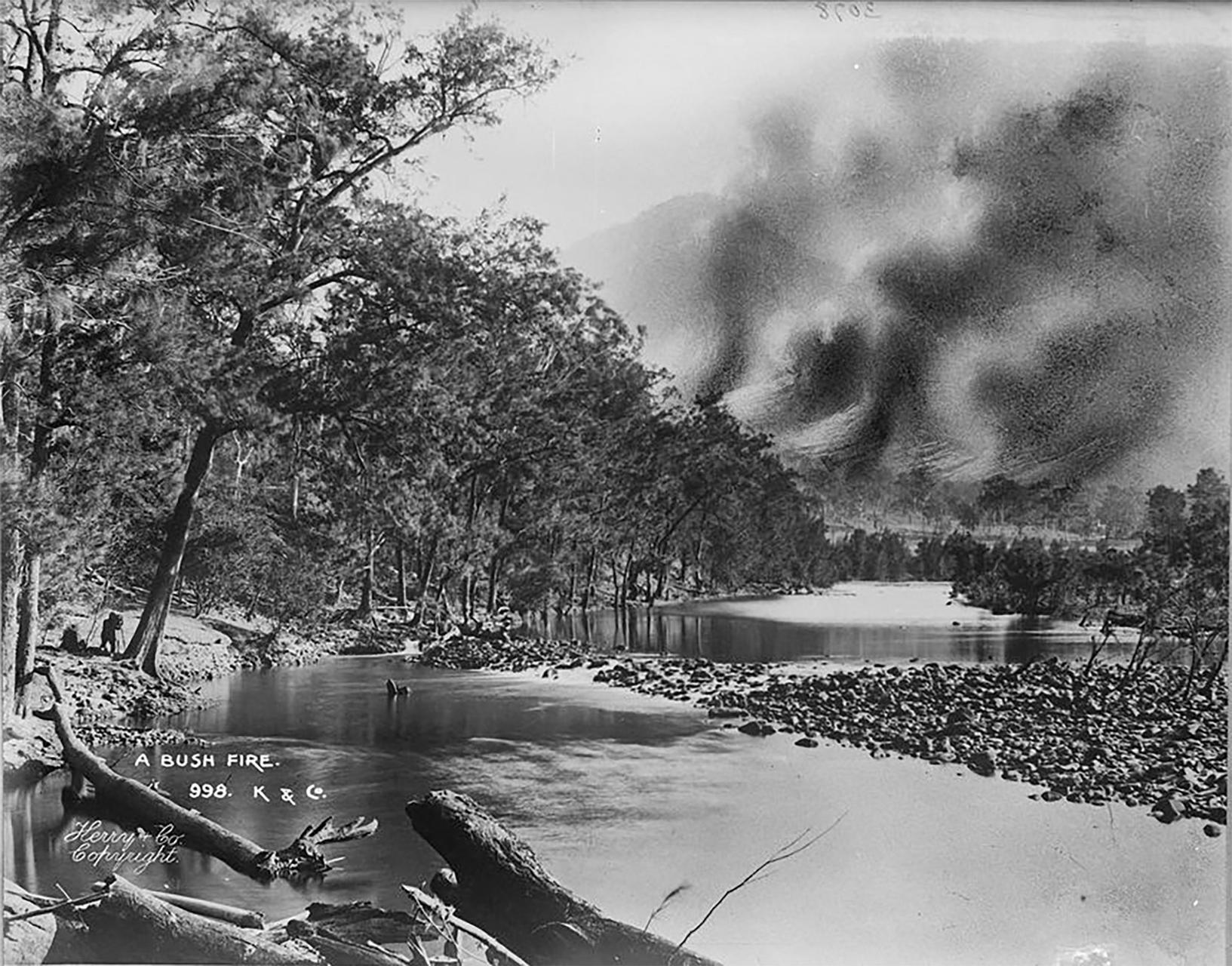
They weren't always here. A lot of Country there was no eucalypt at one point. And now they're one of the key grandmother, ancestor trees. And they've been there for thousands of years of evolving, millions of years evolving, and they have such a powerful connection and place, and they become a part of the identity of that Country. They teach us about finding our place, understanding the values and connections that we have. They literally have so much influence over the forests and the landscapes that they inhabit. When we think about that knowledge that they share with us learning about their role and how important they are for understanding what types of fire belong to the Country and how they've adapted and how vulnerable they are. A lot of them are quite vulnerable to fire. We saw lots of old ancestor gum trees perish in those 2019, 2020 bush fires. The conditions were extreme. They'd come off the back of a drought. Some of those areas that had inappropriate fire regimes for hundreds of years. And so, they've been hanging on and, and they, sometimes they can't hang on any longer.
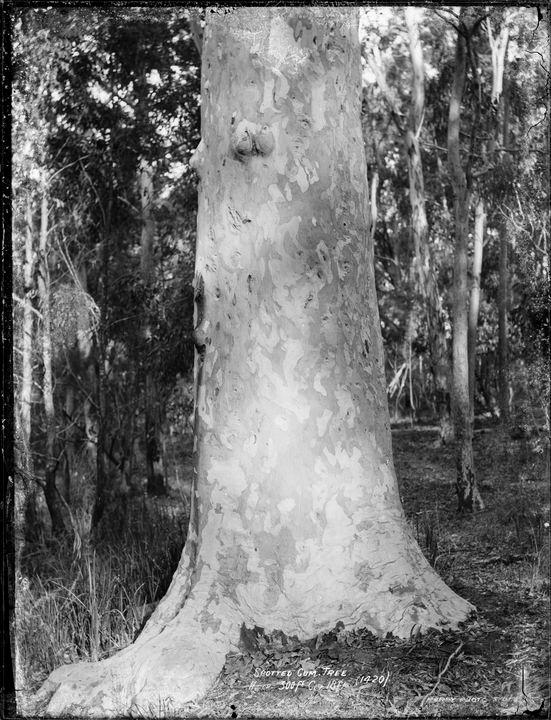
AG-S For Oliver, the diversity of trees and the knowledges they hold reflects the diversity within First Nations cultures.
OC It just teaches so much, so much about the landscape and the diversity of knowledge. In a sense, all these different scientific names, it's a similar way when we think about our cultural relationships and languages. We speak so many different languages across what is now known as Australia, cause the landscapes and the kinship changes. People's relationships change. You know, they carry over so people can understand and communicate within the landscapes, but as you move beyond them, the language changes. And it's the same as gum trees. They have the same stories as us.
AG-S Whether we think of eucalypts as resilient or vulnerable, or perhaps a combination of both, we can never know everything about them. Even for those working closest with these trees, there is always an element of surprise. Here's Dean.
DN The vast majority of eucalypts respond to fire by reshooting, after fire producing, what are called epicormic shoots from either the main root or the lignotuber at ground level, or from the trunk and the branches themselves. So, as well as relying on seed the plant itself generally isn't killed by the fire. And that allows them to regenerate after fire, but there are about 85 different species of eucalypts. So that's about 10 per cent of all the species that are fire sensitive, which means they're killed by fire. They don't have the ability to re-shoot following fire. They rely purely on regeneration from seed. A lot of these species come from the southern parts of Western Australia, but there's also oh, a dozen or so species from Southeastern Australia, including some of the really large forest species like the Mountain Ash and the Alpine Ash or through southeastern Australia.
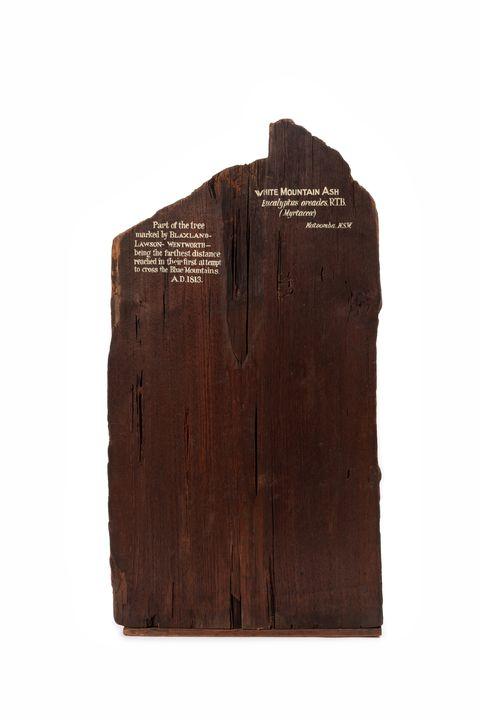
DN And because these species rely purely on seed to regenerate and the seed is stored purely in the canopy of the plant. So, there's not a seed bank in the soil itself. It means that they need a period of time between fire events to sustain a population. Because if a population of these fire sensitive species is burnt, they shed their seeds, the seeds germinate, and then they grow up. If another fire sweeps through that area before those seedlings are able to flower and set seed again, then that particular eucalypt will become locally extinct in that area. That's one of the big issues we're finding both in Western Australia and in southeastern Australia with some of these fire sensitive eucalypt species is that fires are becoming both more intense and also more frequent. And these non-resprouting species, the fire sensitive species, are really under a lot of threat because of that.
OC I think Dean’s really explained that sort of fire story quite well. In my work around learning about cultural fire when you come in the Country, you have a think about the older trees and the trees that belong there. And for lots of landscapes that's really hard because the devastating impacts of colonisation and land use. Where for us, we clear cut and a lot of invasive trees and even things that are native to Australia, but not native to places where they are now, because they're being introduced through forestry.
DN Thinking about our fire in the Country, you really wanna understand what are those relationships that those trees have to fire. They set the scene and they're responding to the soil and the aspect. And so, they're really good indicators of the potential of Country too, and what it can hold. How do they relate to fire and what type of fire? And so that's one of the things that often when we talk about fire, we tend to think more about, you know, wildfires and bush fires and whatever type of fire that's kind of outta control and generally fairly intense. Not all wildfires and bush fires are super hot and intense, you know, but they're the sort of ones that we tend to think about, the ones that tend to scorch or burn the canopy.
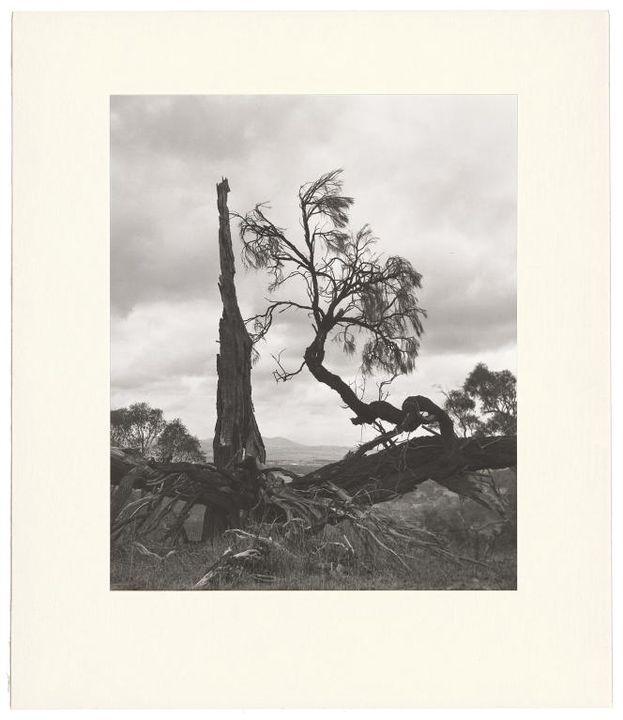
AG-S Understanding different kinds of fire is critical in caring for Country. As Dean explains, in some cases, the relationship between trees and fire is a positive one.
DN So, there's a whole heap of trees that are super vulnerable to high intensity fire, but actually quite resilient, even really desire cool fires, you know? Fires that trickle around on the ground below them. They don't burn up into the branches or the canopy. They don't impact the seed banks in the ground or the seed banks in the canopy. And they sort of have a fairly benign impact on a lot of those. Fire's gotta burn something. So, it's always gonna burn the dead stuff, the leaf and the grass and twigs and all that sort of stuff. But all of those things in those areas that fire carry have a fire relationship. You know, they either bounce back or they've got insurance policy through their seed distribution. And so being able to understand that and be able to sort of introduce that good fire for that species, but more importantly, they're just one thing we're thinking about. We are also thinking about the kinship across that Country, you know, so we're looking at the trees, the other plants, the animals, the cultural values and connections. So, there's many layers to that. Eucalypts just teach us so much of that lore and story. They're just everywhere. And being able to understand them is really critical to a good fire management.
AG-S Even though eucalypts occur across most of Australia, most species thrive in specific areas. And there are relatively few species that are found across the continent. This means that they are more vulnerable to habitat destruction and climate variation than we might think.
DN Most probably well-known one is the river red gum, which even in itself is restricted to flood plains and streams and there's others like the coolabah and some of the gray box species, but a lot of the different eucalypt species are quite restricted in distribution. So, if I look out my window here, there might be a handful of eucalypt species that are Indigenous here. And if Oli looks out his window – he's a few thousand kilometres from me at the moment – it's probably a different group of species. We're both looking at eucalypts, but completely different species, which respond to fire in different ways, which have been used historically and completely different ways. But we lump 'em together as eucalypts, because they do have some similarities as well. But again, that diversity has a lot of implications in terms of how they can be managed through fire, how they respond to fire and the threats that fire and climate change poses to them.
OC Climate change is really challenging understanding of how to manage Country. Climate change is the constant. It's not a new thing, but the new thing is the rapid state of change. But we're living through such a powerful time to experience that change. The 2019, 2020 bush fires were such a dramatic kind of introduction to a lot of people that were largely asleep at the wheel, really. When they're thinking about their responsibilities to Country, it's not just climate change. It's, you know, a legacy of colonisation and a mismanagement of Country, this whole concept of wilderness that we can just kind of push nature to the sides and look from the fire and it's somehow that makes it pristine, I think is super challenged because from my understanding culturally, you know, we have a responsibility to be on Country and to maintain roles and responsibilities on Country, which can be quite challenging for people.
AG-S First Nations led controlled burning or cool burning is slowly gaining traction and understanding across mainstream and non-Indigenous Australia. This kind of land management is an important part of maintaining and protecting our ecosystems.
OC The main thing is it builds understanding and connection. If you want to access a resource and you need to access that resource for, you know, thousands of years, might have taught you a few things about how to maintain it in the landscape. When you start to sort of remove people's connections, to be able to camp and hunt and fish, and all it removes is people's practical experiences out on Country, learning and being able to teach that practice. And what we're seeing is that there's a lot more sick Country and we're seeing rapid changes. The floods that we have up here this last month, rainfall I've never seen in my life. Like literally, I've just never seen rain like that before and floods that are two meters higher than its ever been before. Like no coincidence. And so, I think it's really powerful to sort of step back and think about what's happening in these landscapes and thinking about the legacy of that and what we can do.
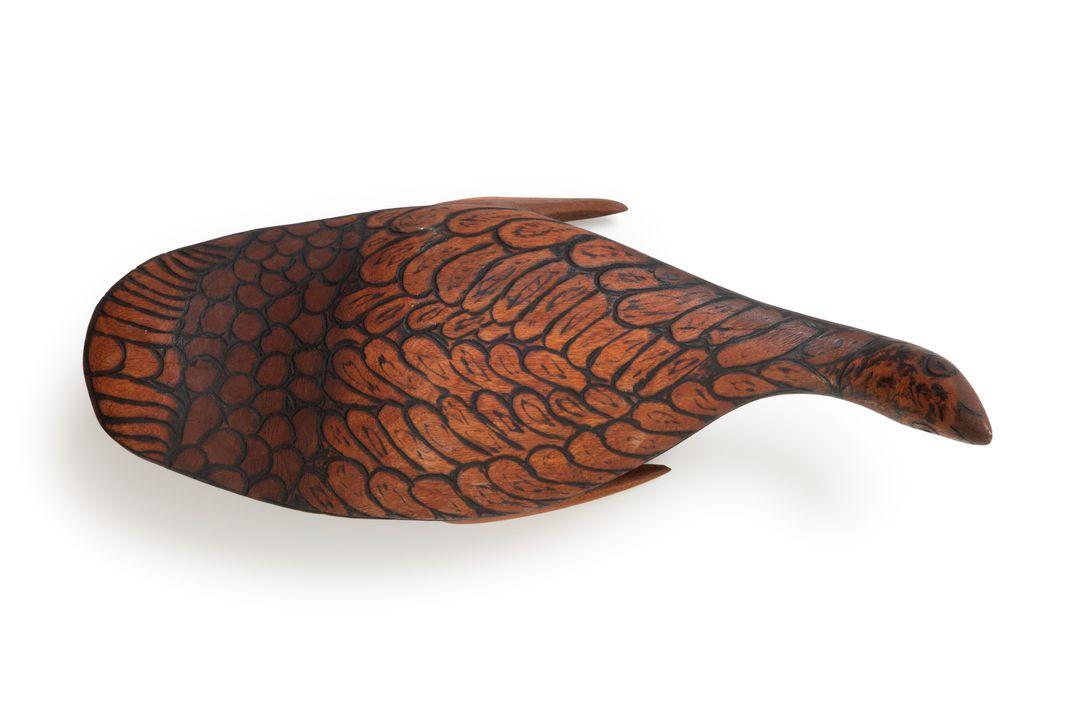
‘They teach us about finding our place, understanding the values and connections that we have.’
And I think the thing we need to do is get more people on Country, get more people out there, understanding eucalypts are a big family, and they have different fire relationships. And a lot of eucalypts will bounce back, you know. When you're asking them to keep bouncing back for a couple hundred years and you have a compounding pressure that you're burning the wrong way, you're clearing the land, you're displacing the kinship of the species and not just the eucalypts, all the things that they relate to 'cos they are vulnerable and not just gonna keep bouncing back.
They are super resilient, they're survivors and they've been demonstrating that for millennia, but they're under threat. Seeing huge diebacks of eucalypt gum forests on the ranges. And that's being exacerbated by fire and climate change, trees, carbon levels, creating more shrubbery. And there's a lot we can learn. We've just gotta, yeah, spend more time sitting on Country with ancestor trees and learning from them and teaching other people that connection.
AG-S For many Australians, the eucalypt is embedded in our sense of self and place. And no matter where they are in the world, seeing or smelling a gum tree is a potent reminder of home.
DN Cause eucalypts are often used by people as a connection to Country, without even realising it by a lot of people. They might live in Australia their whole lives and take eucalypts for granted almost. But if they ever travel overseas where they're not exposed to eucalypts, they may come into an area where eucalypts have been planted - because they are commonly used as a plantation species in a lot of overseas countries - and suddenly they can smell the eucalyptus, the eucalyptic soil in the air. They can smell it and immediately makes 'em think back to Australia and think, Oh, that reminds me of home. So even just that subconscious connection to Country through eucalypts like that is really good.
People aren't gonna value the natural landscape unless they're exposed to it, unless they're in it at times. And more and more, it seems that people, you know, are moving into the cities and not exposed to natural landscape. And therefore, they don't have any understanding of them or feel for 'em. Particularly children, I think they should be spending more time in these natural landscapes. The more they're almost living in that environment or interacting with it, the more they'll value it in their adulthood. Obviously, it'll take time to change that. And we don't seem to be moving in the right direction there, but it has to change if we wanna value these natural landscapes more.
AG-S Dean's work at the arboretum is one massive experiment. And there are constant surprises, especially when it comes to why, how and where certain species of eucalypt will grow.
DN Every minute I spend at the arboretum, I'll see new things. And I'm surprised by what I see. Some of the things that really surprise me are species that will actually grow quite well on that site that are a very long way from home. And I wouldn't have predicted to grow well there. So, something from, you know, North Queensland that grows really well. This site is south of Adelaide, you know, so quite a different rainfall temperature, probably different soils as well. So, then you've gotta ask the question, well, why wasn't this thing growing here anyway, why is it only restricted up to there? Is it about the way it can't spread through the landscape? Is it because, although it will grow here, it won't reproduce on the site because the, whatever it might be, doesn't allow seedlings to establish? So, it's hard to say, you know, if there's one thing that I found more surprising than anything else, but it's all these little things that all go together that sort of add to the story.
AG-S Both Dean and Oliver experience the eucalypt’s strengths and limitations through their work. Eucalypts are a diverse and complex genus, a keystone species that is vital to the health of this continent's ecosystems. Through observing the vulnerabilities of gum trees, we can better support them to be resilient in a changing climate and understand that our survival is dependent on theirs.