Henri Mallard: Bridging Worlds
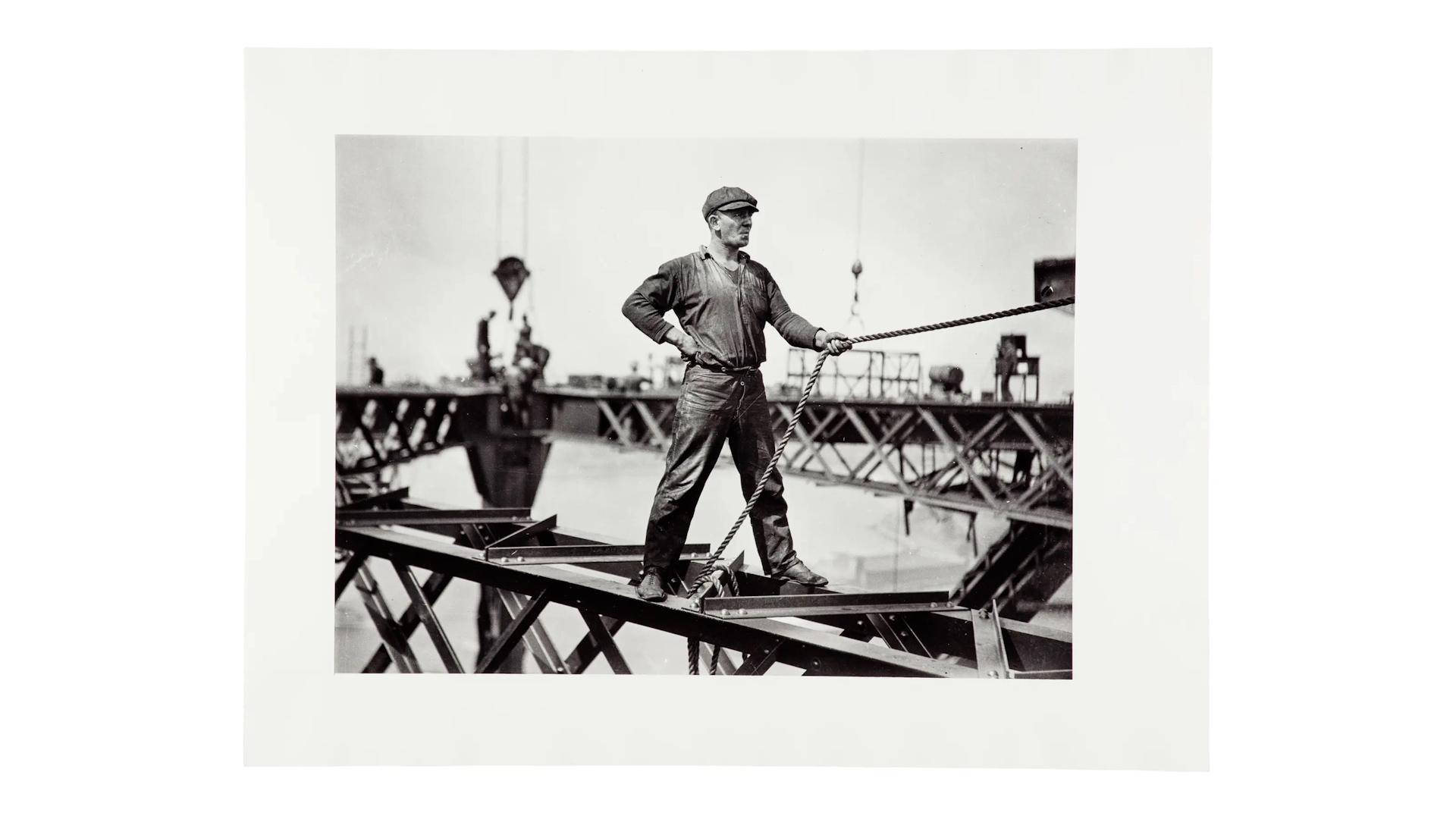
More than a century since his camera captured the construction of the Sydney Harbour Bridge, Henri Mallard’s iconic photographs have entered the Powerhouse Collection (opens in new tab), strikingly spanning the applied arts and sciences.
‘He is in amongst it with the workers, on ground level and aloft, on the deck or the girder, and dangling.’
After Henri Mallard died in 1967, even his family was astonished by what was found in his shed. Mallard’s dentist son Paul knew his father had managed Harrington’s, the Sydney supplier of photographic goods where he had worked for 52 years, and that he’d been a passionate photographer and filmmaker before World War II, but nothing quite prepared Paul for the discovery of dozens of glass plate negatives gathering dust in the shed.
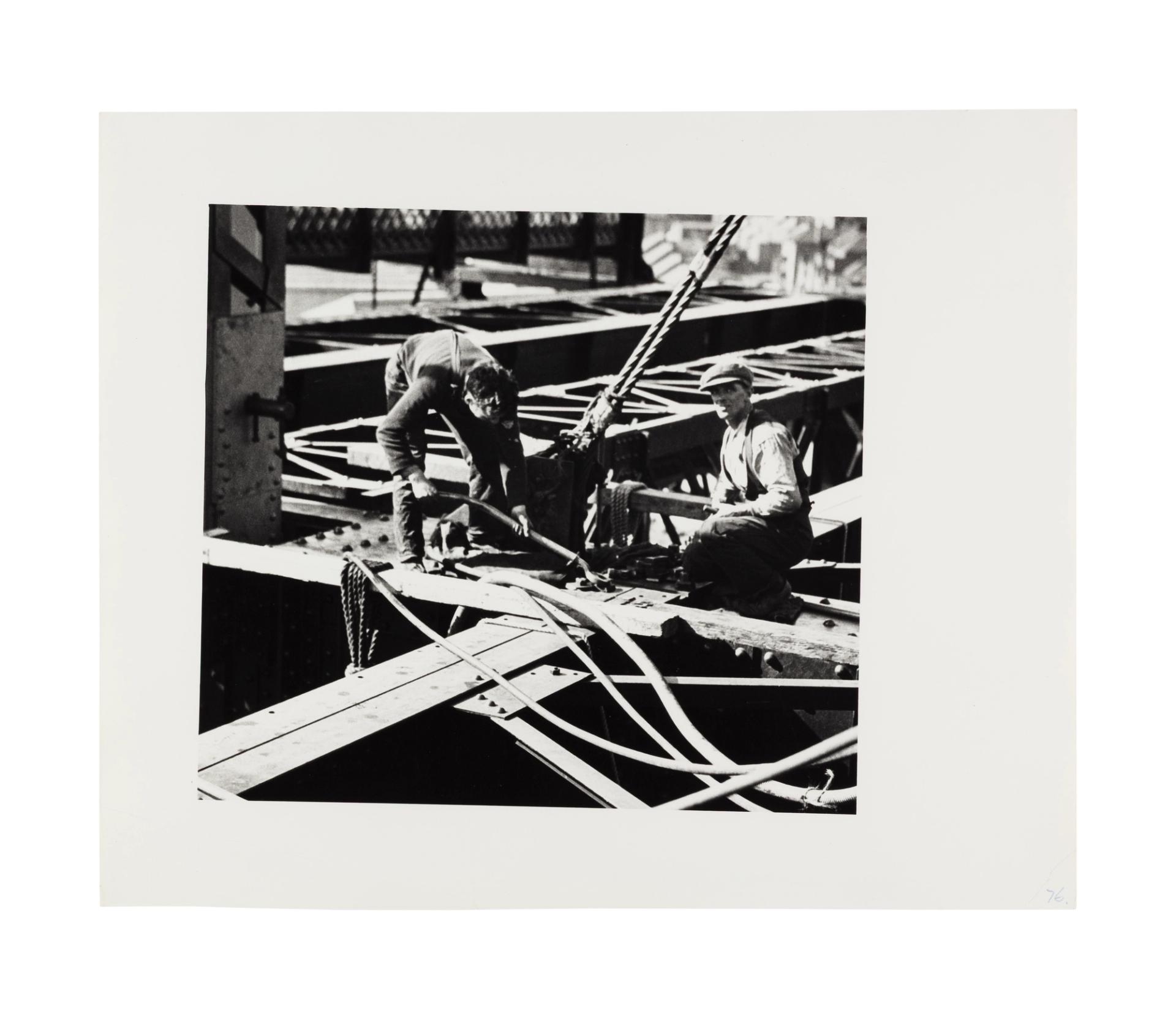
‘Paul was very surprised,’ Lisa Moore says of their longtime family dentist who retired in 1989. So surprised, in fact, that Paul called on Lisa’s father, the photographer David Moore (1927–2003), to inspect and identify the images captured in the decades-old glass. ‘Dad was overjoyed to find what he found there,’ she recalls, ‘and realised the significance of them as a collection.’
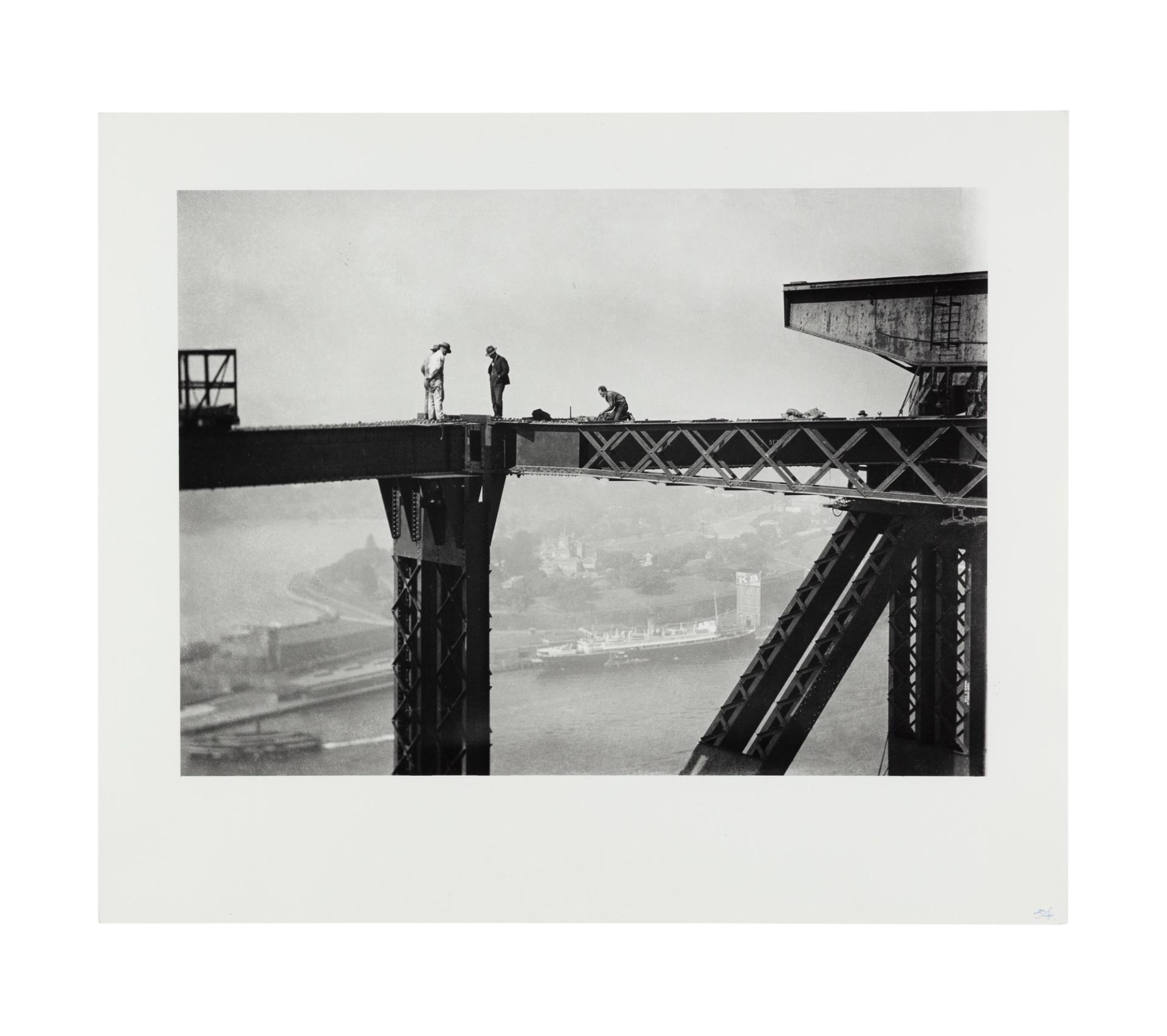
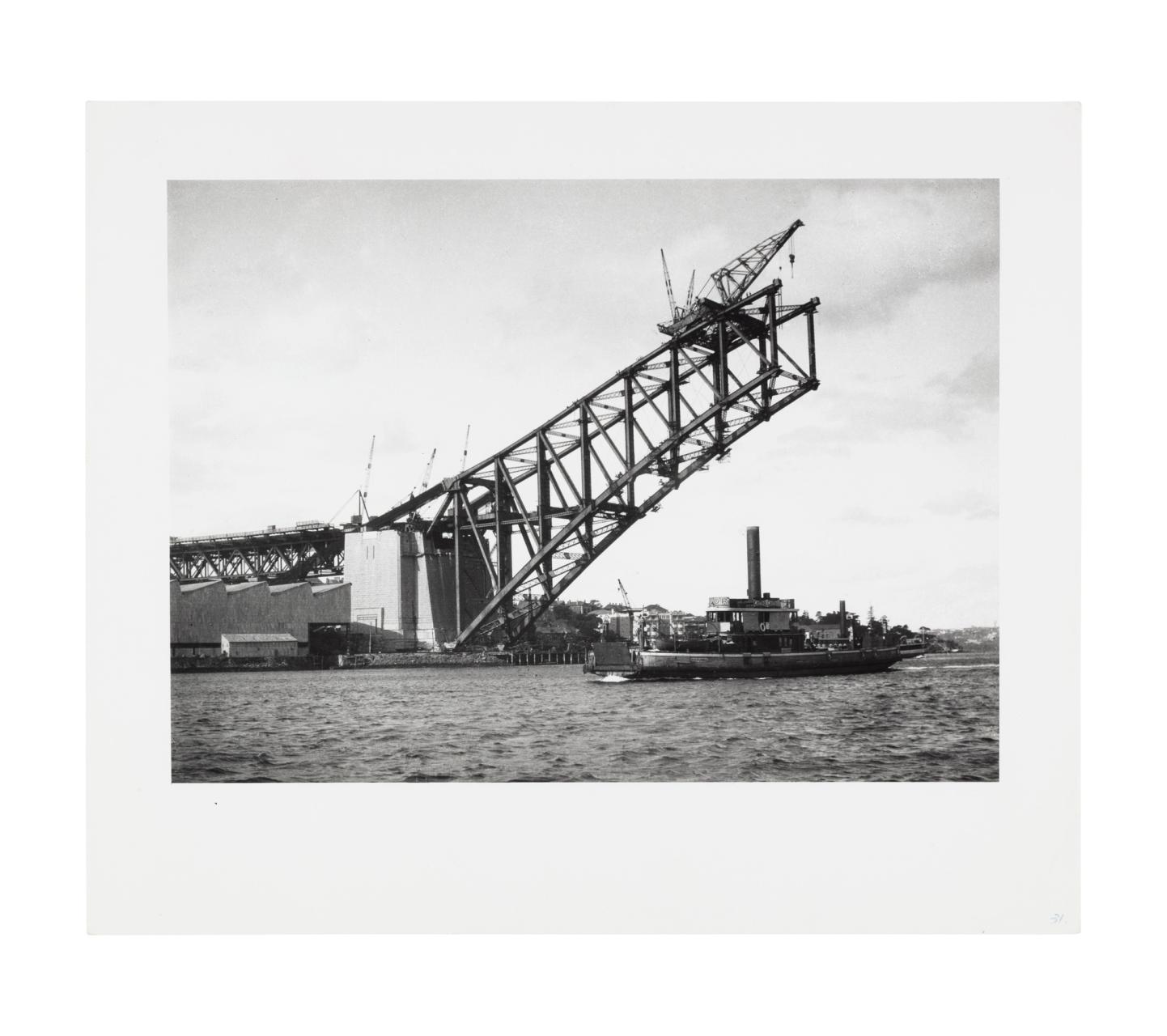
There were black-and-white images of men in slouch hats and dungarees – labourers, riveters and dogmen – their faces creased and squinting at the sun; other images followed the journey of barges laden with metal as they laboured across the chop of Circular Quay. However, most images captured the bridge the men were constructing: the cobwebbed curve of latticed steel that arced 503 metres across Sydney Harbour. The name of the photographer, like many of the men in the pictures, had been eclipsed by the icon that was being erected from steel and granite and which, on completion in 1932, spanned the city’s diverse society and geography. But David Moore immediately recognised the importance of Henri Mallard’s images.
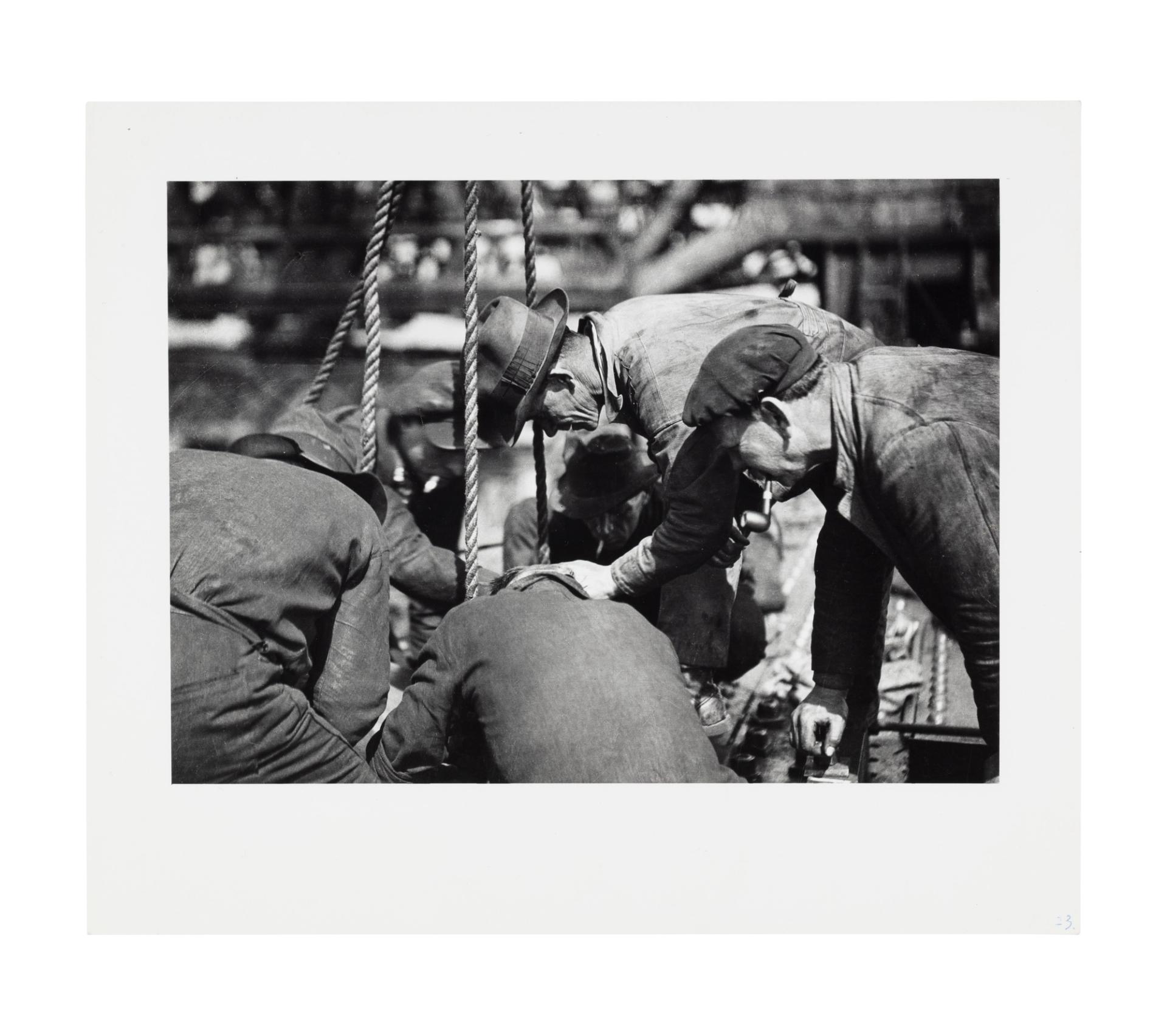
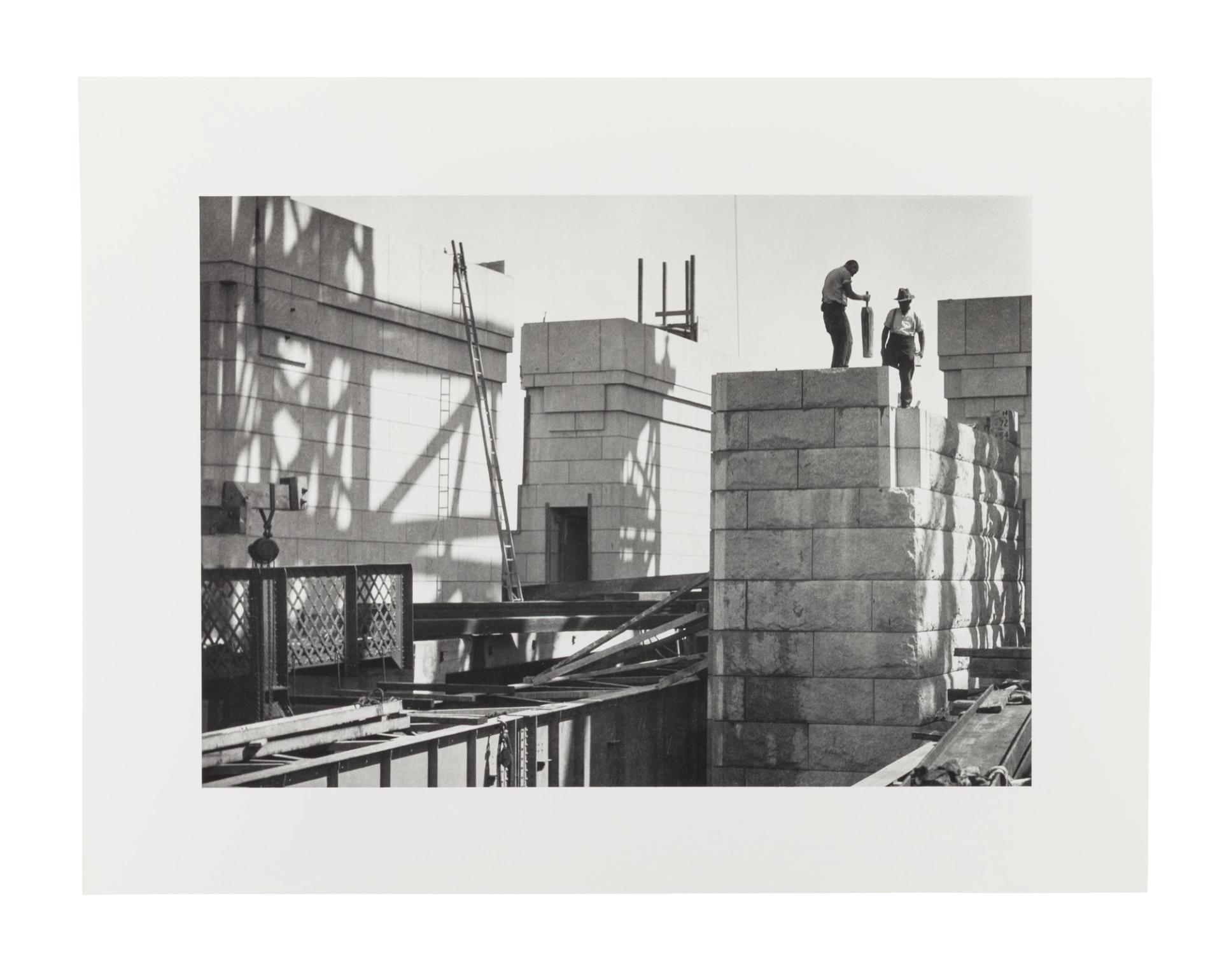
‘Dad was blown away by their composition and the fact that Mallard was really connecting with the workers as well,’ Lisa Moore says. ‘And it actually influenced Dad to go on and do his own documentation of the construction of the Anzac Bridge between 1992 and 1995.’
David Moore’s instinct was right. As a photographer whose images such as Migrants arriving in Sydney (1966) helped define Australia’s evolving national identity, Moore was also instrumental in shaping an important new cultural institution as one of the founders of the Australian Centre for Photography (ACP). When the ACP opened in late 1974, part of its mission was to reveal the forgotten history of Australian photography. The following year, the ACP presented the first survey of Max Dupain’s work, elevating his Sunbaker to iconic status. Moore saw a similar resonance in the work of Henri Mallard.
The son of French immigrants and an early member of the Sydney Camera Circle, Mallard had forged a photographic practice melding the misty-lensed style of Pictorialism – a movement that sought to elevate photography to an artform – with the sharpness of photographic Modernism. In a sign of his status within the photographic community between the wars, Mallard was given unrivalled access to document the bridge’s construction from 1928, and four years later had recorded more than 70 images on his glass plate negatives. In 1976, once the contents of Mallard’s shed had been donated to the ACP, Moore made gelatin silver prints from the glass negatives, and an exhibition, book and instant classic was born: Building the Sydney Harbour Bridge: The Photography of Henri Mallard.
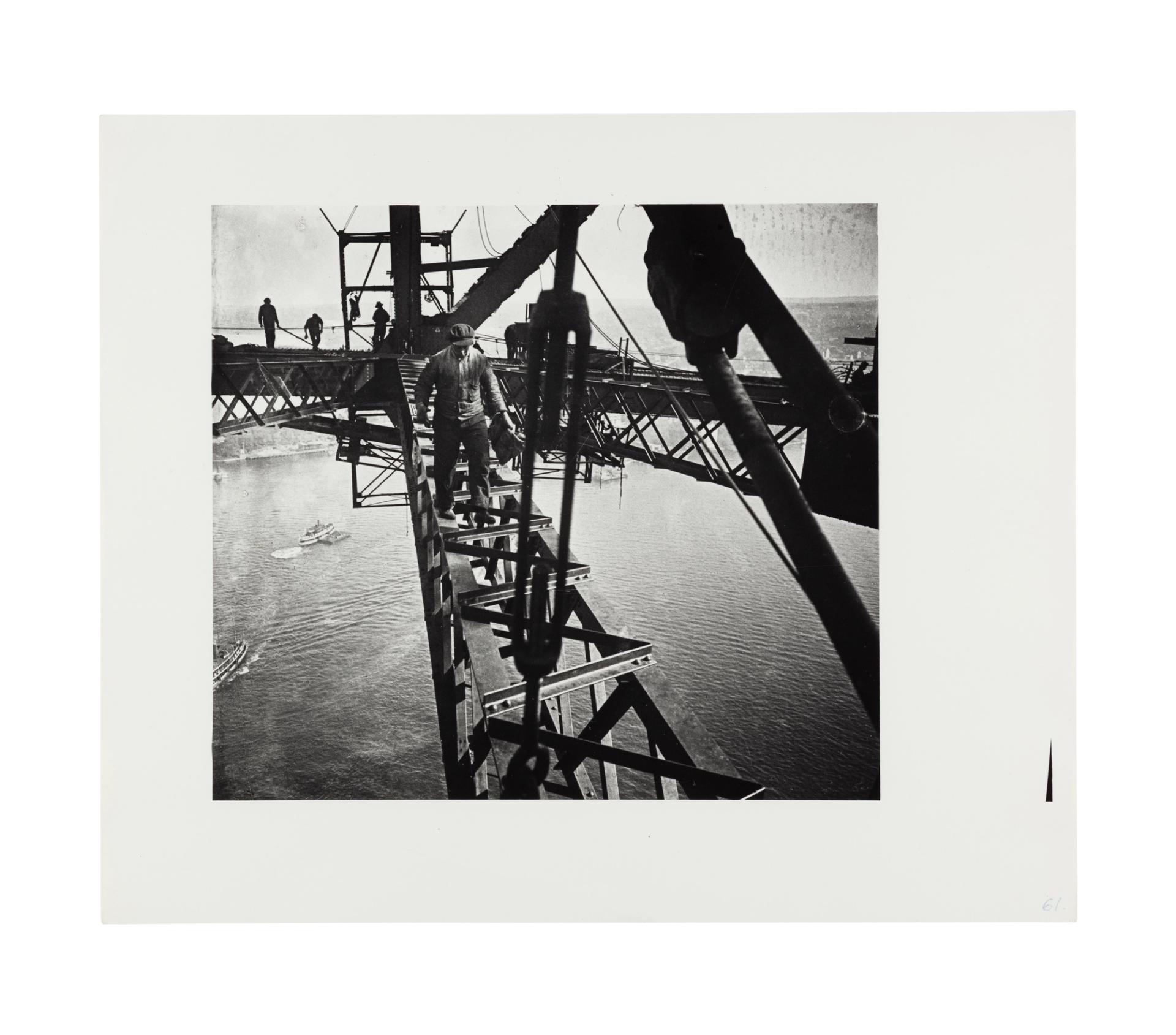
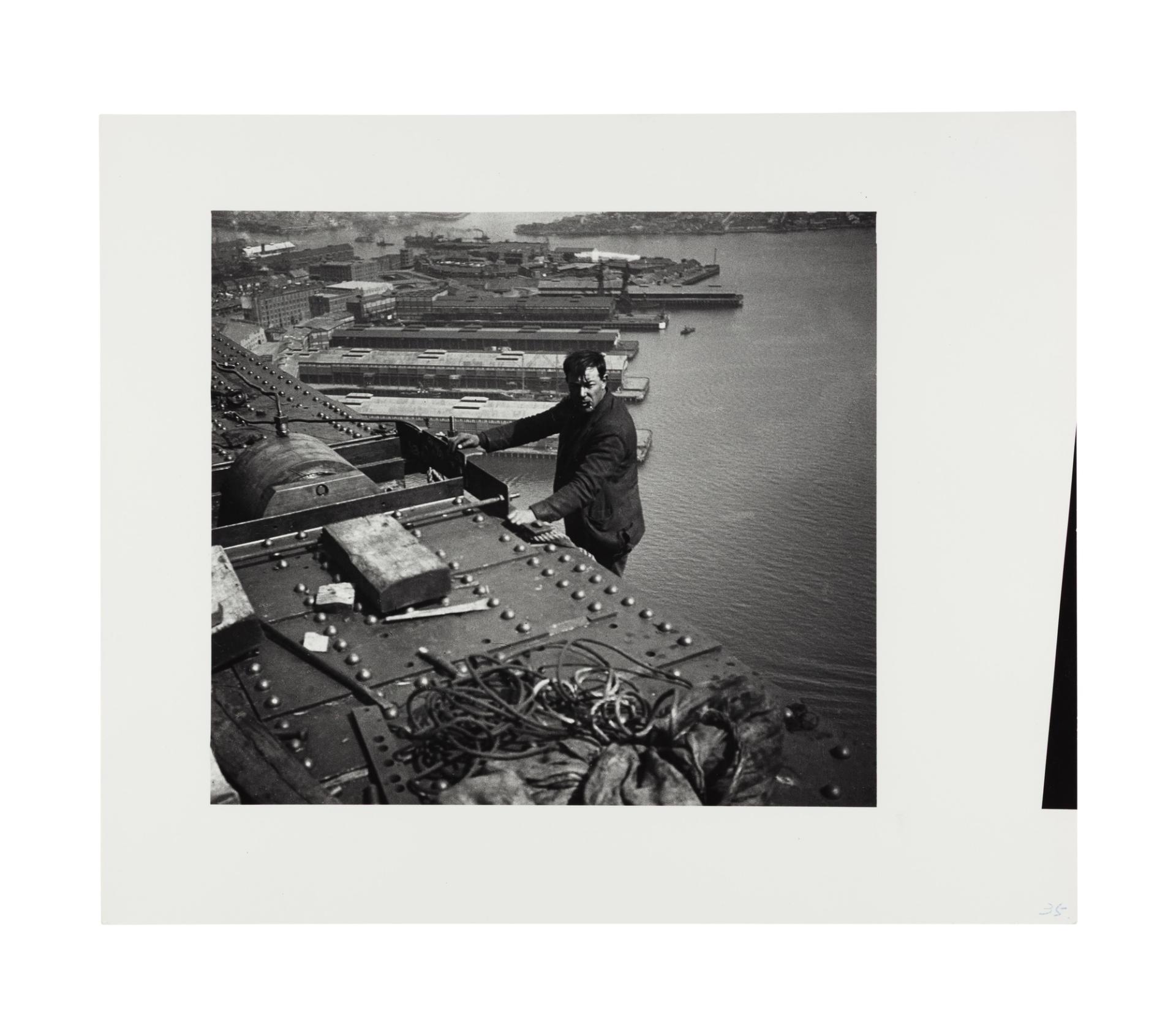
Mallard’s archive of negatives and positives on glass and celluloid, and his bromoil contact prints, along with Moore’s negatives and prints, remained in the possession of the ACP until 2022, when the ACP archive was transferred to Powerhouse. In acquiring more than 400 Mallard-related objects for the collection, Powerhouse curator Antares Wells became fascinated by the photographer, whose work encompassed the applied arts and sciences.
‘In thinking about the history of photography, we often narrate it as a succession of movements, with Pictorialism giving way to Modernism,’ Wells explains. ‘Mallard shows that the story is more complex. He used the bromoil printing process – a process that substitutes silver for pigment, producing effects closer to etching and painting. But he also worked with urban subject matter more closely identified with Modernism. He worked across both visual languages at once, and his photographs are interesting in terms of art history, social history and the history of technology.’
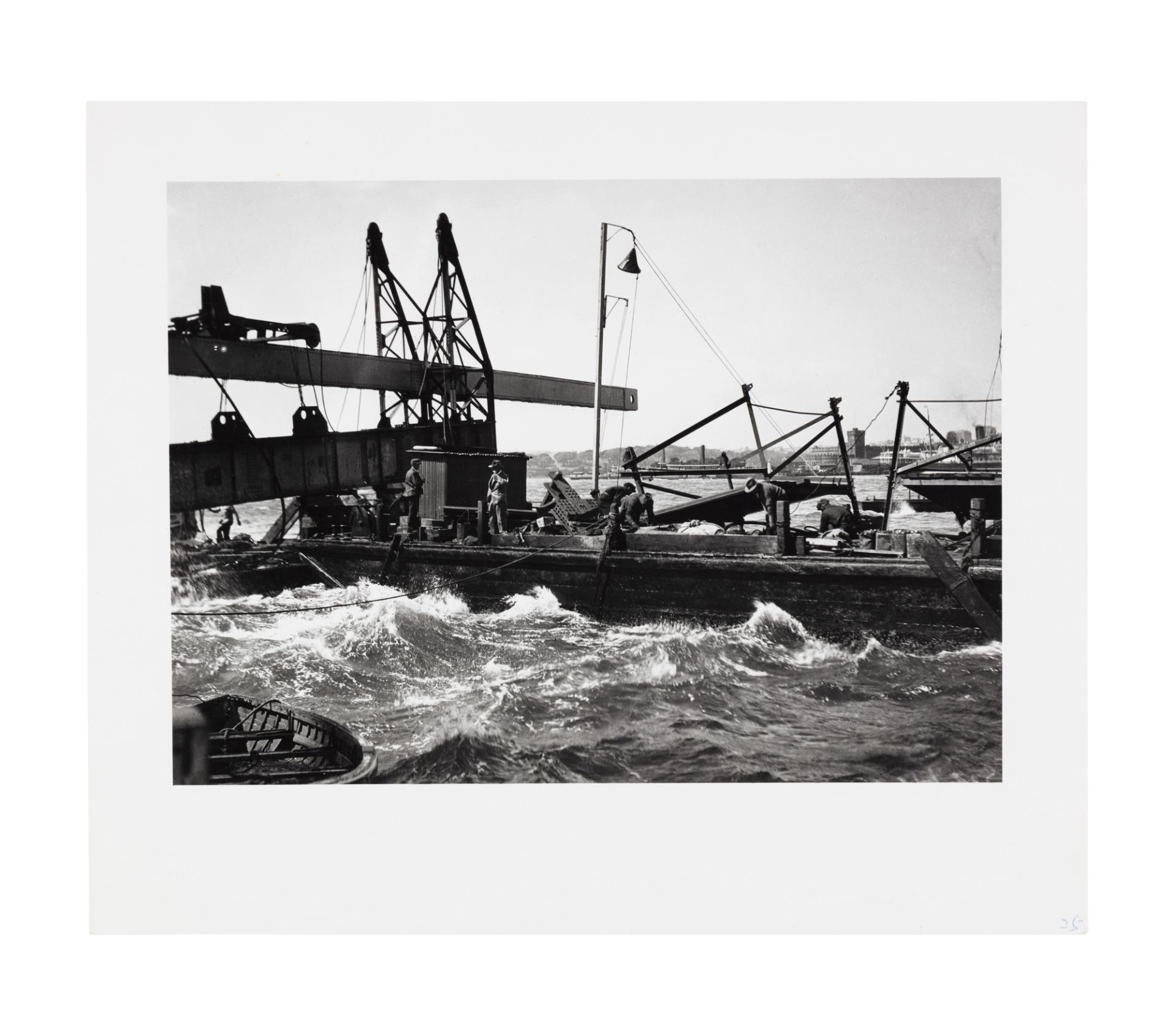
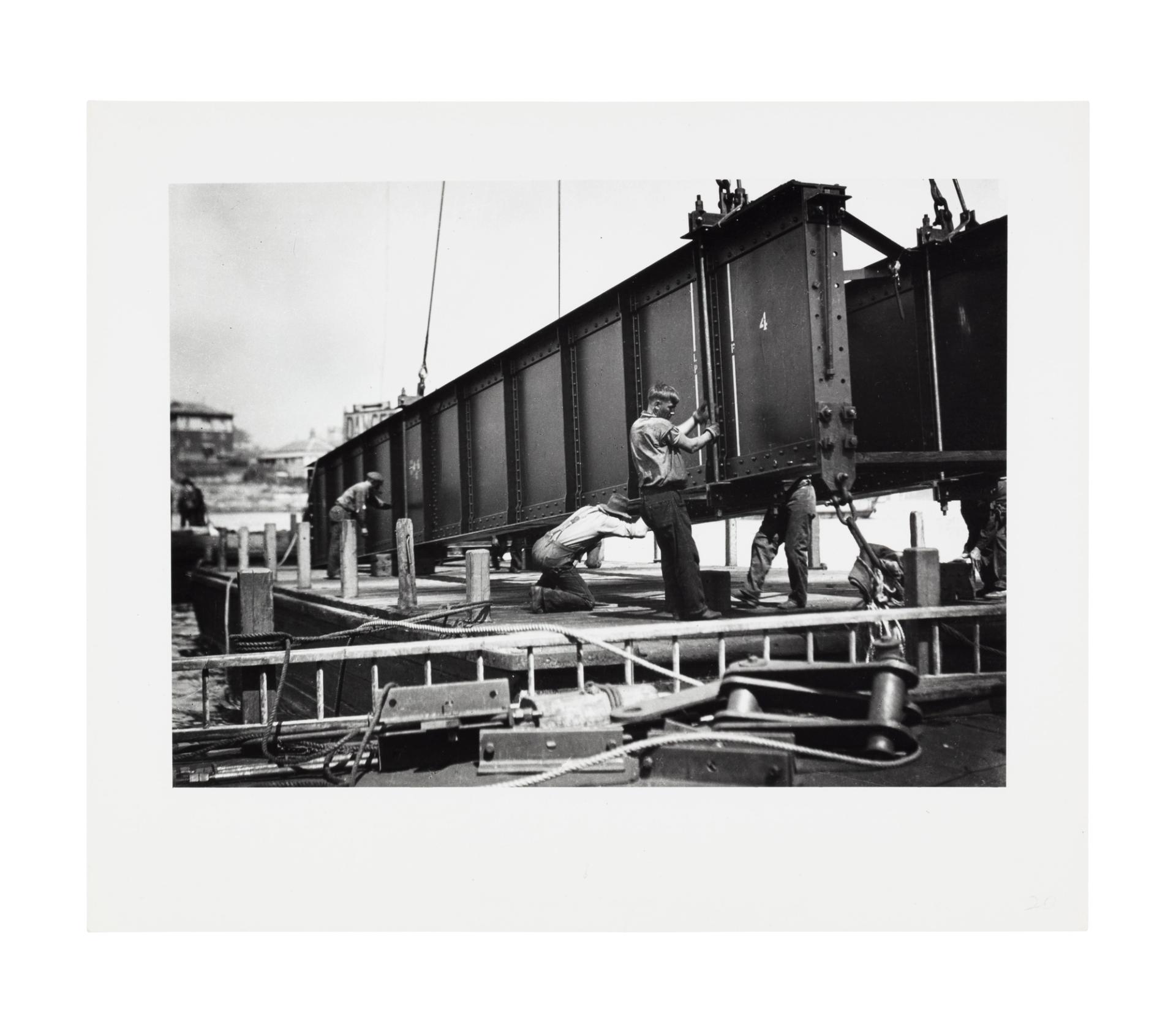
The rise of ‘the Coathanger’ on the harbour attracted many artists, including painters Dorrit Black, Grace Cossington Smith and Roland Wakelin. But Mallard’s attention to the workforce behind its construction makes his photographs distinctive. ‘He was deeply interested in the lives of the construction workers,’ Wells says, ‘in the community that had formed around the bridge, and also in the social change that was happening around its construction: the resumption of land on the north side of the harbour and the transportation of materials across the harbour – the harbour as a site for industry.’
In this sense, Mallard worked as hard as his subjects did. ‘He was one of few photographers permitted to ascend the structure,’ Wells says, ‘and he adopted an ever-changing vantage point that served to emphasise the dynamism of the structure itself. His photographs helped create a vision of the Harbour Bridge as an icon of Australian Modernism.’
Mallard’s images will only continue to resonate, bridging worlds and building our understanding across the arts and sciences. His newly acquired archive succeeds in complementing the bridge-related objects already held in the Powerhouse Collection. These include rivets, building samples and engineering models, along with souvenirs and commemorative objects tied to the bridge’s opening in 1932, a significant photographic collection and shellwork models by Bidjigal artist Esme Timbery. ‘We saw this archive as the missing piece in the puzzle,’ Wells says. ‘The bridge looms large as an icon in the Australian imaginary and in the history of Sydney and modern Australia. The Powerhouse Collection can now track that – the development and representation of the bridge in Australian visual and material culture over time.’
View the rest of the series
More
Powerhouse Photography
An ongoing series of programs, commissions, acquisitions, publications, learning and research activities dedicated to the promotion and development of photography in Australia.