Food Sovereignty

‘Non-Indigenous people have a huge role to play... everything that we do on this country, everything is as a result of the dispossession and the colonisation that has happened. So, we have a huge role to play in [righting that wrong] and participating in reparations. And one way we can do it in terms of native food is eating more native food. Making sure we're buying it from First Nations people. Thinking about the whole supply chain when we're buying that food...’
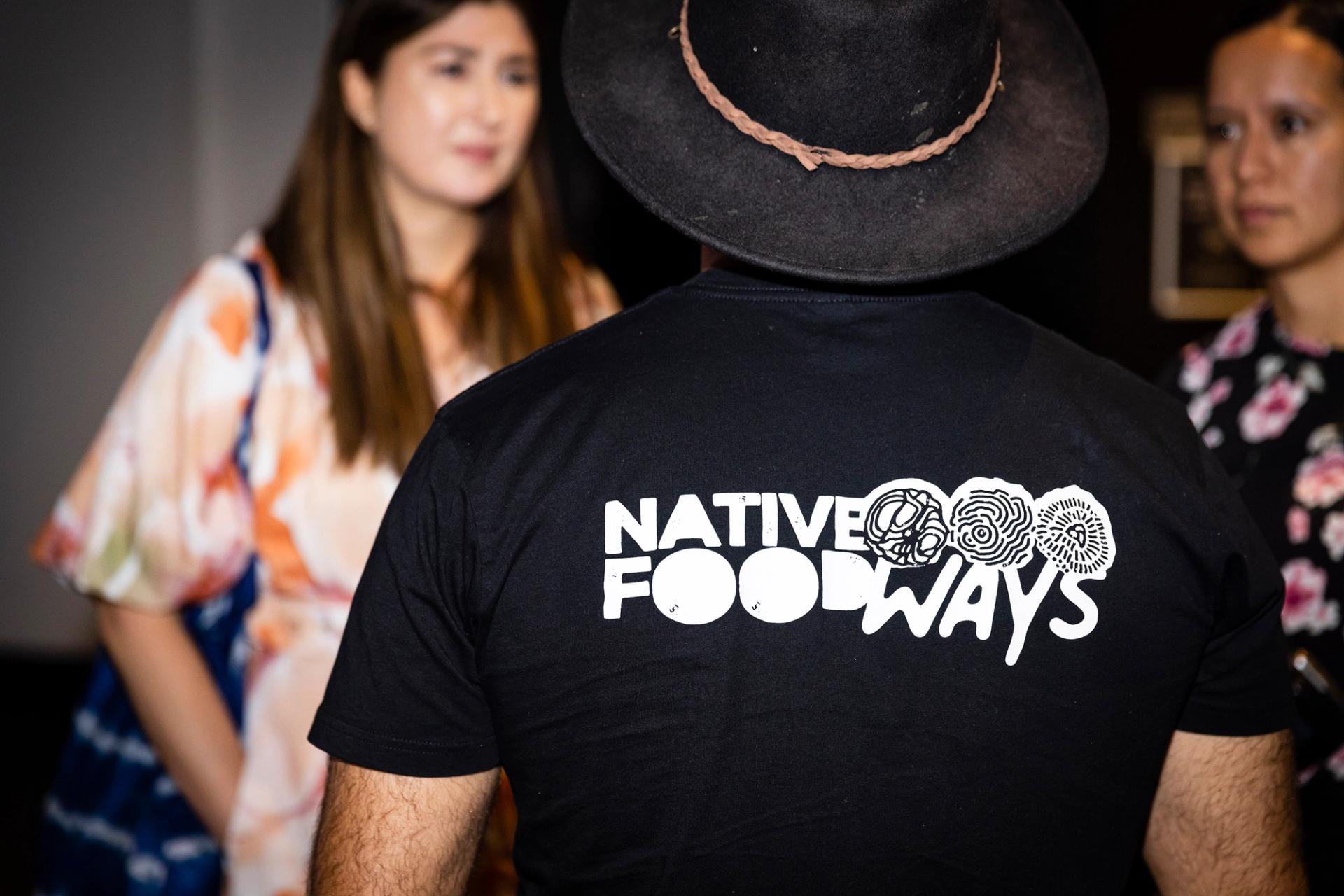
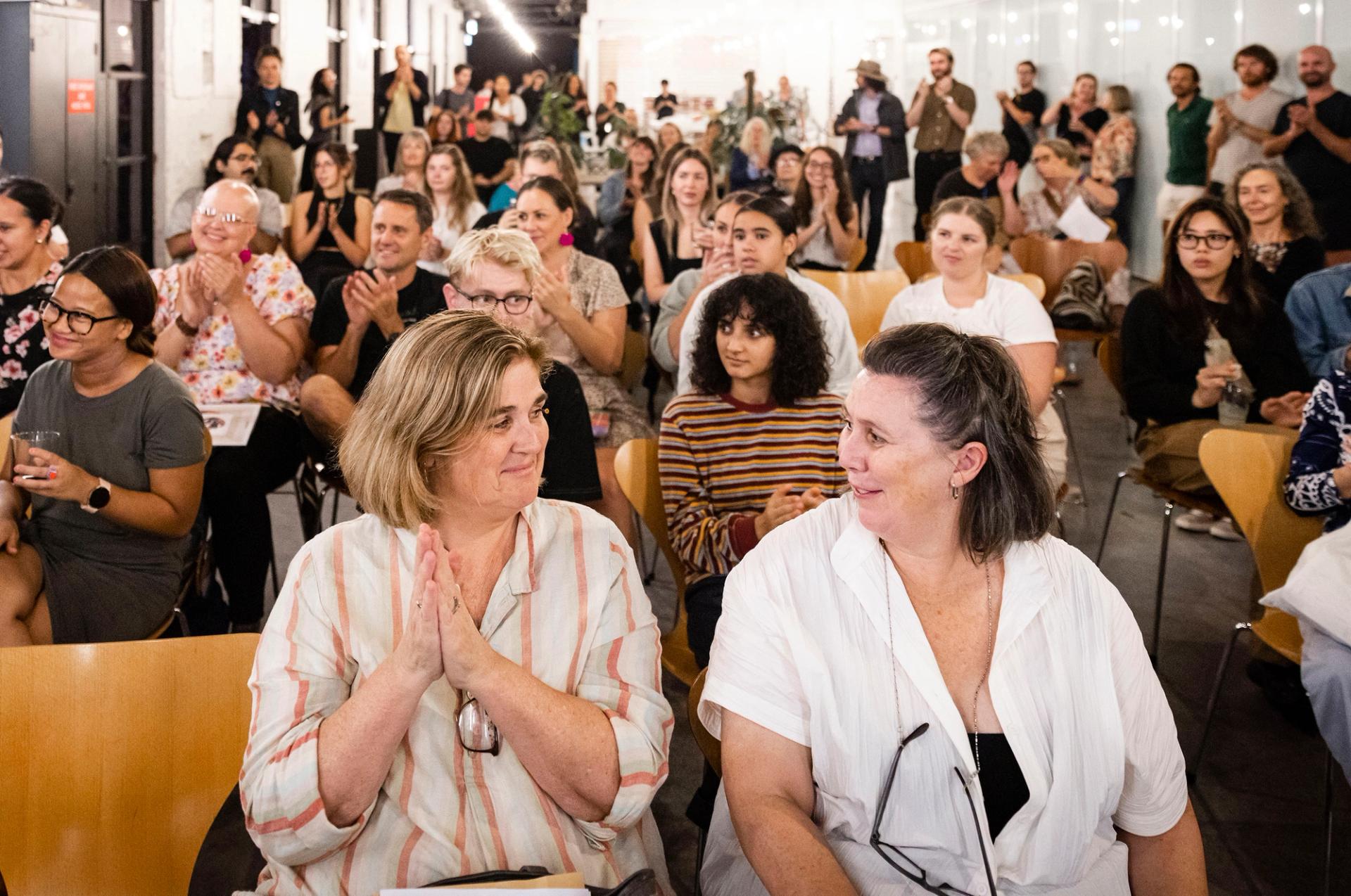
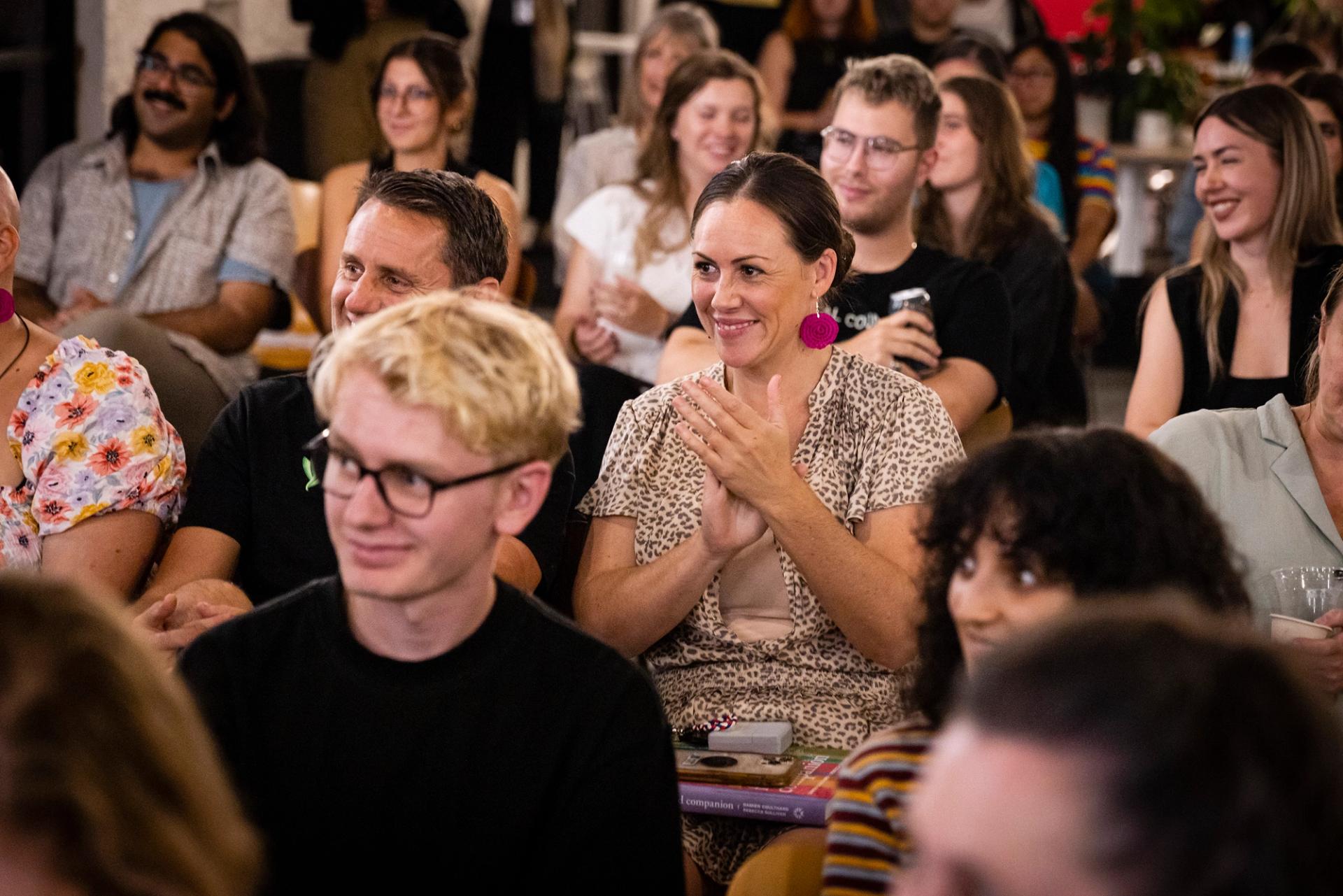
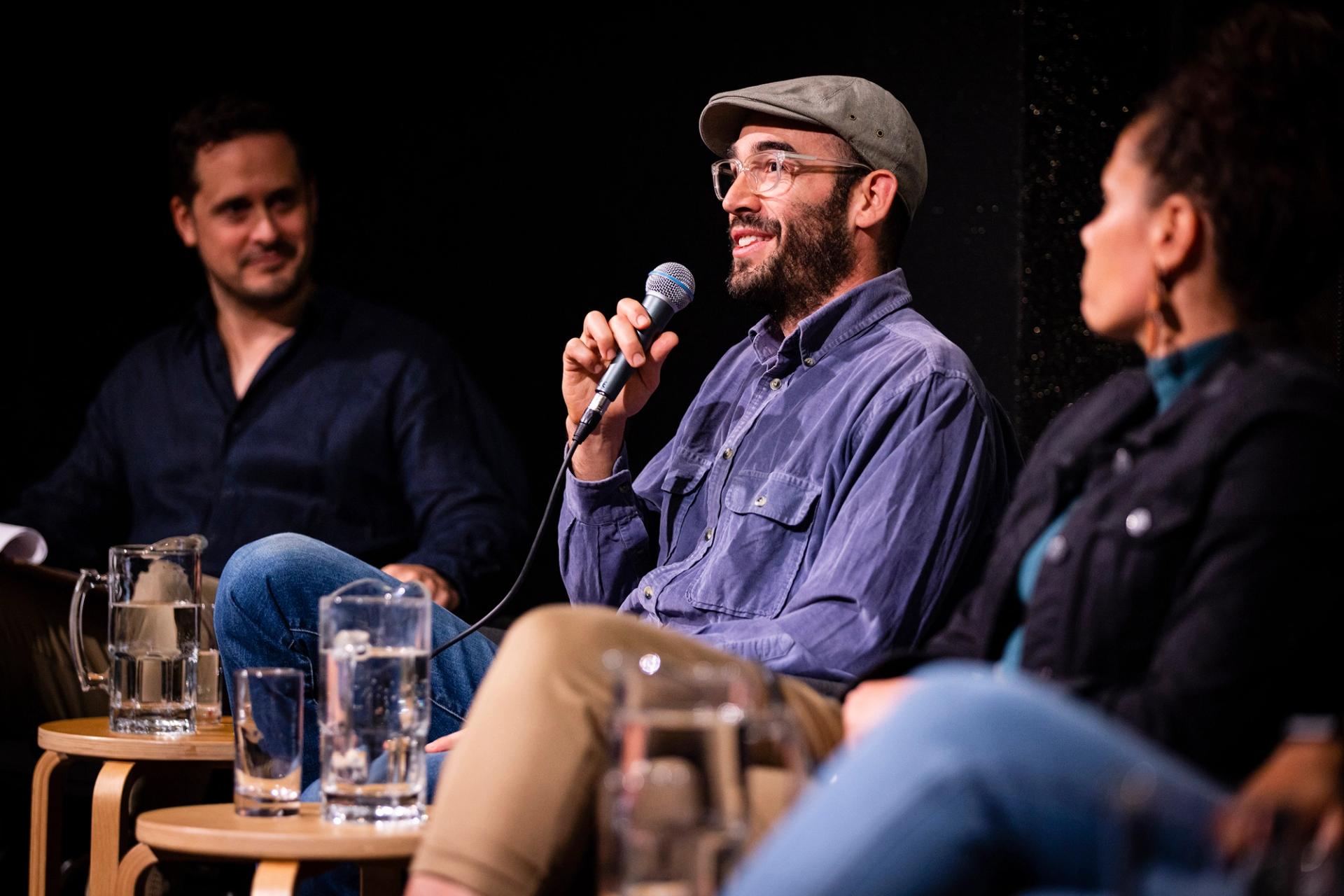
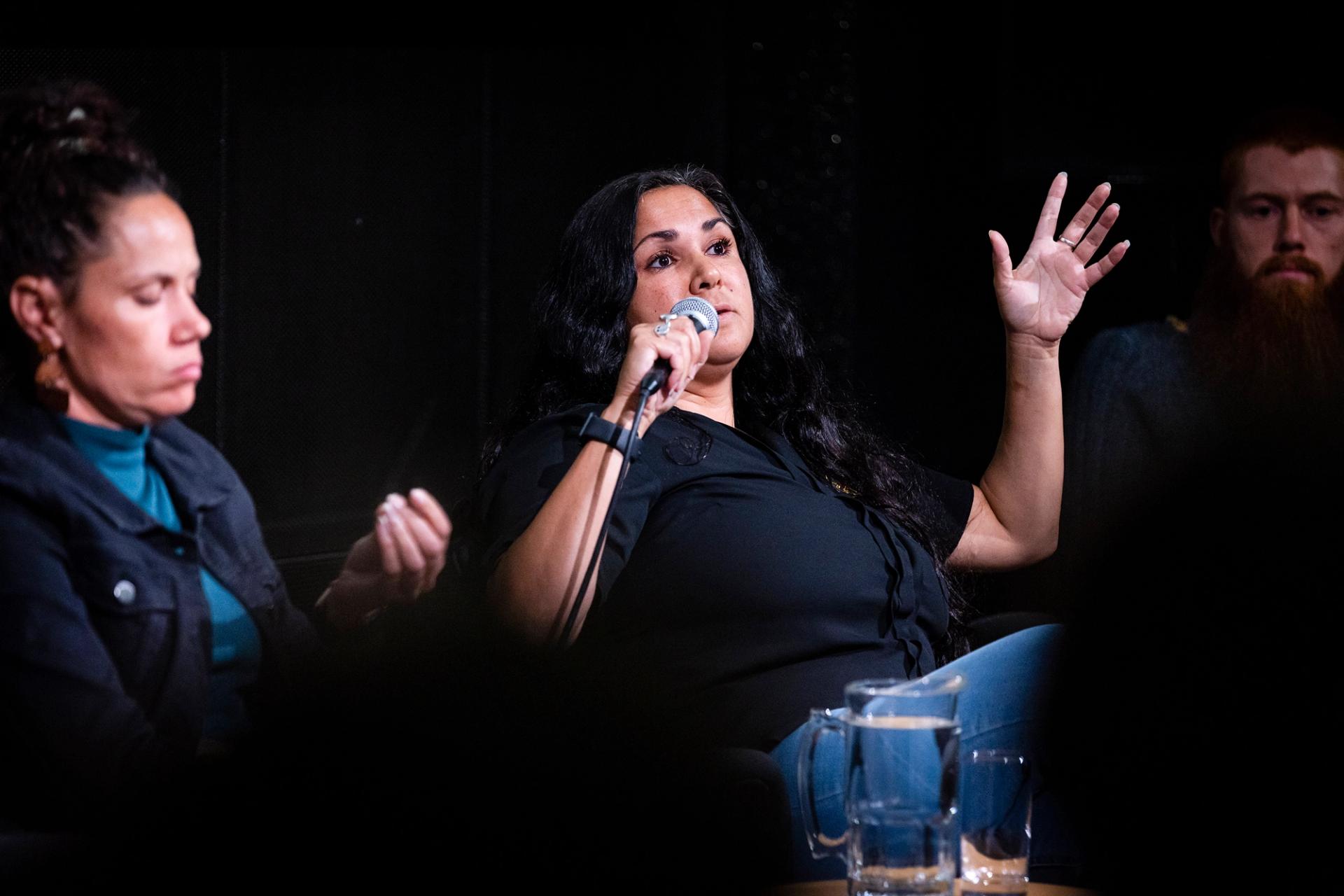
Native Foodways (opens in new tab) is a First Nations led social enterprise collaborating with people from all communities across Australia with a focus on strengthening the native food system in a way that is regenerative, culturally respectful and benefits First Peoples. On 26 March, Native Foodways curated an evening at the Powerhouse which involved conversations around collaborative problem-solving toward First Nations Food Sovereignty.
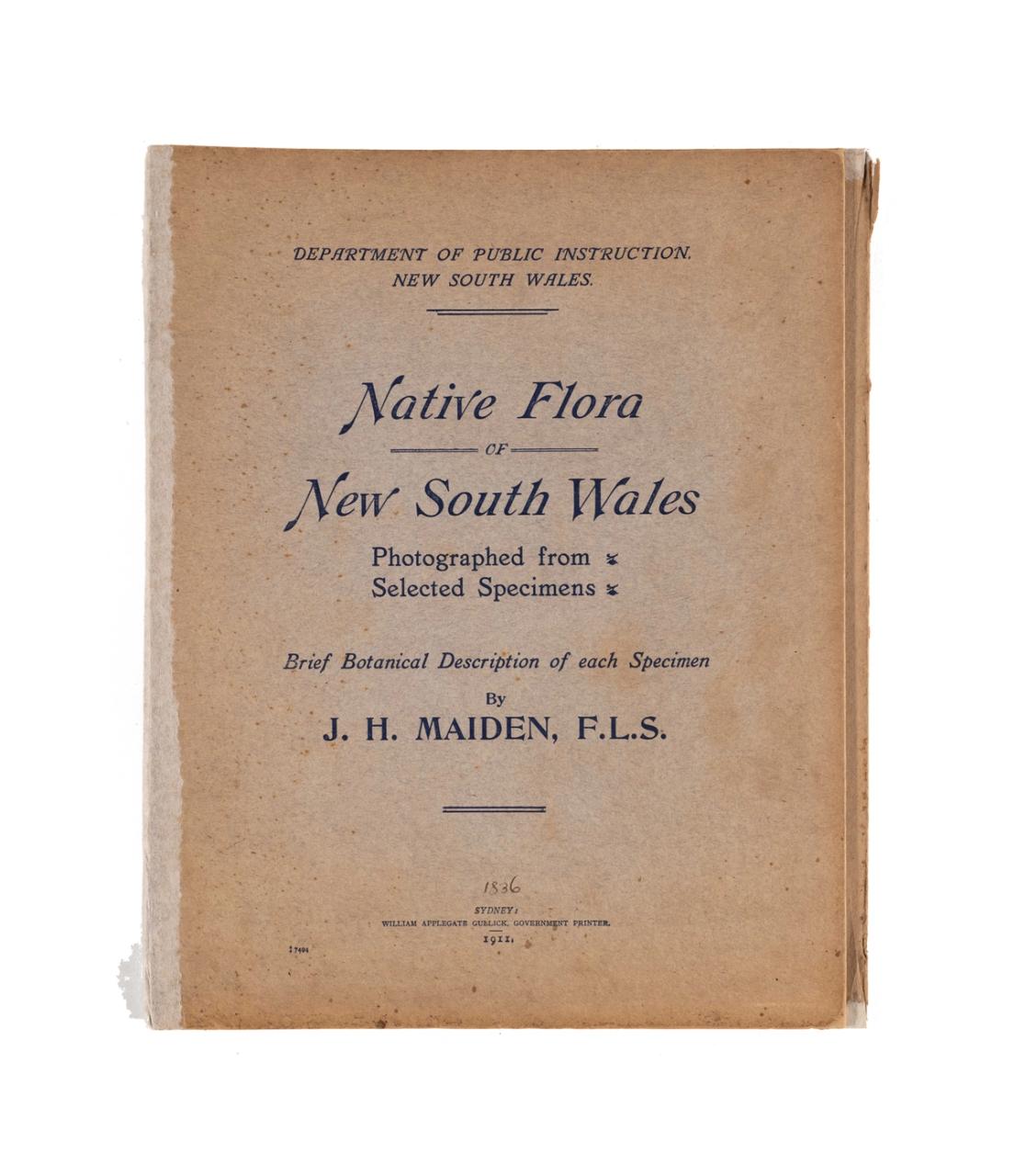
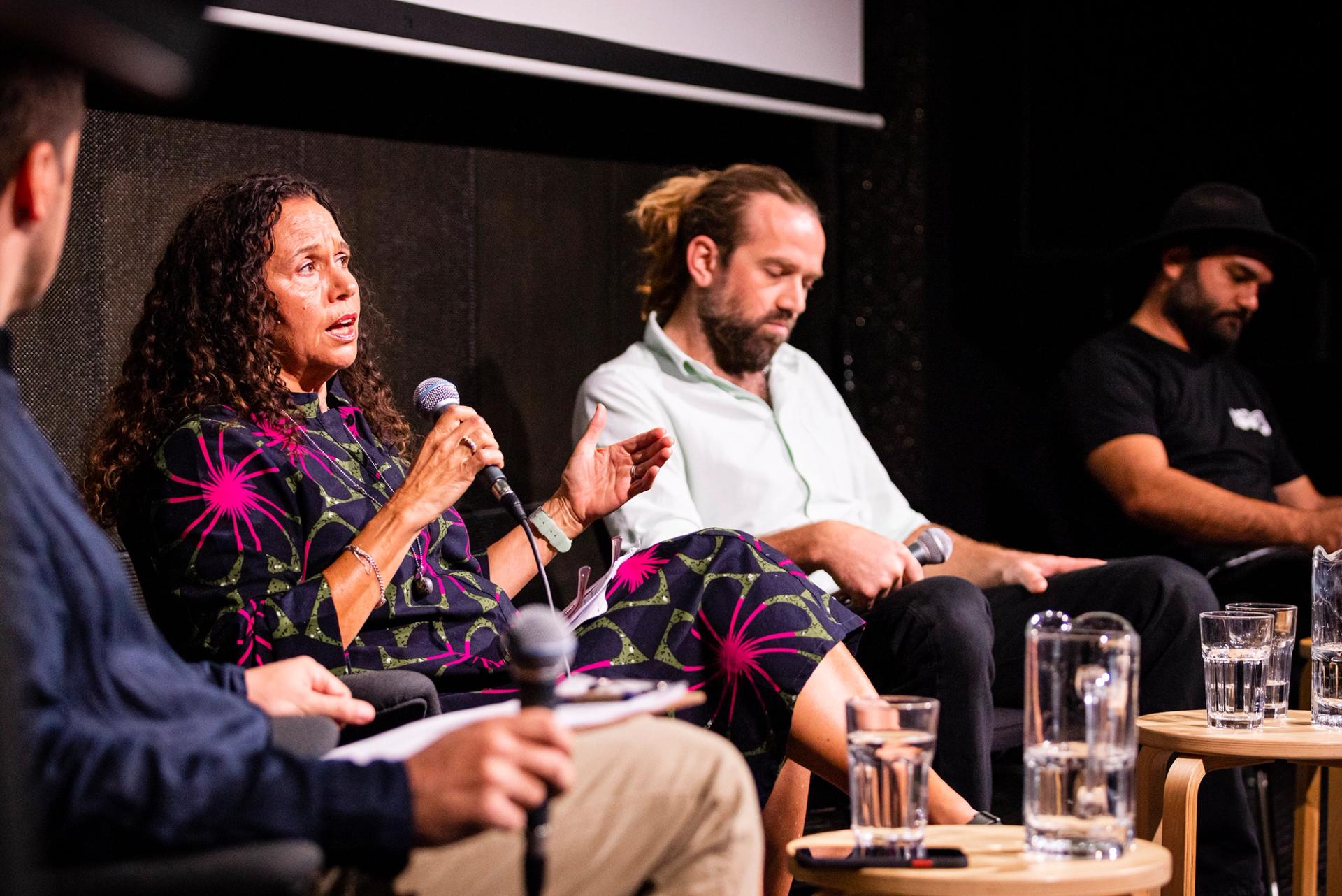
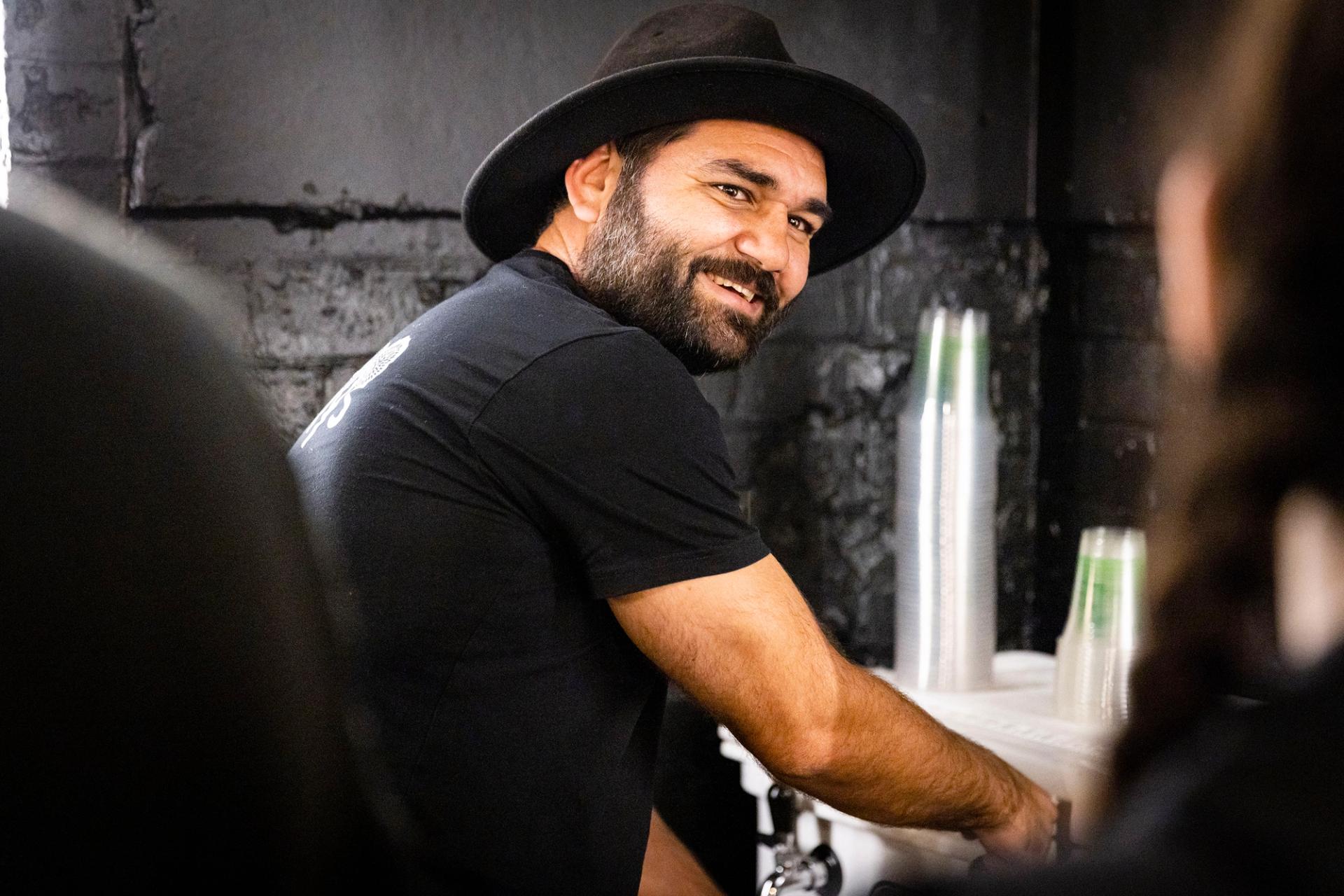
Powerhouse Late: Food Sovereignty celebrated First Nations participation in the food industry, spotlighting the work of Native Foodways, Waminda (Blak Cede), Native Botanical Brewery and Winderong Farm.
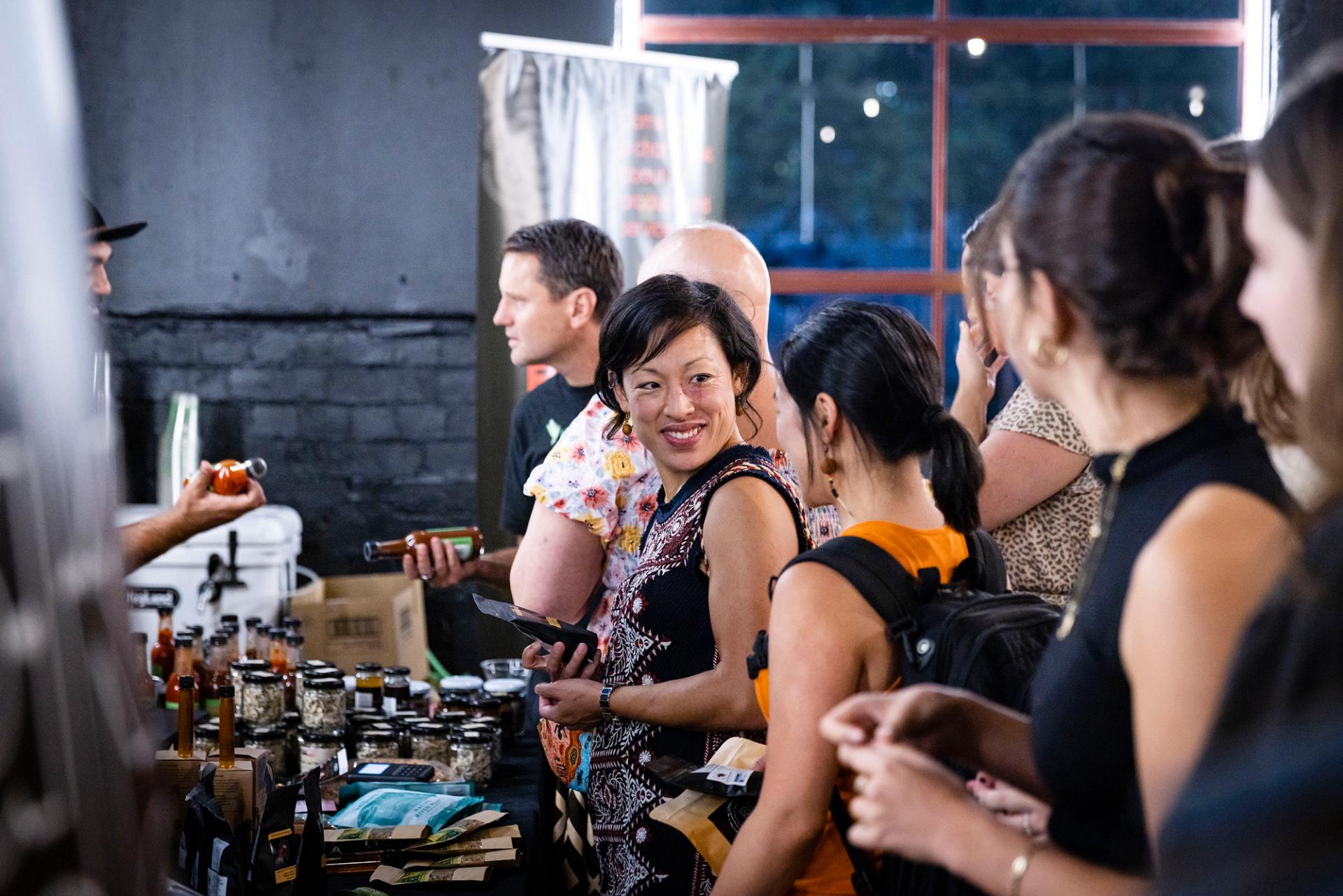
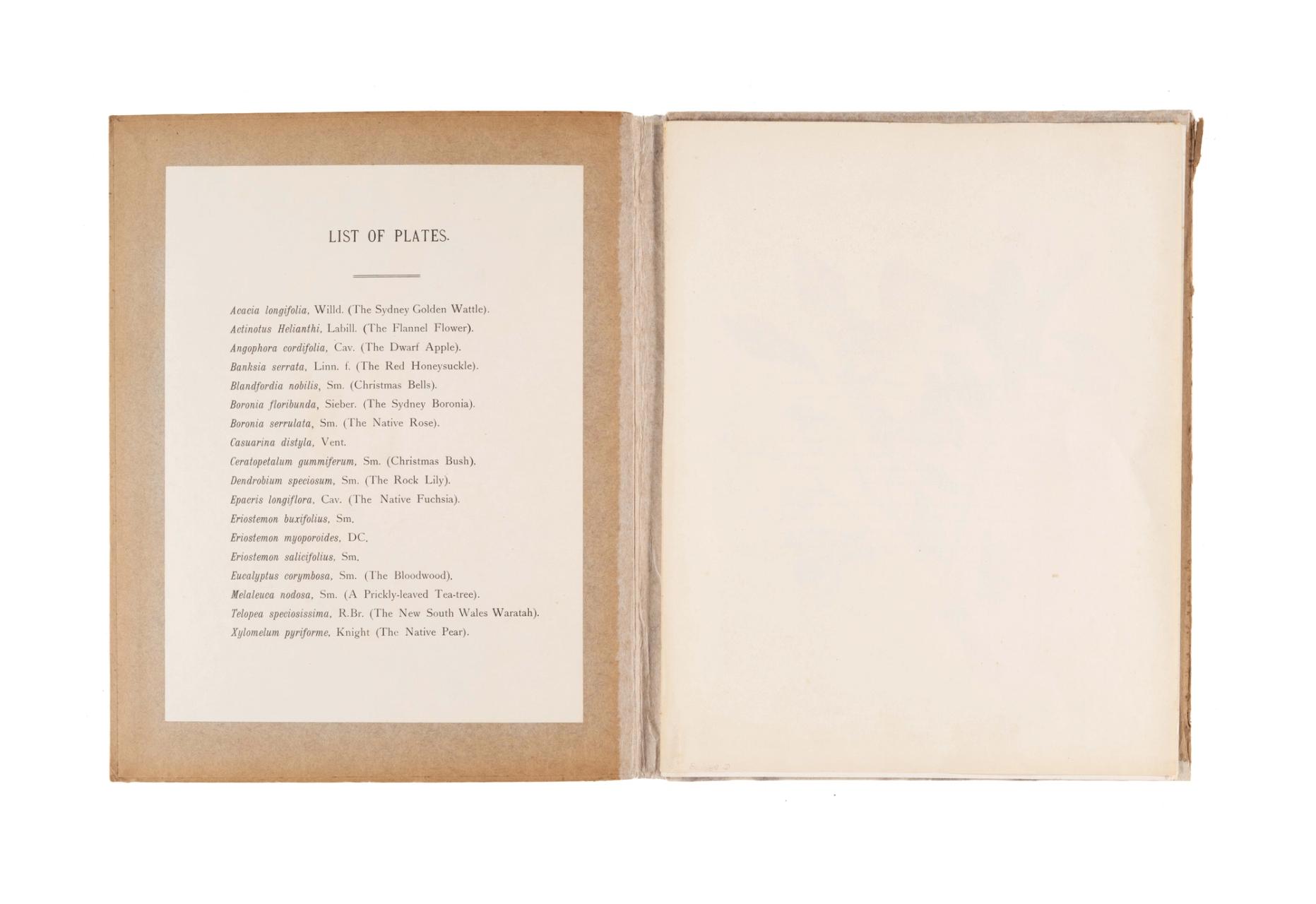
The curation involved a retrospective interrogation of the Powerhouse collection and identified problematic collecting and curatorial practices such as the works of early Museum curator, Joseph Henry Maiden (1859–1925). J.H. Maiden was a botanist, collecting many organic specimens endemic to New South Wales and greater Australia. Maiden became curator of the Technological Museum, Sydney in 1880. During his tenure, Maiden was involved in an exhibition titled ‘Aboriginal Food Substances’ which received international recognition including an award in 1893.
‘When you scratch the surface of the native food industry in Australia it quickly becomes apparent that all is not well between it and Australia’s First Peoples. Less than 1% of the economic benefits from the $600 million native food system goes to First Nations people...’
This history of extraction of First Nations knowledges and exclusion of First Nations voices has a significant bearing on the food economy in Australia today. 130 years on since the Technological Museum’s exhibition on ‘Aboriginal Food Substances’, less than 1% of the Native Food industry is owned by First Nations peoples in 2023.
‘Whilst this is a bleak picture, it is possible to get this right’
Native Foodways brings attention to collaboration as essential to driving change in our communities. Highlighting examples of reciprocity between landholders and First Nations peoples such like the partnership between Winderong Farm in Kangaroo Valley, and Waminda, an Aboriginal Community Controlled Health Organisation based in the Shoalhaven. A firm call to action signaled the role of non-Indigenous people as beneficiaries of colonialism in strengthening the native food system and honouring First Nations Food Sovereignty.
Native Foodways
Native Foodways is a First Nations owned and led social enterprise collaborating with people from all communities across Australia. Native Foodways is owned and led by Kubin woman Carla McGrath (Moa Island in the Torres Strait), Pitta Pitta woman Cristilee Houghton, Wiradjuri man Jason Glanville, Wiradjuri man Lachlan McDaniel, and Australian-Hungarian man (born and raised on Gadigal Land) Mickey Kovari.
Working alongside a range of collaborators to strengthen the native food system in a way that is regenerative, culturally respectful, and benefits First Peoples. Native Foodways have a growing network of First Nations-led native food farms, kitchens, and marketplaces.