Encoded with song
Encoded with song
Sun in our bellies shining
Cradling a leaf
Seeing the hollow below
Not empty but holding us
I have been told it is not just the stars we should observe, the spaces between stars are just as important. They mirror the lands and waters around us. The spaces between are not empty darkness but so full. Full of energy, full of matter, and most essentially full of connections. These spaces hold and grow relationships.
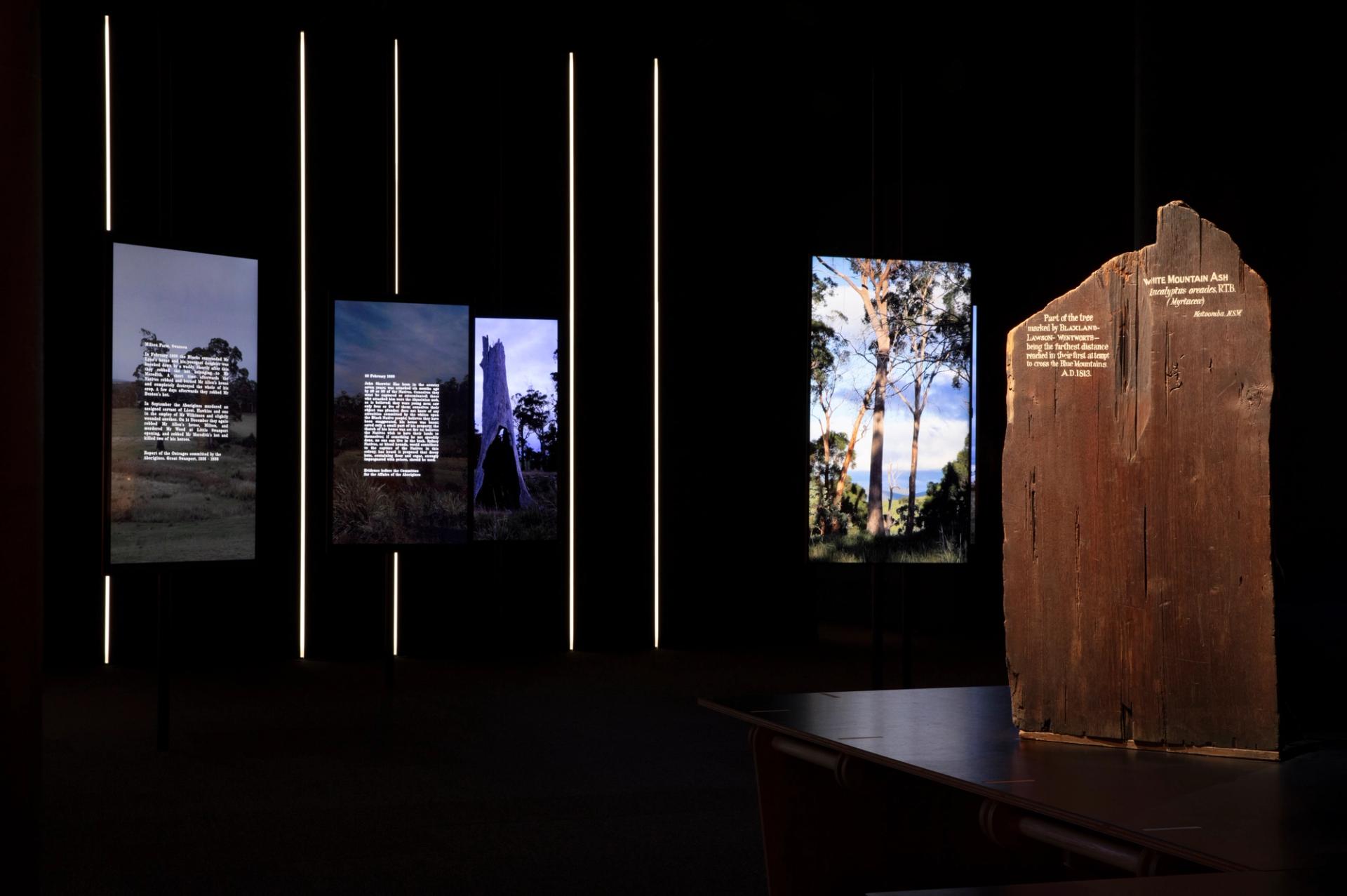
This idea filled my core like a skeleton while I was in Medellín, Colombia, at The Space Between exhibition. Developed in collaboration with the Powerhouse, the Medellín Museum of Modern Art, and Australian artist and Powerhouse Adjunct Curator Brook Garru Andrew, the exhibition embodied connections and relationships.
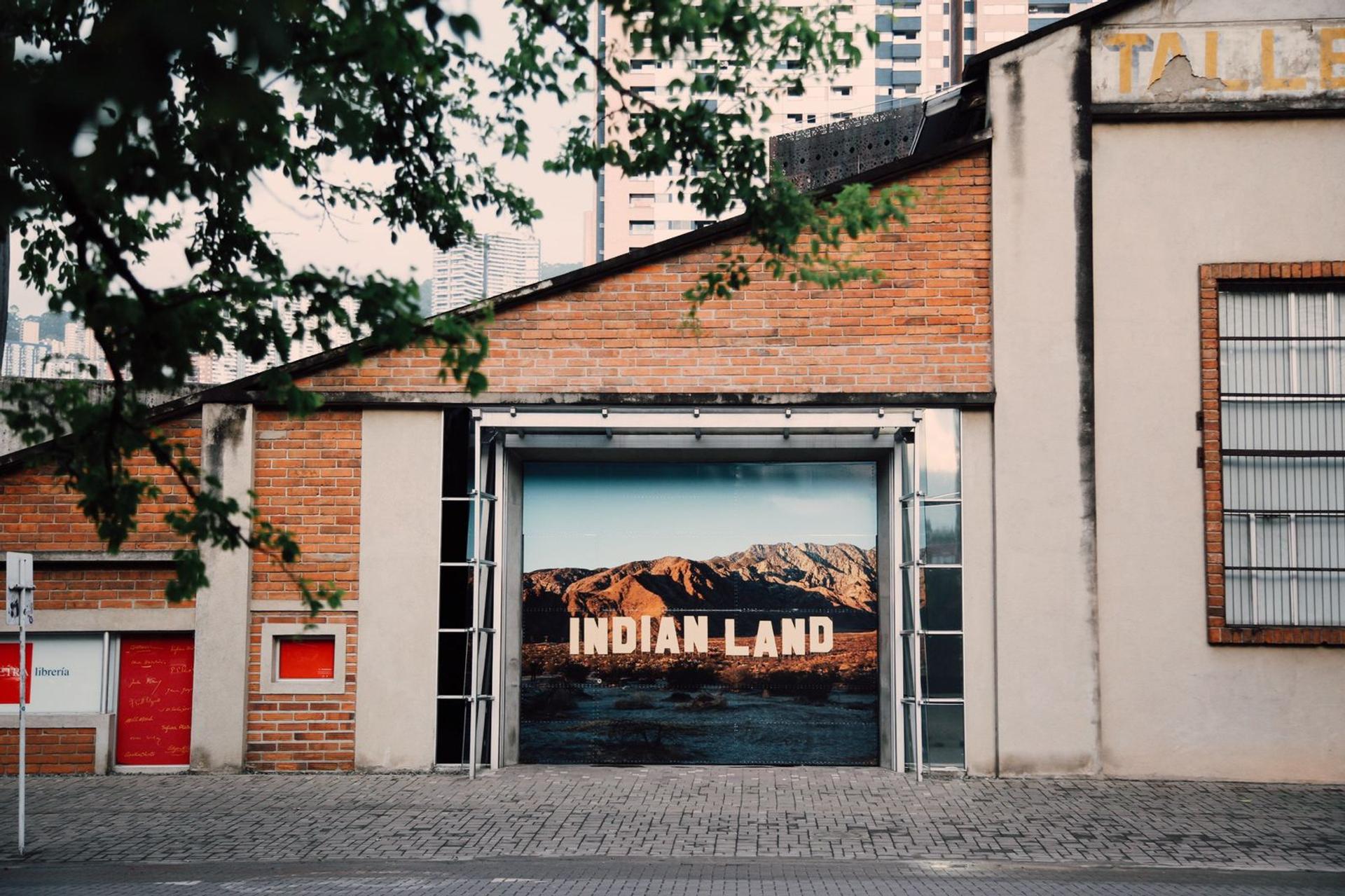
The themes of kinship, of our shared responsibilities to our lands, waterways and skies, how objects that many might deem inanimate can actually be imbued with energy and spirit, something us in museums need to be aware of, how we have survived as Indigenous peoples against the violence of colonialism and how we have and can imagine new futures guided by our knowledges came through strong in the works and programming. These discussions made me feel connected and grounded even though I was over 10,000 km from home.
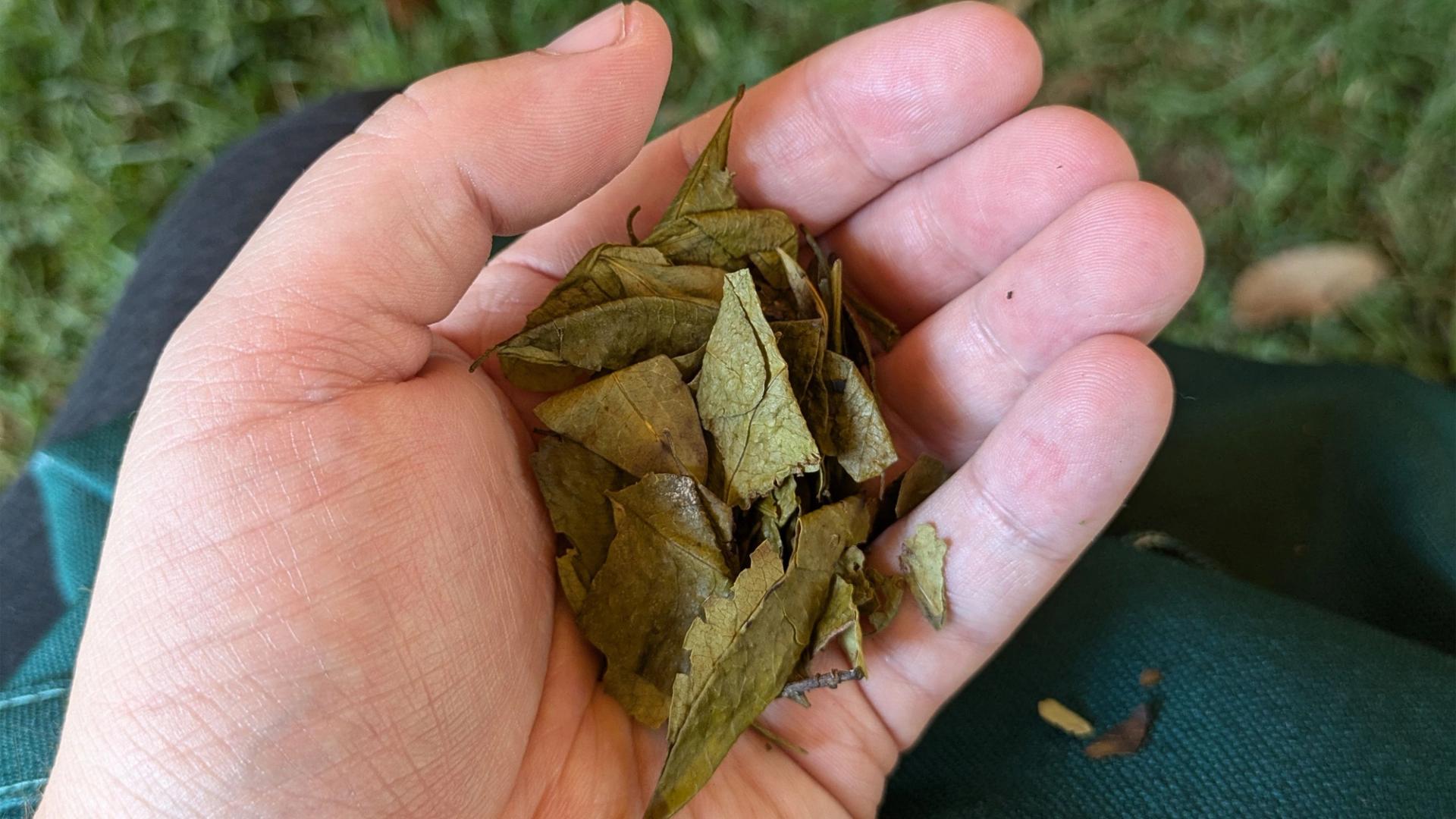
To commence the exhibition and the critical discourse program I was part of, the Willka Yaku Ancestral Council led a generous ceremony, sharing tobacco leaves in an act of reciprocity and grounding. This moment was an embodied lesson in local Indigenous epistemology and law, a reminder that knowledge is carried through practice, not just discourse. Following the ceremony, there were performances by Brian Fuata and Bhenji Ra disrupted and reimagined the museum and gallery space, transforming it from a site of observation into one of embodied participation. These moments underscored the very essence of The Space Between—not just an exhibition, but an evolving dialogue of presence and absence, of movement and stillness, of past and future converging.
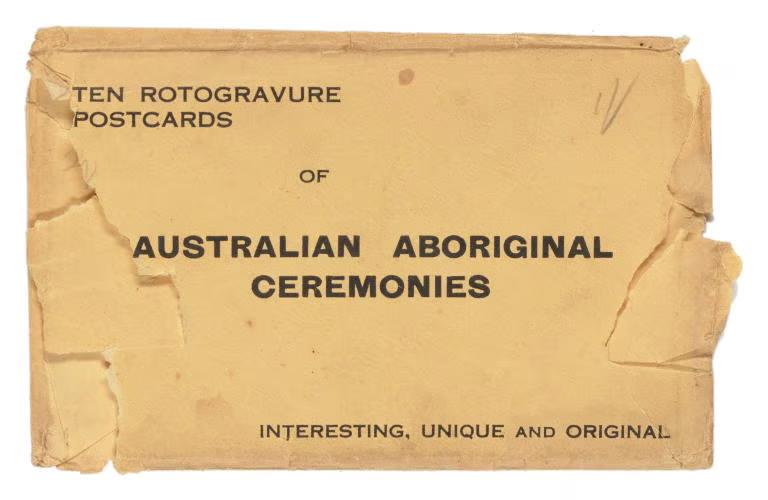
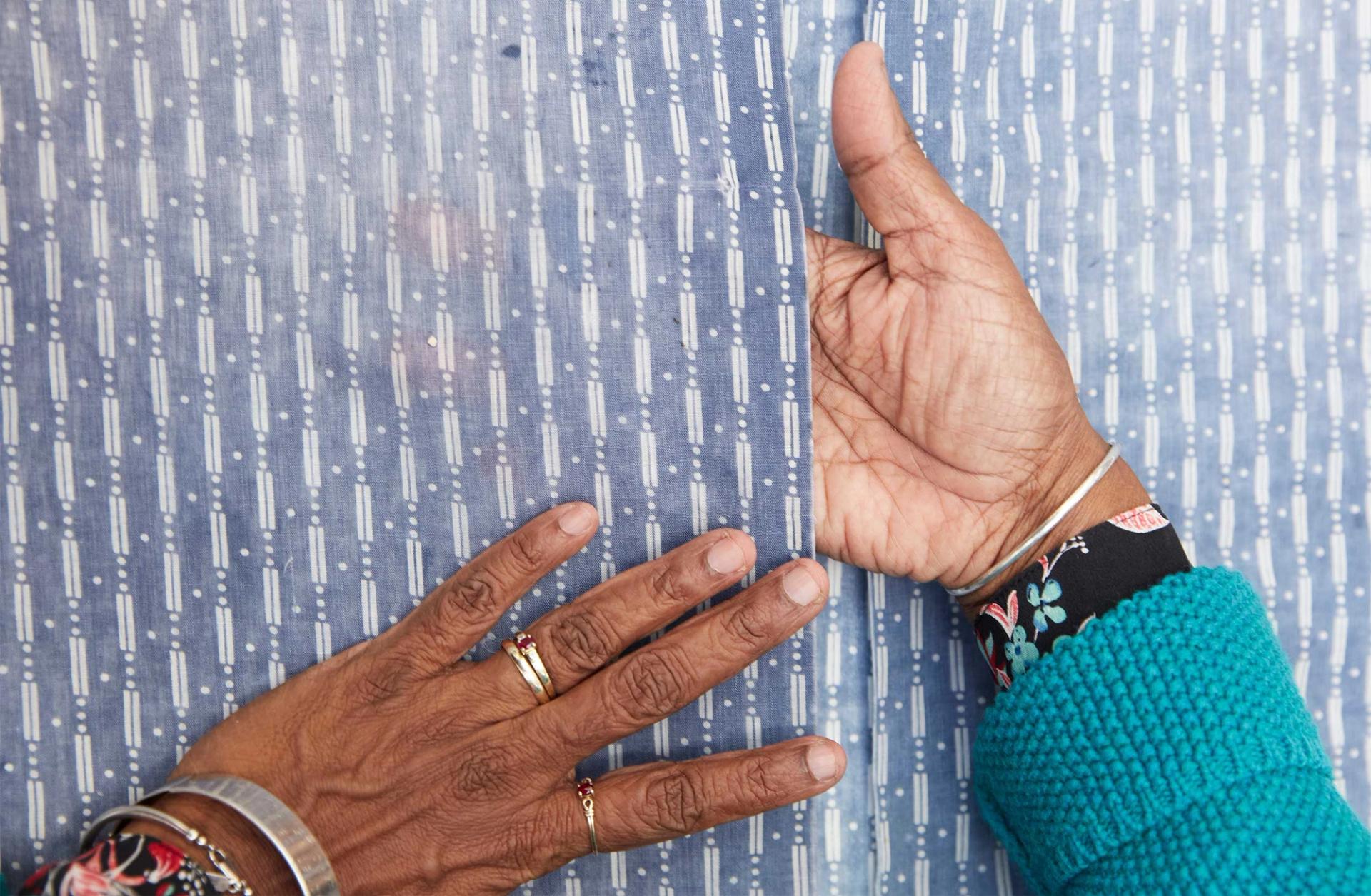
I luckily got the opportunity to share how the Powerhouse is respecting Indigenous epistemology in our practices, such as the work on the Deed of Deposit and our enacting the First Nations Right of Reply. These practices informed the Ngunhi Wayilwan Dhumbullu – Sharing a Wayilwan Story project which got to be a powerful work featured in The Space Between. Commissioned by Powerhouse, this series of contemporary photographs and texts reexamines Charles Kerry’s 1898 photographs of the Wayilwan people from central west New South Wales.
Nearly 130 years later, Wayilwan cultural practitioners Milan Dhiiyaan, in partnership with the Warren Local Aboriginal Land Council, brought together Wayilwan/Wailwan Elders and community members to respond to these historical images—not as relics of a distant past, but as part of a continuing story. Through the lens of Australian Peruvian photojournalist Isabella Moore and Milan Dhiiyaan, these new images celebrate the resilience and endurance of Wayilwan/Wailwan cultural practices, affirming that culture is not static, but always in motion, always alive. While not my culture, seeing and hearing an Aboriginal language and culture from New South Wales on the international stage made me feel so proud.
I only got to be in Medellin for a short time, however the Space Between will follow me and my practice as a First Nations collections worker. The exhibition may be closing soon but it is a living dialogue that will continue to grow and expand into Powerhouse Parramatta.