First Nations

The Powerhouse acknowledges the Traditional Custodians of the ancestral homelands upon which our museums are situated. We respect their Elders, past, present and future and recognise their continuous connection to Country.

———>
Stories

Threads of Connection

Powerhouse Volunteers
Black and white image of a person's hands (Barbara Stokes) holding the parts of a bobbin lacemaking machine. The machine is on a lace pillow table with pins pinned onto its surface.
Stories
Threads of Connection

For more than 20 years, volunteers have helped keep the tradition of lace making alive at Powerhouse. Among them are Barbara and Isa, who share a passion for lace and a commitment to sharing the skills and traditions behind the craft.
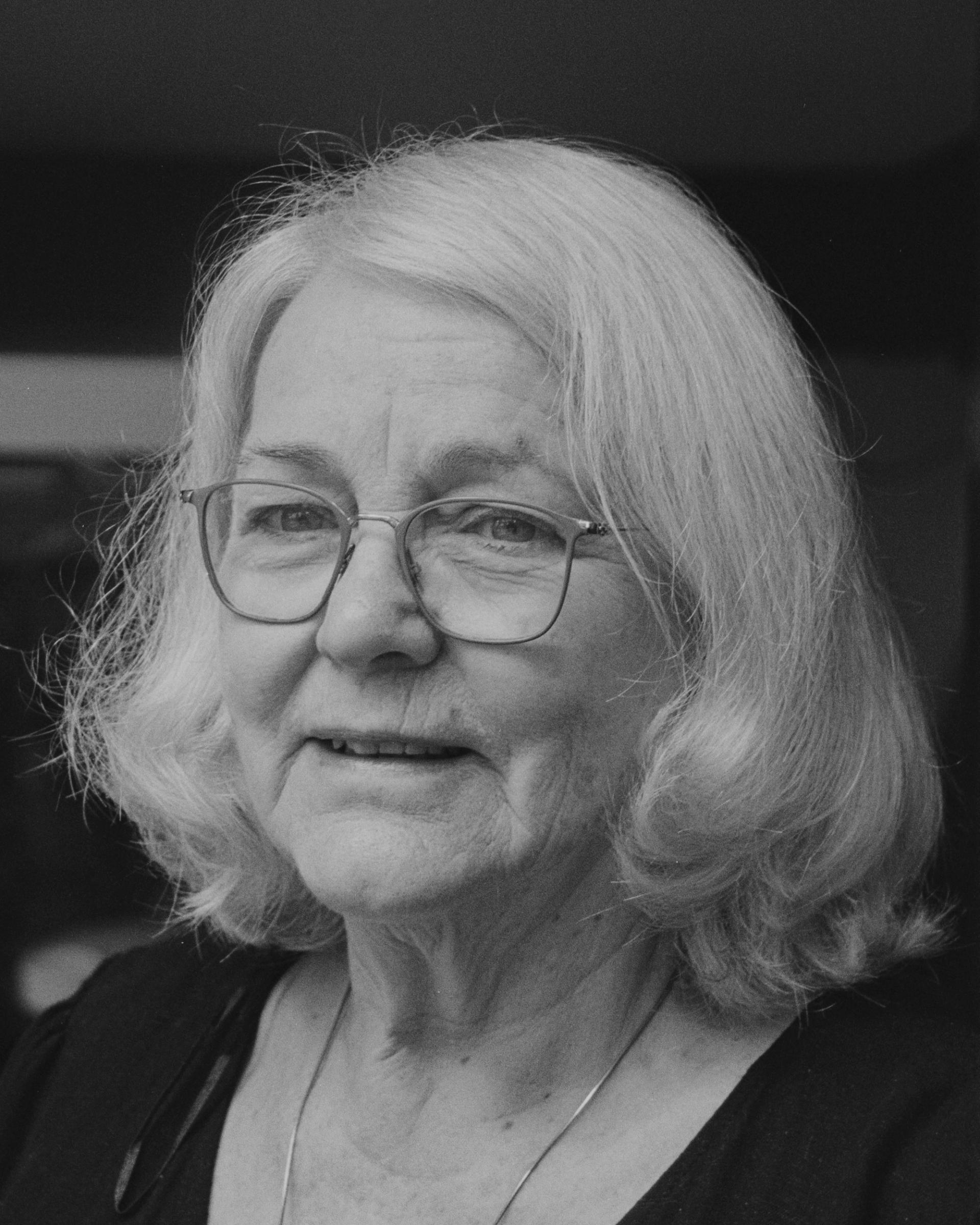
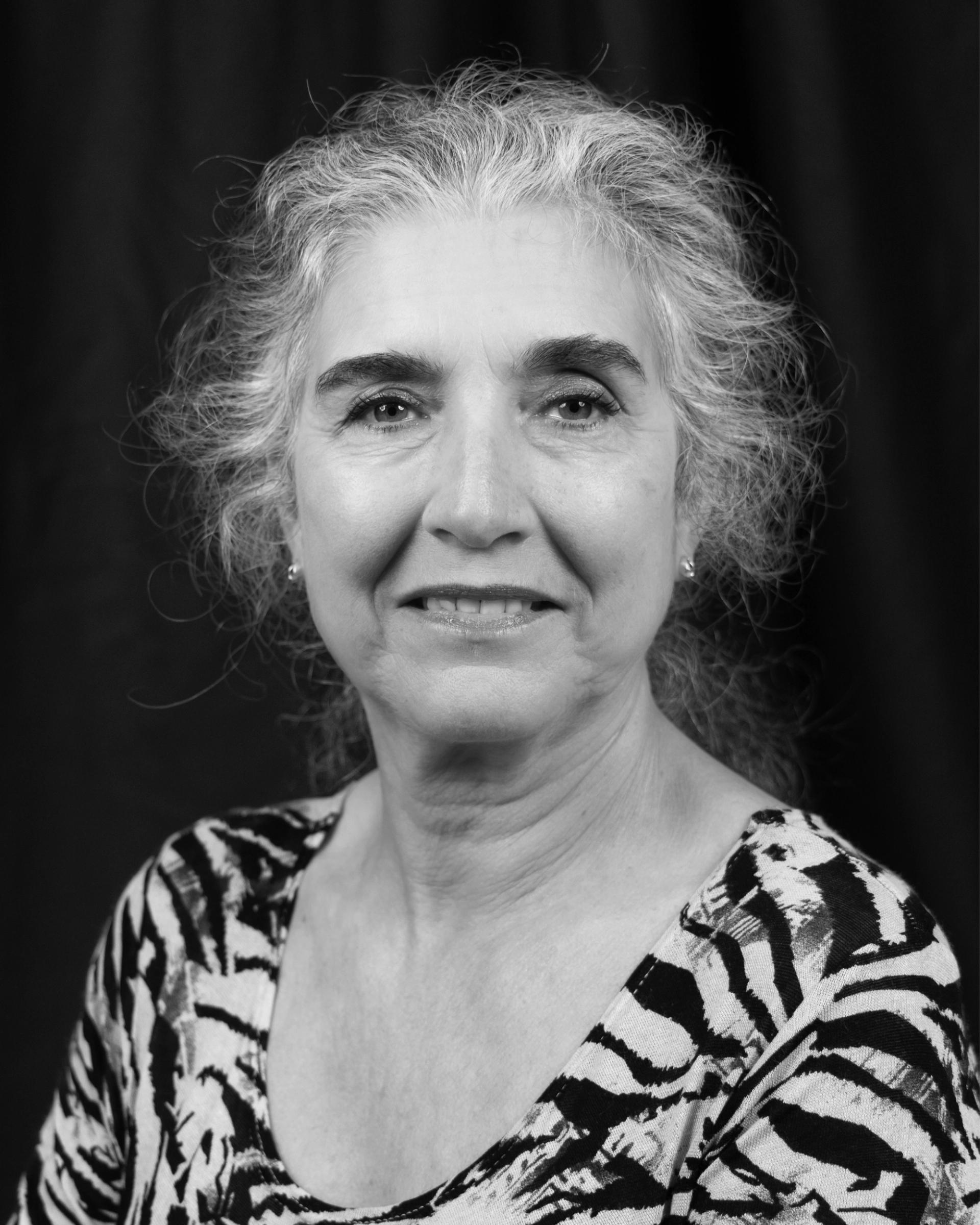
Close up black and white portrait of a woman (Barbara Stokes) with short gray hair and glasses.
Gallery image

Volunteer Barbara Stokes' home is filled with lace. Over many years, she has built an extraordinary collection of lace pieces, patterns and books that reflects decades of learning, making and research. For Barbara, lace is more than a decorative art form. Through intricate stitches, patterns and designs, makers leave behind traces of their creativity, skill and experience. By introducing new makers to the craft, Barbara helps ensure that knowledge continues to be shared.
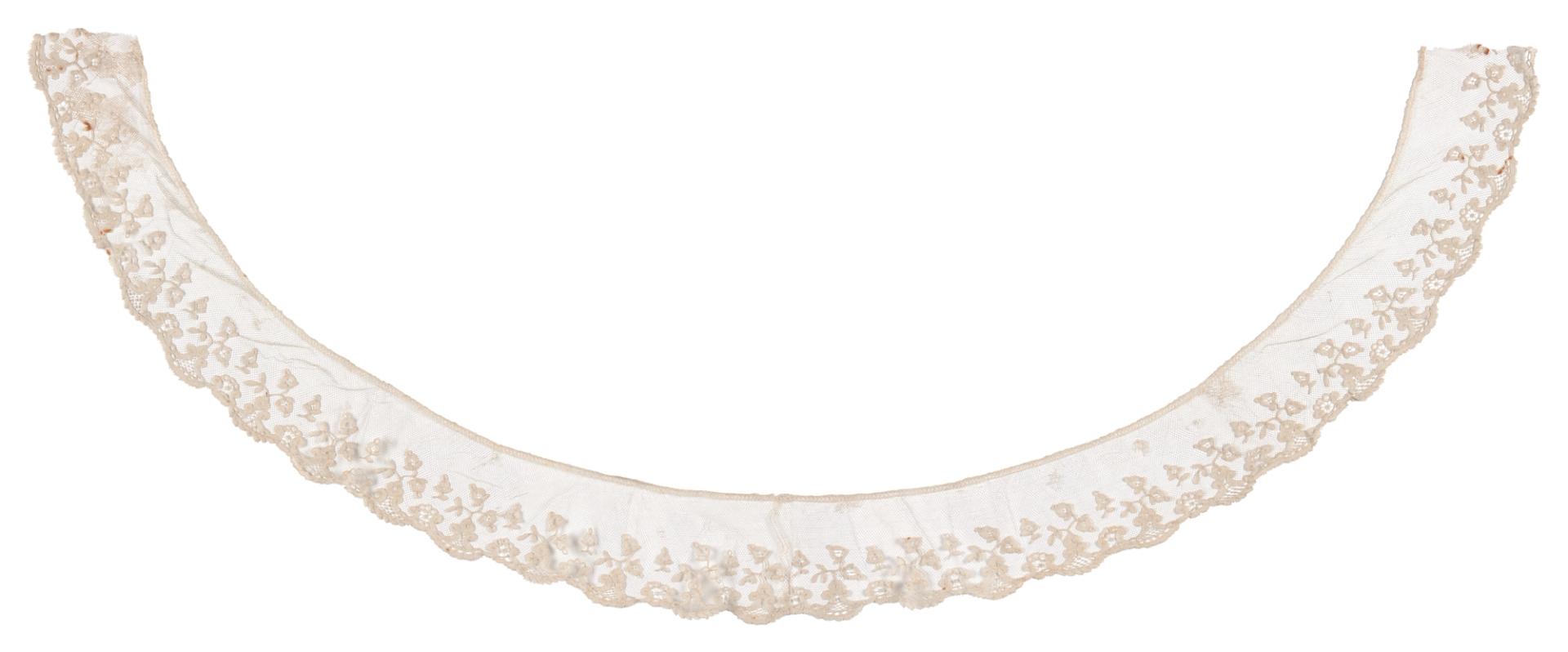
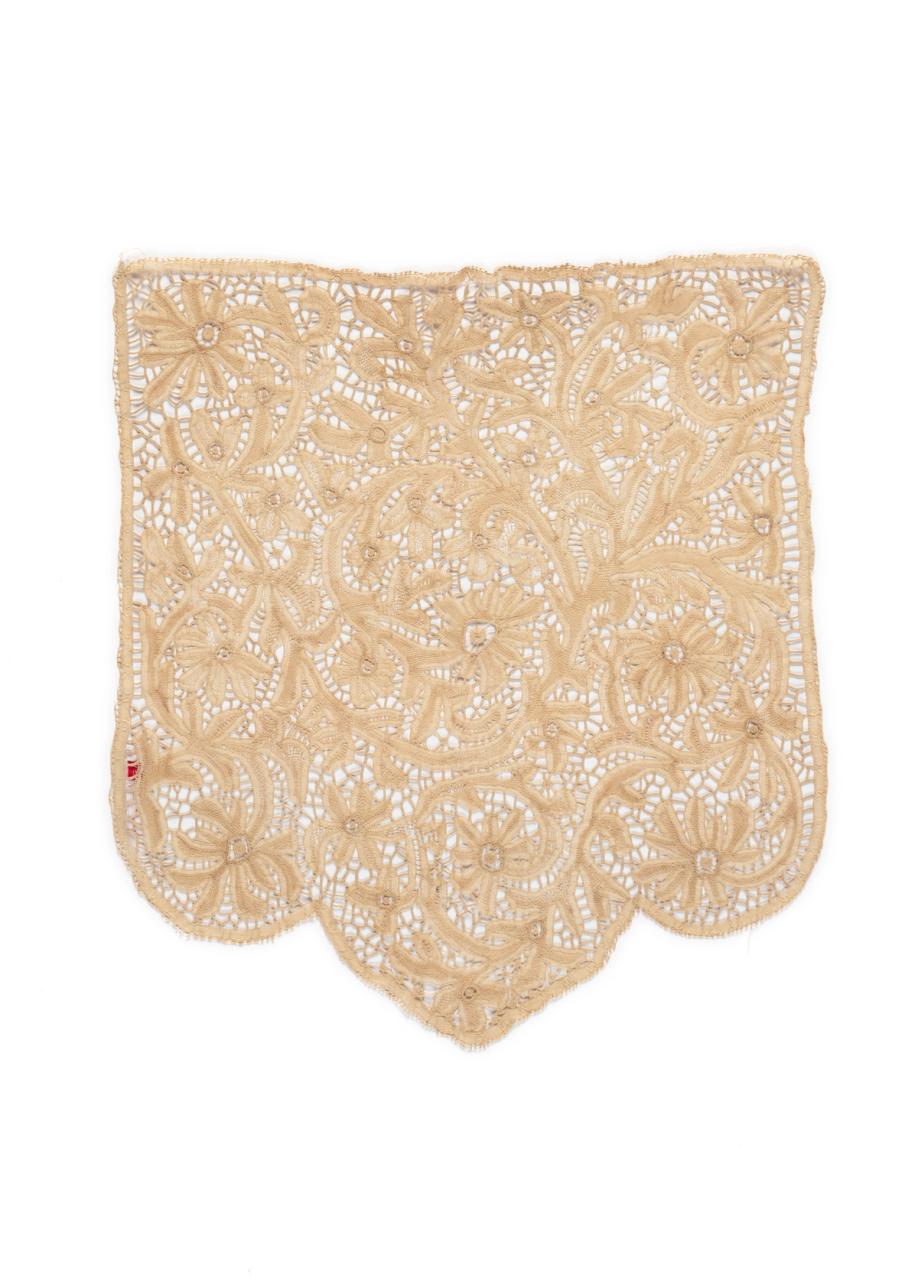
A lace collar, bobbin applique on machine made net with needle lace filling, made of cotton. Horseshoe in shape the collar features a scrolling floral design with a scalloped edge and machine made bobbin engrelure. The collar is made using cloth stitch bobbin lace motifs appliqued to machine made net. The design is embellished with needle lace fillings. Lace collar is made of cotton.
1/5
Lace collar, 1836-1865
Object No. A1051
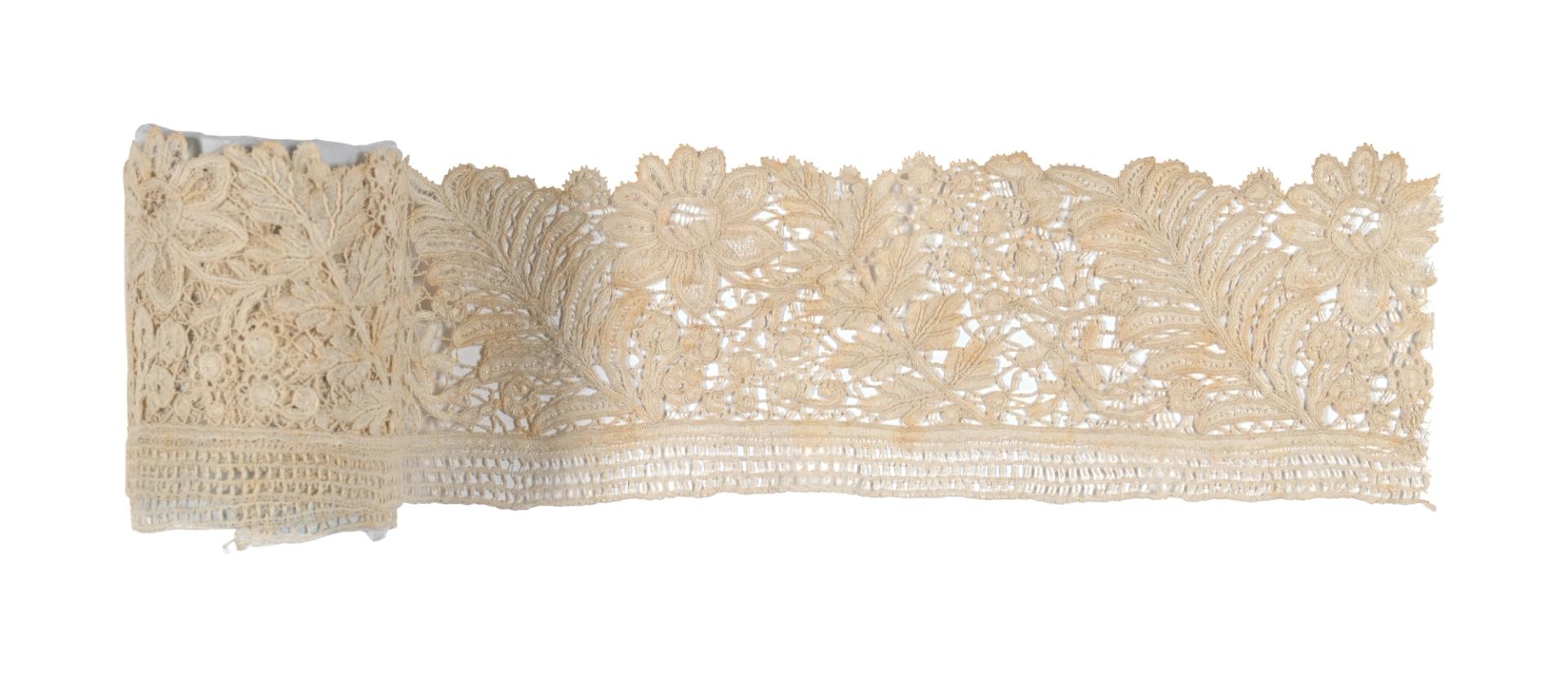
A roll of lace border, bobbin applique on machine made net with needle lace filling, made of cotton.  Depicts a scrolling floral design with a 3 row square grid edge.
2/5
Lace border, 1865-1900
Object No. A10910-1/2
Tape lace banner screen, with the bottom of the lace forming scolloped edges, the design features floral and foliate motifs, the outside border of the banner is composed of a larger decorative tape, with a needle lace edging.
3/5
Point lace banner screen, 1893-1943
Object No. 2019/42/1
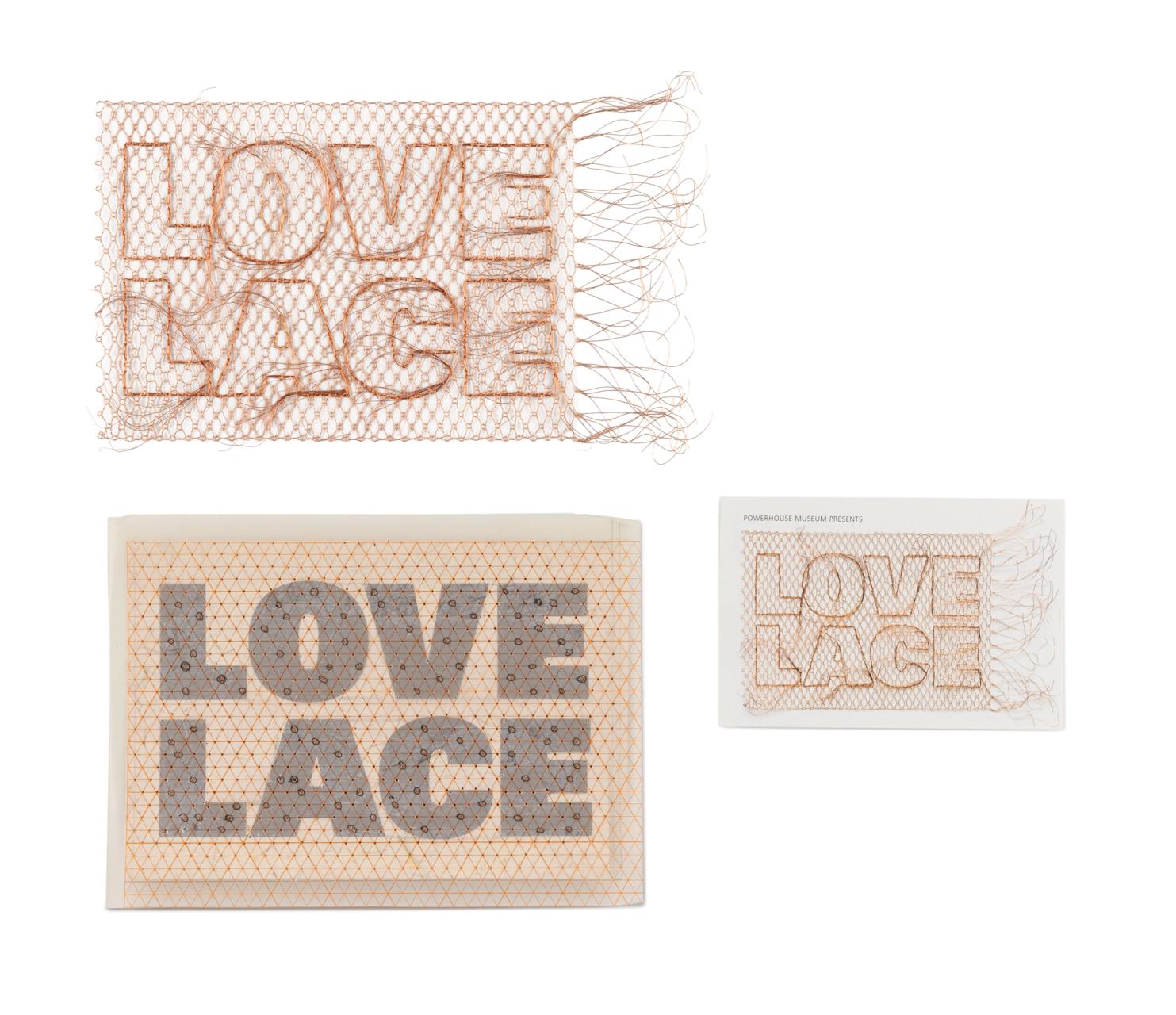
Lace panel, bobbin lace technique, made of copper wire, rectangular in shape it includes the text 'LOVE / LACE' in bold font. The design is a diamond grid with a pattern of small holes at the intersection of the grid lines. Occasional larger holes are included within the letters of the text. The letters are outlined by a bundle of copper wire which is interwoven with the wires in the grid and the ends of these wires are left untrimmed, as are the finishing wires of the body of the lace in the right side of the panel.
4/5
Copper bobbin lace panel, pricking mat and Avant postcard
Object No. 2024/15/1
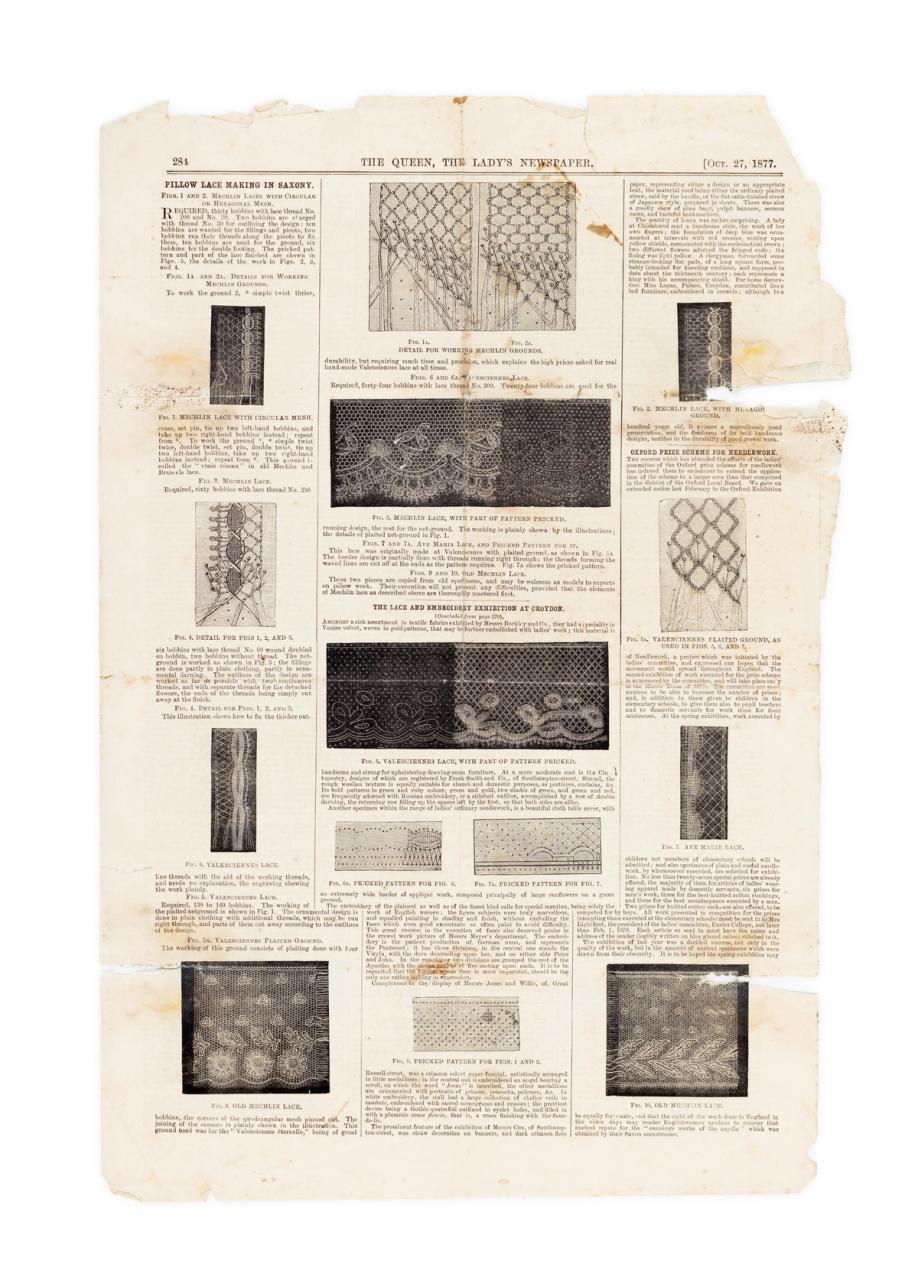
Photograph of a newspaper article on lace making from the newspaper 'THE QUEEN, THE LADY'S NEWSPAPER' page 284.
5/5
Clipping from 'The Queen, the Lady's Newspaper' regarding lace making, 27/10/1877
Object No. 86/1751-283
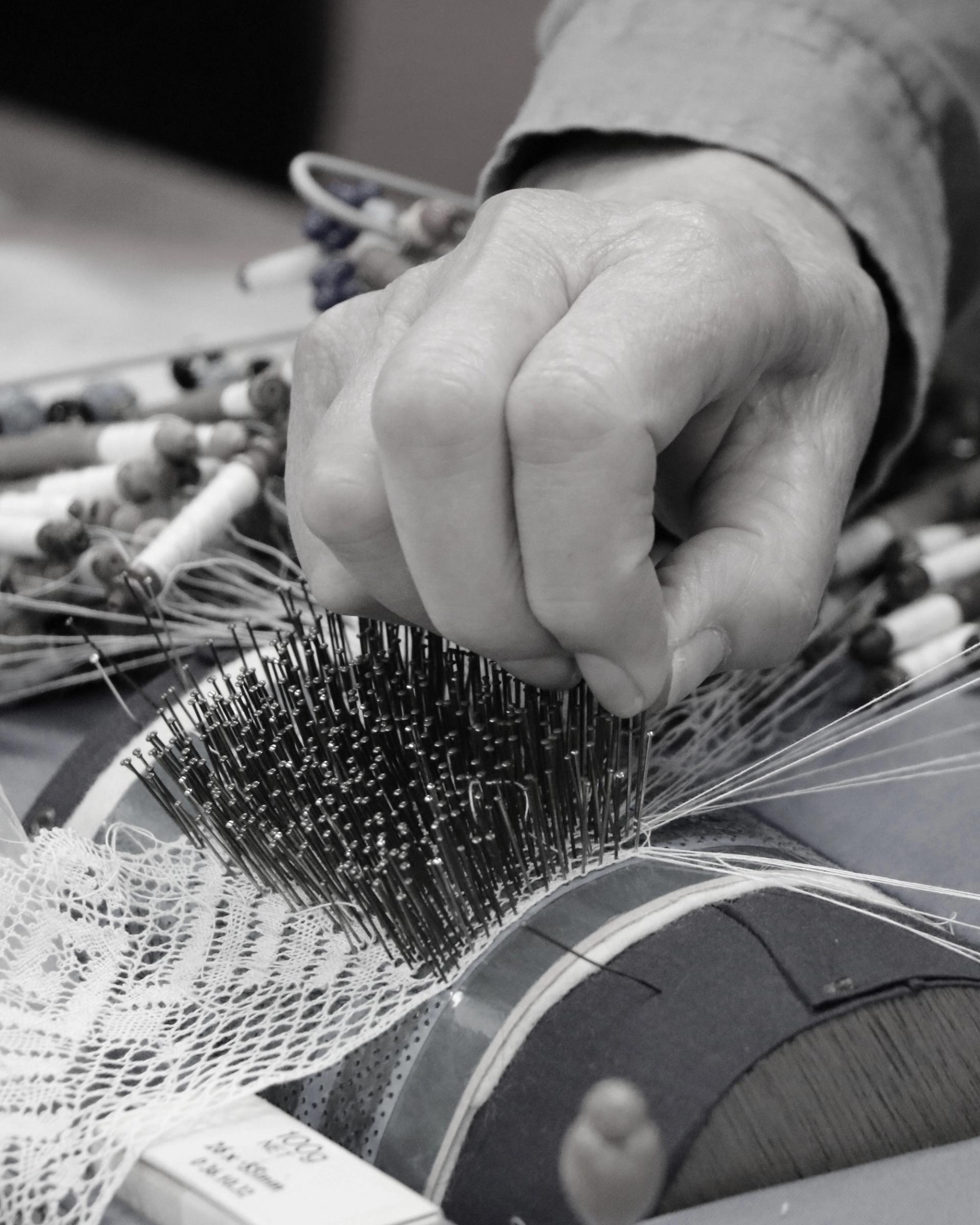
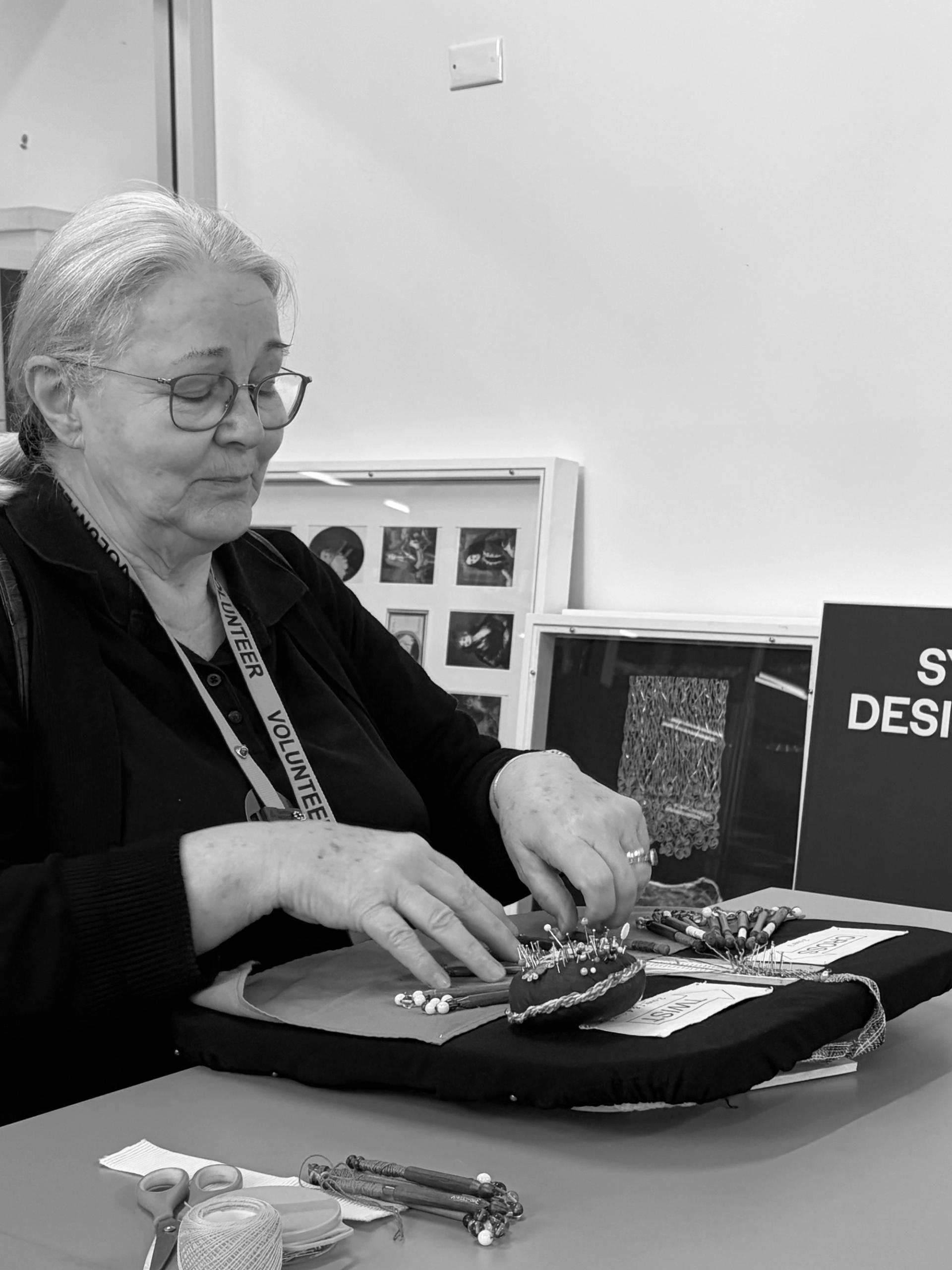
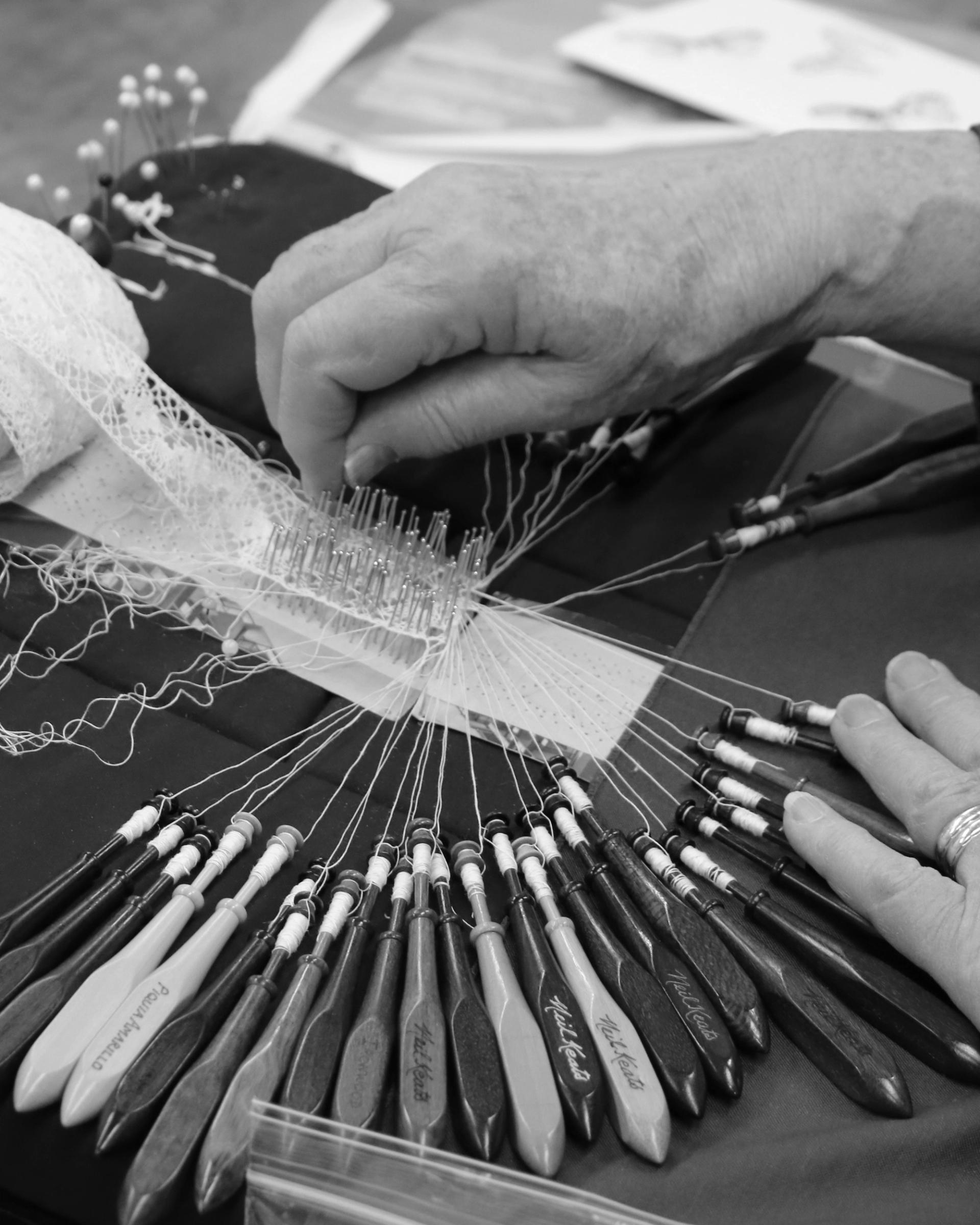
Black and white image of the lacemaking process, a hand pinching multiple pins onto a  bobbin lacemaking machine to create a roll of lace.
Gallery image

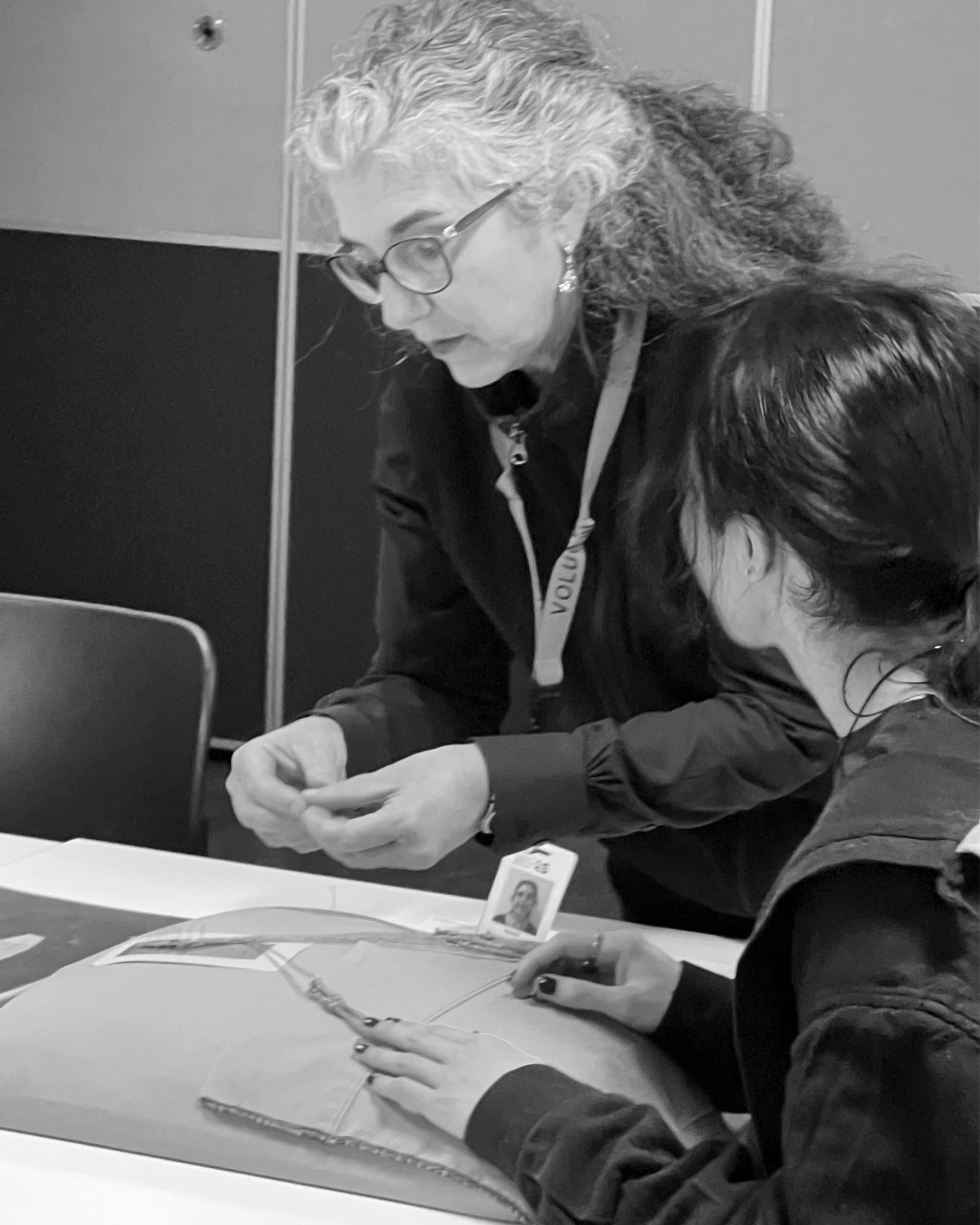
For Isa, lace making became a way to connect with others. After moving to Australia from Spain, she found a welcoming community through Powerhouse and a shared passion for lace. Today, Isa introduces others to lace making through monthly workshops at Powerhouse Castle Hill, sharing techniques and traditions with new generations of makers.

‘Through Powerhouse, I found a community. That was really special.’
Isa, Powerhouse Volunteer
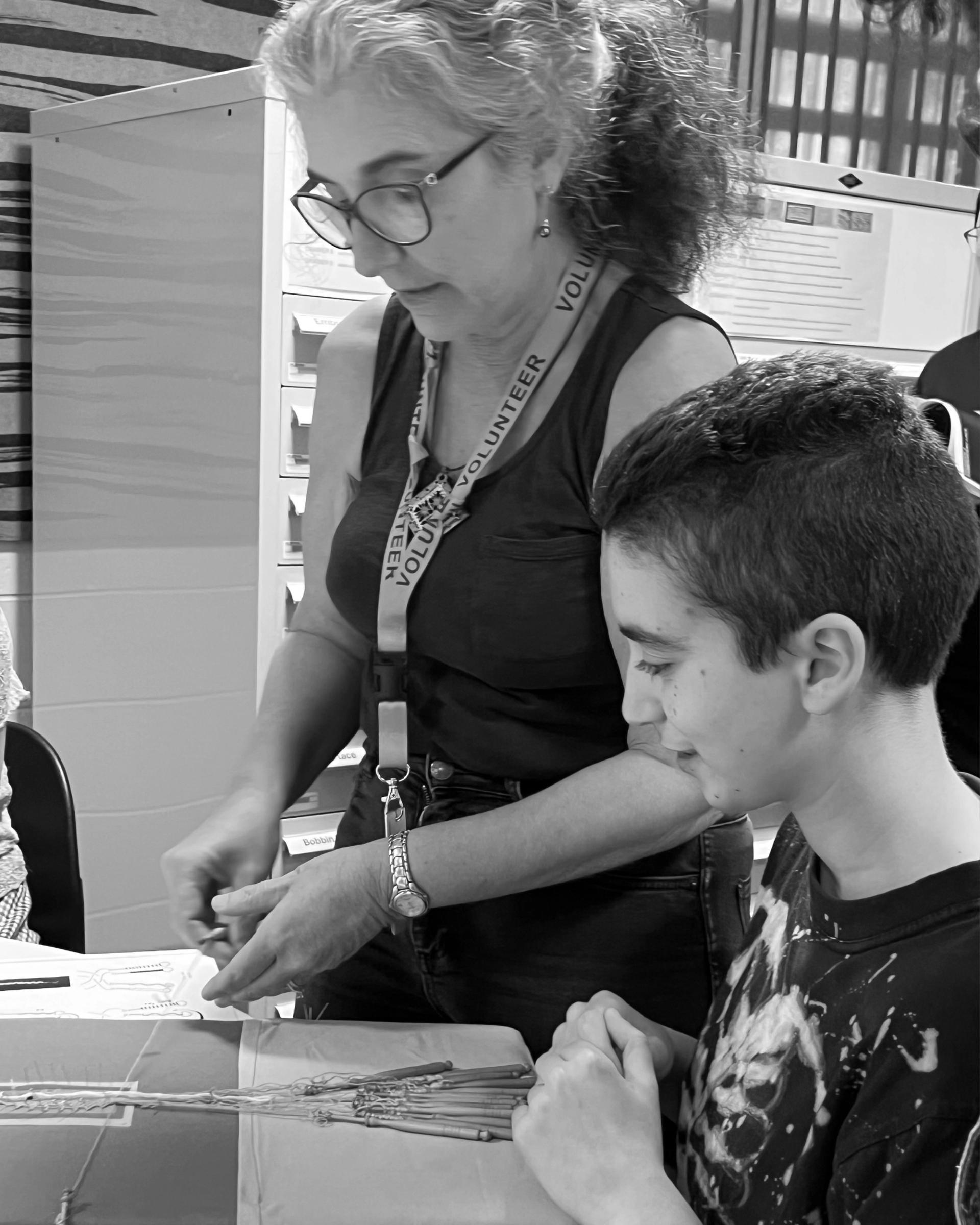
Black and white image of a woman (Isa) showing a student the practice of lacemaking with a lacemaking pillow in front of them.
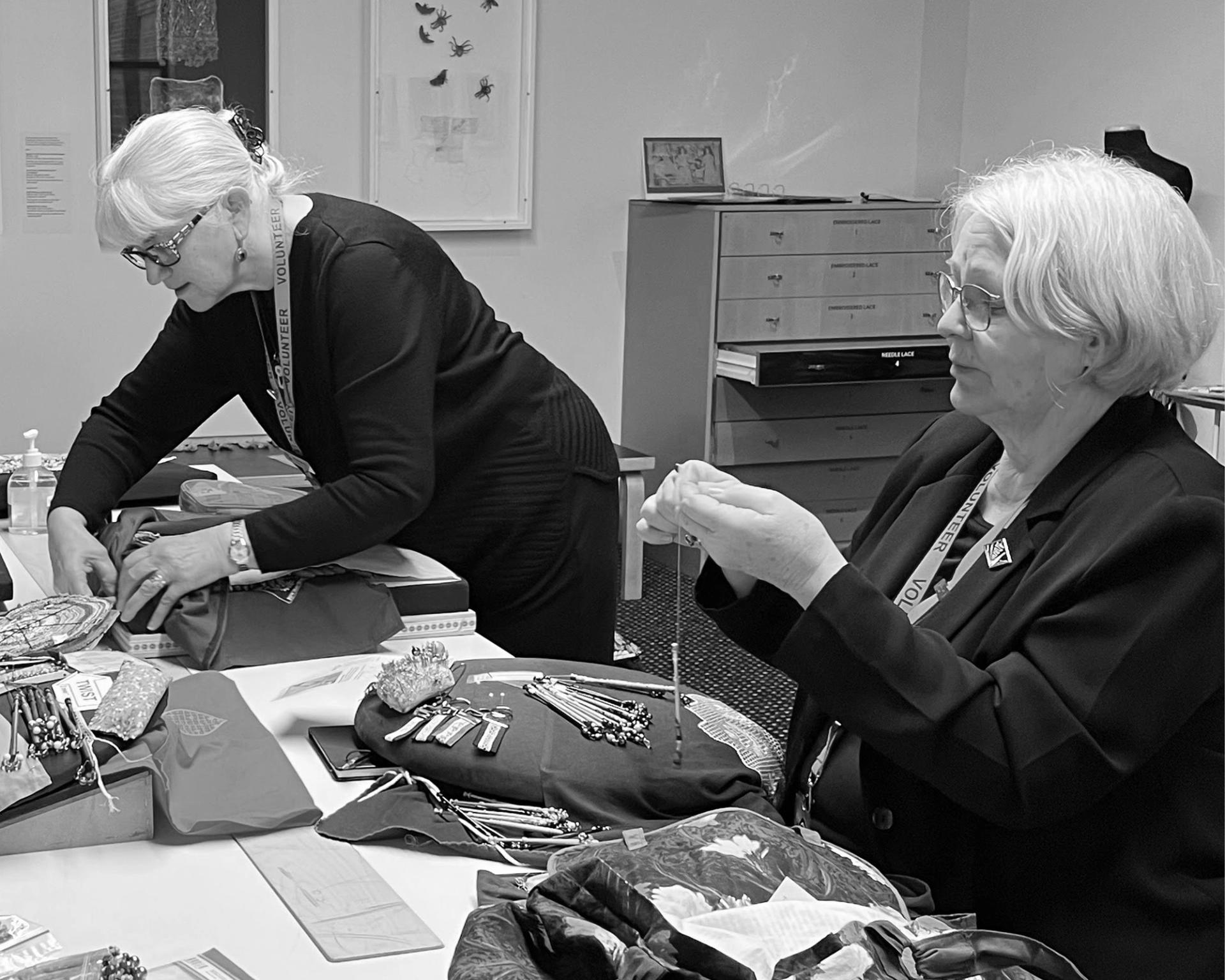
Black and white image of two women (left: unknown, right: Barbara Stokes) dressed in black and practicing lacemaking. They're using pillows and bobbin machines on a table in front of them to create lace.
Black and white image of a woman (Isa) teaching a young boy the practice of lacemaking with a lacemaking pillow in front of them.
Gallery image

Powerhouse is home to one of Australia's most significant textile and garment collections, including an internationally important collection of lace. The collection continues to inspire makers, researchers and volunteers, while the lace community helps keep those skills and traditions part of contemporary practice. Through workshops, mentoring and a willingness to share their expertise, volunteers like Barbara and Isa continue to connect people through lace.
Programs

Future Fashion

Future Fashion

Every Sat–SunPowerhouse Castle Hill

Events

Lace border, knitted lace, Italy

Lace Making

MonthlyPowerhouse Castle Hill
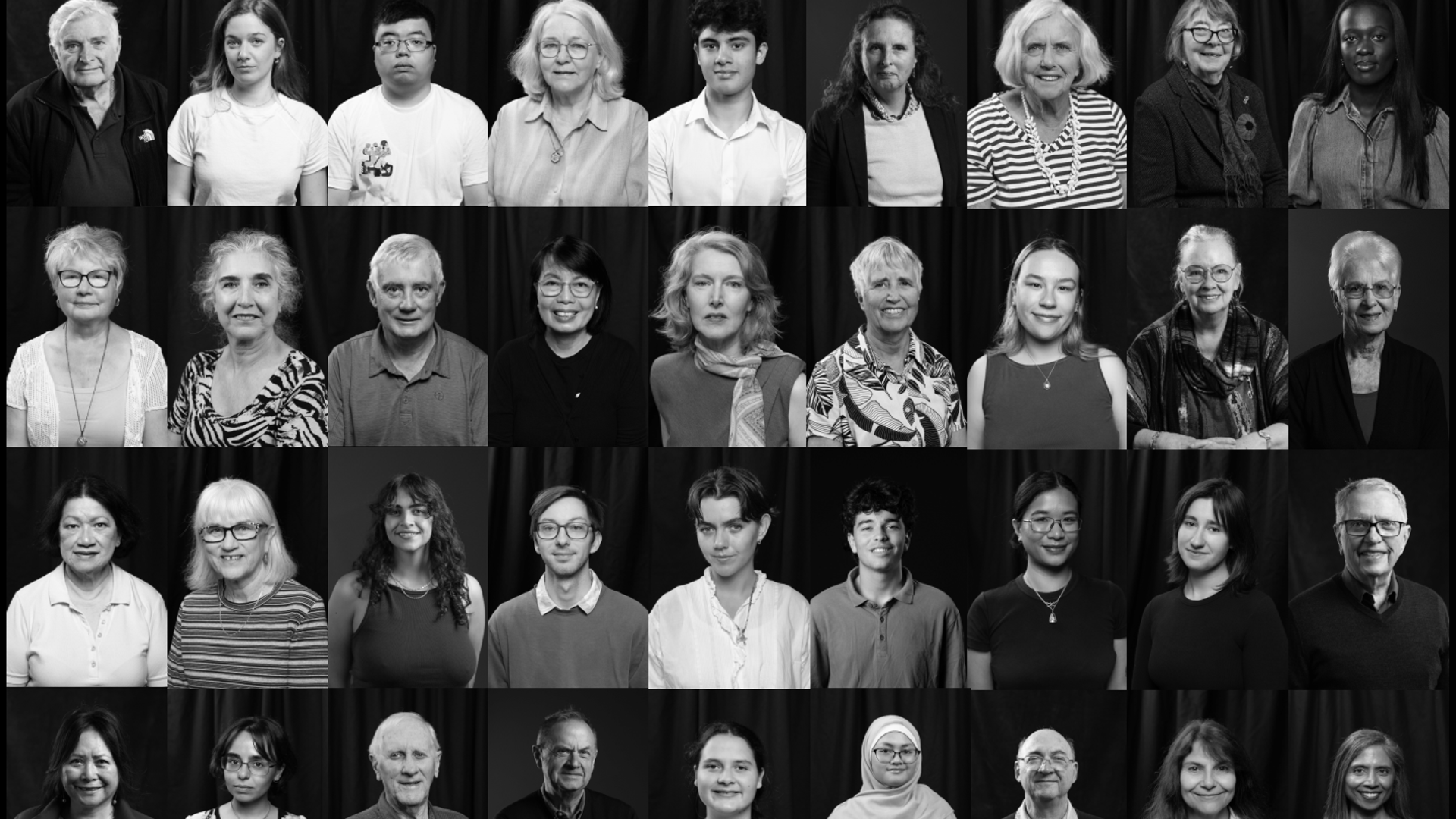
Grid of multiple black and white unique portraits, of diverse age, background and identity.

Powerhouse Volunteers

Join the Powerhouse and collaborate with our Collection, program, studio and food teams.
More
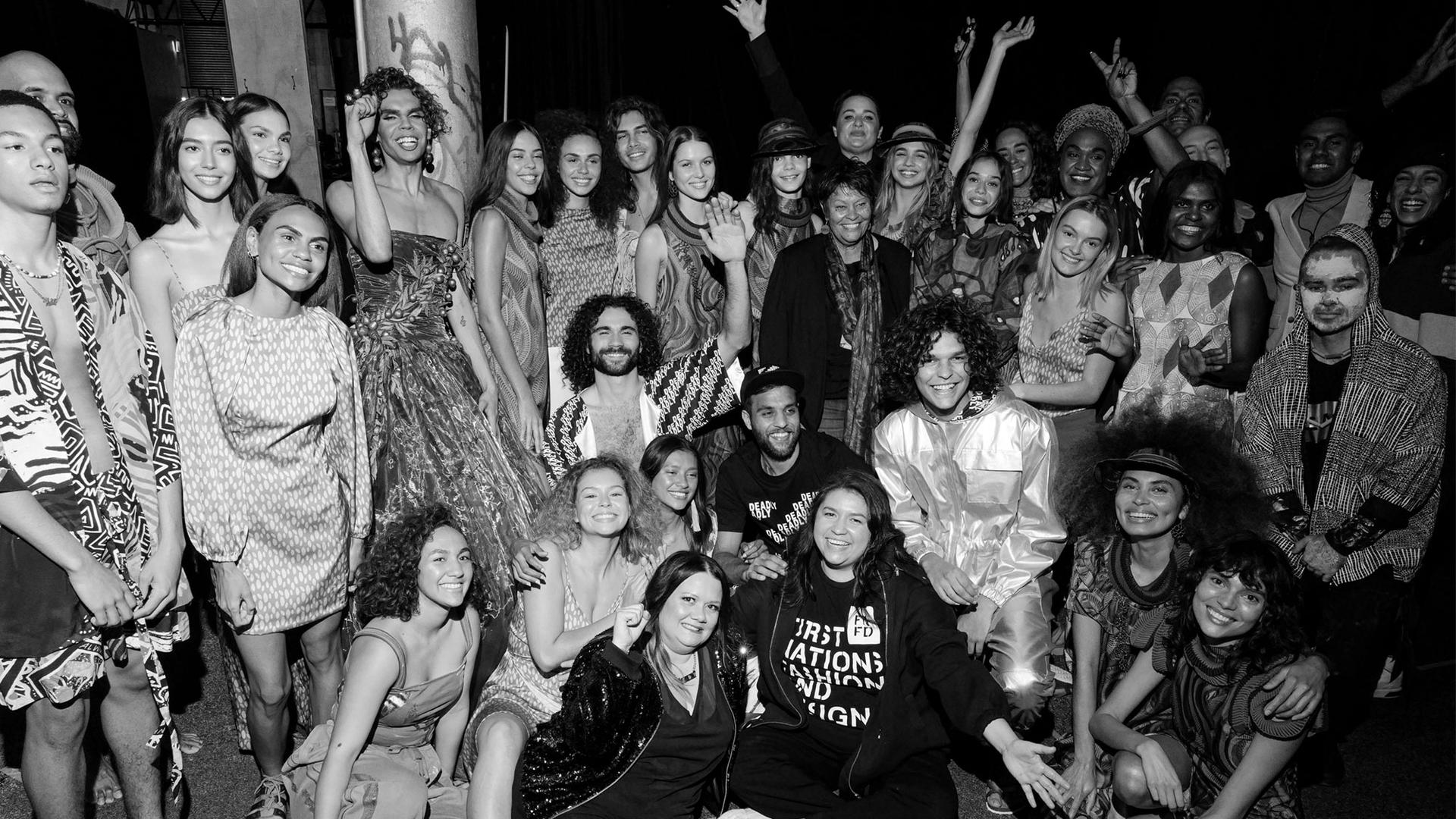
First Nations models dressed in different outfits celebrate backstage at a fashion show. Black and white photograph.

Opportunity

Powerhouse opportunities span careers, volunteer projects, residencies, fellowships, design accelerators and research programs. We are always looking for new talent and great collaborations.
More
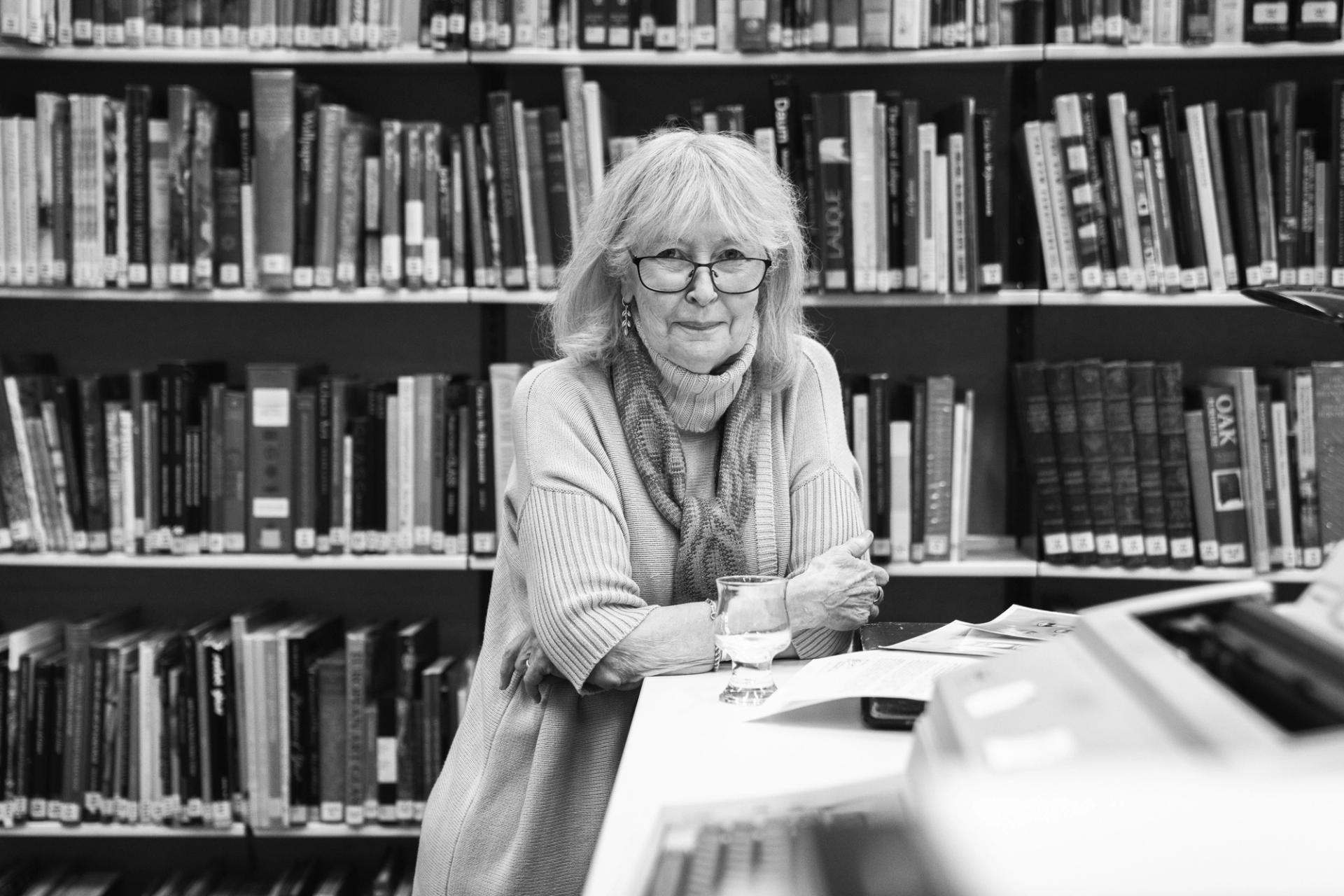
Black and white portrait of woman (Denise Larcombe) in a library, sitting on a table with a curved glass in front of her.

Denise Larcombe’s Five Decades of Glass and Giving

Powerhouse Volunteers

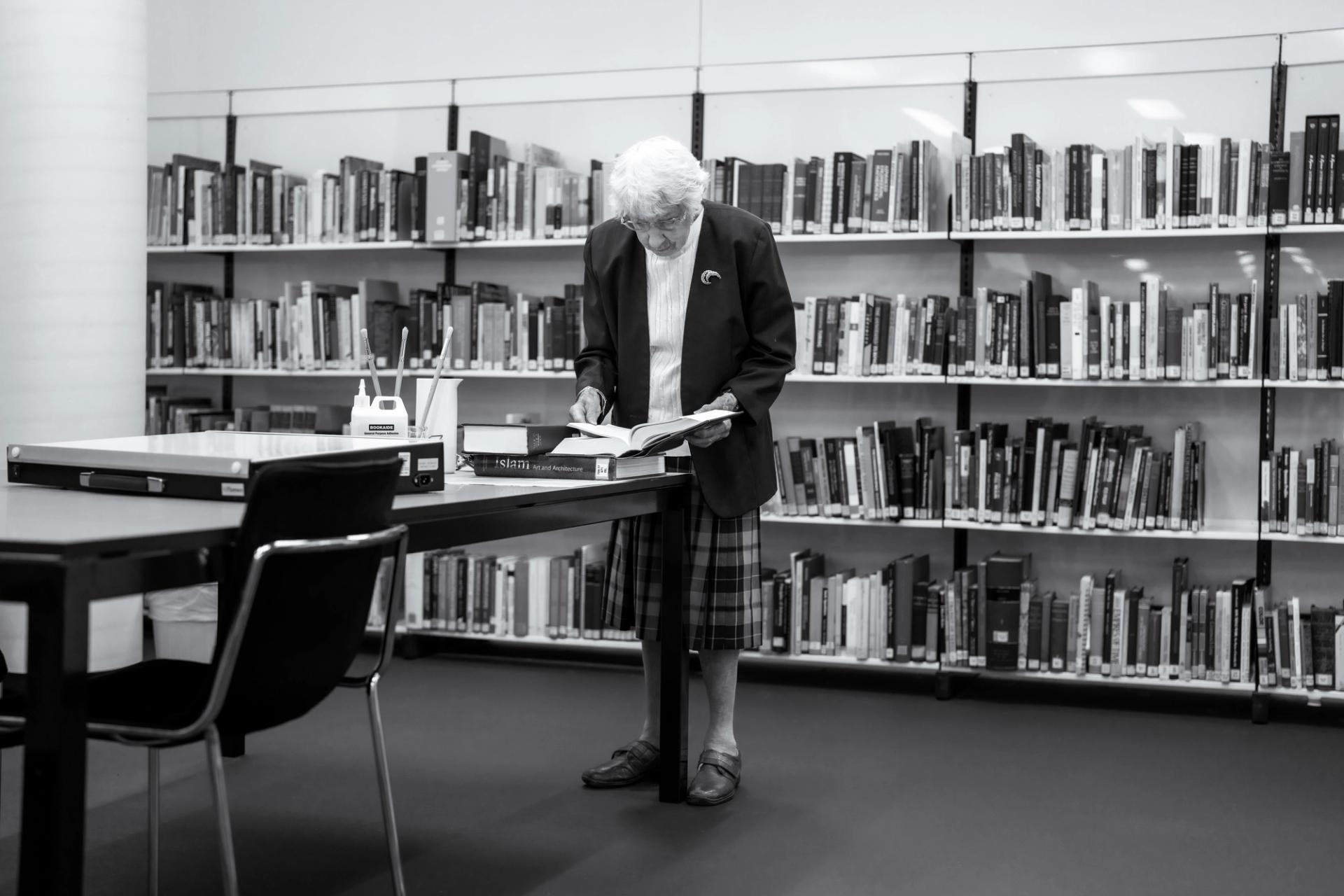
Generations in Service

Powerhouse Volunteers
Stories
SubscribeFAQContactGovernanceAccessibilityOpportunities