What We Keep

‘David Jones and Powerhouse frame, elevate and tell stories through objects, just in different contexts. The cabinet became a way to hold those ideas together through display, concealment and preservation.’
I’m Tom Skeehan, founder of SKEEHAN Studio (opens in new tab). We work across furniture and product design, partnering with brands on commercial projects as well as more conceptual and cultural work.
I was drawn to this commission for the chance to work between two institutions that have shaped design culture in Australia: David Jones as tastemaker and Powerhouse as custodian of design, making and industry. These opportunities are rare, especially for a designer wanting to contribute something to that legacy.
Concept
When I began researching the histories of David Jones and Powerhouse, an overlap between retail and museum emerged. Both frame, elevate and tell stories through objects, just in different contexts. I wanted to create a work that could live in our homes and still speak to both worlds. Everything kept pulling me back to a cabinet.
A cabinet naturally holds ideas through display, concealment and preservation. Part display, archive and domestic furniture, it gave me a way to explore how objects are experienced, whether they’re put on show, tucked away, or carefully revealed. For me, it connected to the way that Powerhouse and David Jones exhibit objects: on a plinth, behind glass or in a display window, the object’s status is elevated. When we're setting up our home, whether it's intentional or not, we're thinking about the way objects have been presented to us.
David Jones Archive
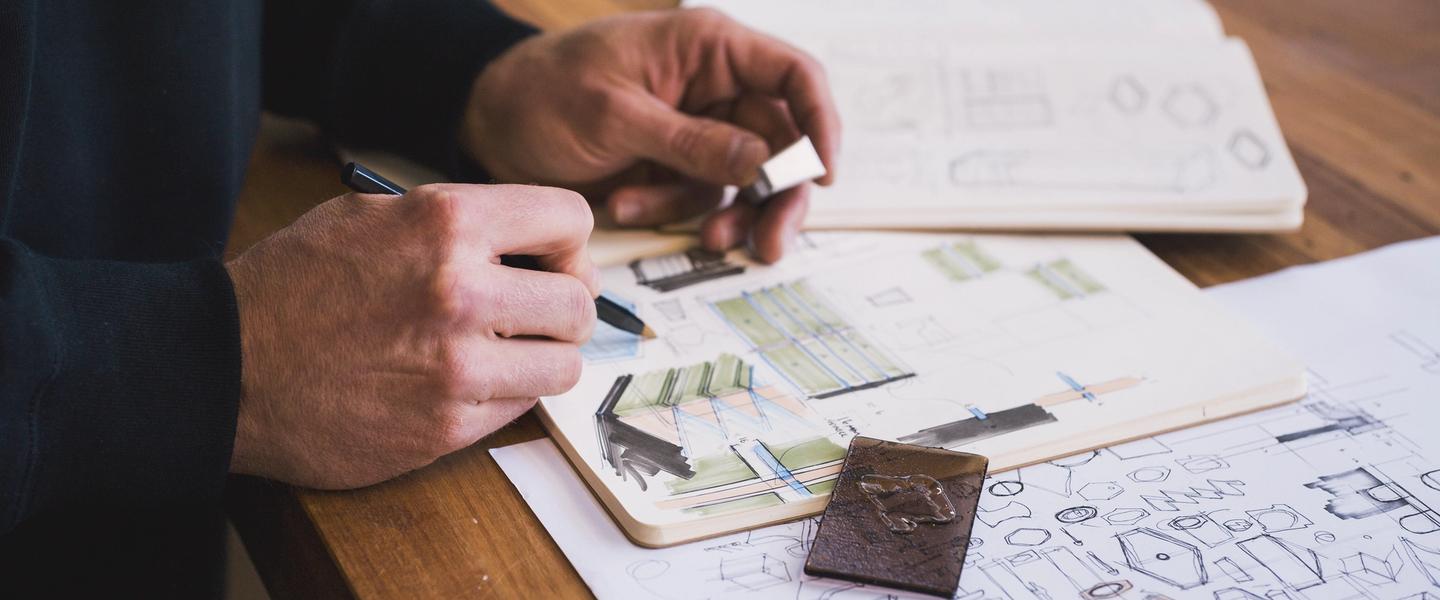
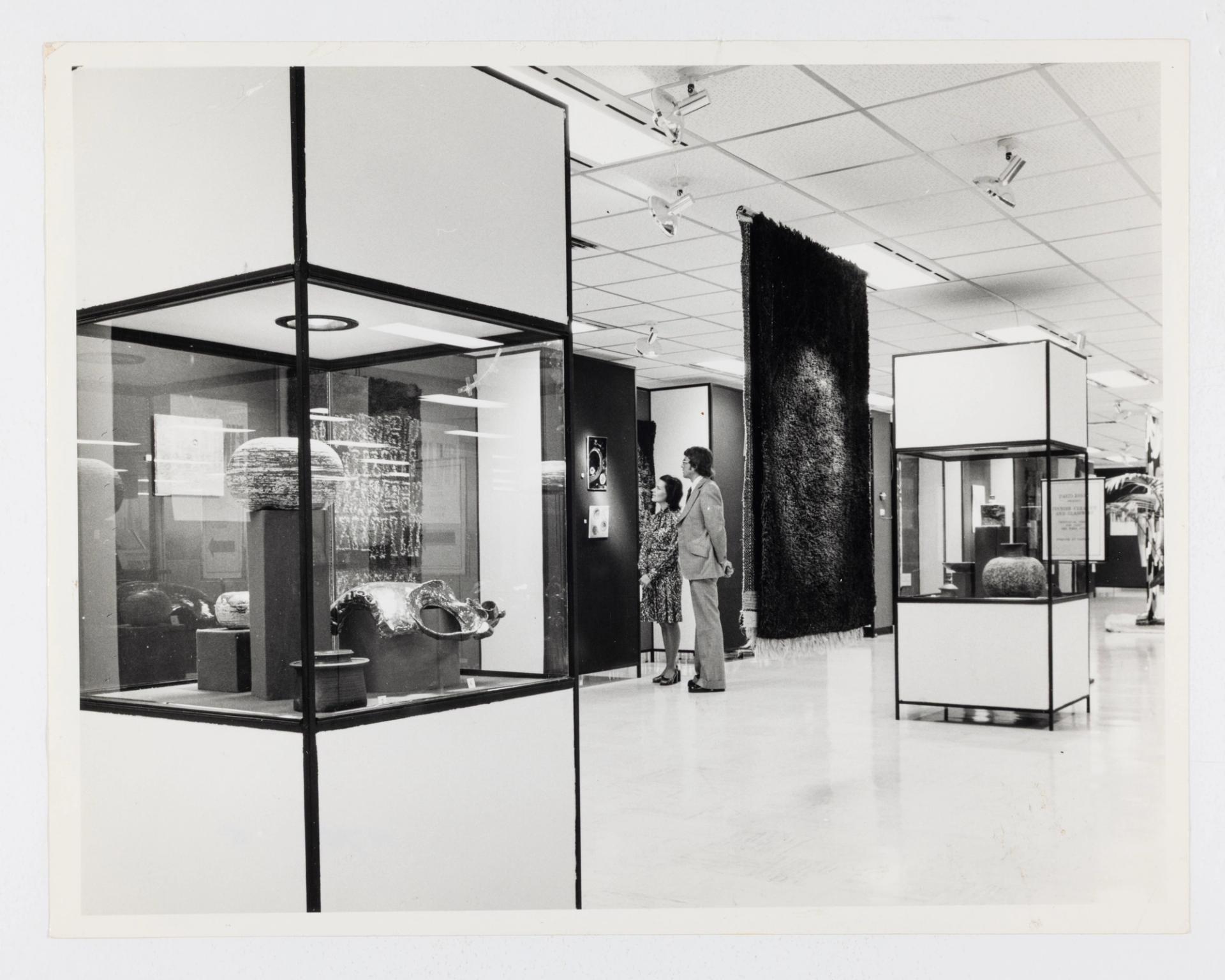
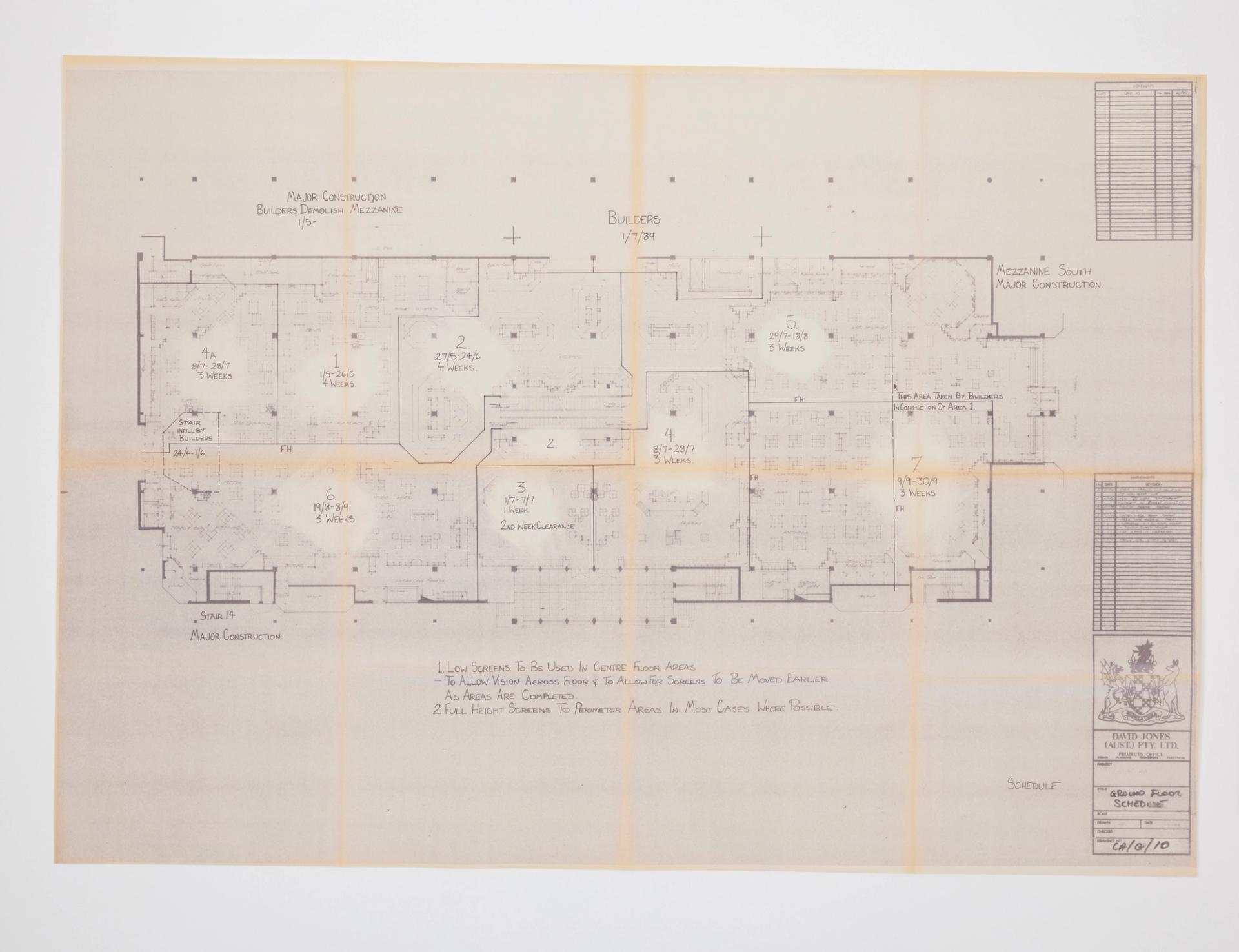
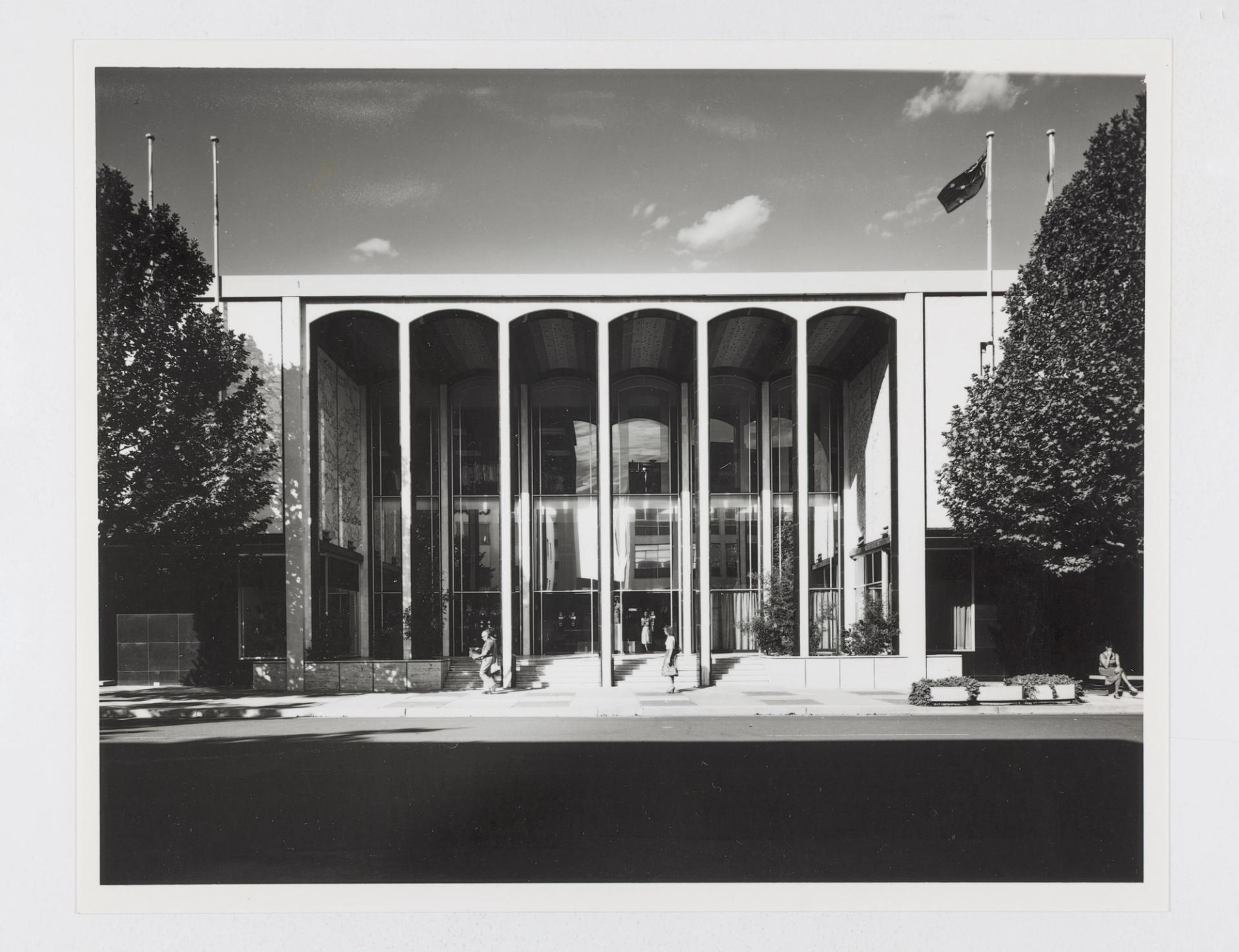
As part of the commission, I was given access to the David Jones Archive: 150 years’ worth of hand drawn architectural plans, material swatches, letters, newsletters and photographs that Powerhouse is digitising.
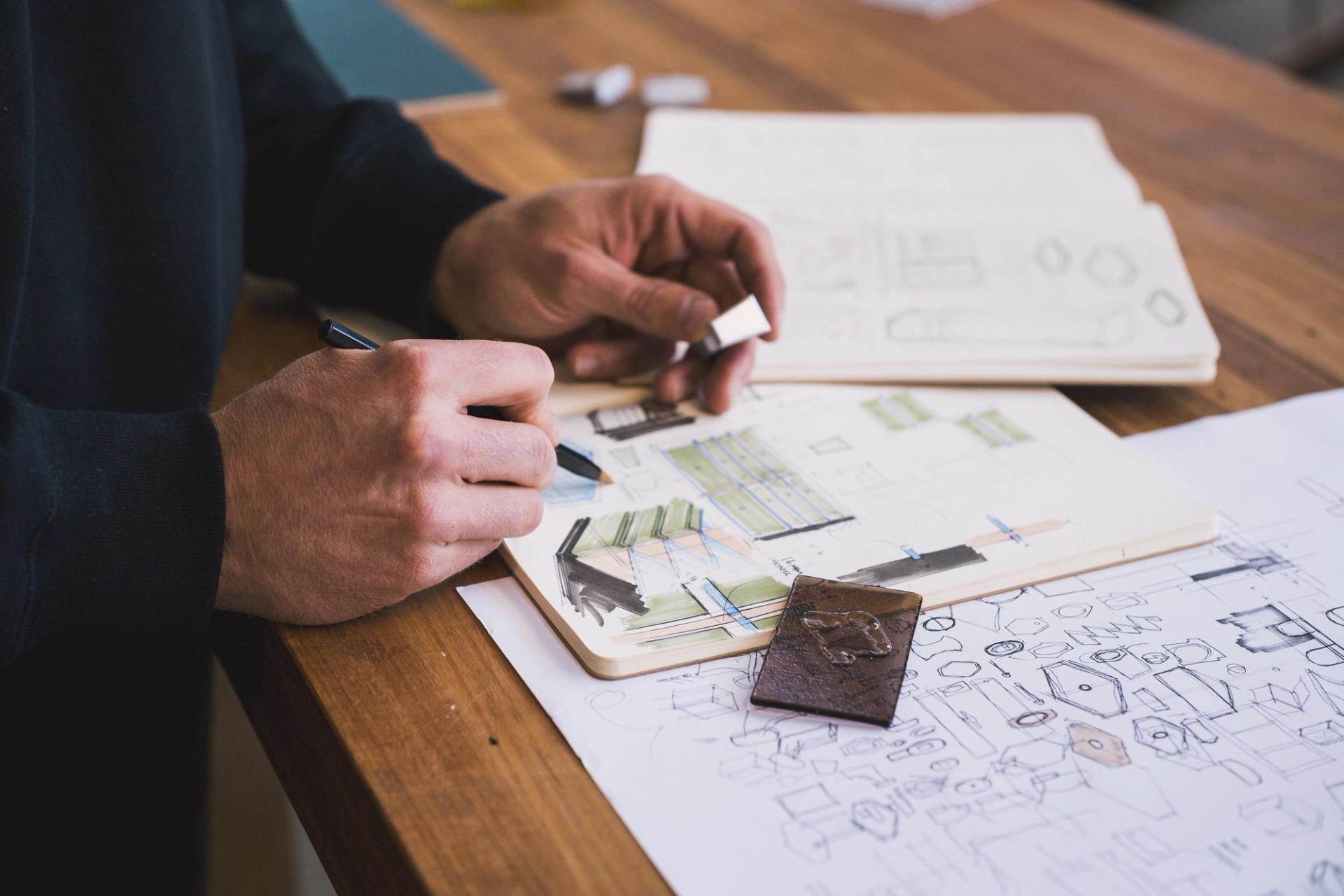
Looking at early plans and photographs of David Jones Canberra I noticed a triangular-prism shape on the building’s exterior, interior retail displays and floorplate. The prism became the design inspiration for the machined aluminium brackets, which allow the glass to be offset and create a floating effect.
The Cabinet
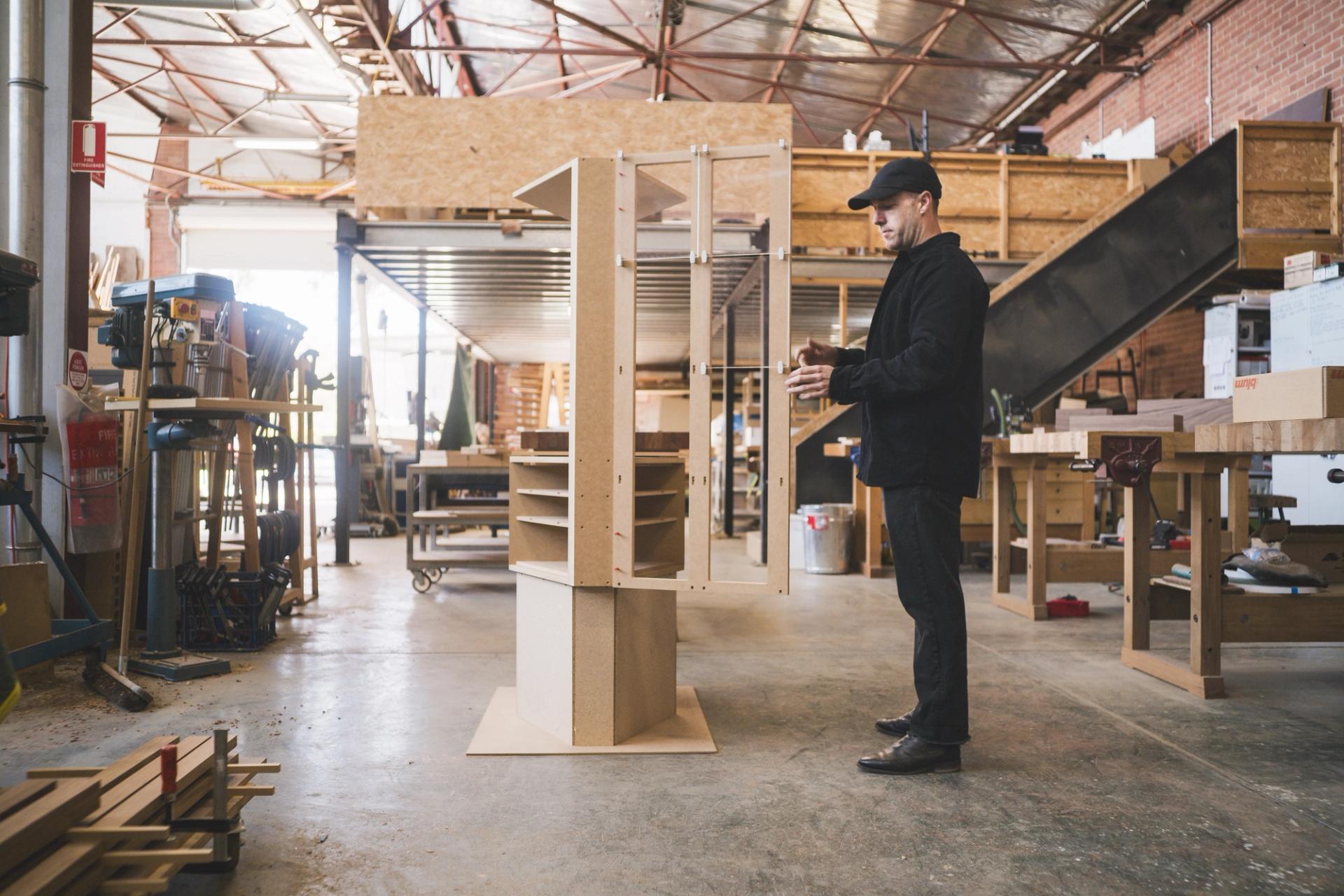
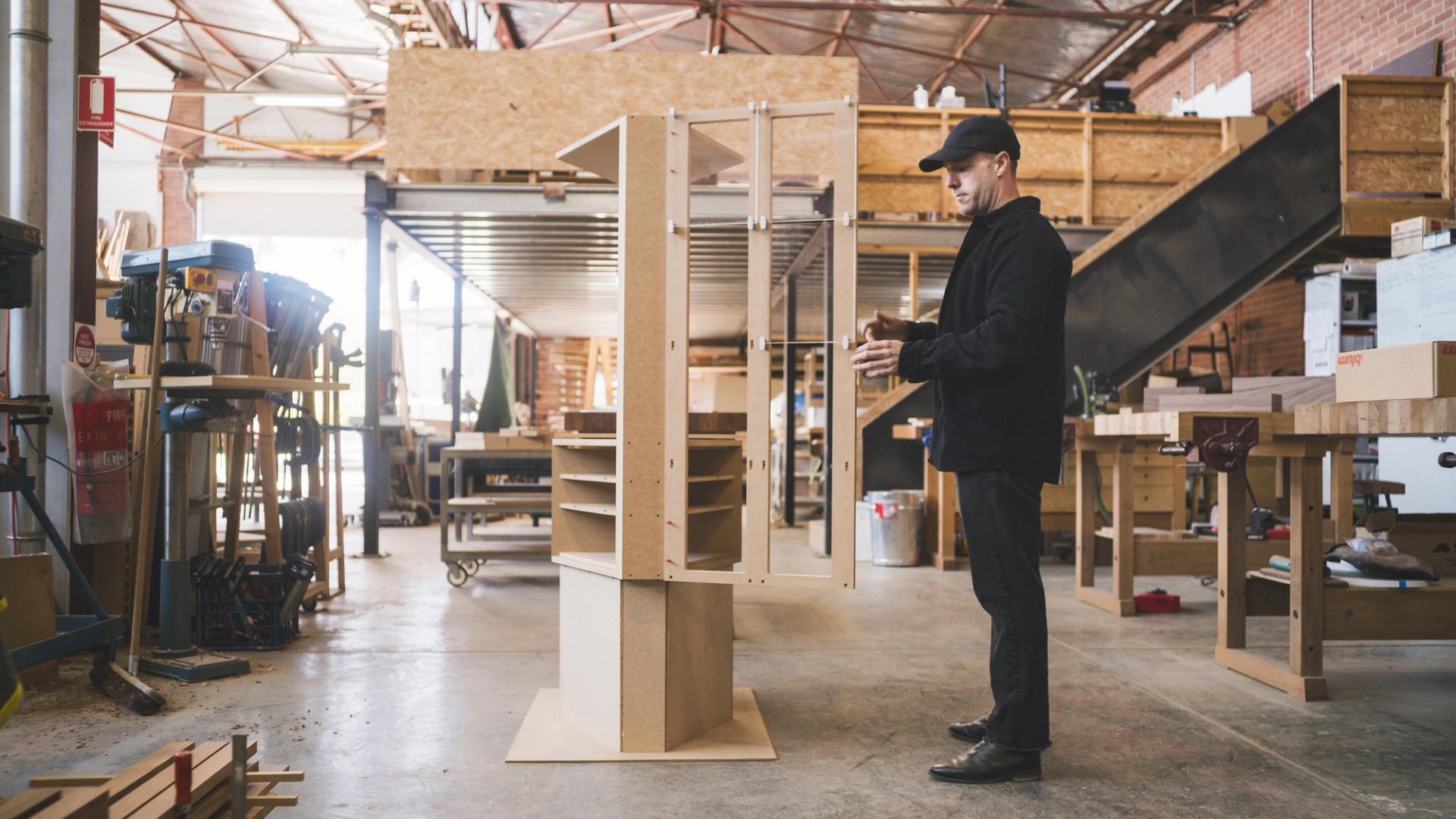
The cabinet is quite large — 1800 mm high x 750 mm wide x 750 mm deep — and intended to be walked around. The doors are accessible from all sides and objects can be displayed or hidden behind frosted glass, in drawers or jewellery boxes. The drawers are 2-way and function like a tray. You can pull them out, place them, pack them and put them away again.
The cabinet is made of ash timber, glass and aluminum. Each material has a clear role: timber gives warmth and structure; glass controls visibility; and aluminum brings precision. In my practice, material choice is never separate from the story: it’s part of how the object works and how it’s understood.
One of the early ambitious ideas was to create a glass skin for the cabinet. Similar to a display window in a building facade, it would add a layer between the object and the viewer. It’s less about full transparency and more about filtering, diffusing and controlling what you see.
Collaboration
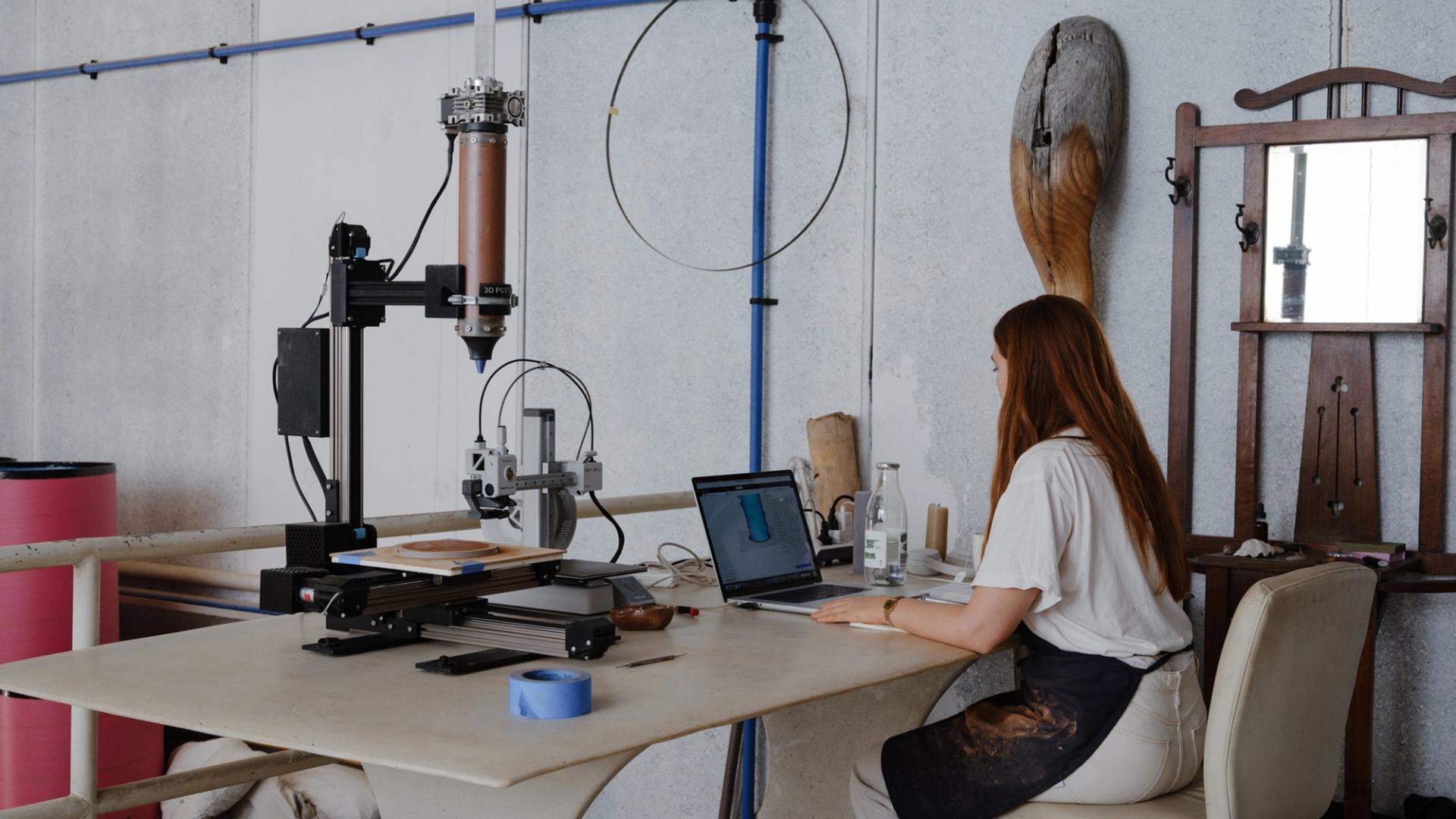
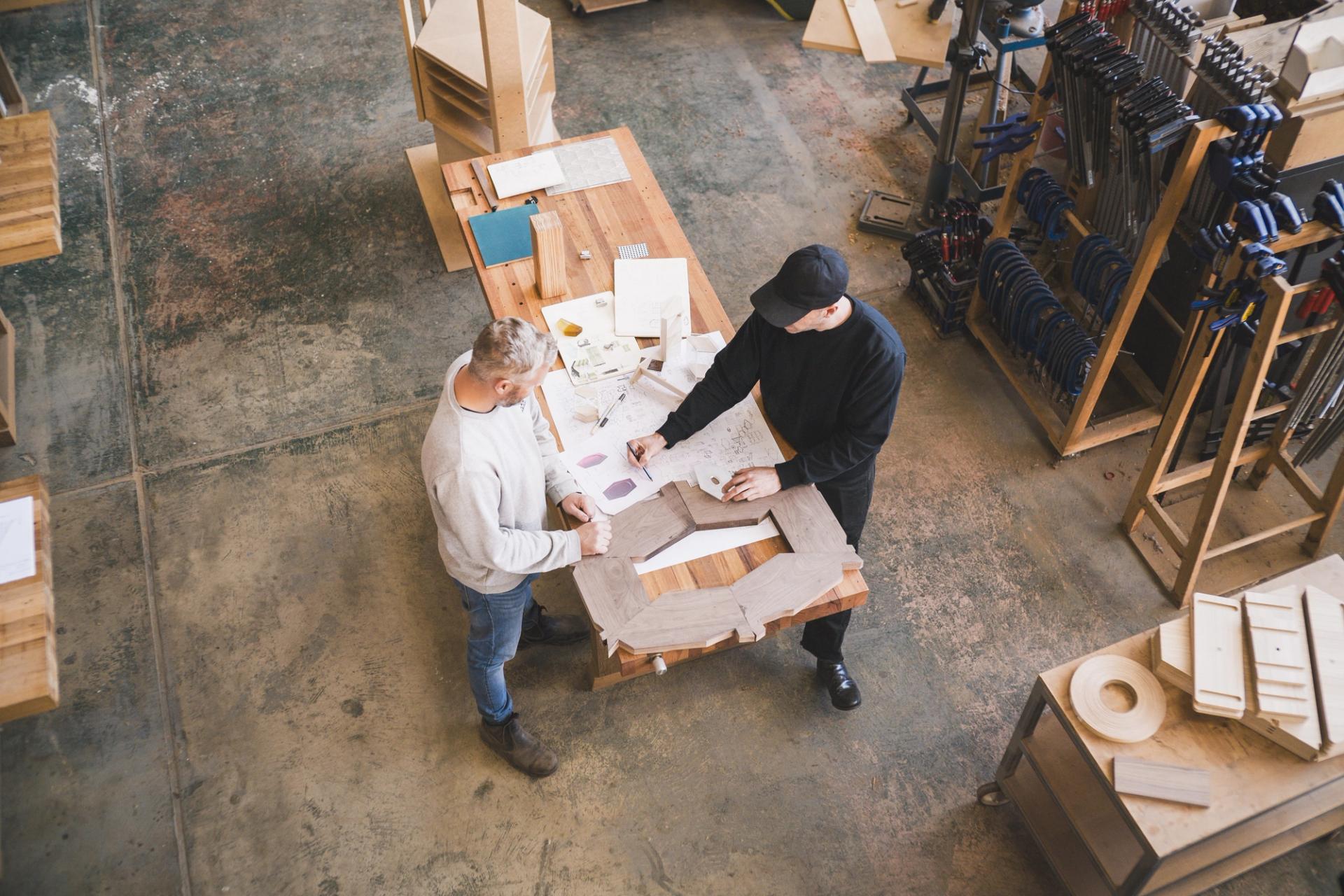
This project has been shaped by the people who made it. Working in Canberra allowed the piece to evolve through real collaboration, testing and conversation across different workshops. It also became a way to spotlight what Australian making looks like now, across digital fabrication and more traditional craft.
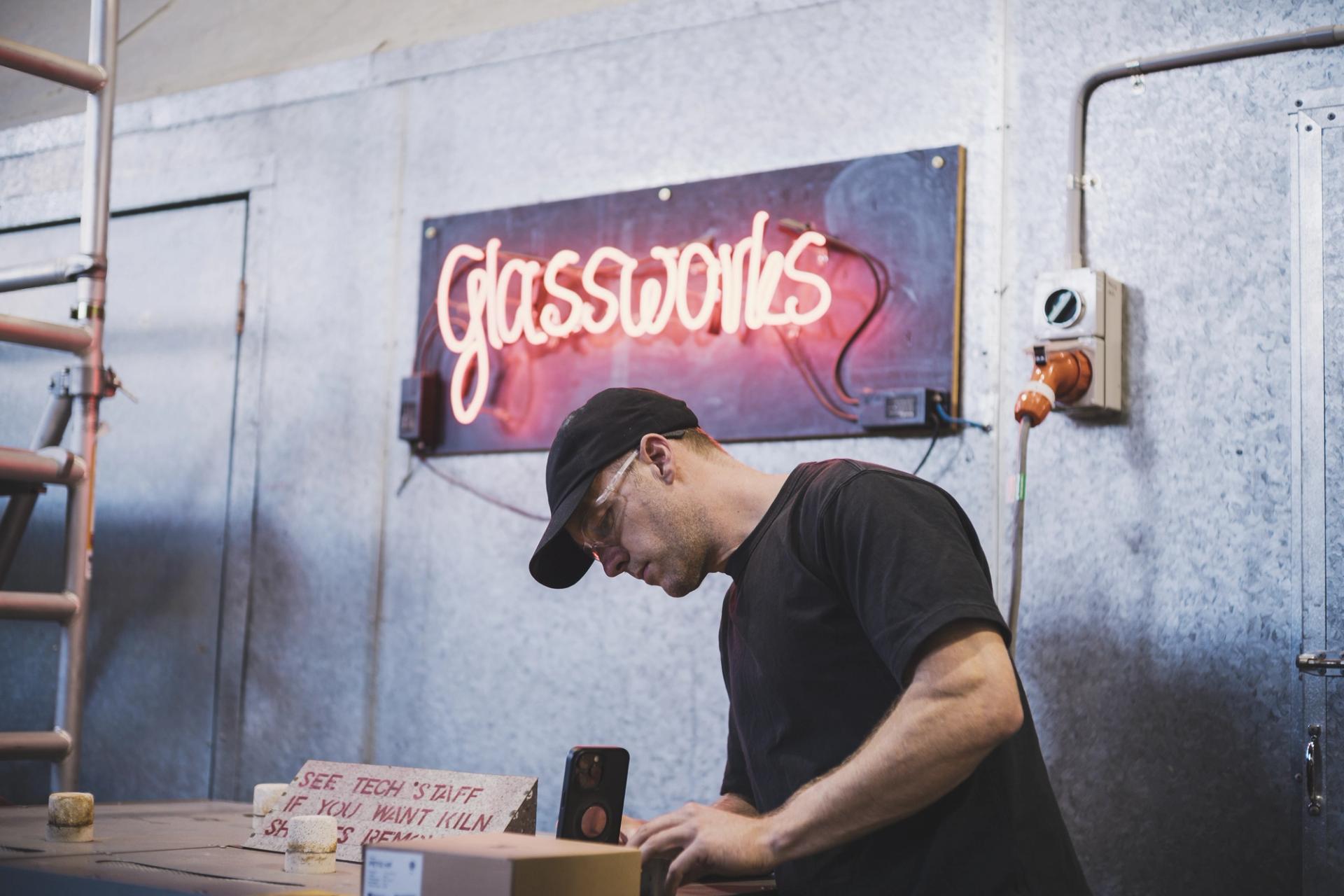
I’ve collaborated with the Canberra Glassworks (opens in new tab) on multiple projects. It’s one of the best glass facilities in the southern hemisphere and only a kilometre from my studio. When I pitched the glass skin to the experts, they showed me their research into recycled glass casting and how they've been melting down television screens to create a variety of objects.
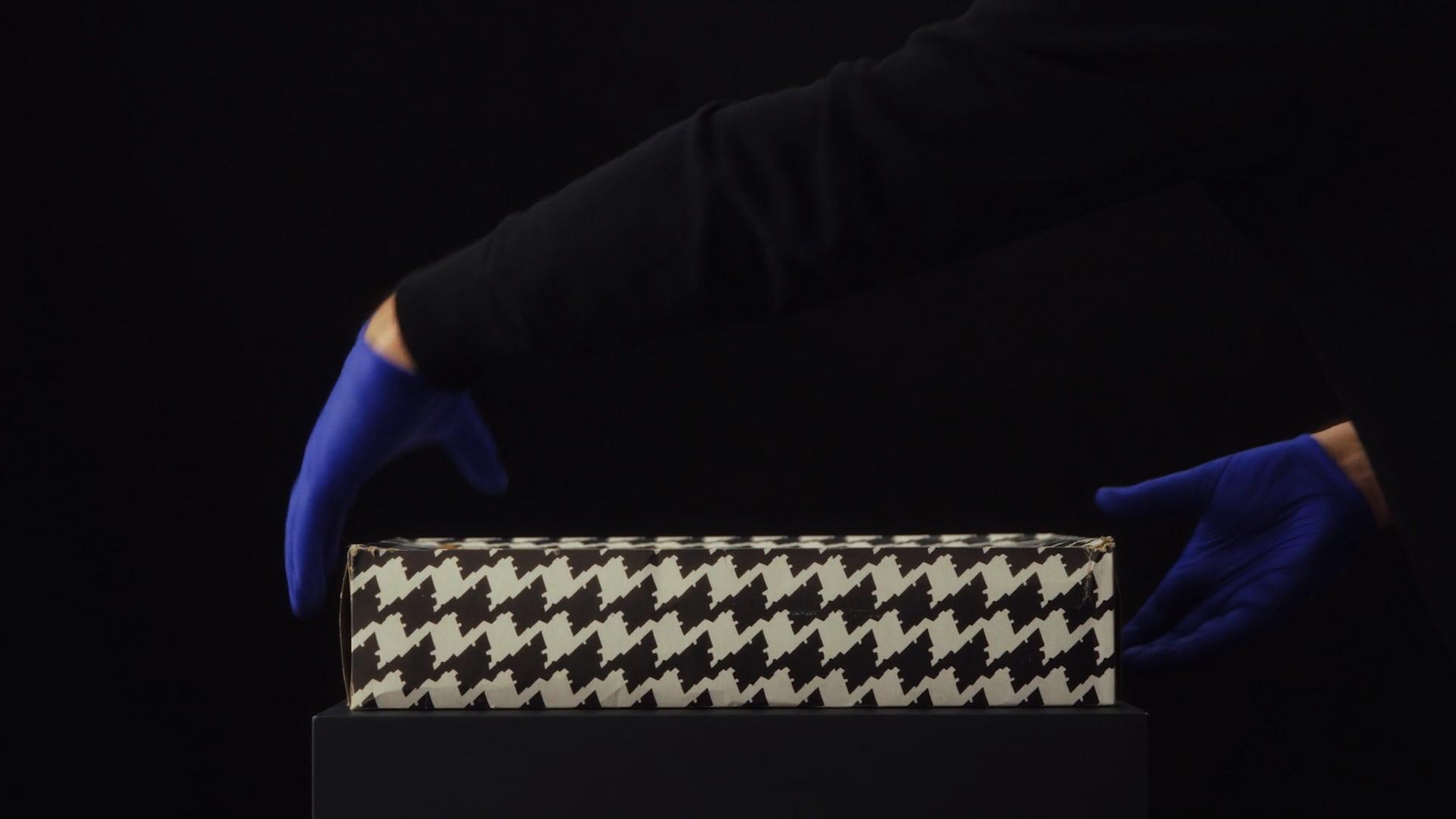
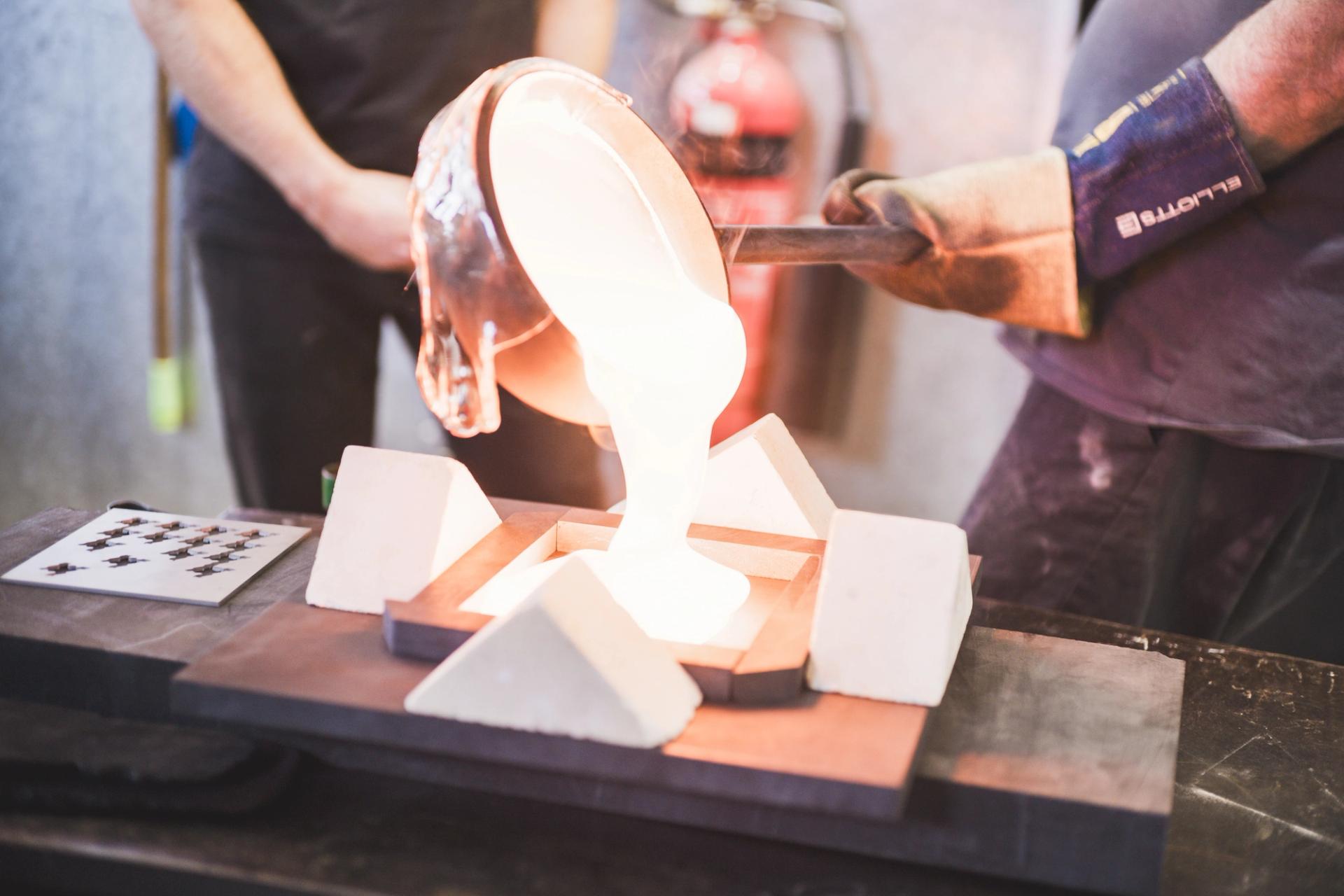
We were able to include the iconic David Jones houndstooth in the glass skin through a process called ‘kiln forming’. Using recycled sheet panels we created our own moulds then laid the glass into the kiln. Over the next 24 hours, the glass was baked and reformed into our patterns.
What We Keep
What keeping means to me is really about assigning value. What we choose to hold onto, what we put on display and what we hide says a lot about what matters to us. The cabinet just makes that visible.
My cabinet would hold a mix of personal and everyday objects: maybe a Japanese chisel, my KitchenAid, a beautiful pair of Nikes or family passports. Some things I’m proud to have out, others I prefer to keep tucked away, but still close and cared for. That shift between showing and hiding is really the whole point. It’s less about the object itself and more about how it’s framed and given a place.
A lot of design knowledge sits in the making, testing and collaboration, so showing the process feels really important. The final object matters, but so does the process that shaped it. Capturing and sharing that process feels like part of contributing back to the same design culture the project is drawing from.
50 years from now, I hope people understand this work reflects a particular moment in Australian design, where global influences were being translated through local making, materials and collaboration. I hope it also says something about those processes being valued, documented and worth preserving.
At its core, the project is about how we assign value to objects.
About David Jones
David Jones is Australia's leading premium department store retailer. The iconic department store first opened its doors in 1838 with the mission to sell the best and most exclusive goods. David Jones has 41 locations across Australia and New Zealand as well as davidjones.com in Australia and is the oldest continuously operating department store in the world still trading under its original name.
The David Jones Archive includes thousands of artefacts and documents, some dating back to as early as the 1830s, representing David Jones' remarkable history — a history that is embedded into the cultural and social identity of Australia.
The archive has been cared for by David Jones since its inception 186 years ago and now this generous and internationally significant donation to the Powerhouse Museum will ensure its digitised, exhibited, researched and accessible in perpetuity.
Powerhouse and David Jones Australian Design Commission
The Powerhouse and David Jones Australian Design Commission invests in the next generation of Australian designers by providing them with the opportunity to design a prototype of a new product for the contemporary Australian home.
Community
New work across the applied arts and sciences is developed through support and investment by Powerhouse. We foster innovation through facilitating collaboration and connection between industry and community.
Powerhouse and David Jones Australian Design Commission
A A$50,000 award and 9-month opportunity for Australian designers to design a contemporary houseware prototype.