Sydney Opera House 50th Anniversary

‘I like to be on the edge of the possible’
The Sydney Opera House opened its doors to the world 50 years ago on 20 October 1973. Designed by Danish architect Jørn Utzon (1918–2008), it’s now a UNESCO World Heritage Site and a symbol of Sydney and Australia. The story of the building is itself a grand opera. It opens with a majestic vision, crashes into the hard realities of construction and tightening budgets, plunges into tragedy as the Pritzker Architecture Prize-winning architect is ousted and turns to celebration as the world is gifted a great work of modern architecture.
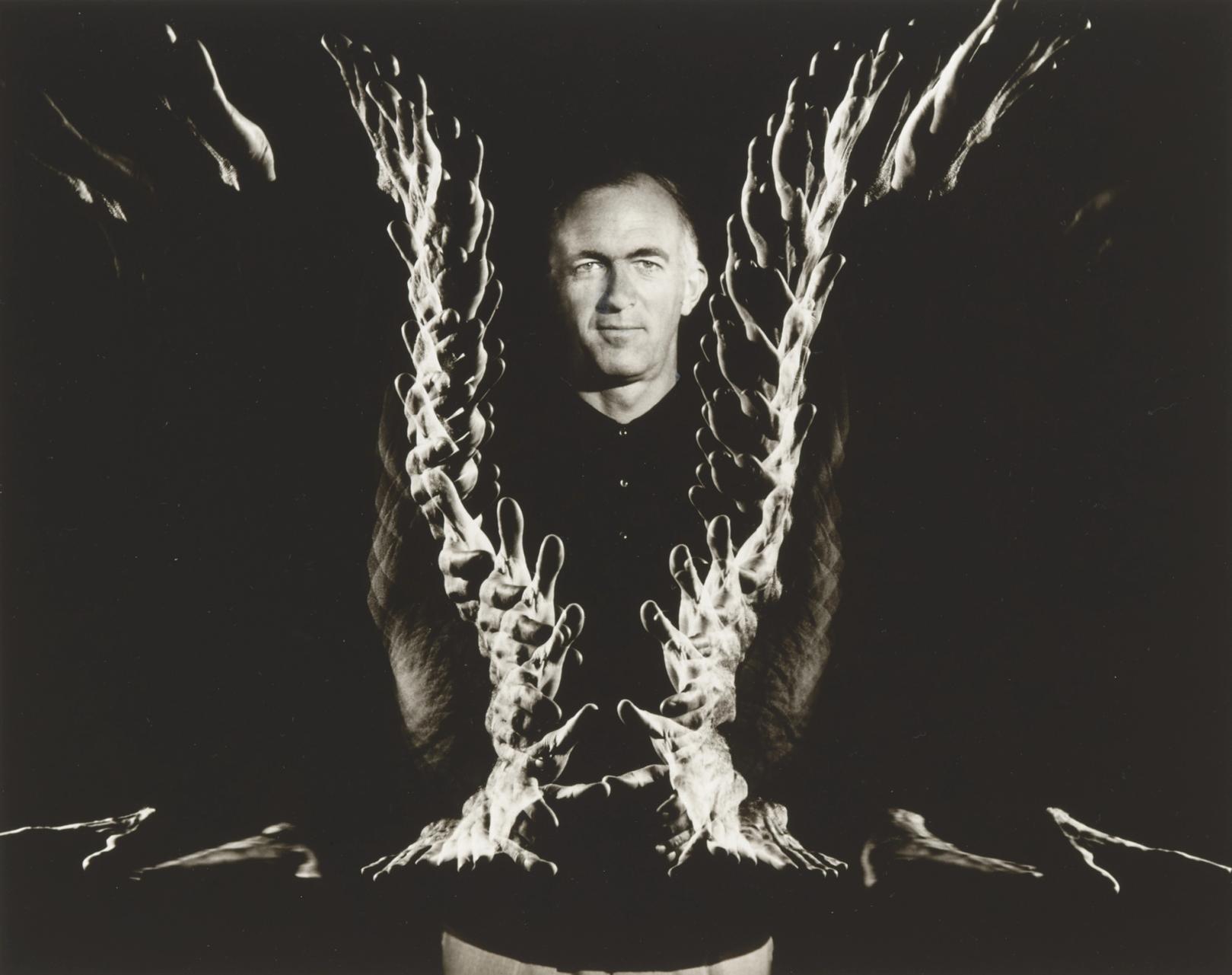
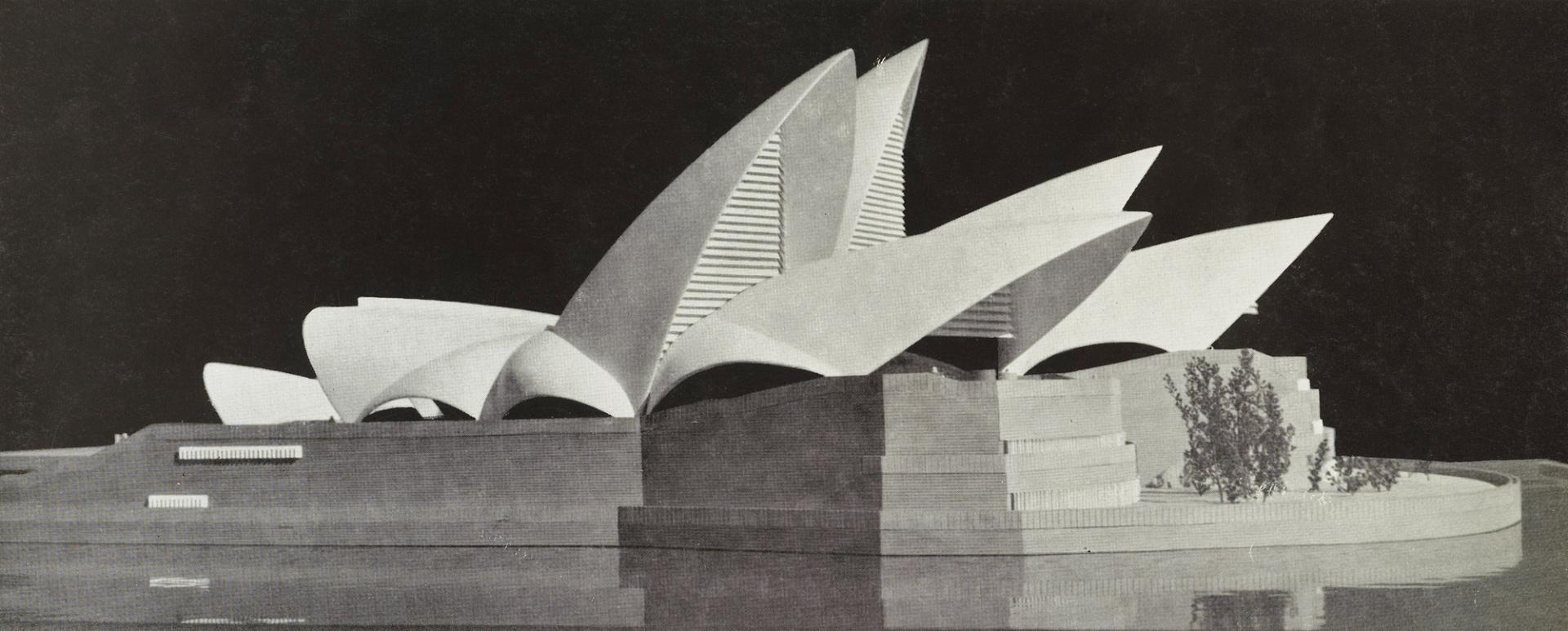
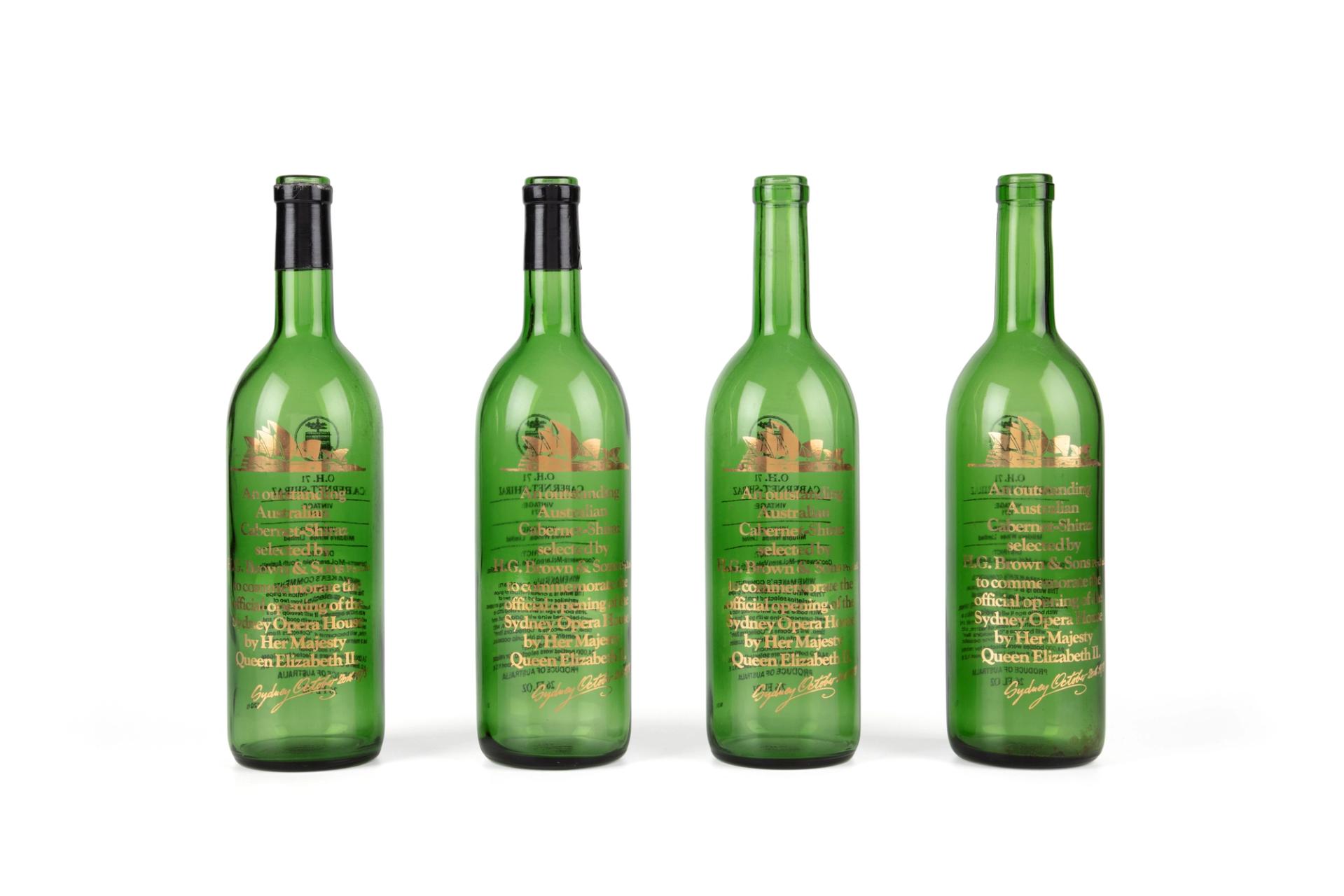
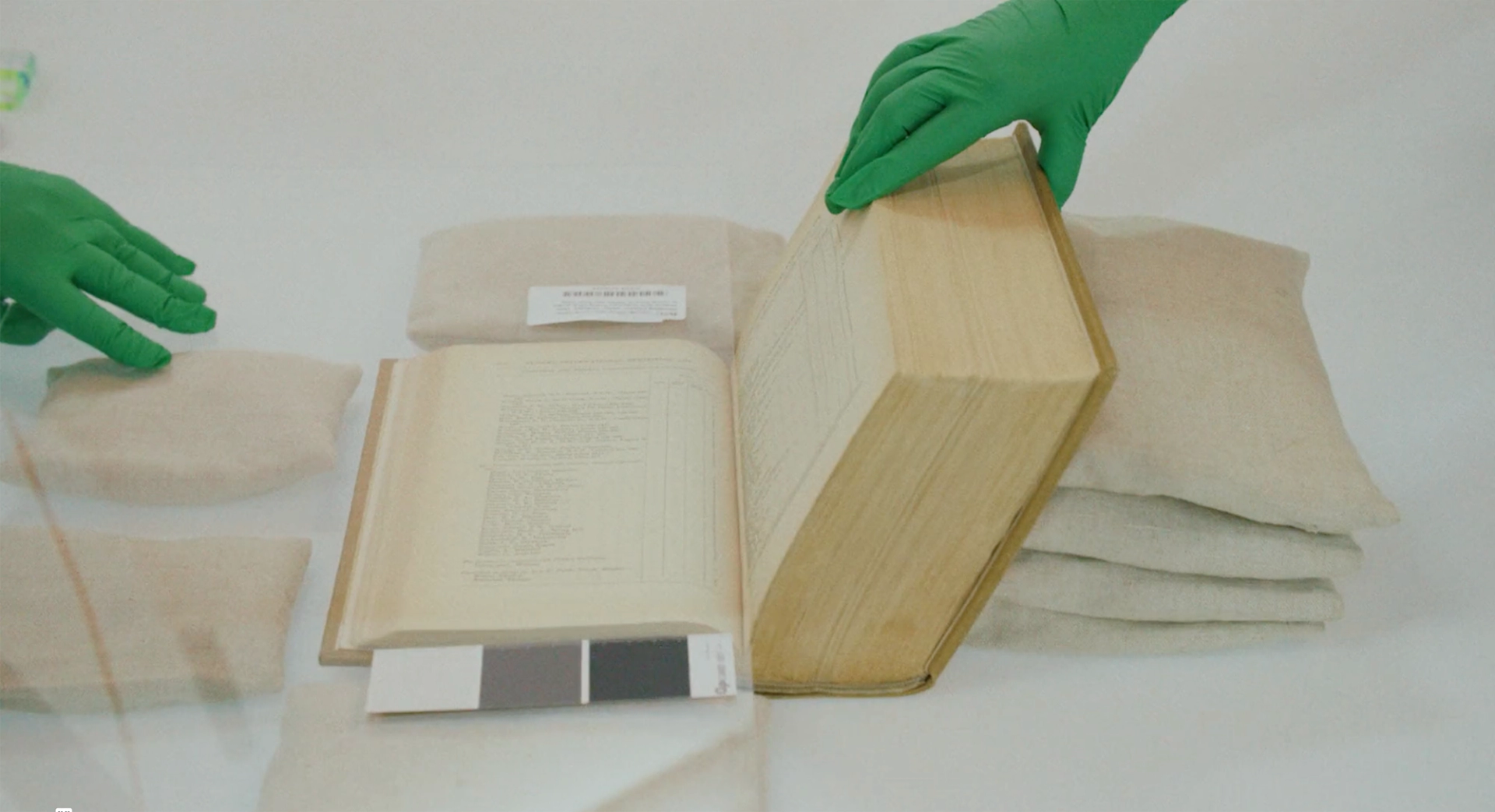
Powerhouse has a remarkable collection of Sydney Opera House objects, photographs and archives illustrating the building’s entire design development and widespread cultural impact. They include architectural models and drawings by Utzon and engineers Ove Arup and Partners, the ‘Red Book’ and ‘Yellow Book’ folios, a compendium of photographs made by Max Dupain for architect Peter Hall, material relating to the opening of the building, performance costumes worn by Dame Nellie Melba and works of numerous artists inspired by the building (Ken Done, Martin Sharp, Brett Whiteley, Peter Tully, Reg Mombassa and Linda Jackson).
The Vision
English conductor and composer Sir Eugene Goossens arrived in Sydney in 1947 as the new conductor of the Sydney Symphony Orchestra and immediately drew attention to the need for an opera house. The cause was taken up by the NSW Premier John Joseph Cahill who announced an international design competition in February 1956 for an opera house at Bennelong Point. The following year, the scheme of Danish architect Jørn Utzon was declared the winning entry among 233 submissions. His billowing, sculptural forms of two performance halls and restaurant with a monumental podium and approach captivated the judges.
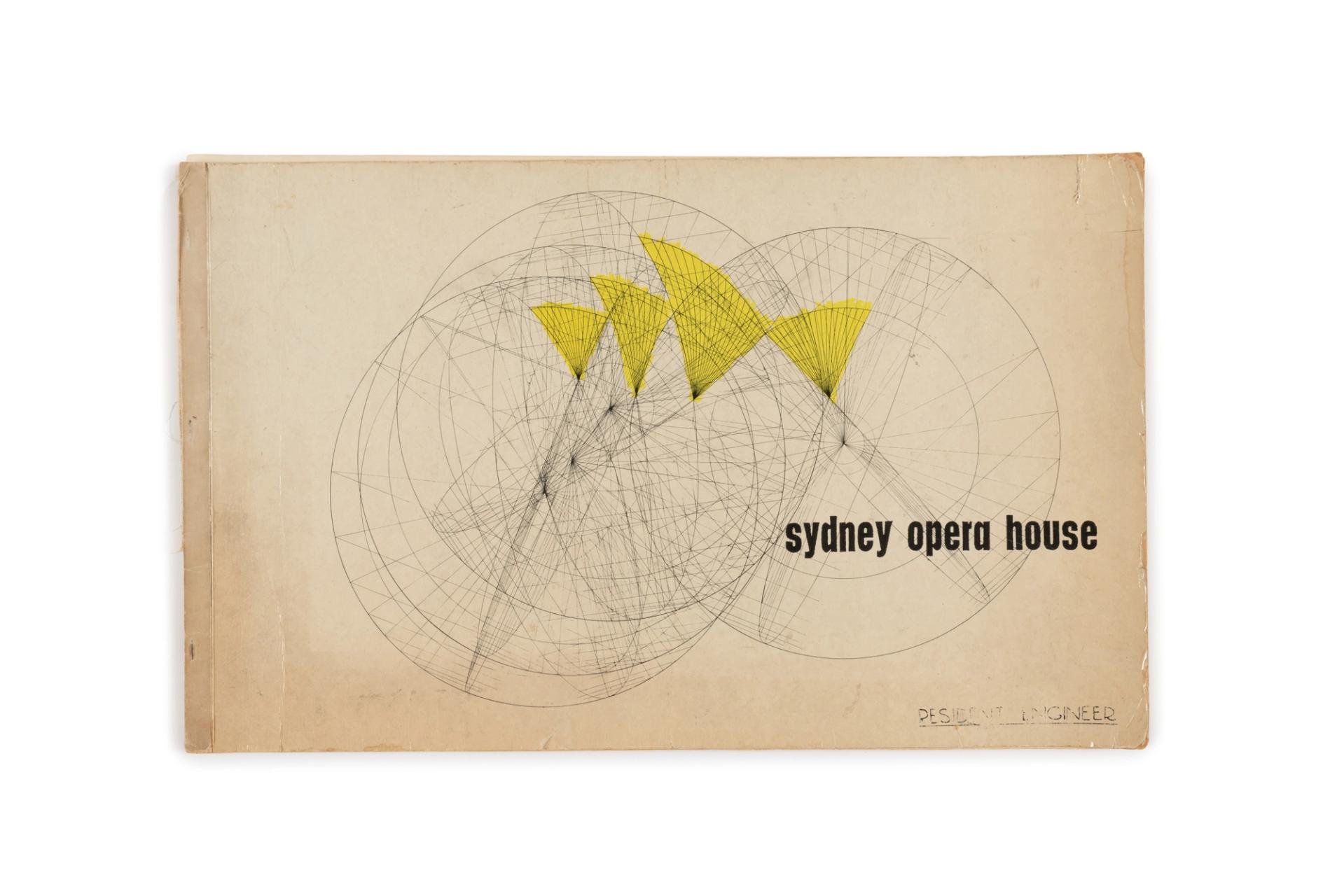
In 1958, Utzon presented the ‘Sydney National Opera House’ report (the ‘Red Book’), containing the first detailing of his geometric approach to the roof. With input from structural engineers Ove Arup and Partners, the ‘Red Book’ conveyed a buildable structure to Premier Cahill.
Concept to Reality
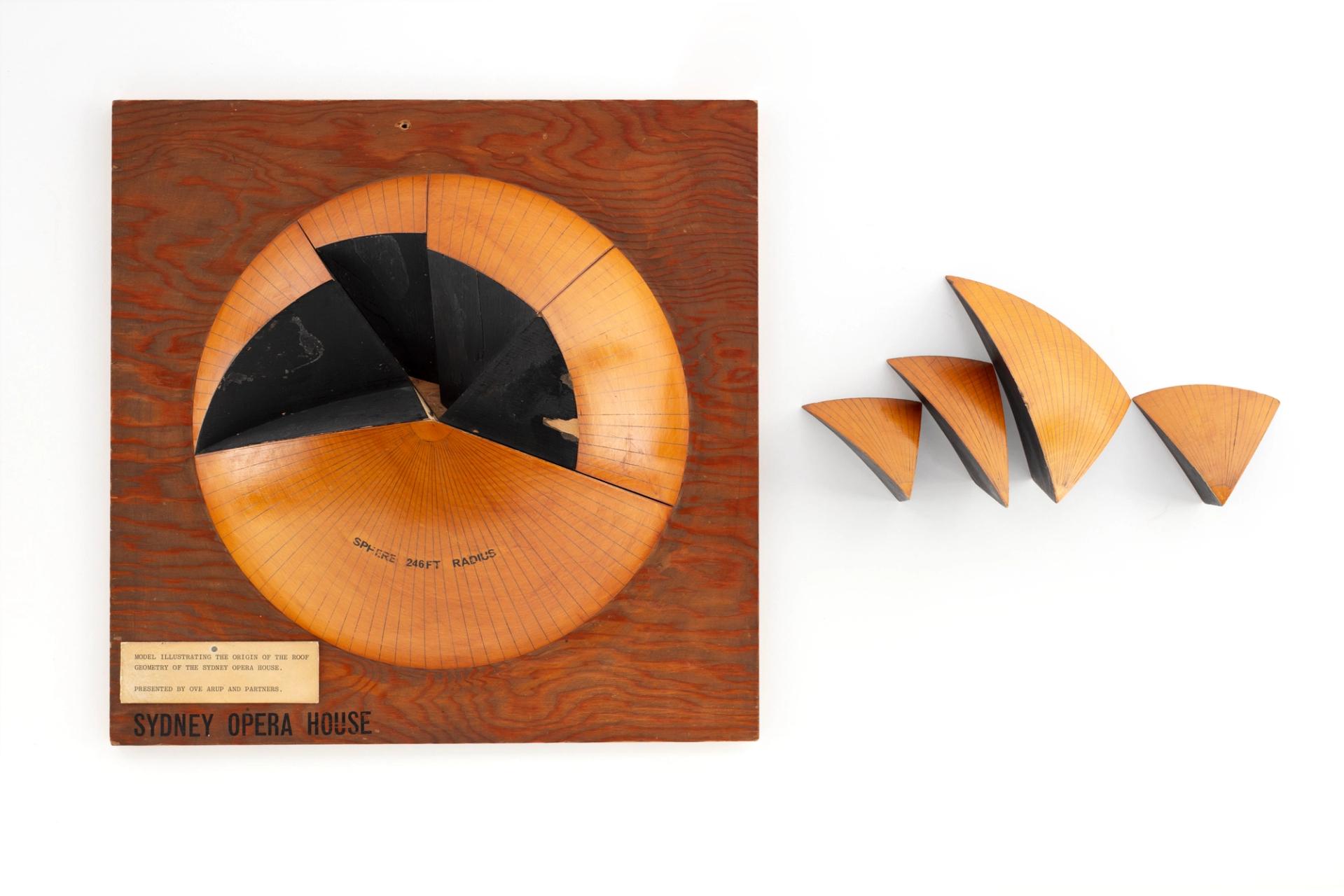
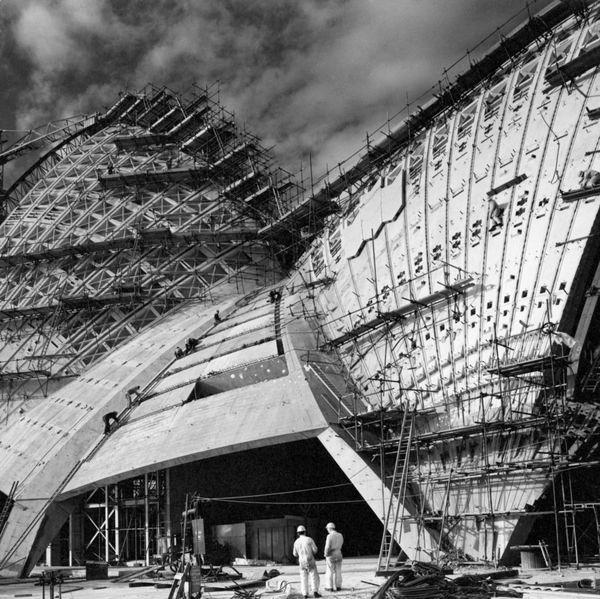
There were numerous engineering challenges in translating Utzon’s vision into a feasible construction. Simply put, the cantilevered roofs shown in the ‘Red Book’ were structurally unsound. Working with Arup engineers, Utzon moved from a parabolic geometry to ellipsoidal geometry with no workable results. An epiphany came in 1961 when they explored spherical solutions. According to Utzon’s account, he was stacking models of the shells, noticed how similar they were, and wondered if they could be derived from the single form of a sphere. The resolution was ingeniously simple: all the shells of the Opera House would be sections of a sphere of constant radius, enabling easier manufacturing and lower costs. The Powerhouse Collection contains both the ‘Yellow Book’, where the concept was explained, and the model which illustrates the spherical roof geometry.
Ousting
Utzon and Arup engineers displayed extraordinary creativity and innovation at every turn to construct such an unprecedented building. However, this was not enough to allay the concerns of the government. In 1965 the NSW Labor Party was defeated in the state election and David Hughes became the Minister for Public Works. He announced the cost estimate had blown out from 3.5 million pounds in 1957 to 24.7 million pounds in 1965 and completion would be delayed till 1969. Tension had been building for years over rising costs and the new government was belligerent in denying Utzon funding for plywood mock-ups of Stage 3 and other fees owed to him. In the face of hostility and unable to advance the project, Utzon resigned on 28 February 1966.
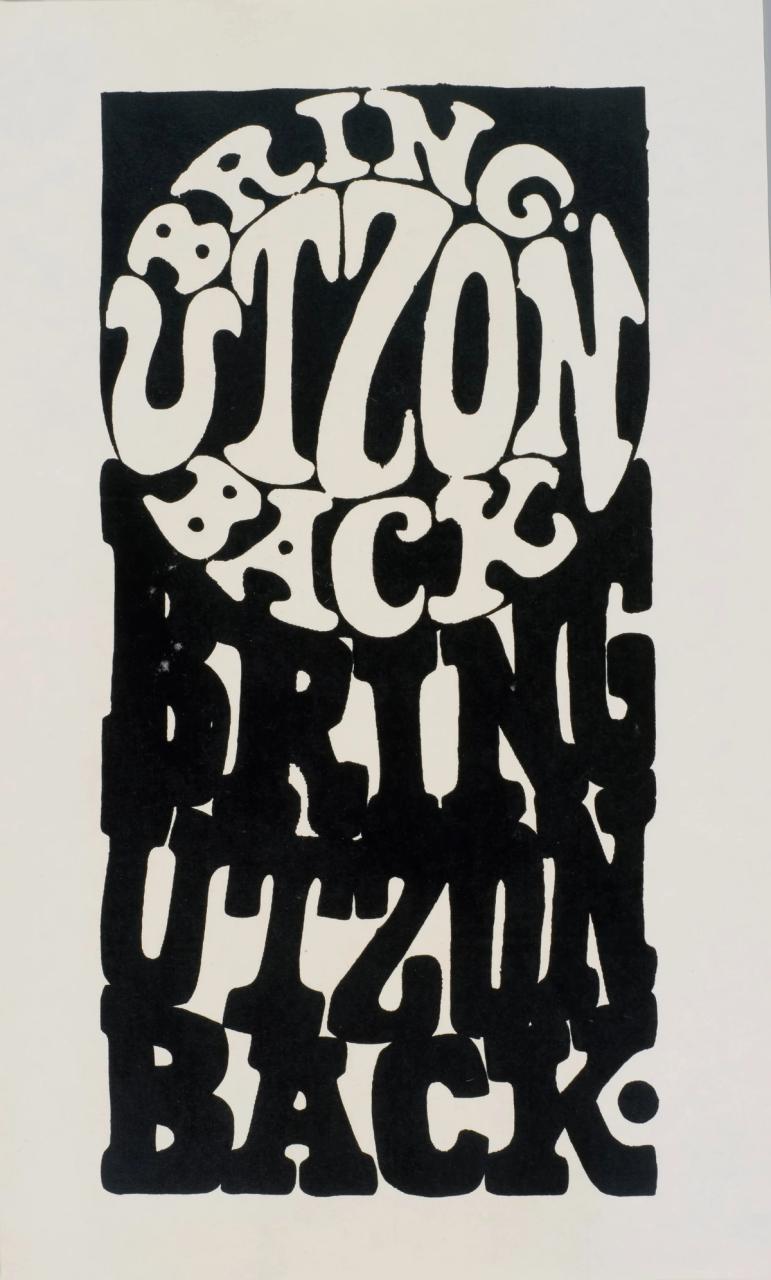
Architect Harry Seidler, writer Patrick White and other prominent Sydneysiders led a march to protest Utzon’s treatment, expressing the dismay of many citizens and architects. This period has often been revisited by historians and commentators, now widely seen as an episode of cultural myopia where bureaucratic pressure won over architectural vision.
The opening
Australian architect Peter Hall and his partners Lionel Todd and David Littlemore were appointed to complete the Sydney Opera House on 19 April 1966. Working from undeveloped designs and sketches, their achievement in completing the building and its interiors is considerable. While not the design Utzon would have realised, Hall sought to capture the spirit of his intentions using colour and art. He commissioned artworks for the Opera House including the bold, astounding tapestries ‘Curtain of the Sun’ and ‘Curtain of the Moon’ by John Coburn.
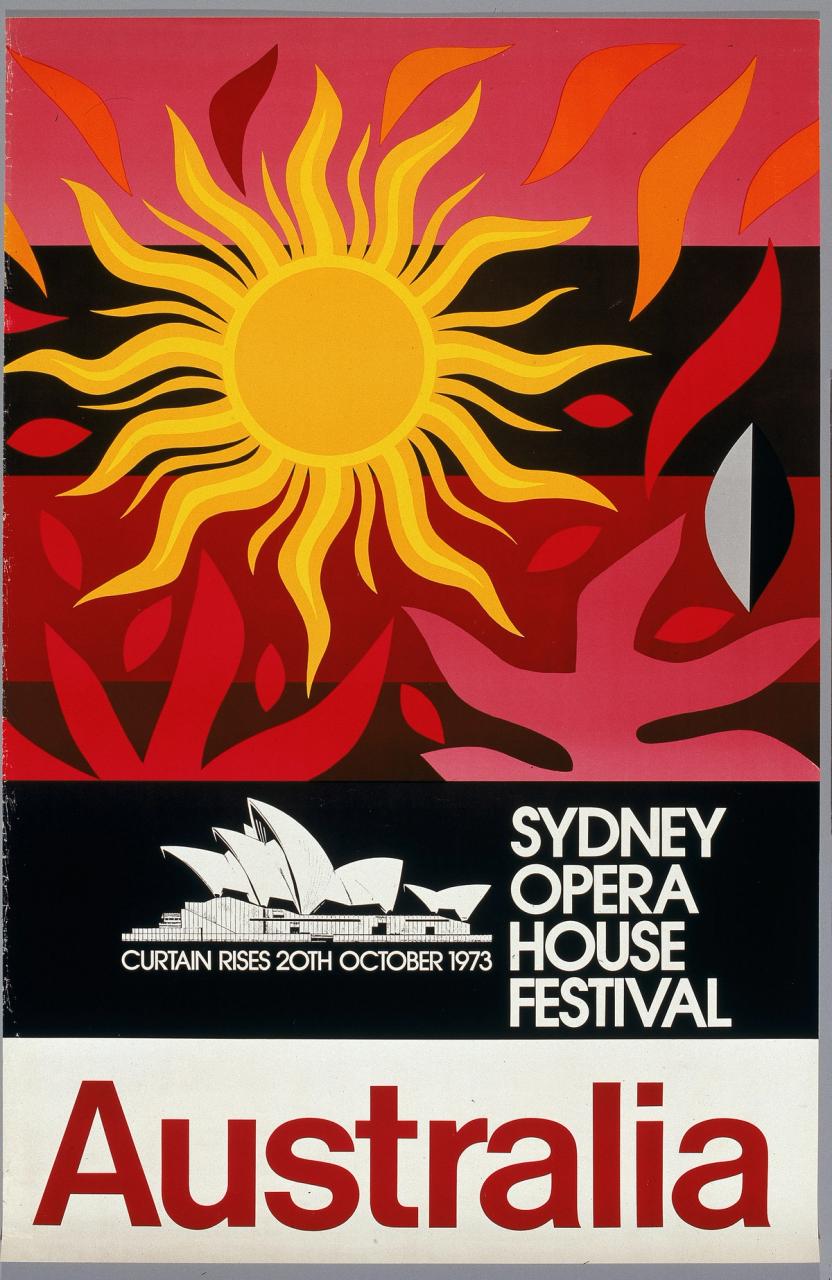
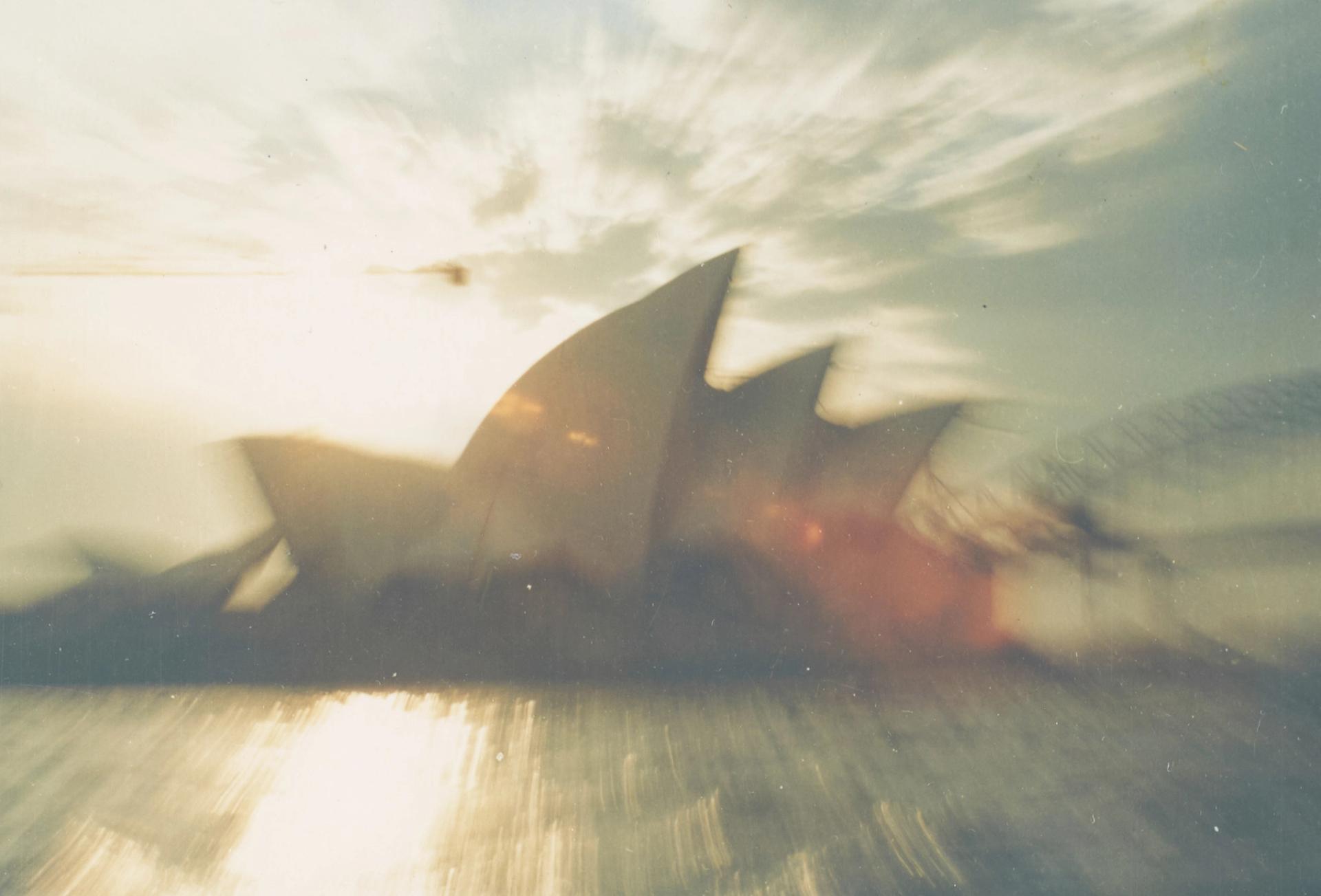
The Sydney Opera House was officially opened by Queen Elizabeth II on 20 October 1973. For 50 years, it has been ‘the people’s house’, cherished by Australians and instantly recognisable worldwide. The Opera House plays host to, and is referenced by, our greatest artists. It is the backdrop to significant moments in Australian history – joyful and solemn – a site which defines us.

More
Powerhouse Collection
Custodian to more than half a million objects of national and international significance