Stepping Into a Different World

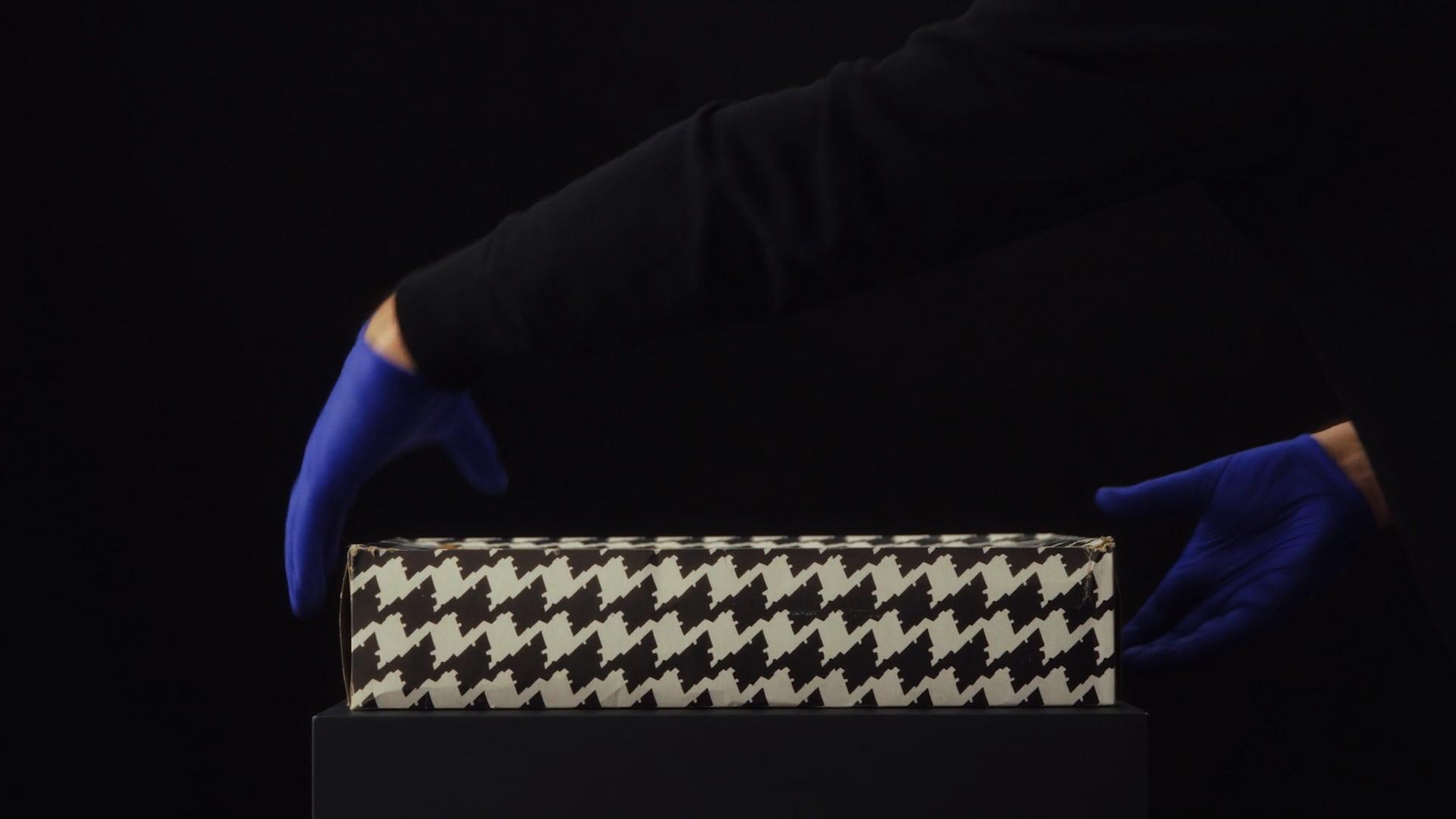
For nearly two centuries, David Jones has been an international innovator and industry leader, inspiring Australians with its legacy of style and excellence. In 2025, David Jones donated its archive to the Powerhouse Museum, marking the beginning of a three year partnership between two iconic institutions committed to investing in the next generation of Australian designers.
The David Jones Archive houses thousands of artefacts and documents, some dating as far back as the 1830s, preserving a remarkable history deeply woven into Australia’s cultural and social identity.
This series invites you into the Archive, bringing its stories to life through the experiences of those connected to David Jones from the 1940s to today.
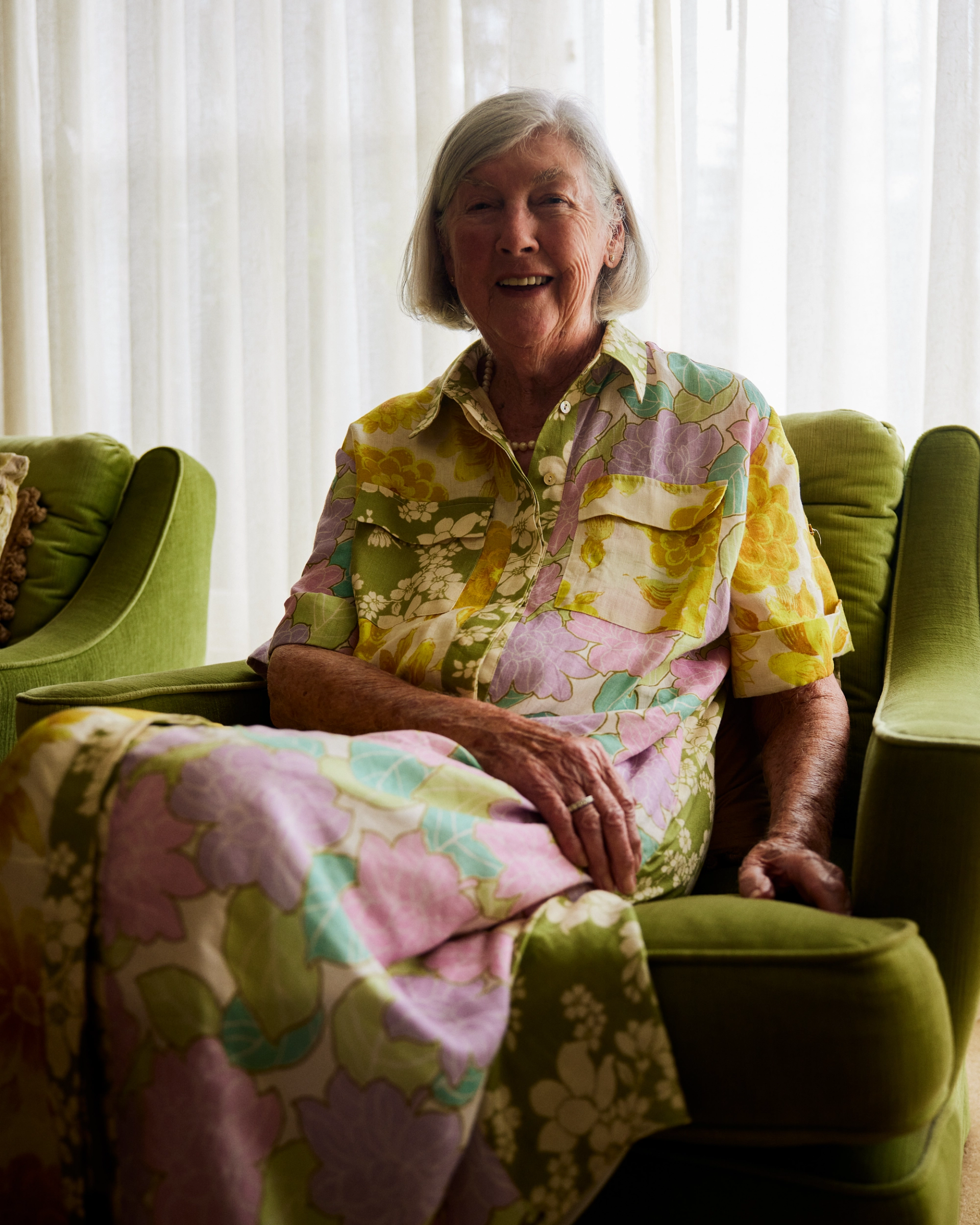
Gwen Sutton was 16 when she began working at David Jones in 1948. Her memories bring to life the workplace, community, and culture that defined the era.
‘When you went into David Jones, it was a different world. It was just ... overwhelming. ’
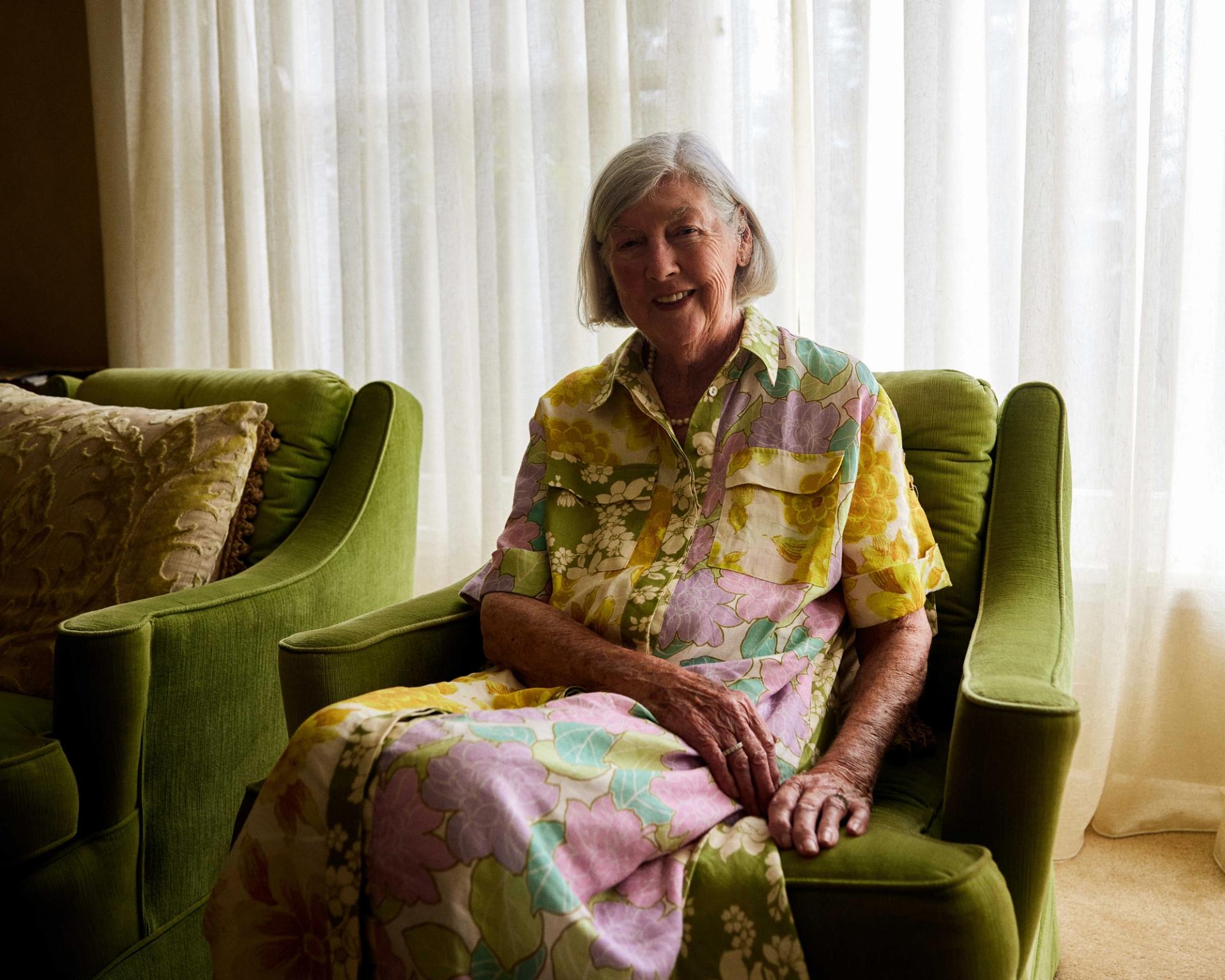
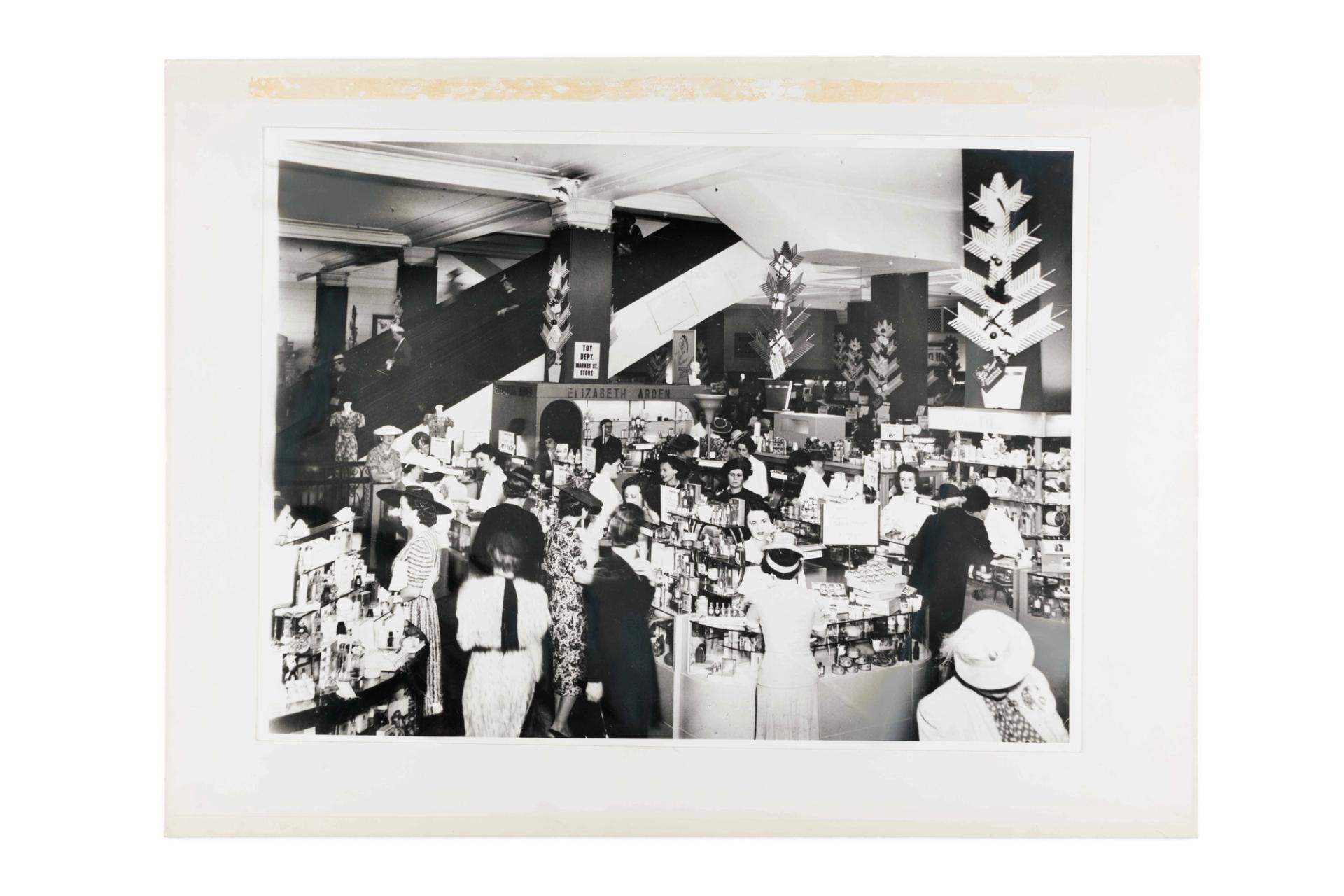
I'd been sent to Goulburn boarding school because the Japanese Navy invaded Sydney Harbour and there was quite a bit of a panic. I didn't like it. I was terribly homesick. School and I just didn't get on very well together. So when I left and went to come back home, my father was away at the war — he was a warrant officer in the Tank Corps — I had to go to work. That was what girls had to do. My mother took me into David Jones and I was greeted with open arms and interviewed. I was given the opportunity to be the junior on the Elizabeth Arden counter in the Elizabeth Street store. It was heaven on a stick.
The department was situated under the down escalator on the Elizabeth Street ground floor. It was always full of fragrance because we had a huge French perfumery department; you’d leave the store smelling gorgeous.
Whatever I was asked to do, I did, including stock, getting the change for the register, taking the parcels to the delivery. The ladies would do the stock order, send it through to whichever floor and what we ordered would come down in the dumbwaiter. I wasn't to speak to a customer unless everyone was busy.
Down the Elizabeth Street wall were the gloves. You didn't just go, ‘Oh, that's a pair that looks like they'll fit me.’ You put your elbow in a stand, then the assistant would put the glove on you and you'd buy your gloves.
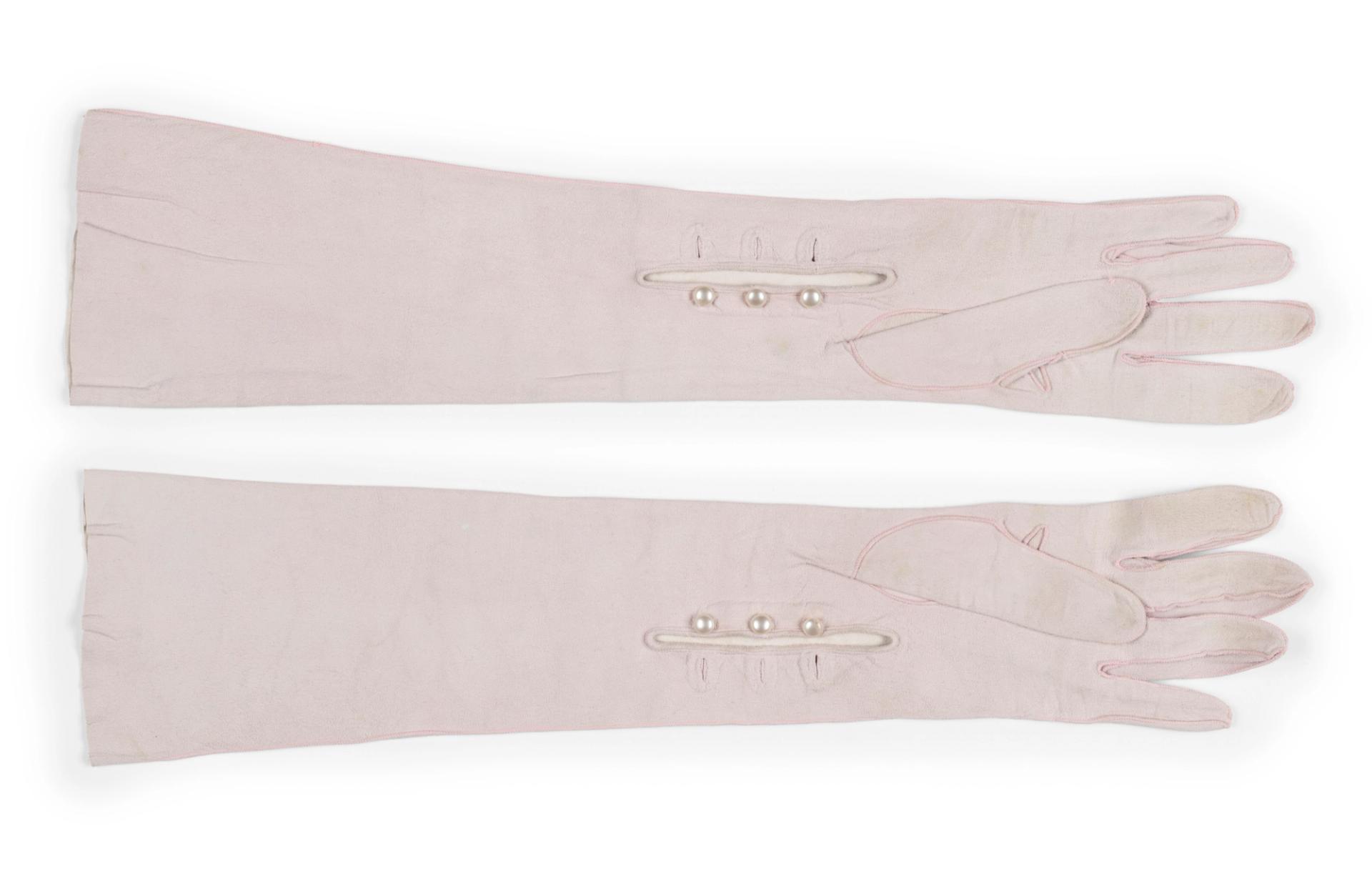
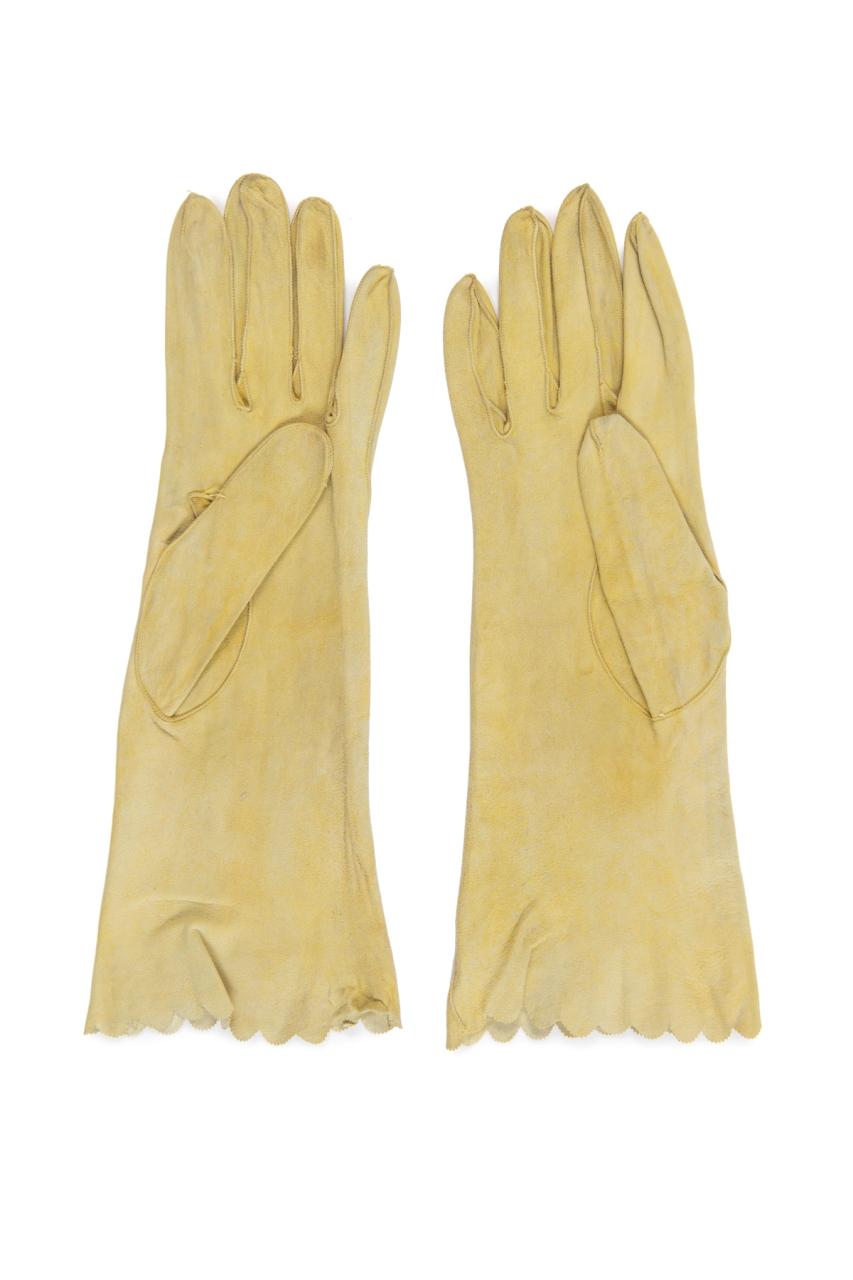
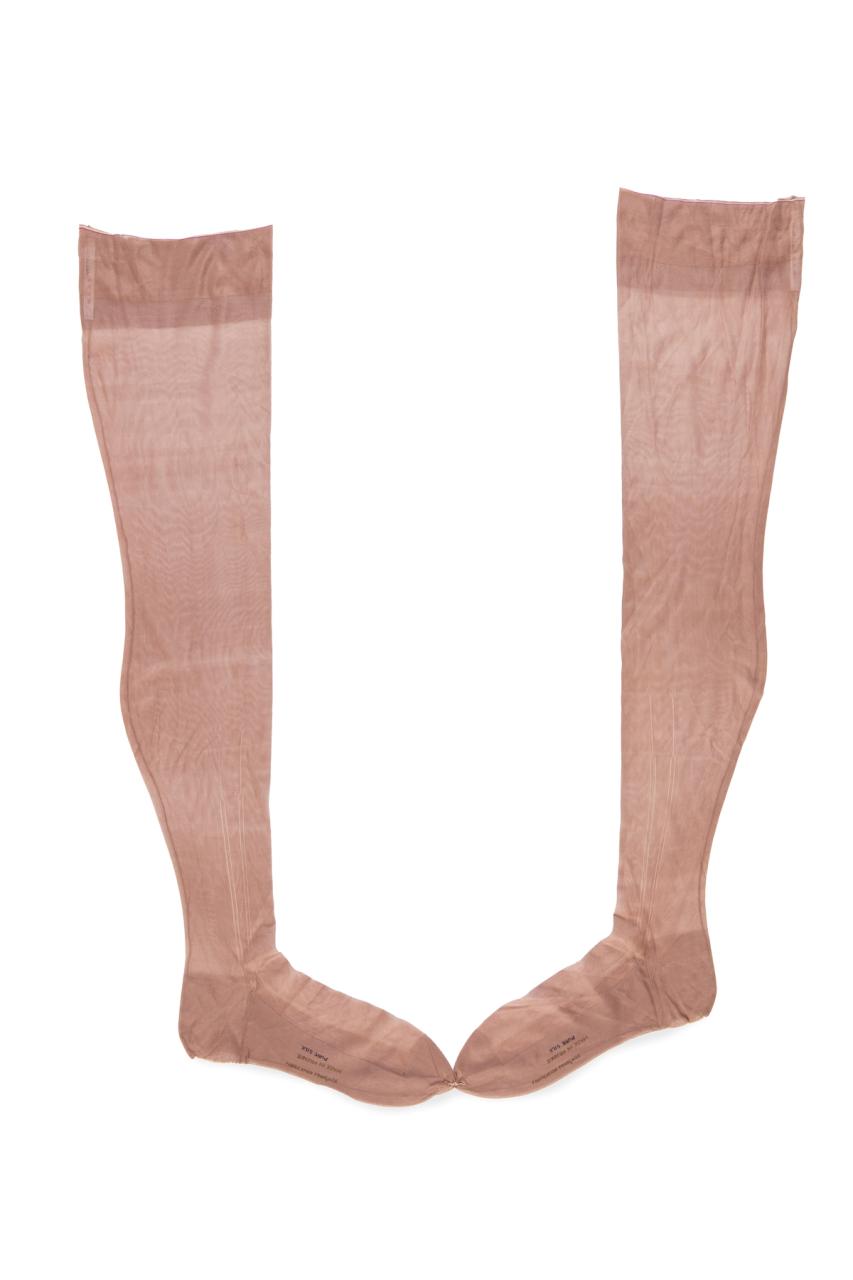
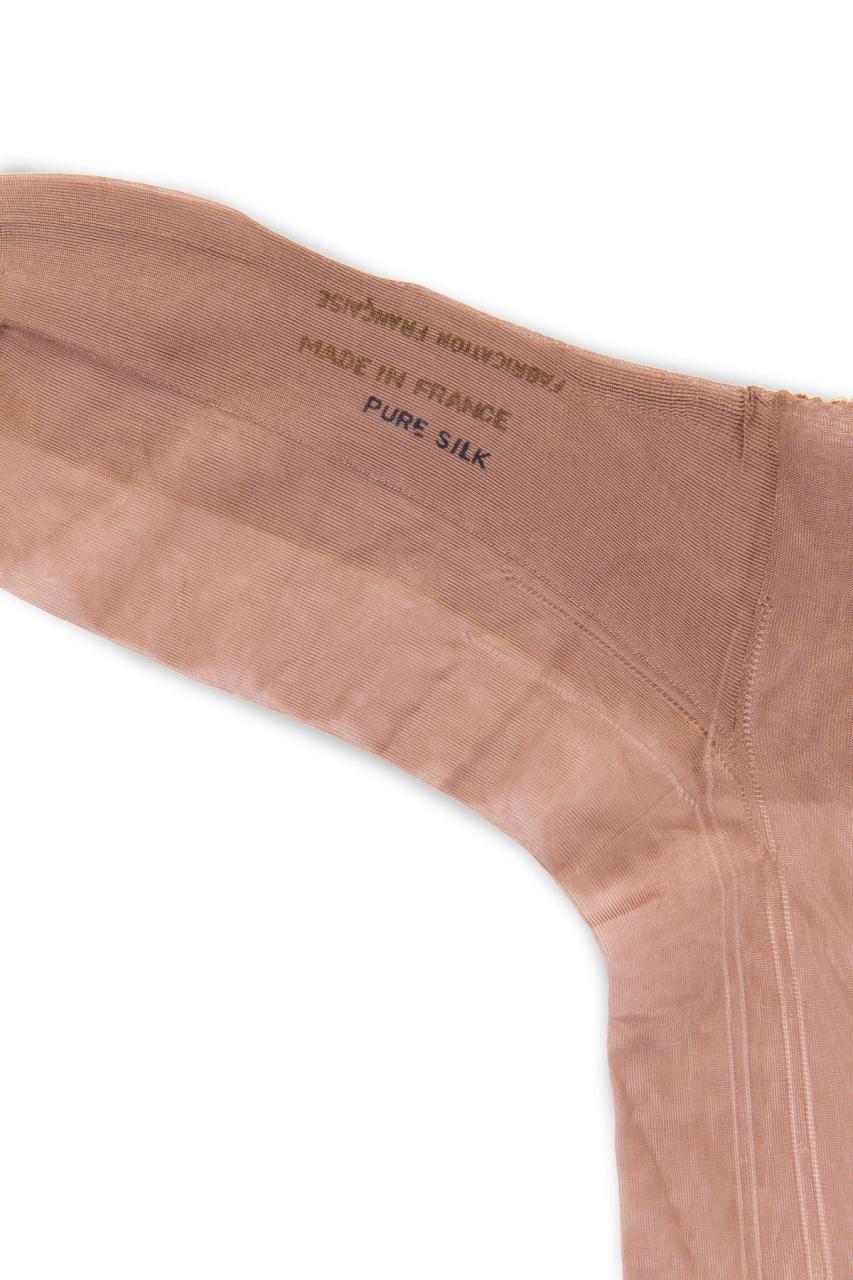
The hosiery department was along the Castlereagh Street wall. You didn't go and get yourself a pair of stockings. The women would open the package, put their hand in, show the silk stockings — it was all very personal.
On the lower ground floor, there was a ... oh, I suppose you'd call it a cafe, but they had a soda fountain. So every afternoon for my afternoon tea, I would get an iced lime ice cream soda. Delicious. And one day I was at the counter in the aisleway, and this gentleman came to speak to me and asked me, ‘Where is the restaurant?' So, I gave him the directions, ‘Go down to get the lift, go up to the seventh floor’. This beautiful woman was with him and she just went along.
People came from everywhere. ‘What did he want? What did he ask you? What did he say? What did you tell him?’ It was Sir Laurence Olivier and Vivien Leigh. I was very popular that afternoon.
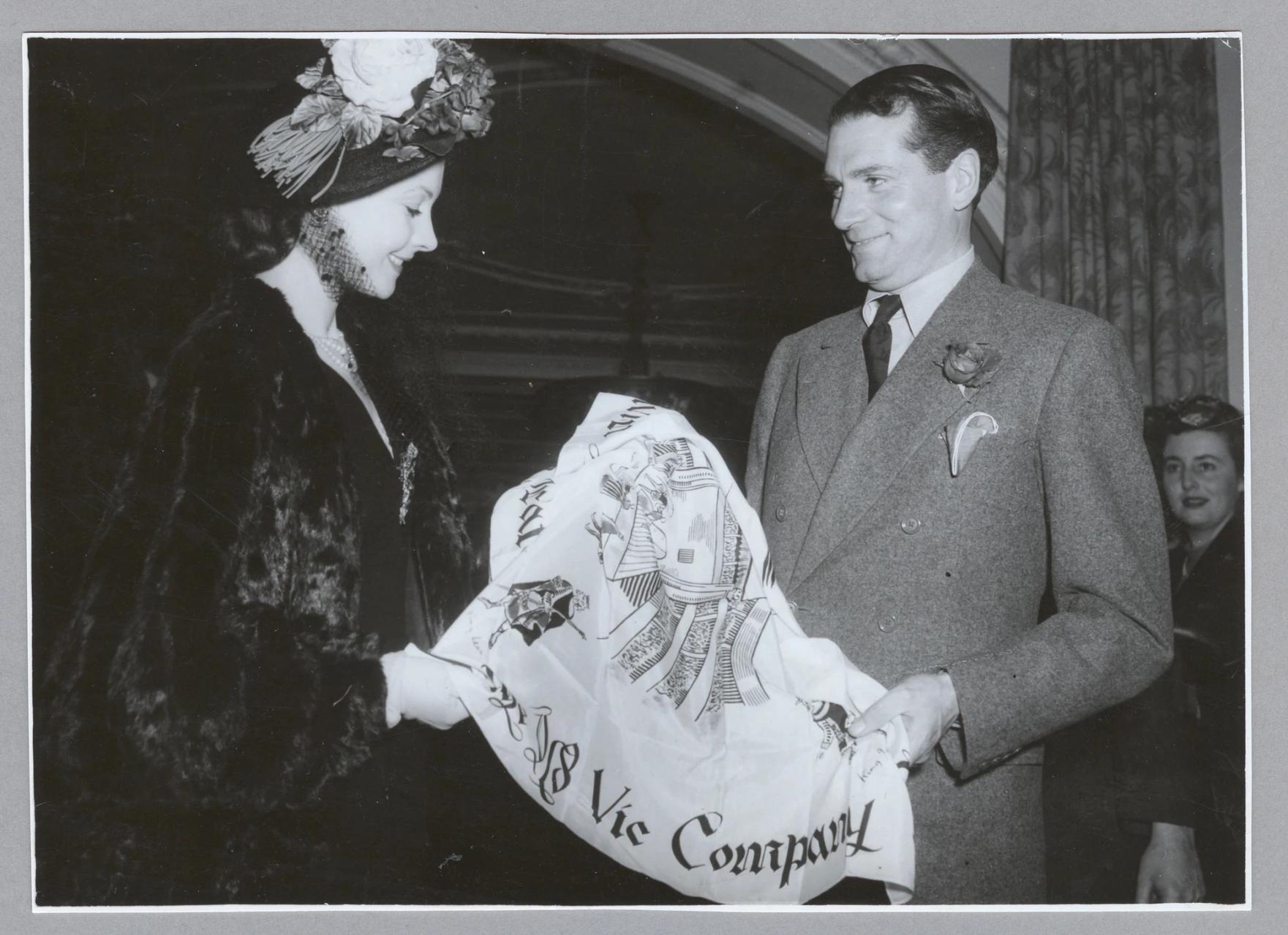
The mornings were exciting because Sir Charles Lloyd Jones, the owner of the store, would come in.
His Rolls Royce took him into the receiving dock, and he'd walk through and go up the escalators. He always had a beautiful Homburg hat on. And Lady Lloyd Jones would come in to store for shopping, beauty parlour and dress fittings. She always had the most gorgeous hats.
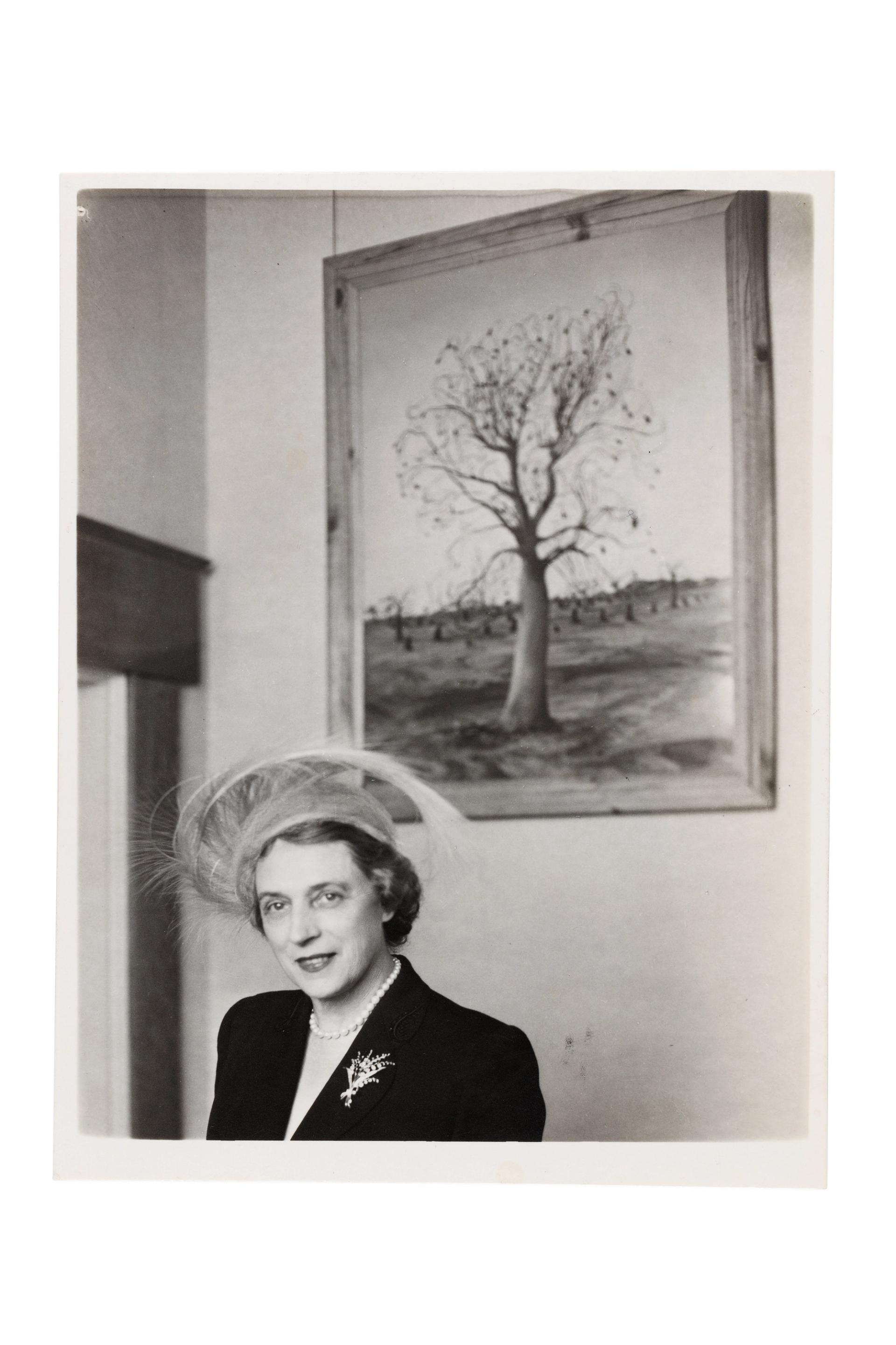
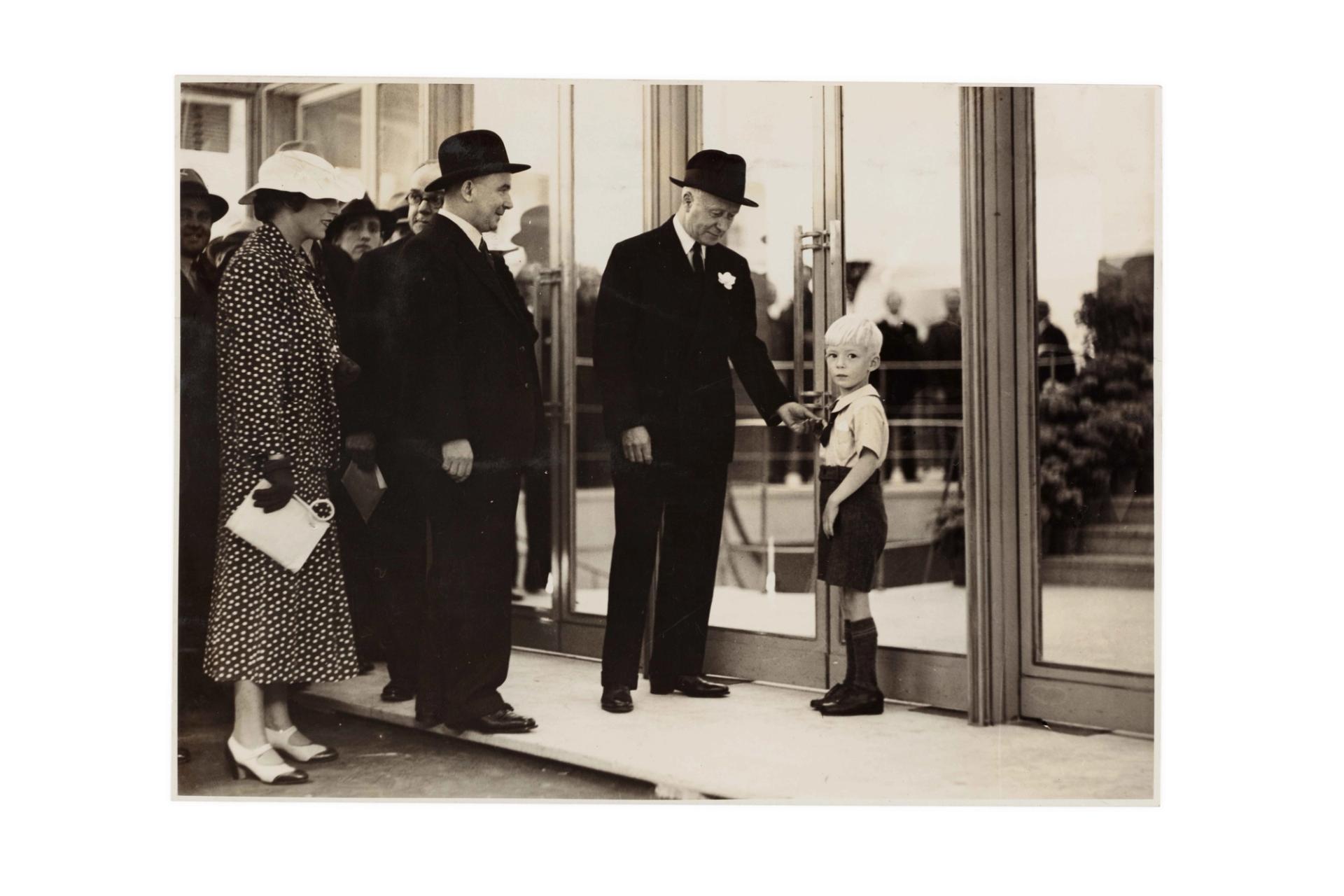
Sir Charles Lloyd Jones would never have the Market Street doors closed. Hail, rain, shine, snow, wind, gales, they had to be open. That was great, but we weren't able to buy the cardigan that was part of the uniform we had to wear due to war restrictions. So we almost froze to death one winter.
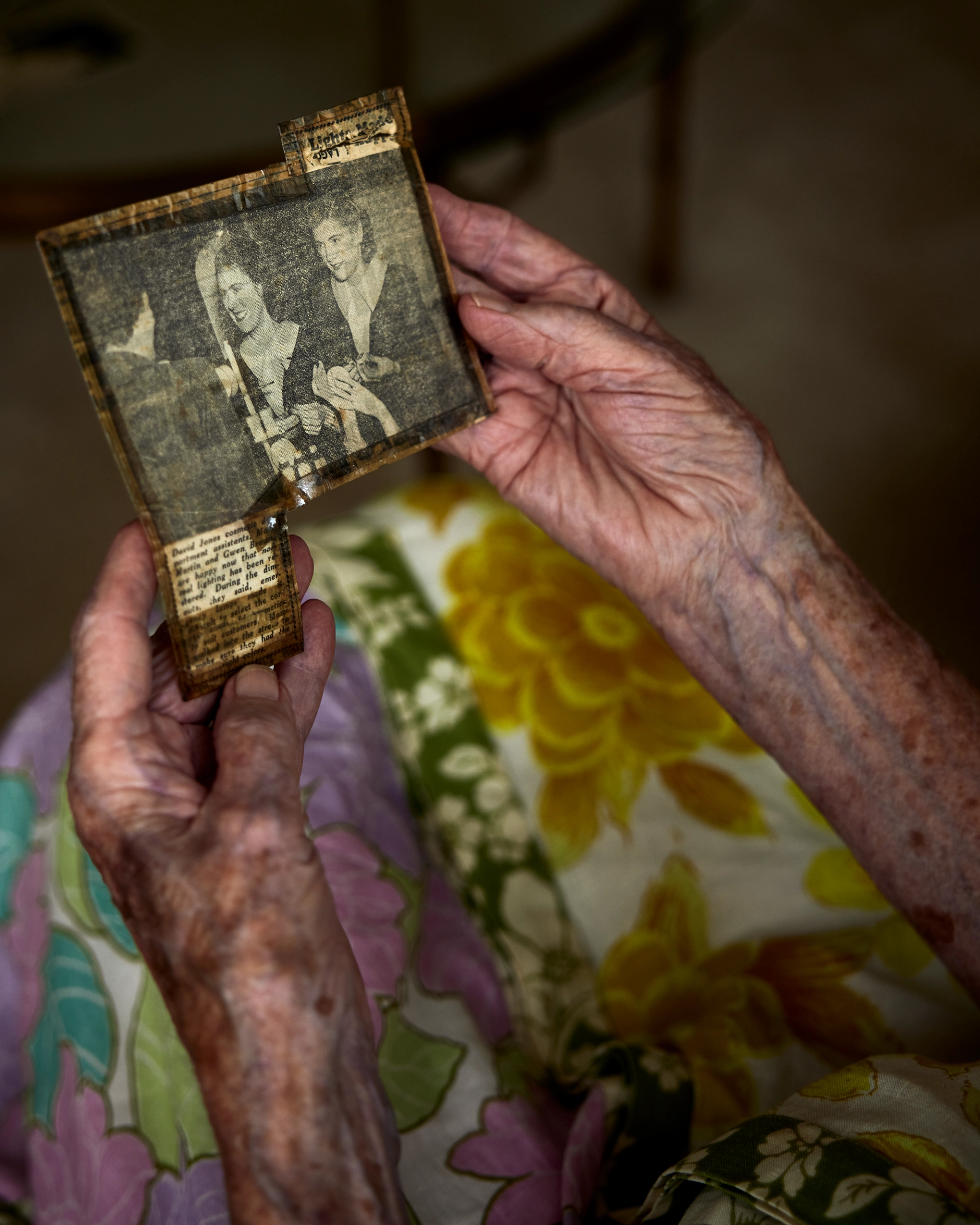
After the war, we had these rolling blackouts. You'd be anywhere and there'd be a blackout. When the blackouts stopped, the photographer came into the store and took a photograph of us saying, ‘We were happy that we had lights on all the time’.
The uniform was beautiful, it was blue. You weren't allowed to wear it out of the store. It had this peaked collar and the round neck and a sleeve with a band. It crossed at the back with two buttons. And we had a laundry service. I think we got clean uniforms delivered twice a week to the locker room.
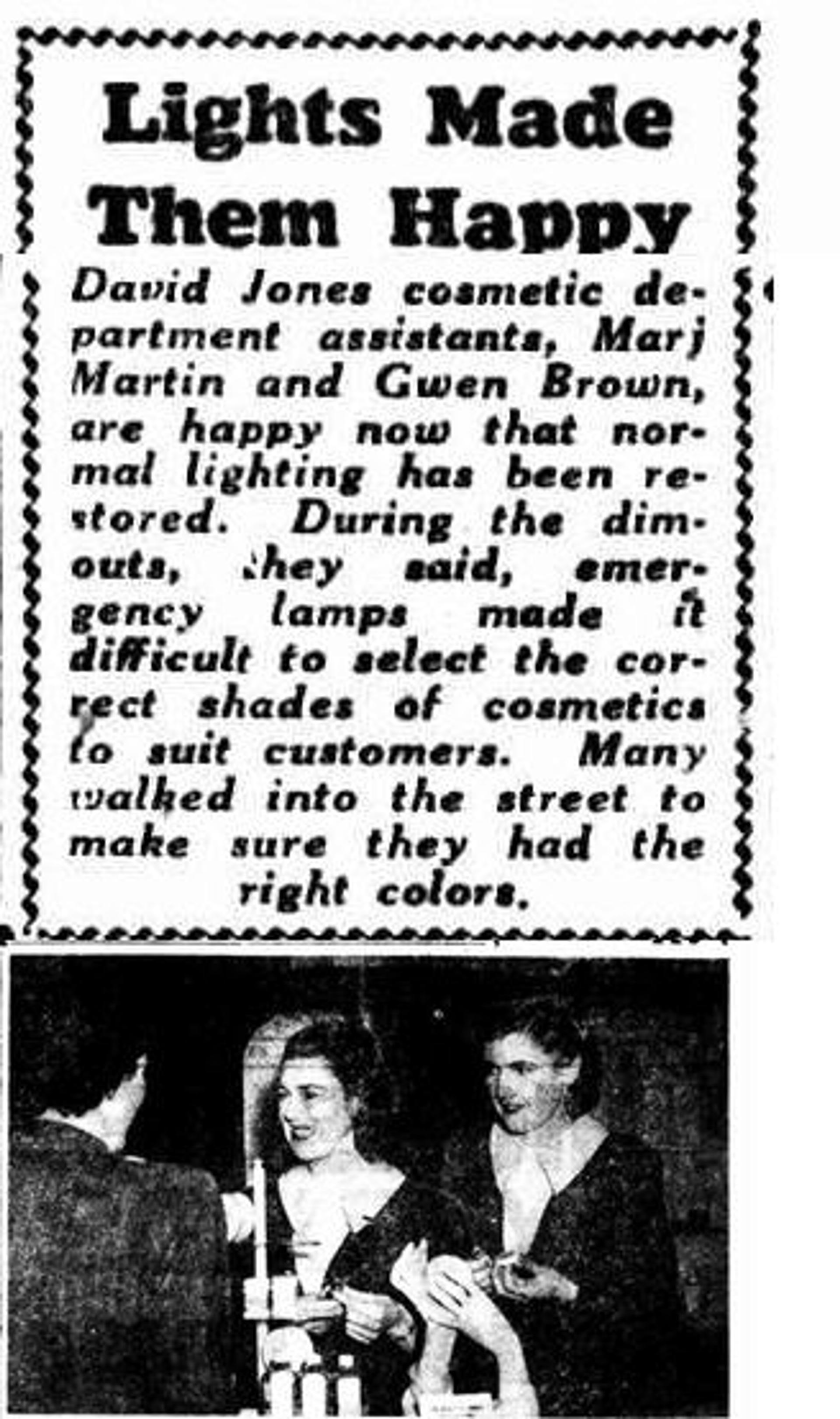
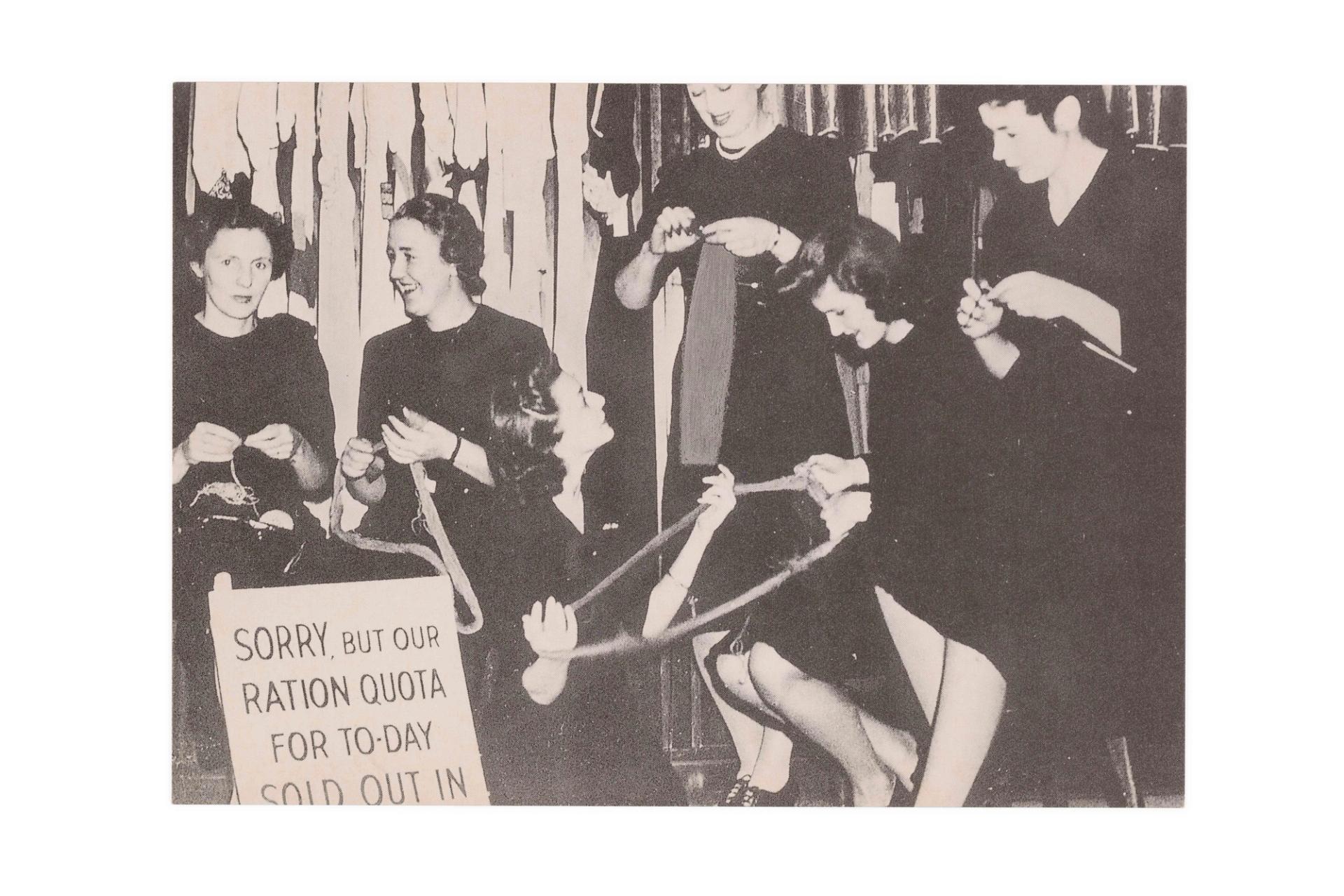
It became very exciting because things were coming back into the country — like fabric from Switzerland. Chocolates were a treat because at the time everyone had been living on coupons and there had been no luxuries. The day the knitting wool was put on sale in the store ... well, the place went mad.
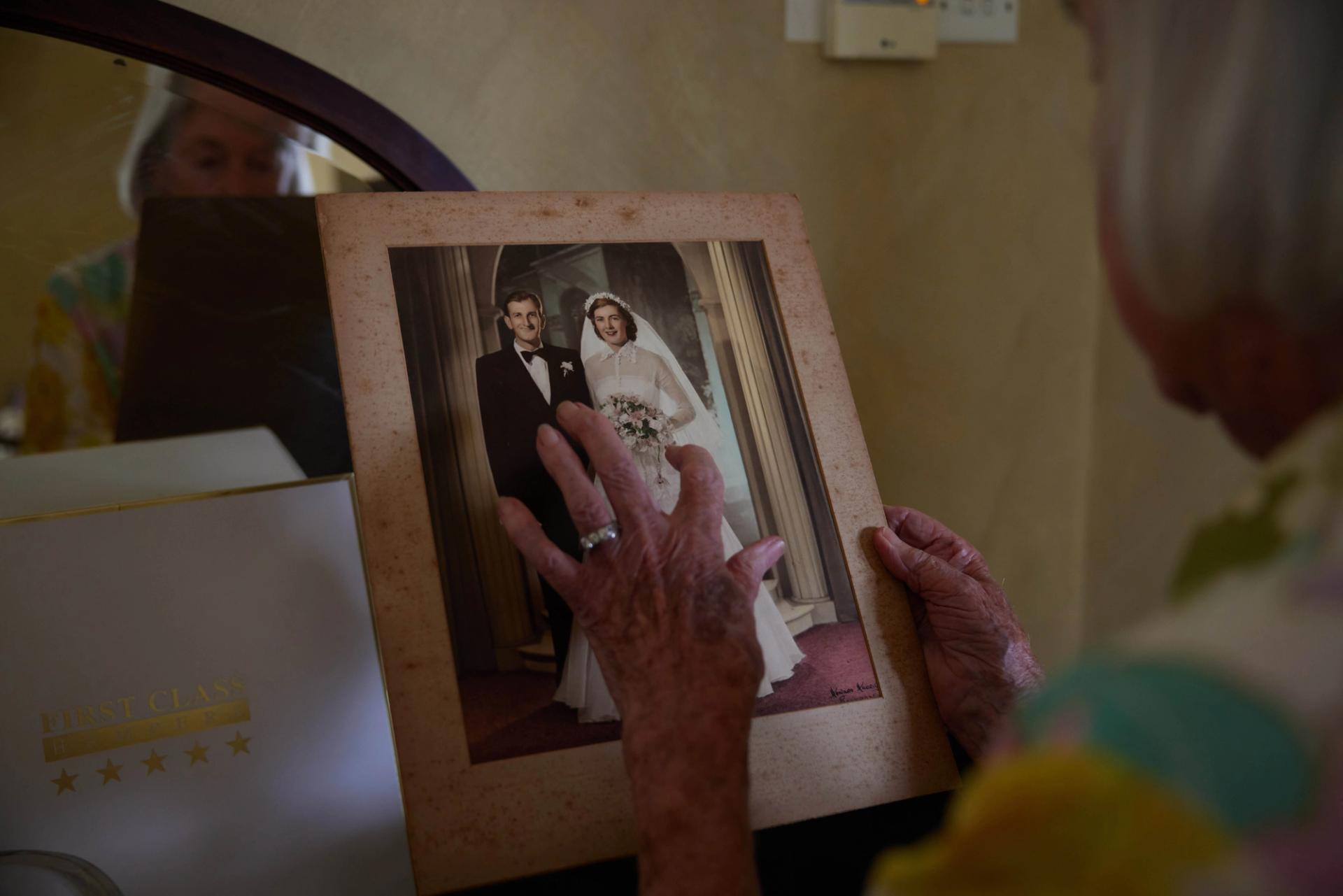
When I had made my debut I was able to buy fabrics in Sydney that were sourced from Switzerland. The same for my wedding: I was able to buy lovely lace fabrics from Henderson’s in Pitt Street that had been shipped from Switzerland.
The atmosphere, the people, the lifestyle of people. It was just a thrill to be there. I enjoyed every day of my work.
About
The David Jones acquisition is designed to preserve and amplify the retailer’s 186-year history and mark the beginning of a partnership with the 143-year-old museum.
The 3-year partnership includes a mutual investment into the next generation of Australian designers by establishing the Powerhouse and David Jones Australian Design Commission. This annual award will invest $300,000 into Australian designers over three years to create new work that engages with the David Jones Archive.