Six Ways Work Is Worn
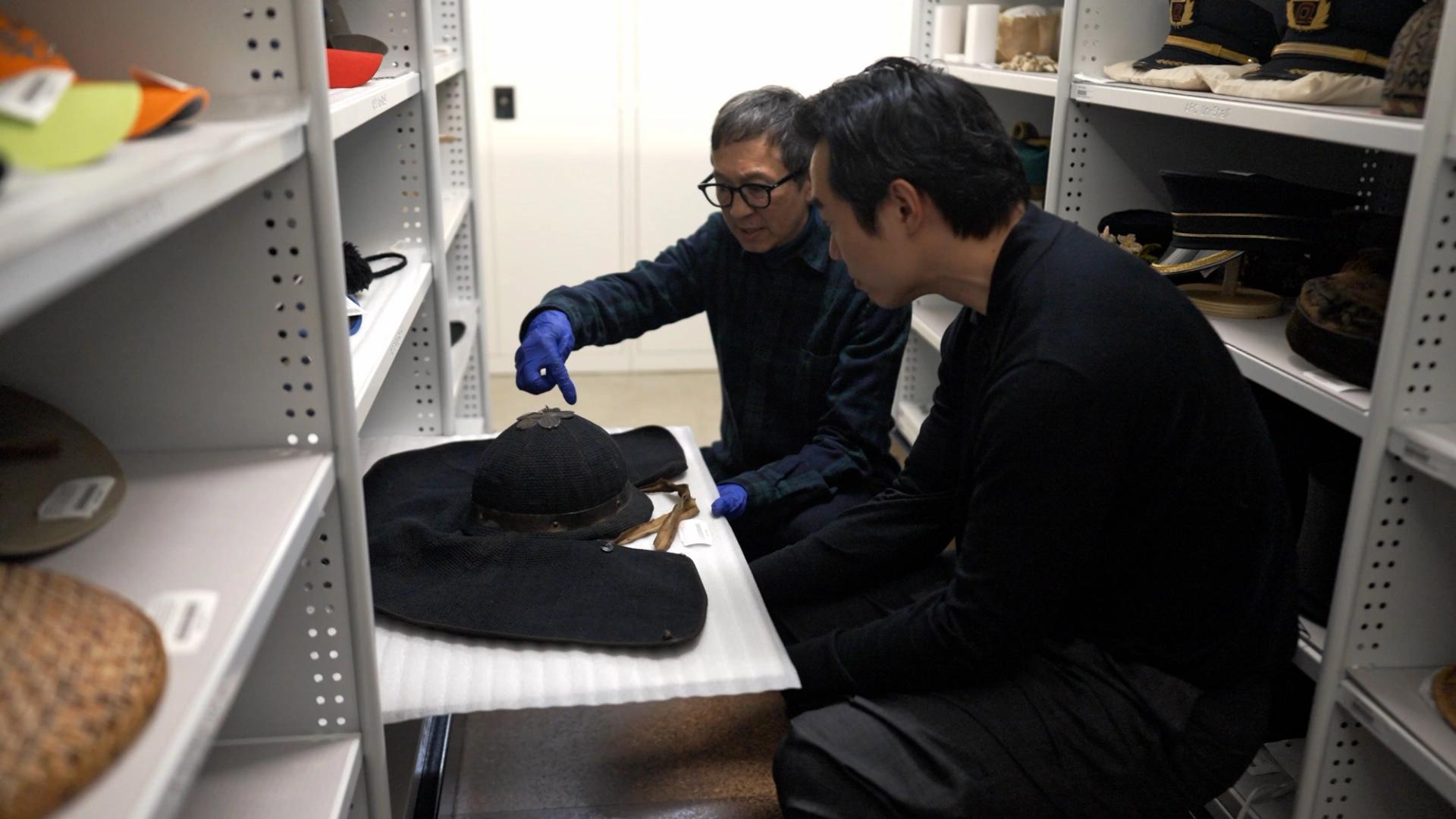
Australian clothing designer and commentator, Ken Sakata, joins Powerhouse curators to explore the cultural and historical significance of key objects from the Powerhouse Collection (opens in new tab).
From a Shōwa-period Japanese fireman’s uniform to a 150-year-old convict jacket and Burberry expedition trousers, the series highlights just a few examples from a collection of over half a million nationally and internationally significant objects.
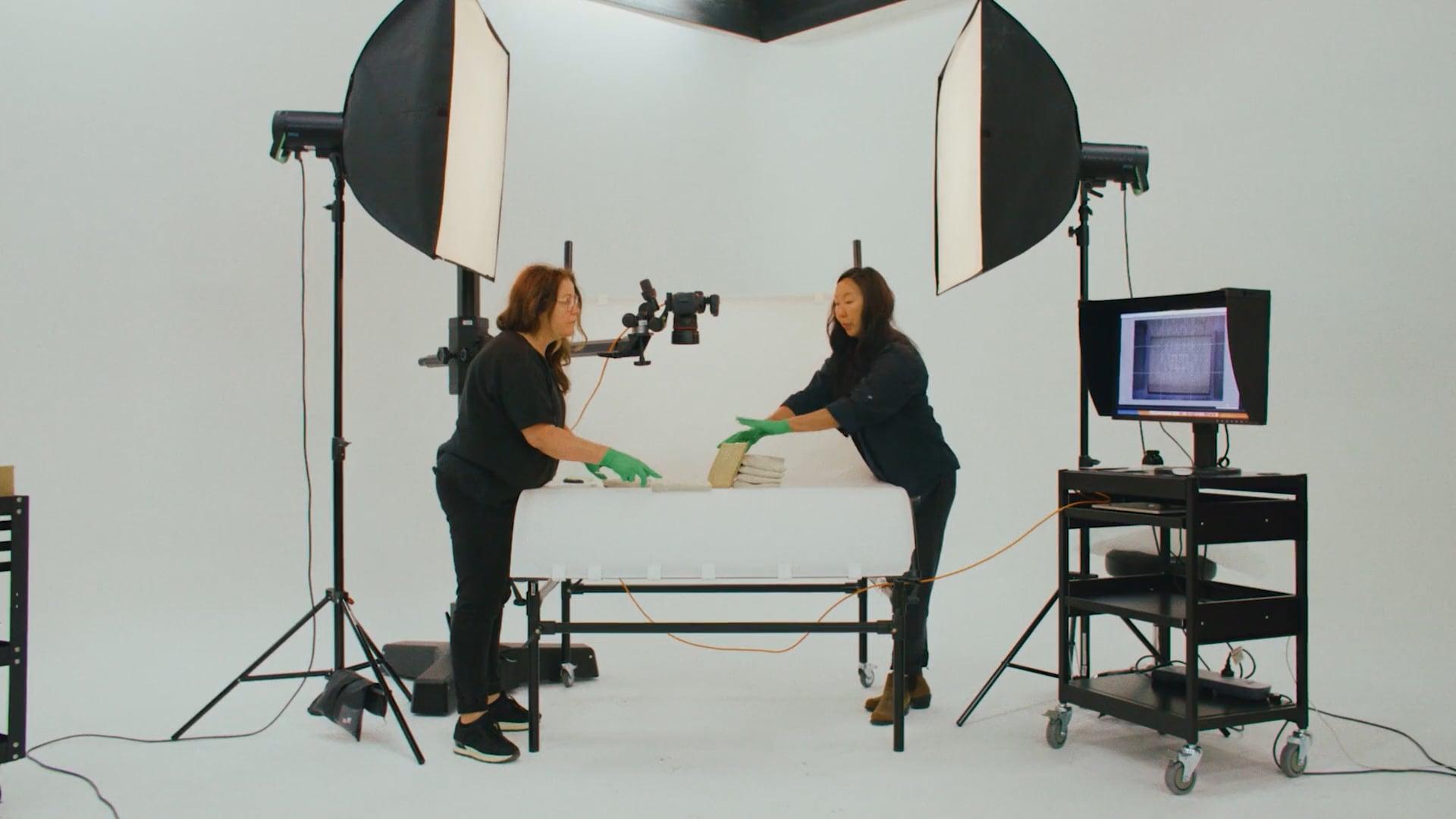
‘Powerhouse Castle Hill is the collection store. It houses more than 40,000 textile objects preserved for public access and study, including by visiting researchers such as Ken.’
Can vintage clothes ever be remade?
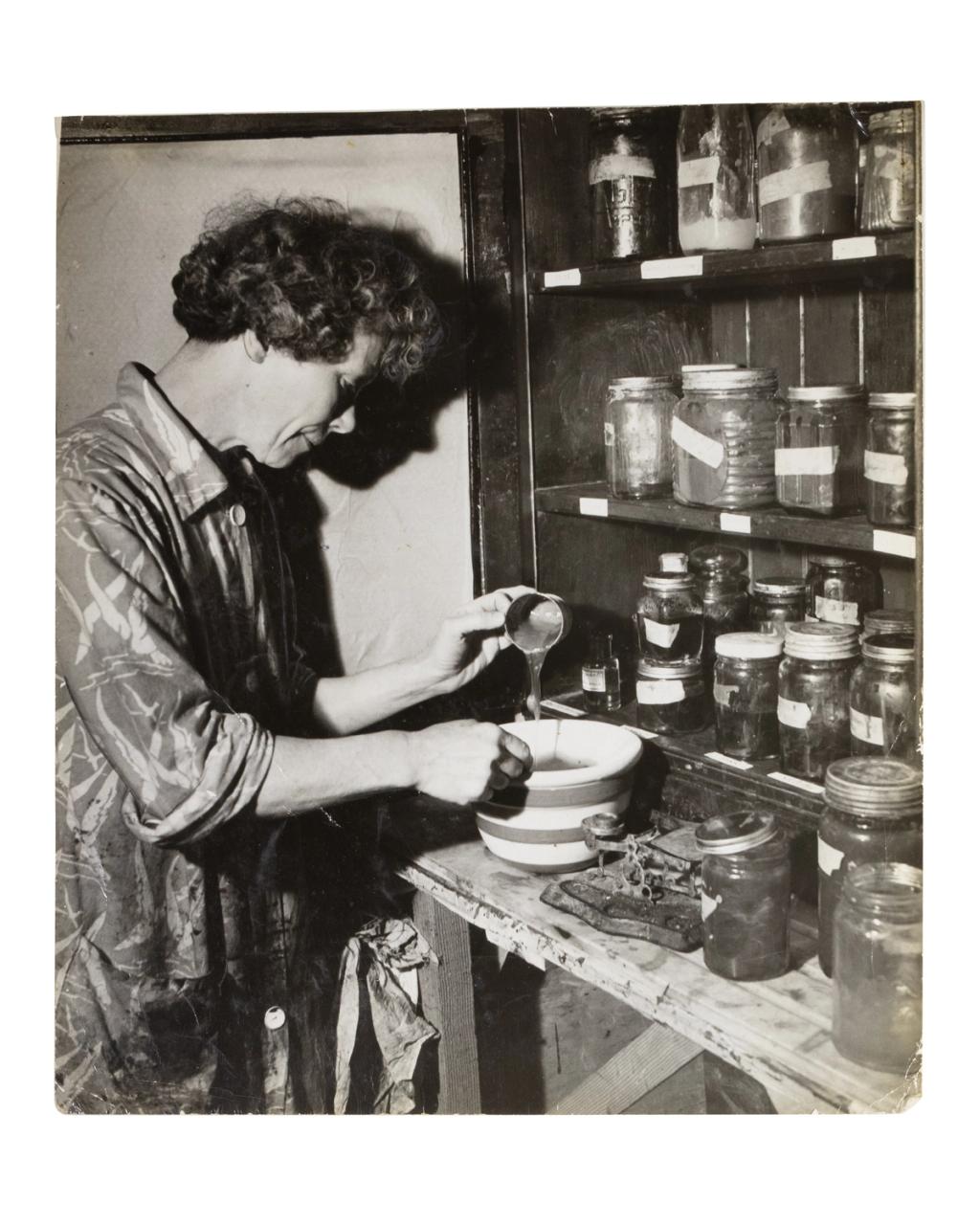
With technology so advanced, why can’t we remake vintage clothes? Ken Sakata explores beyond the fabric to explain why replicating vintage clothes is almost impossible to make today.
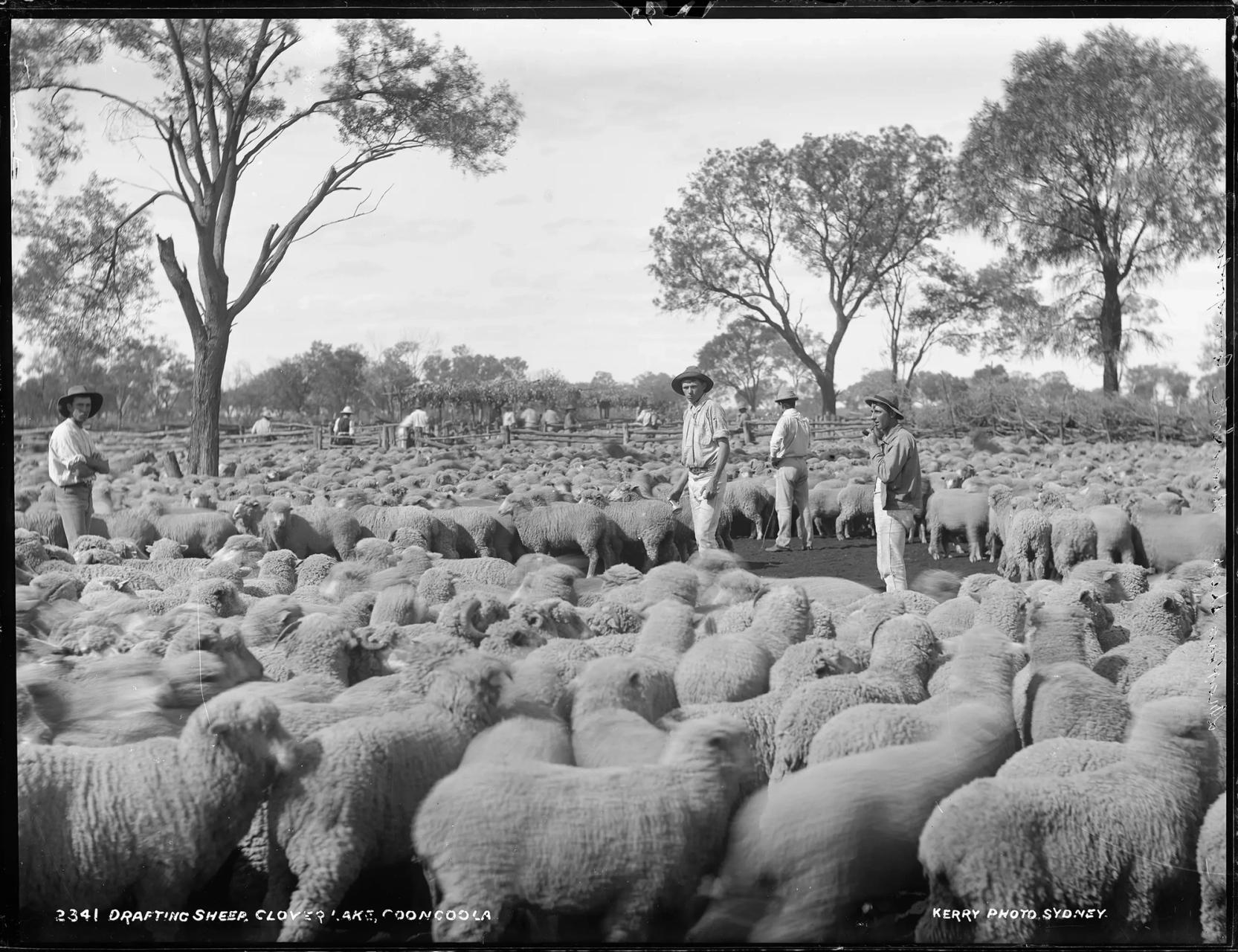
‘You are not only seeing an old pattern or old type of colour, You are seeing what a mill, a region, and a factory group can produce at that time.’
Subscribe for the latest Powerhouse news, exhibitions and programs.

The problem is… water always wins
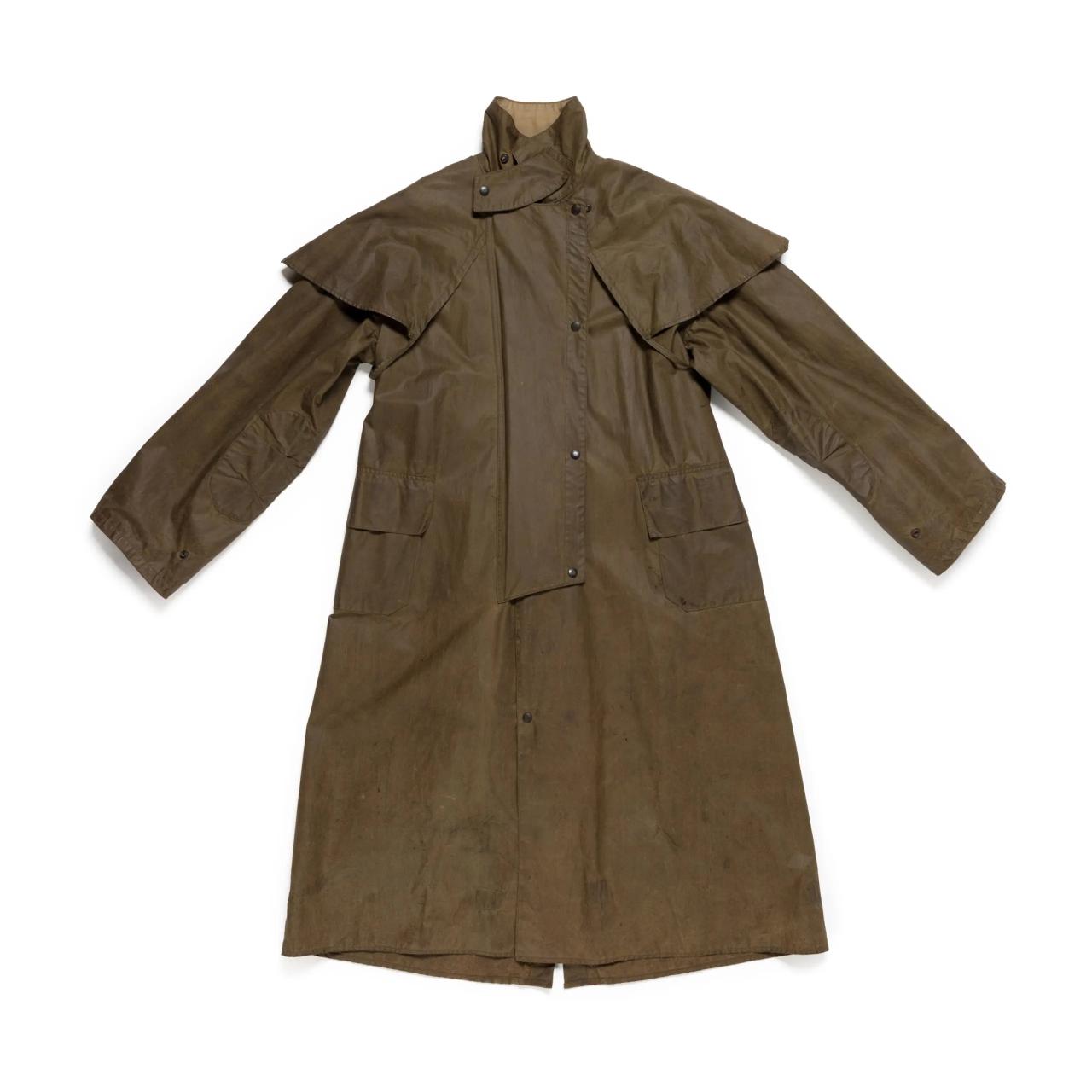
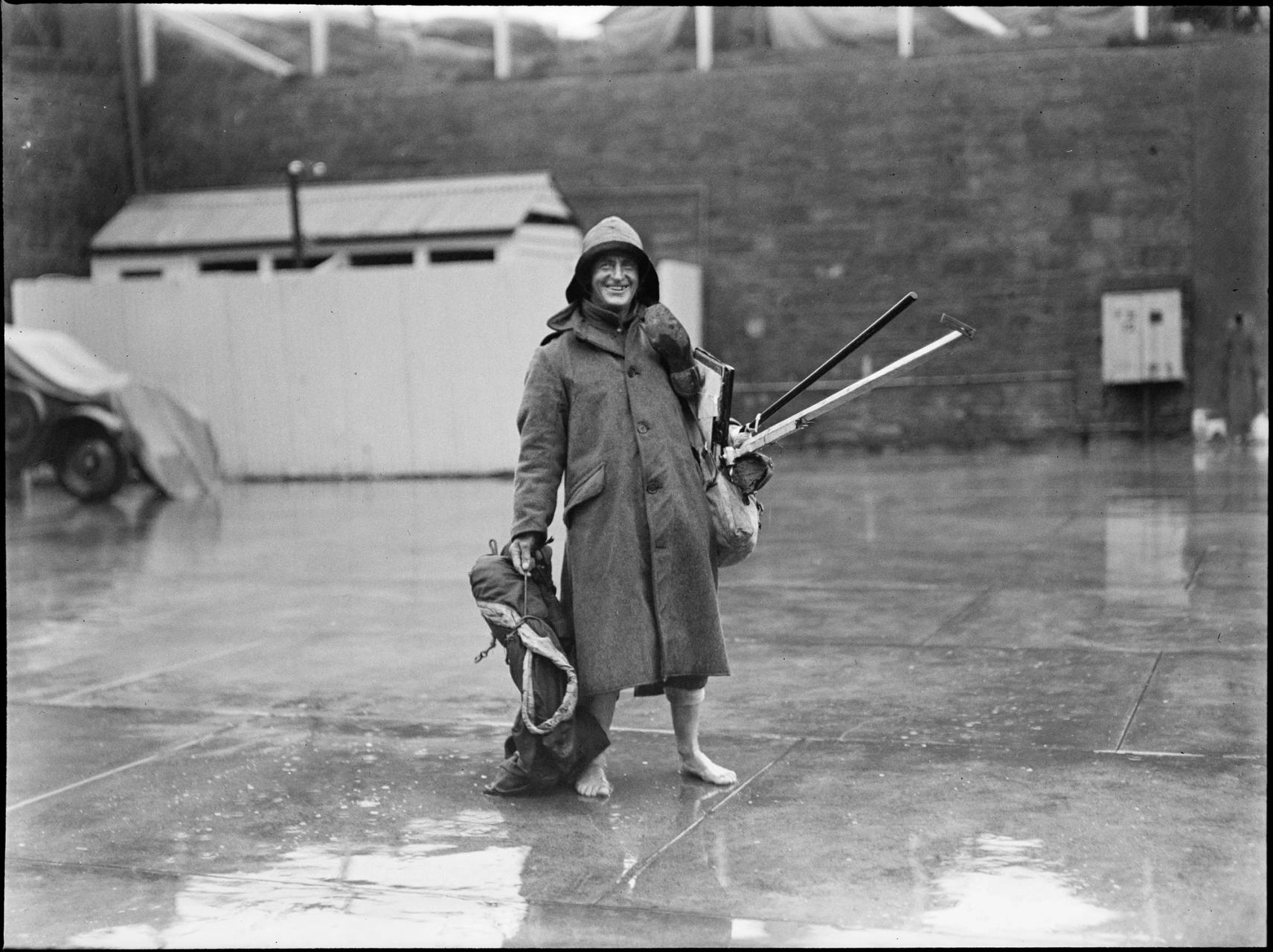
No piece of clothing can truly be waterproof with fabric alone; water always finds a way to win. Ken Sakata explores how design details actually make it weatherproof, beyond just the material.
‘You can’t depend on the fabric alone. Water finds a way to win, everytime.’
How do you design a suit of armour?
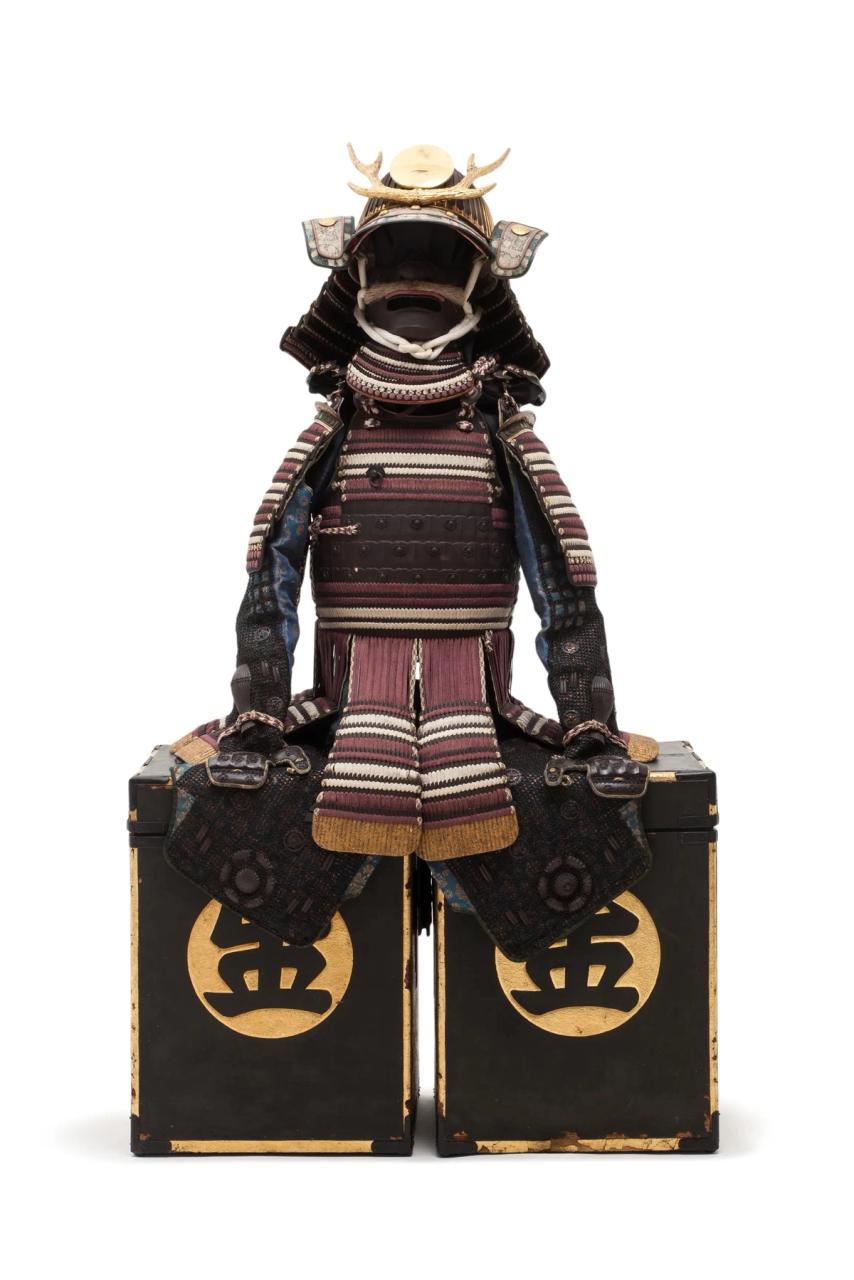
How would you design a suit of armour? Would it be comfortable? Or would it be heavy reinforcement? Ken Sakata dives deep into Samurai armour, exploring how protection and mobility are engineered into its design.
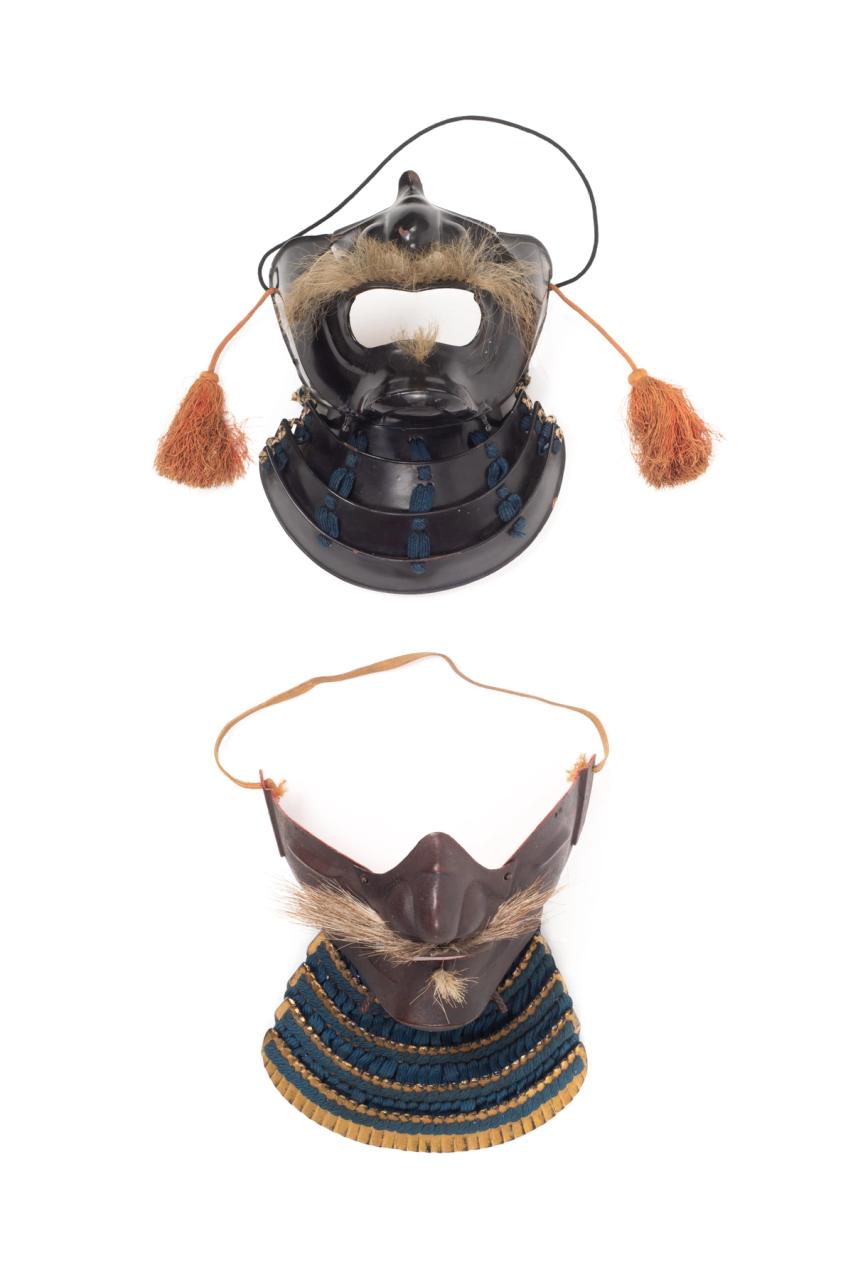
‘Almost every aesthetic choice… is an engineering choice’
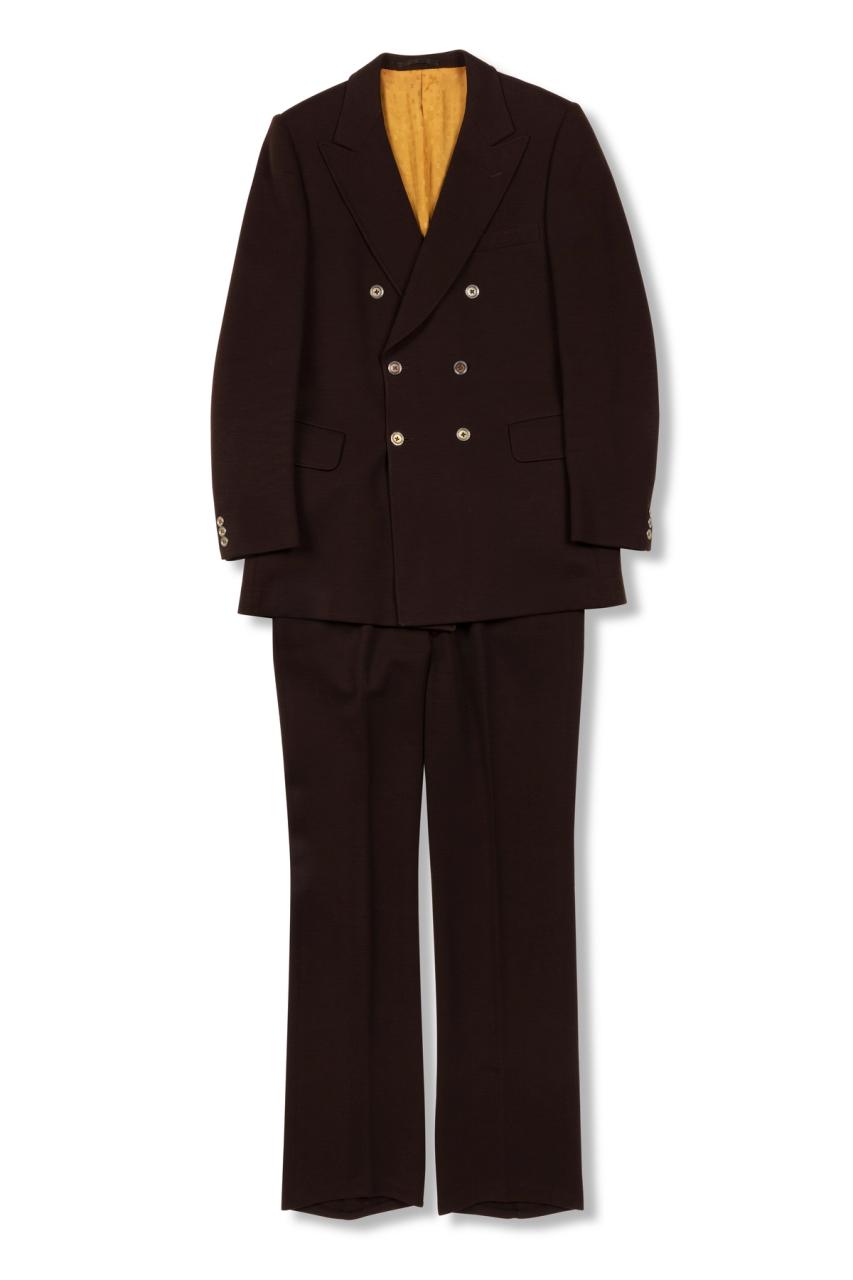
Why are so many men’s clothes black, grey and charcoal?
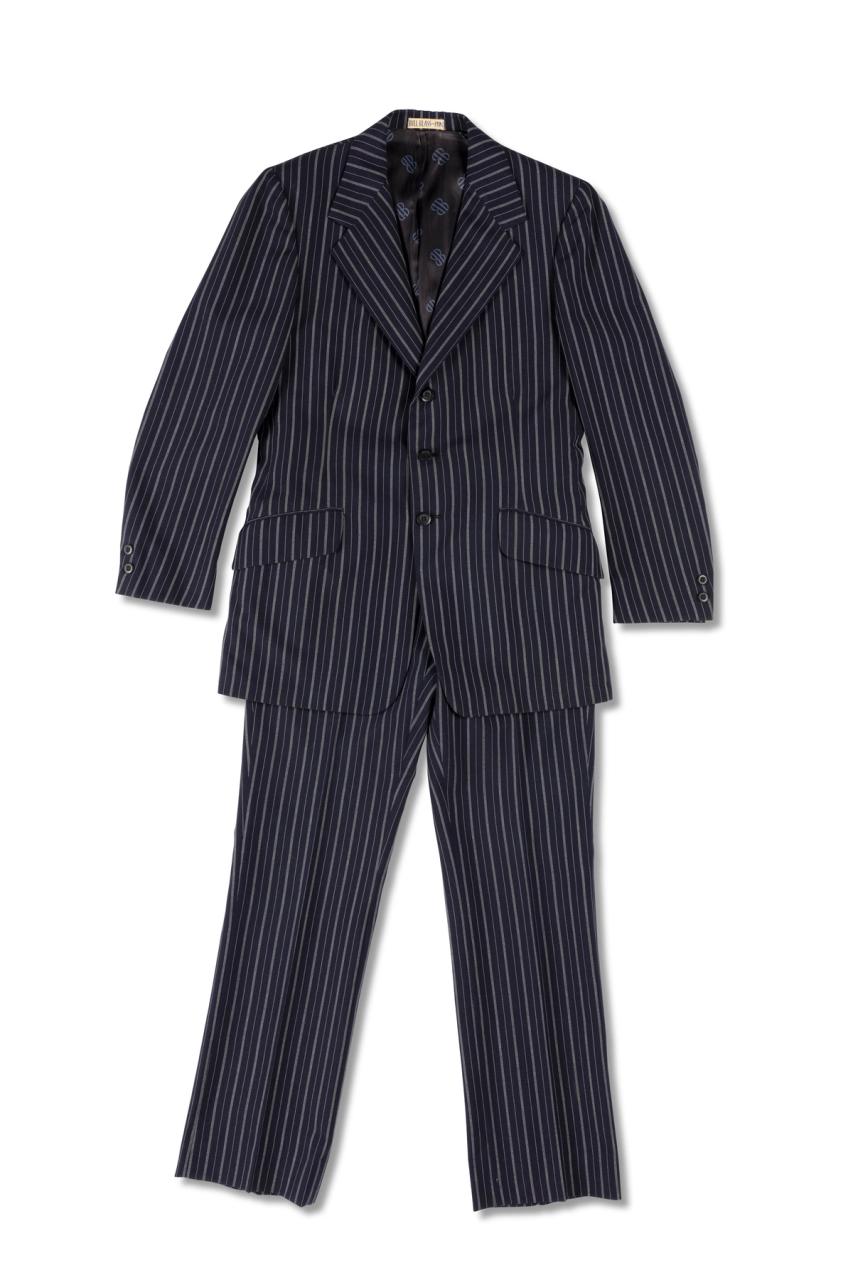
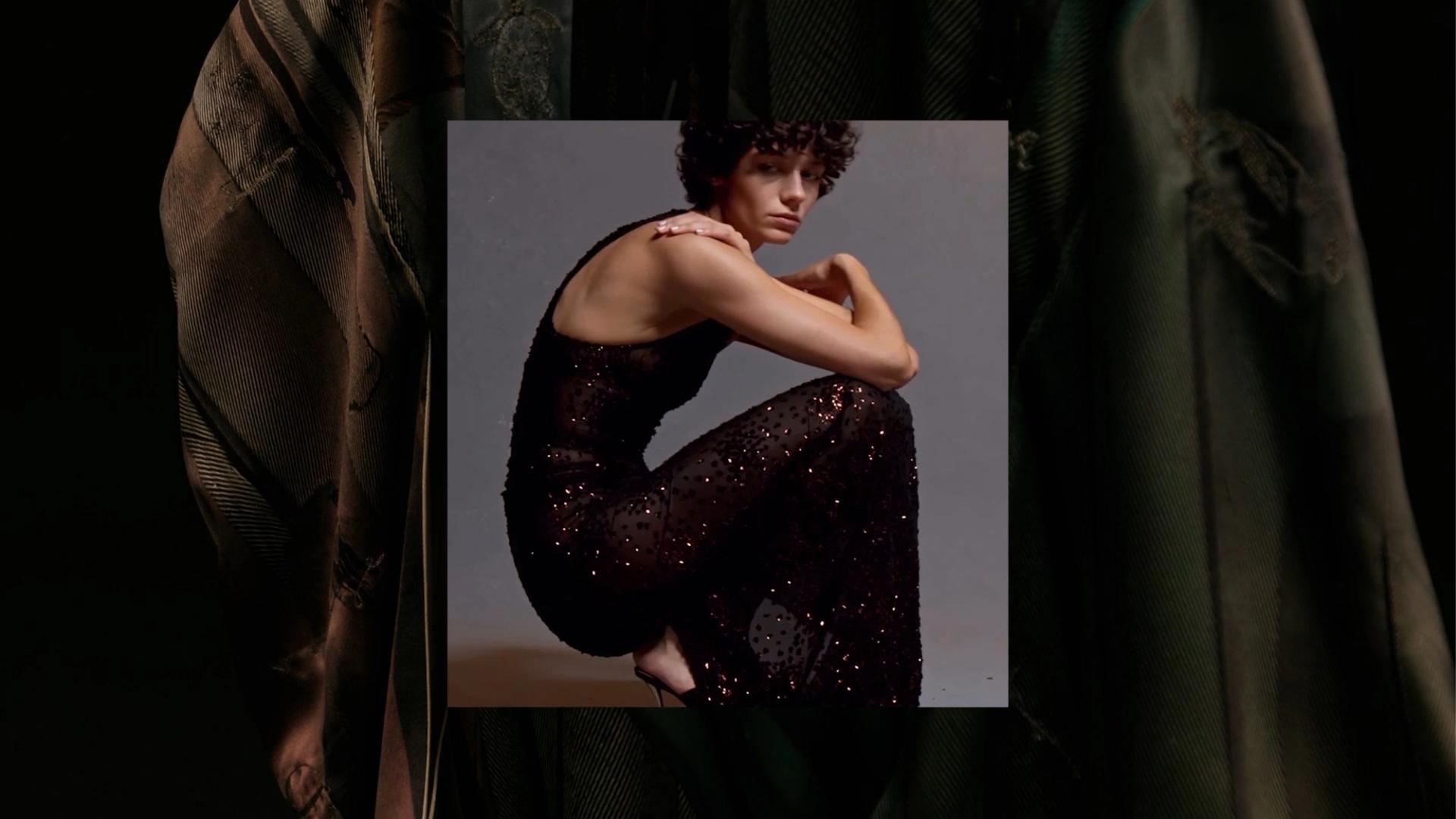
The visual language of colour has changed; before black, navies, olives, and khaki, Men wore baby blue, bright colours and beautiful patterns. Ken Sakata explores the drastic transition from complexity to simplicity in men's fashion.
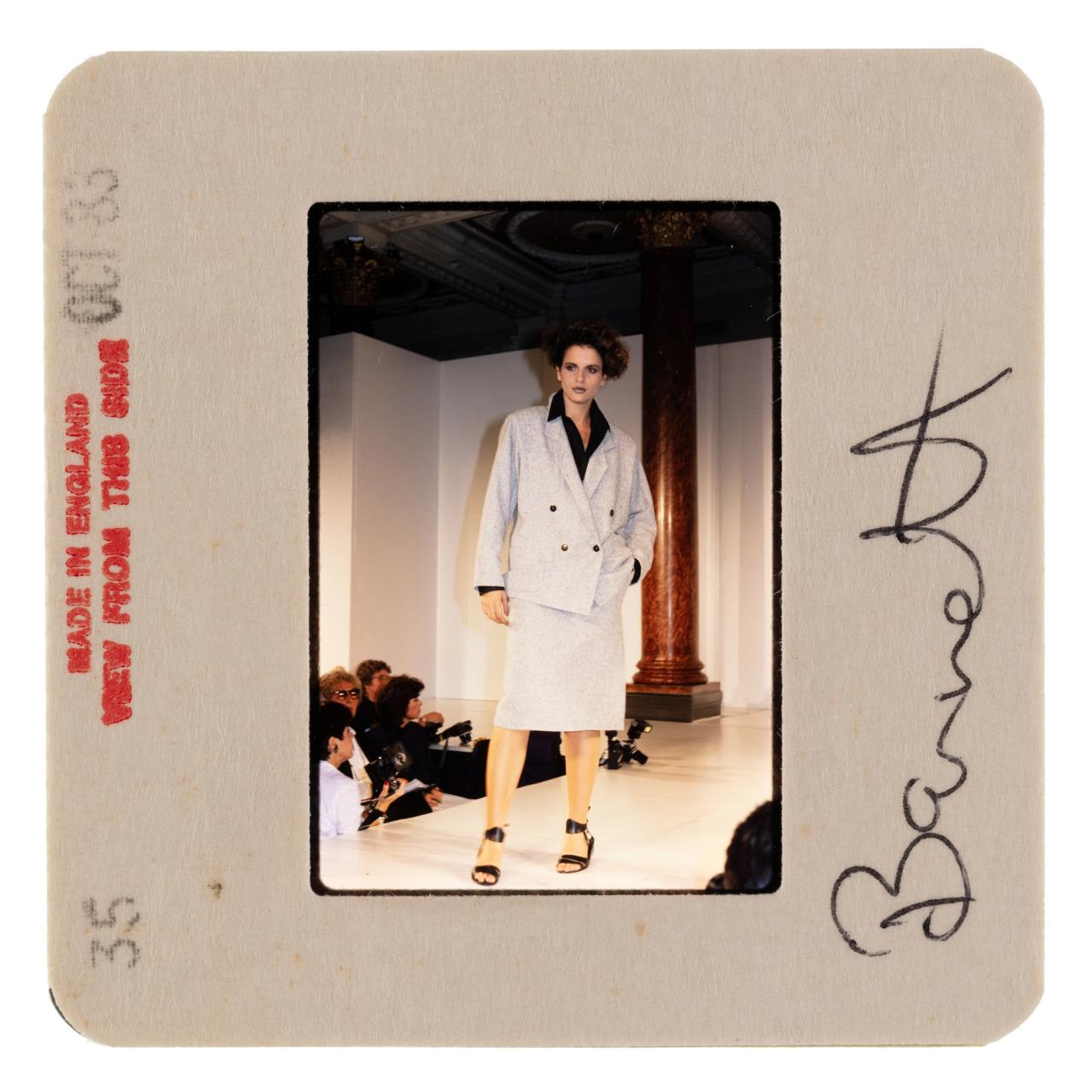
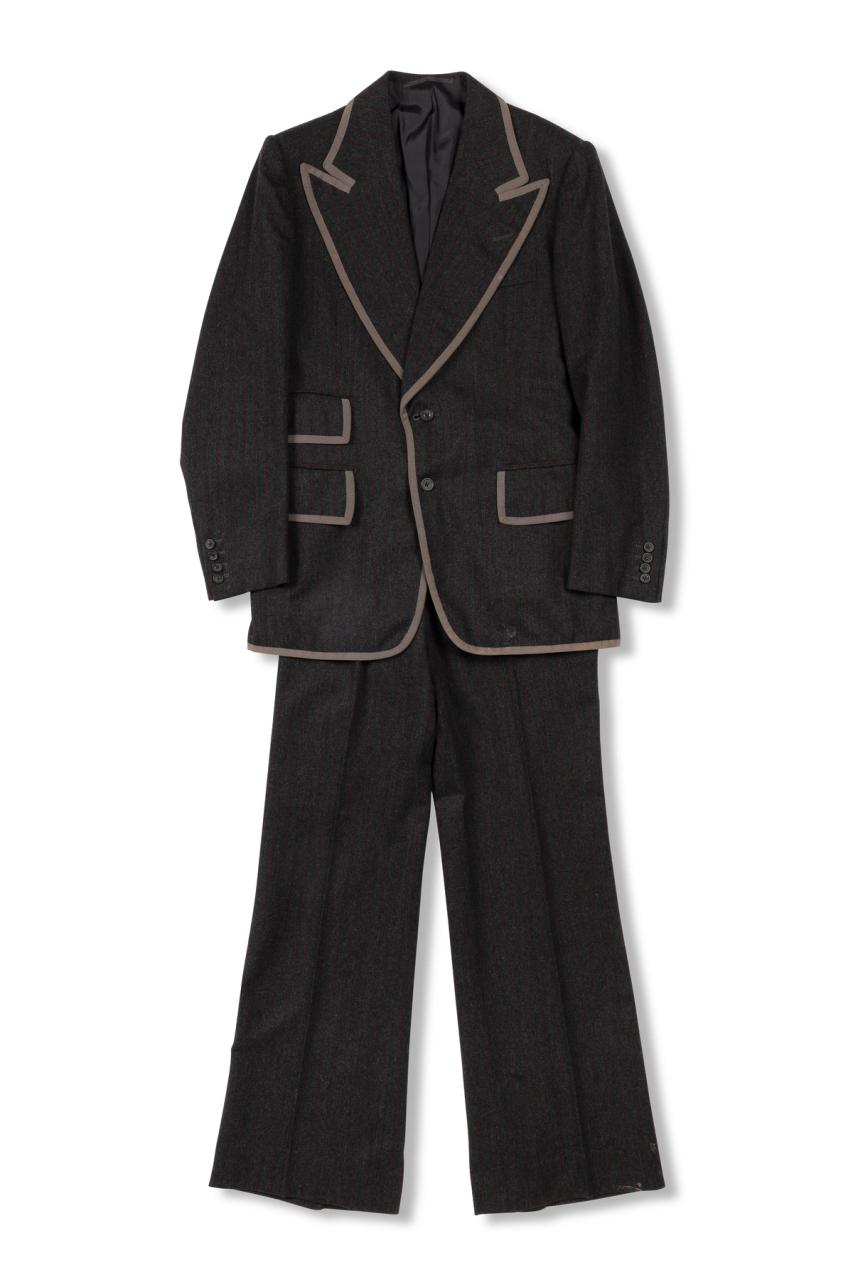
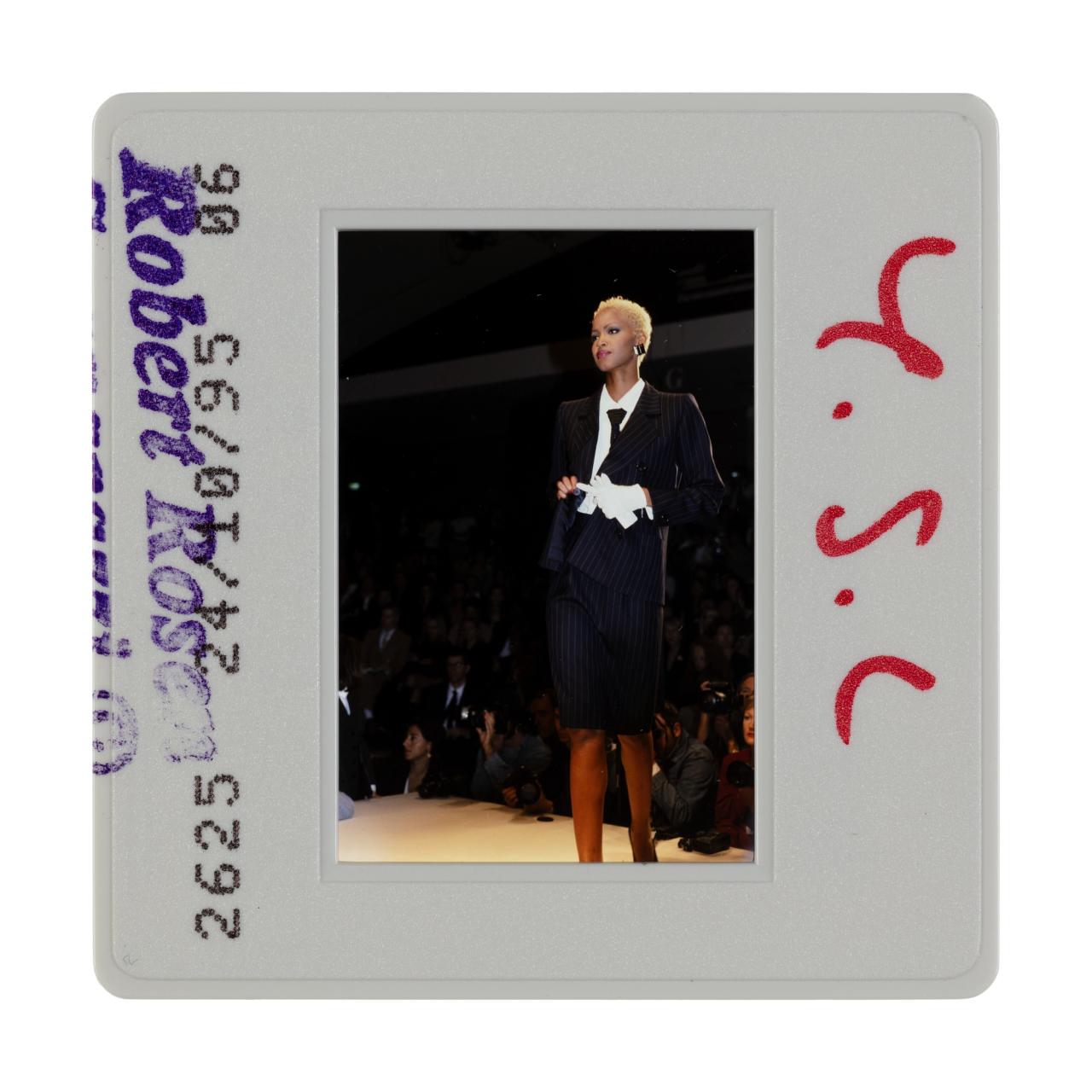
‘Colour isn't just colour.’
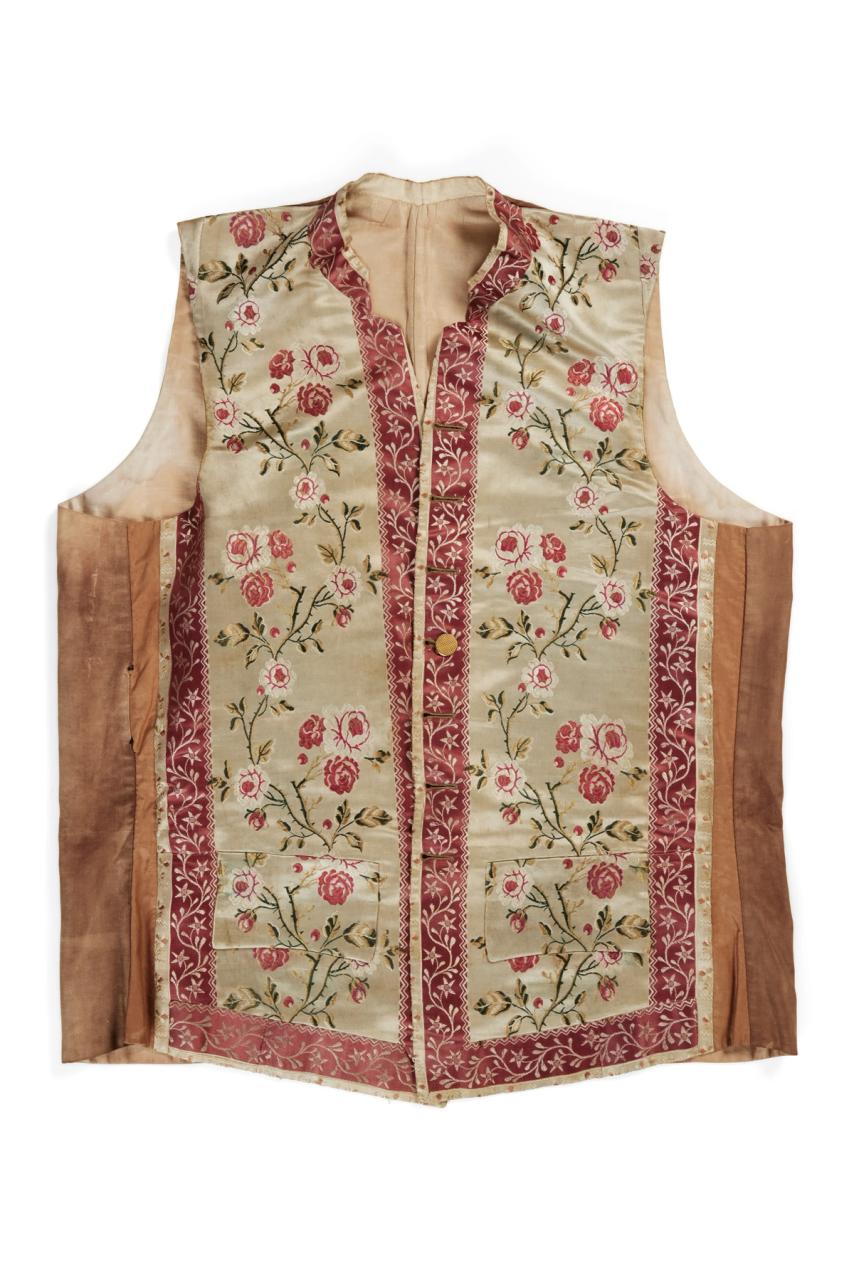
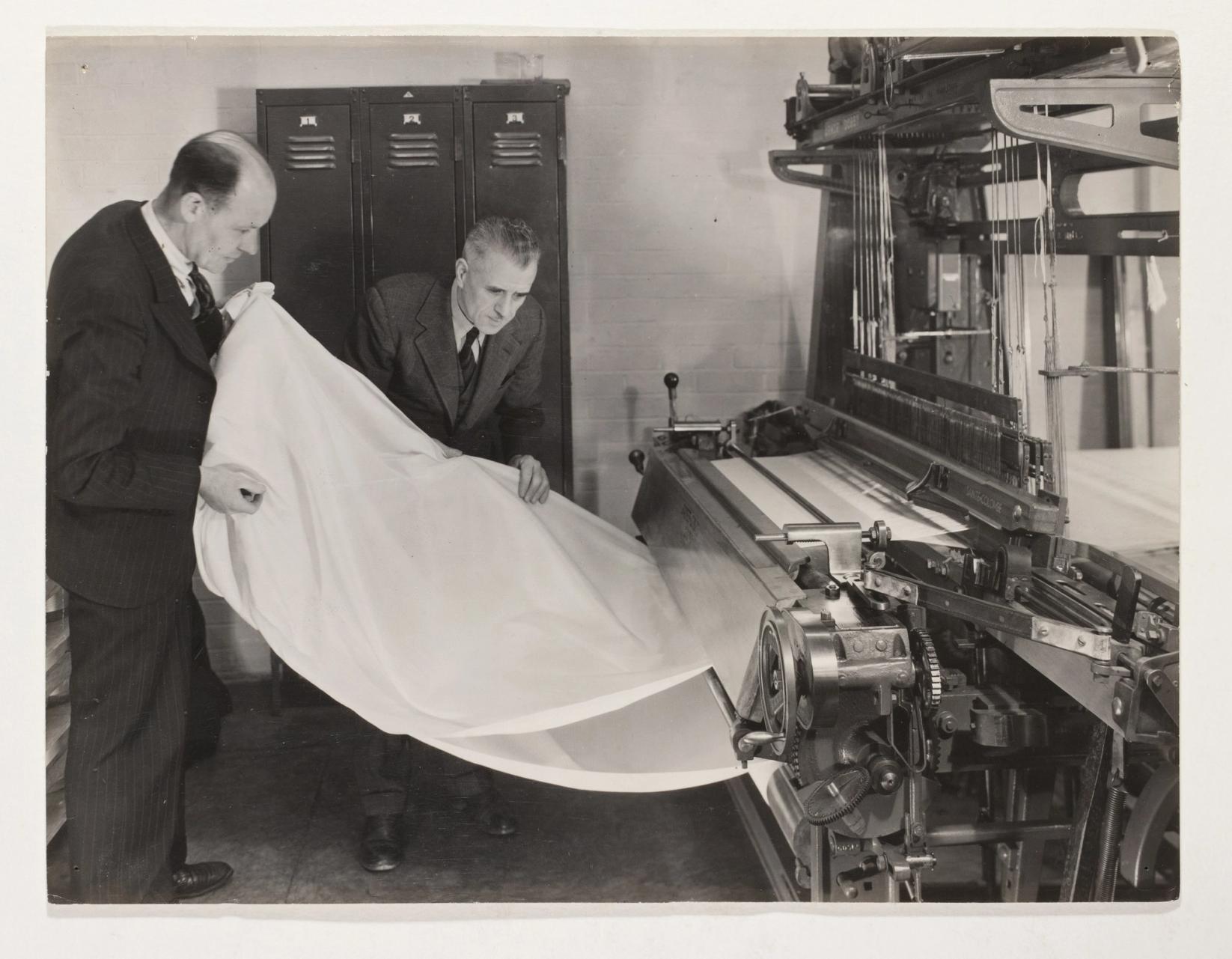
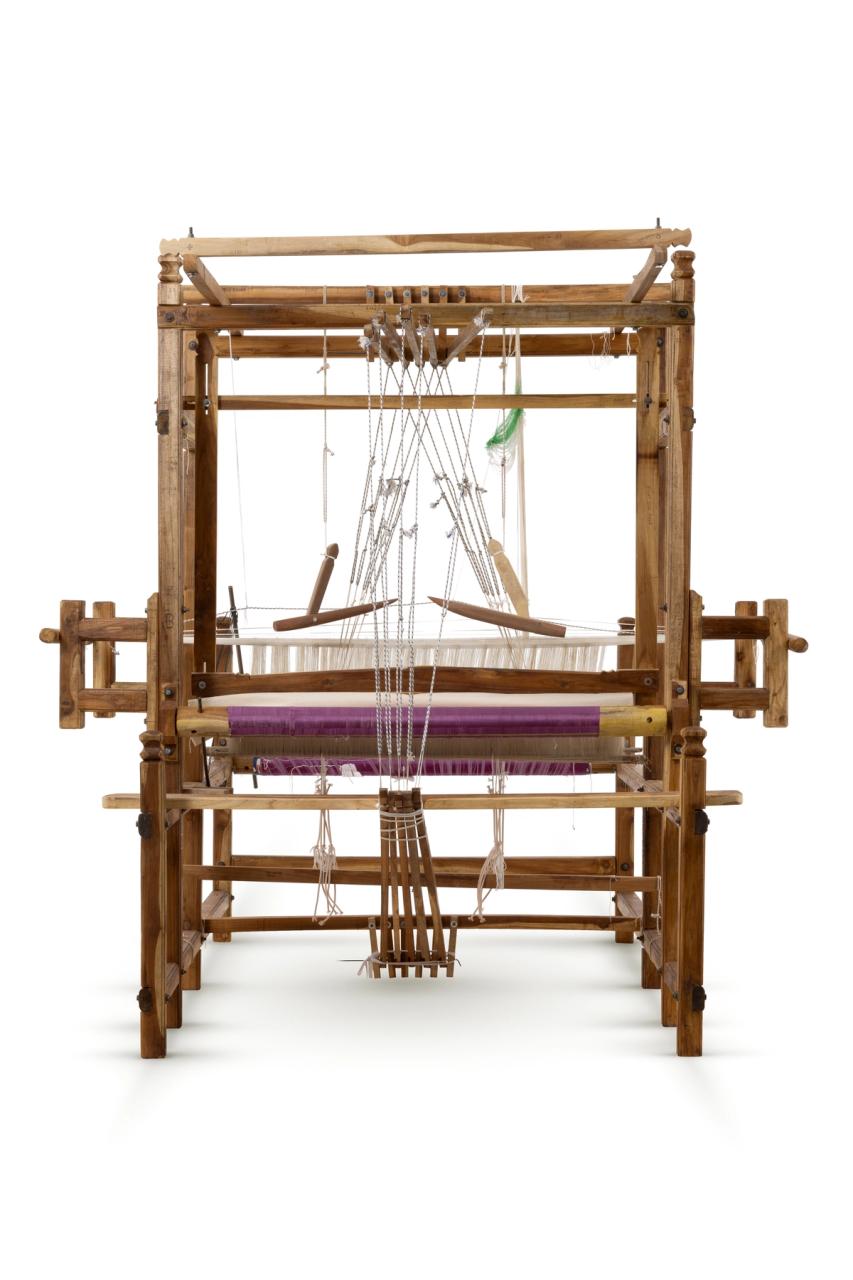
It was punishable by death to break this weaving machine
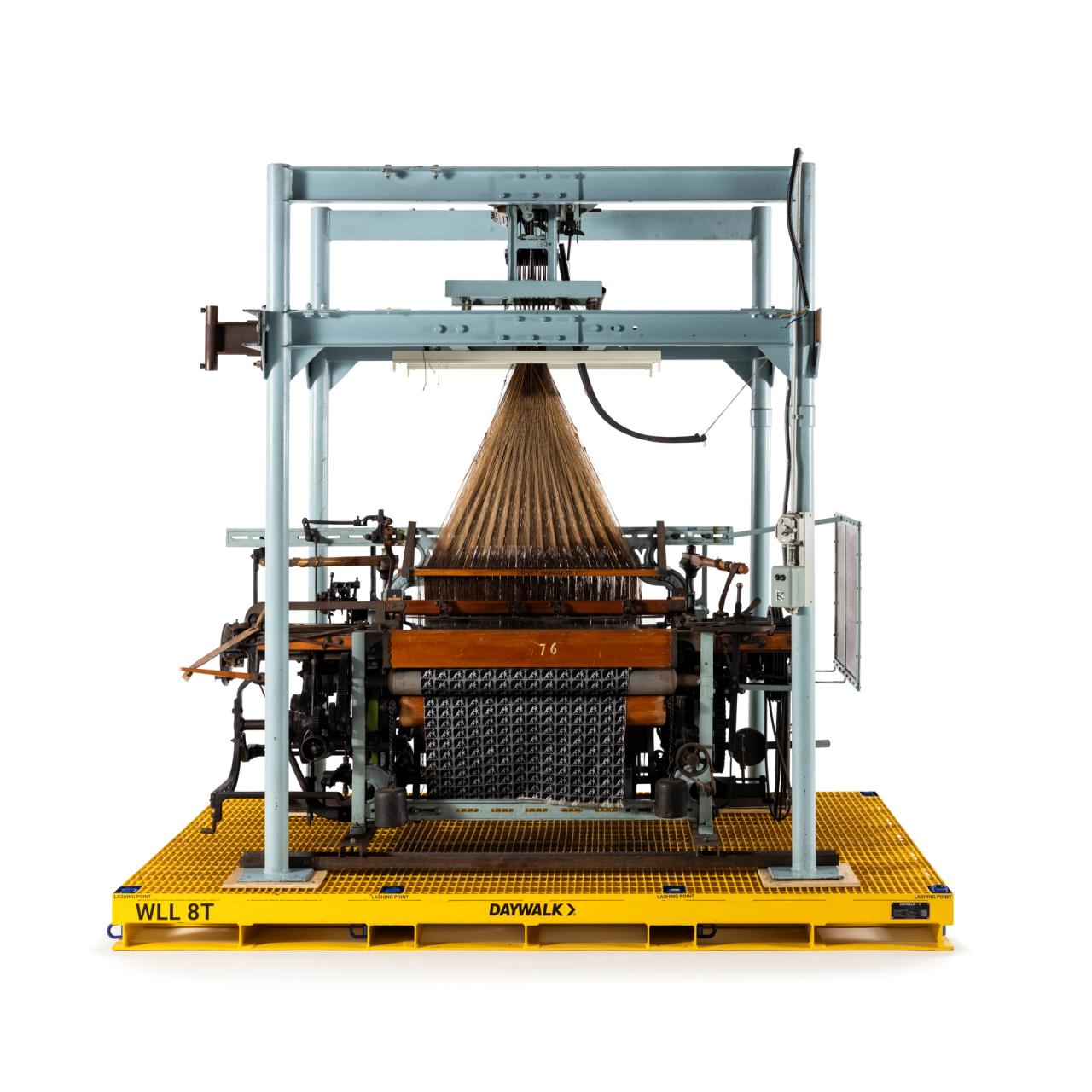
A new type of machine in the 1800s made beautiful patterns affordable. Ken Sakata dives into how Joseph Marie Jacquard completely changes the economics and manufacturing of woven fabrics, making a slow, expensive and labour-intensive process into a rapid, accessible one.
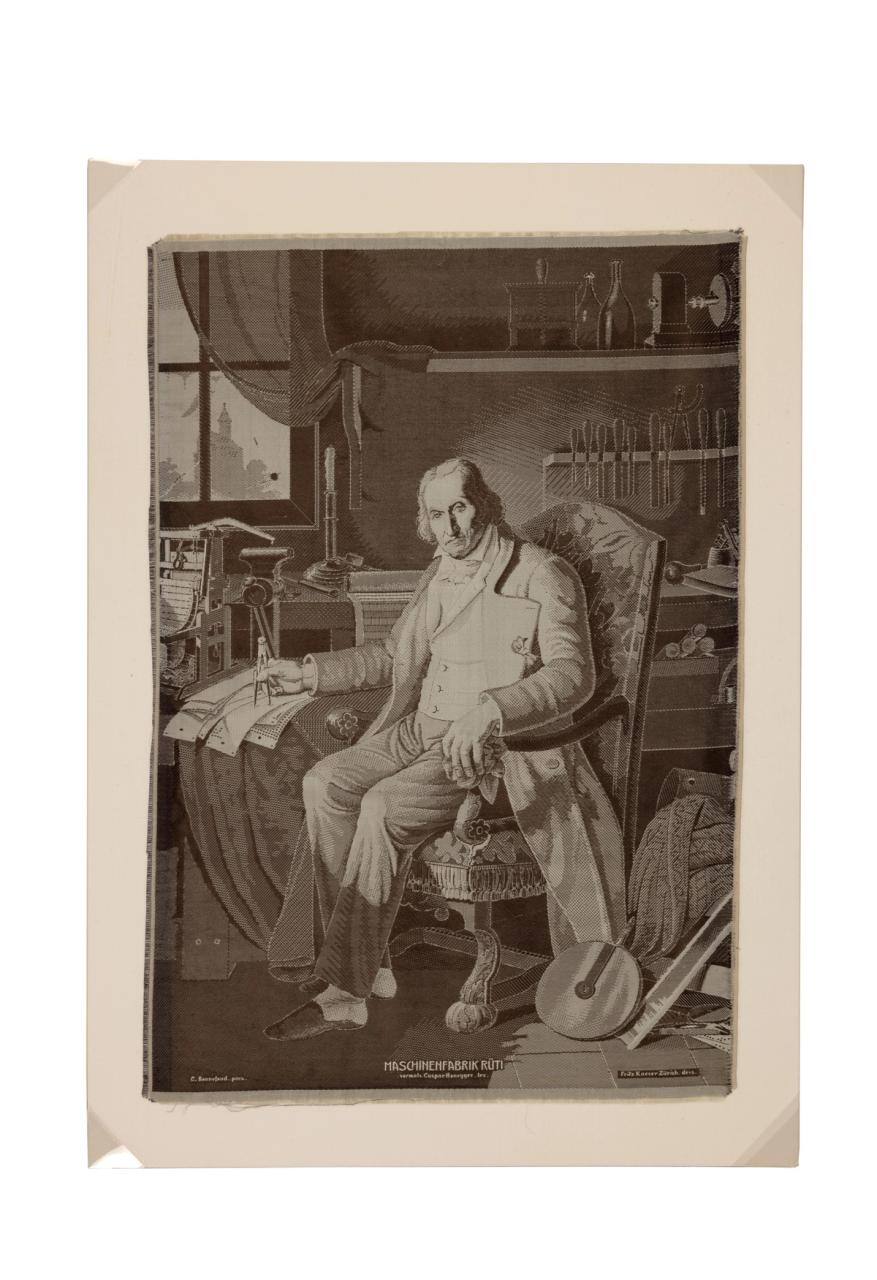
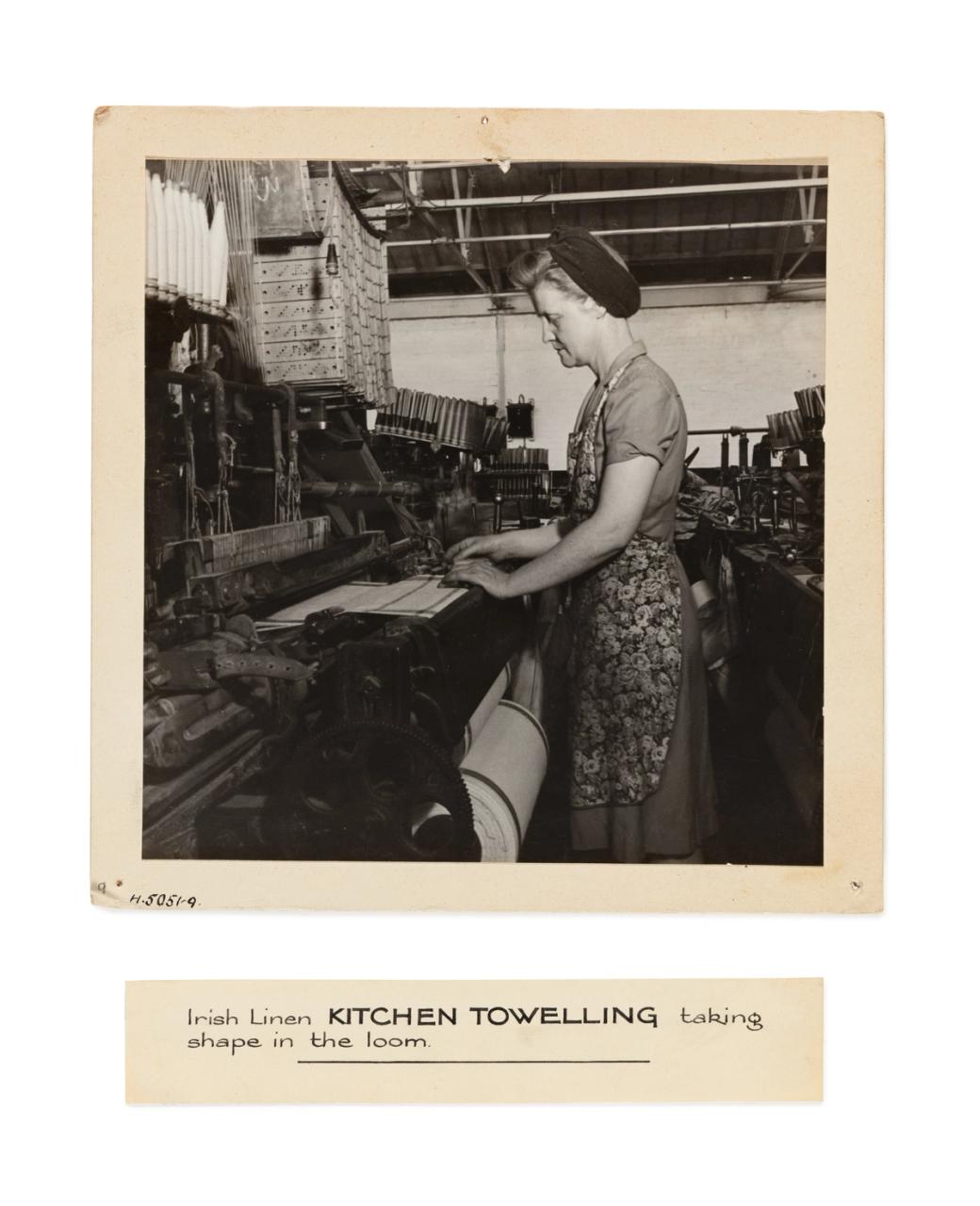
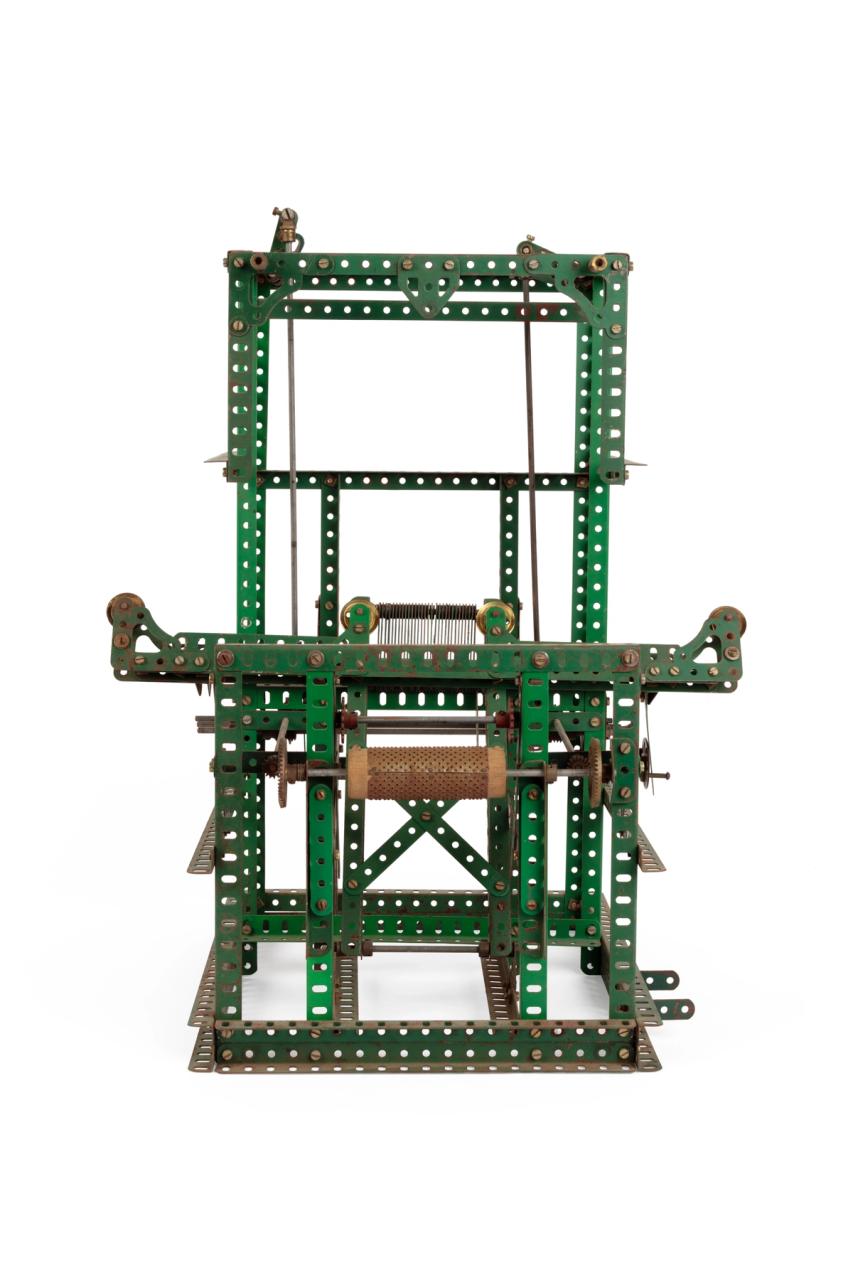
‘This pattern silk is beautiful, but you can’t afford it, and that’s the problem in the 1800’s’
The UNKNOWN Japanese remake of the Wizard of Oz
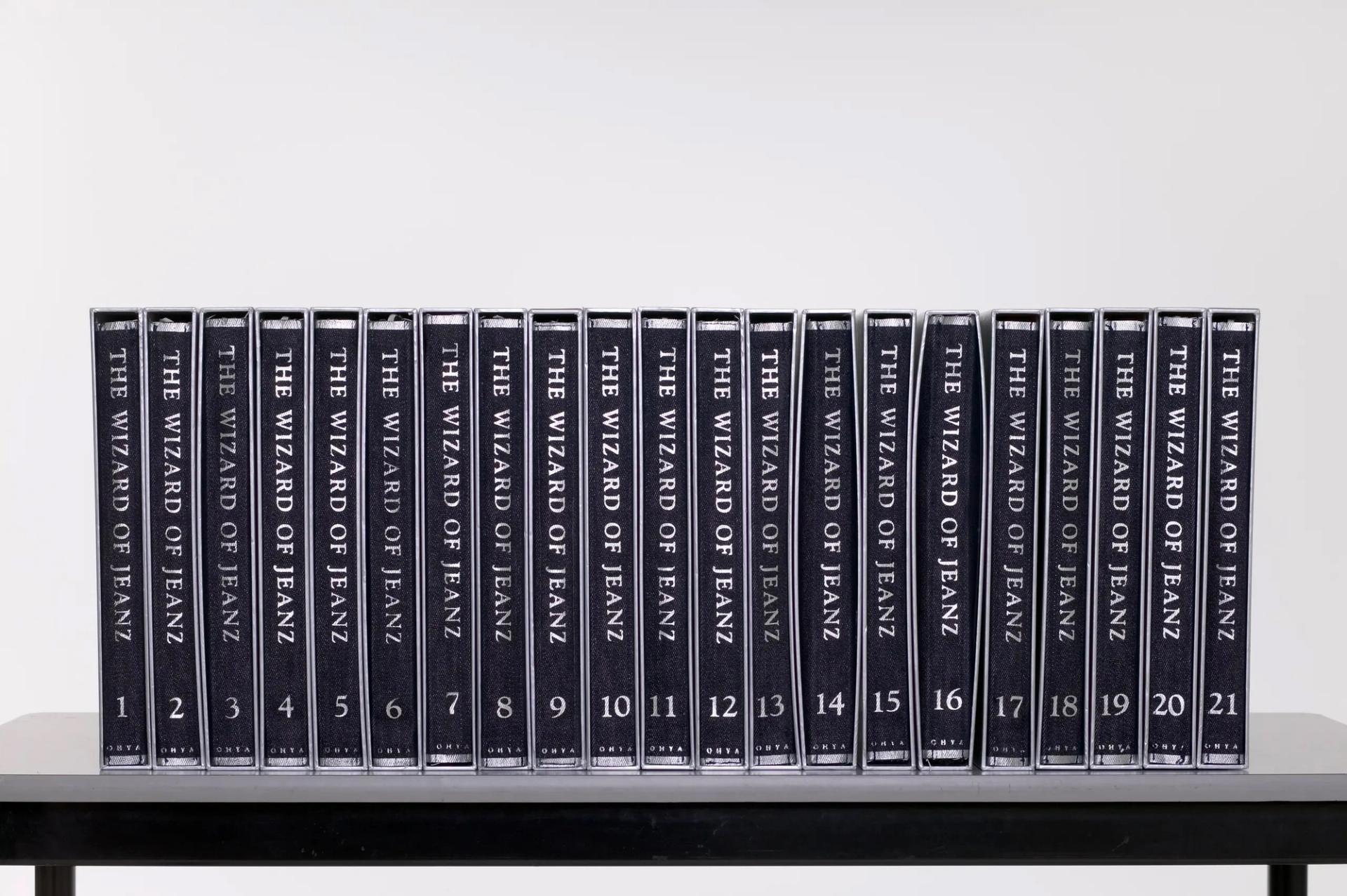
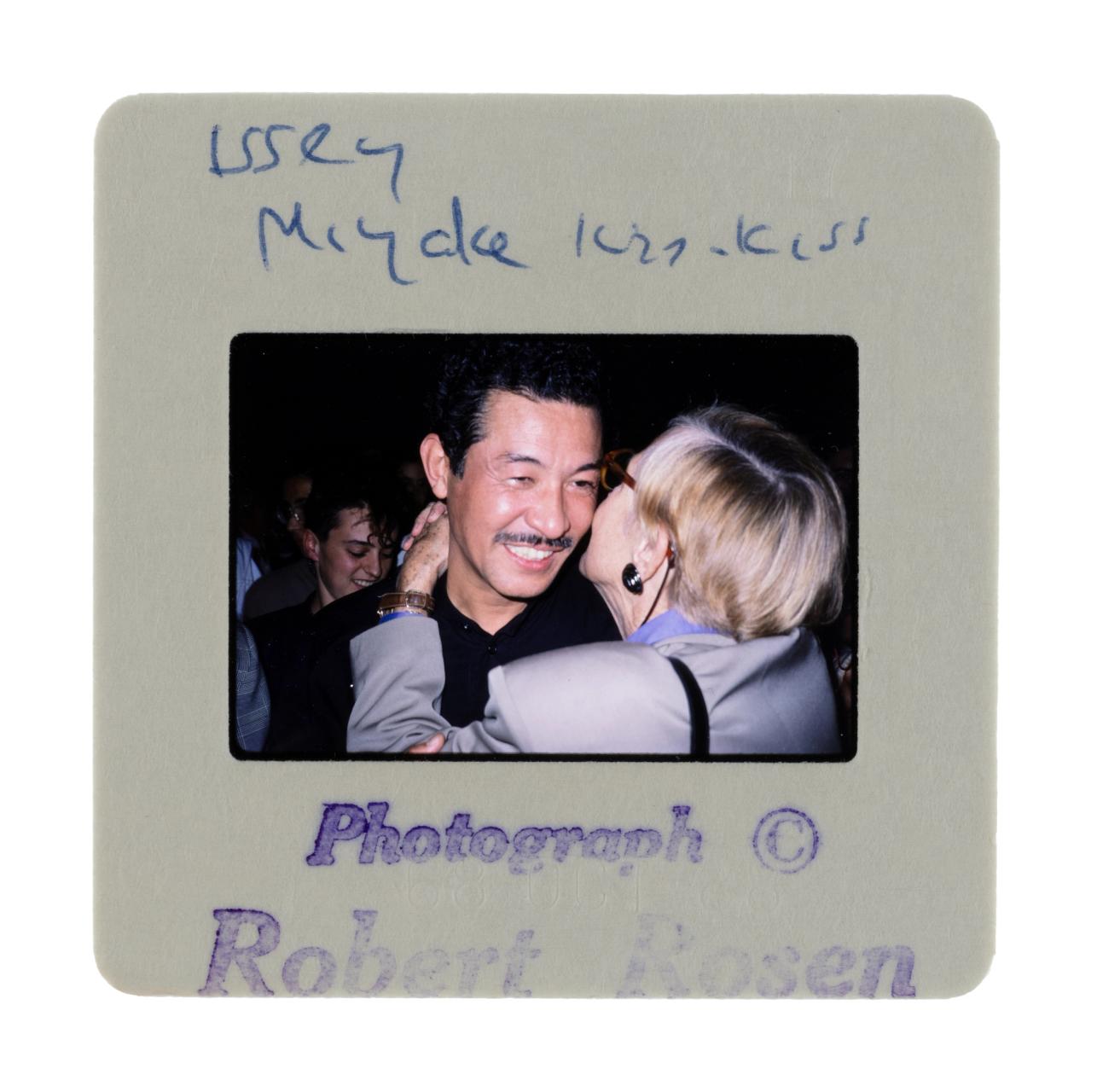
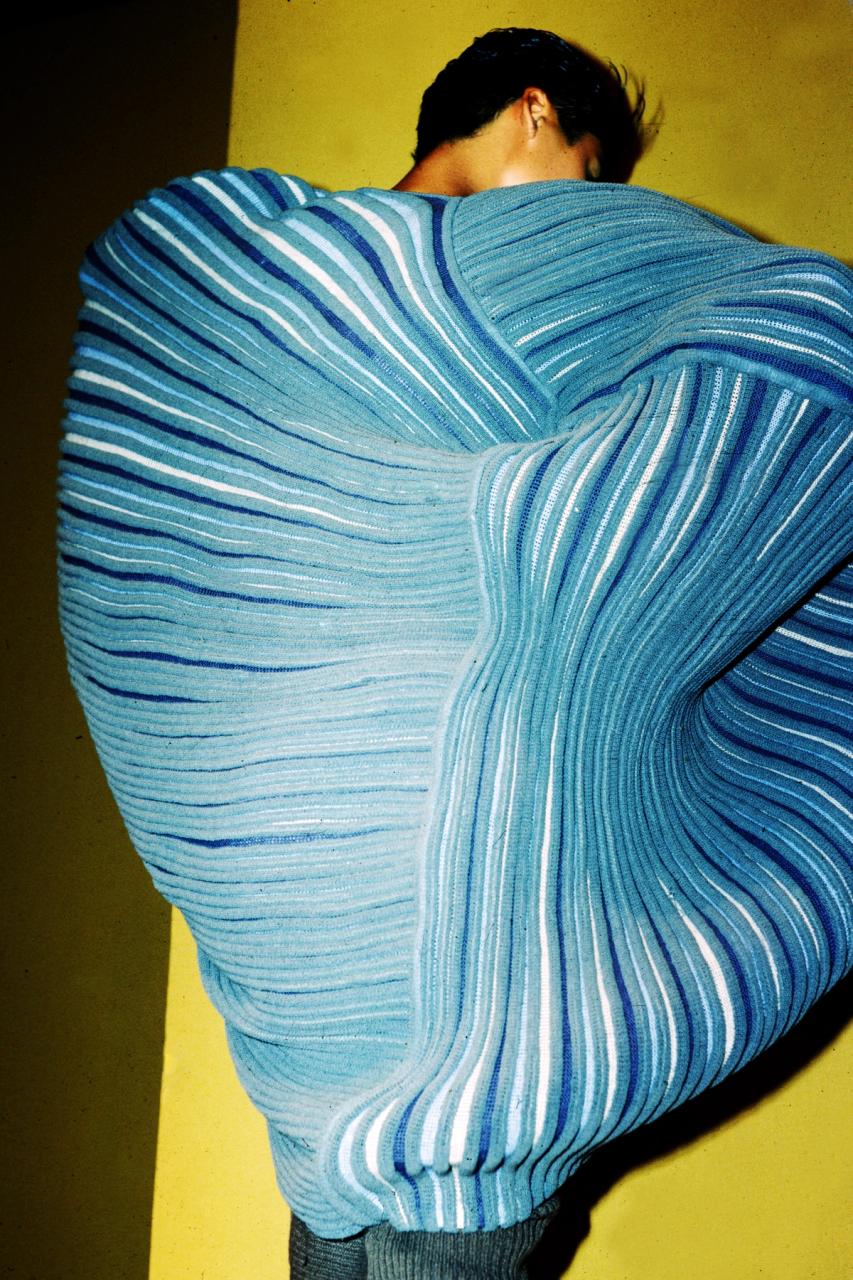
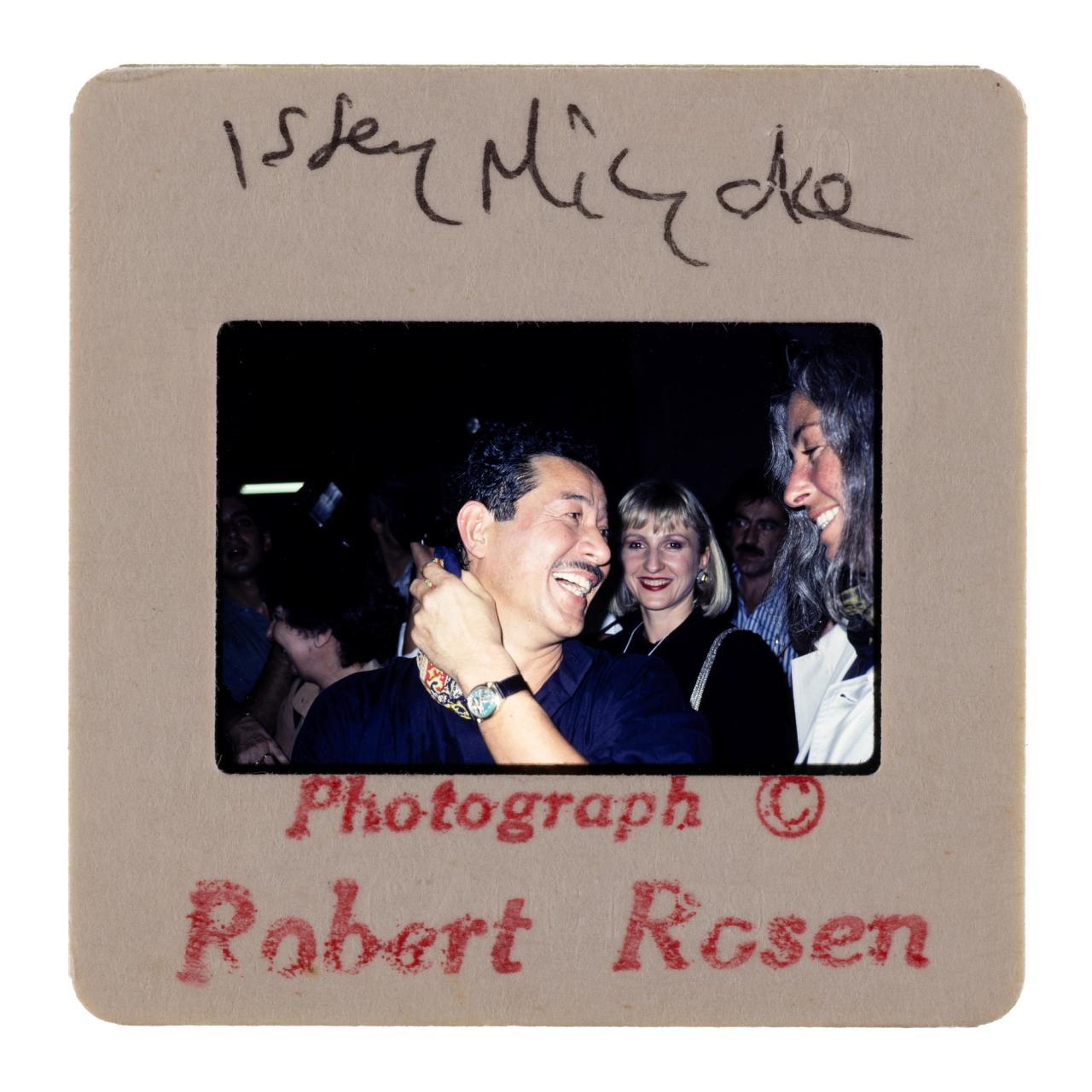
Hiroaki Ohya is one of the most innovative and experimental designers in recent fashion history. His Wizard of Jeanz series sees him transform the everyday material of denim into something magical and surprising.
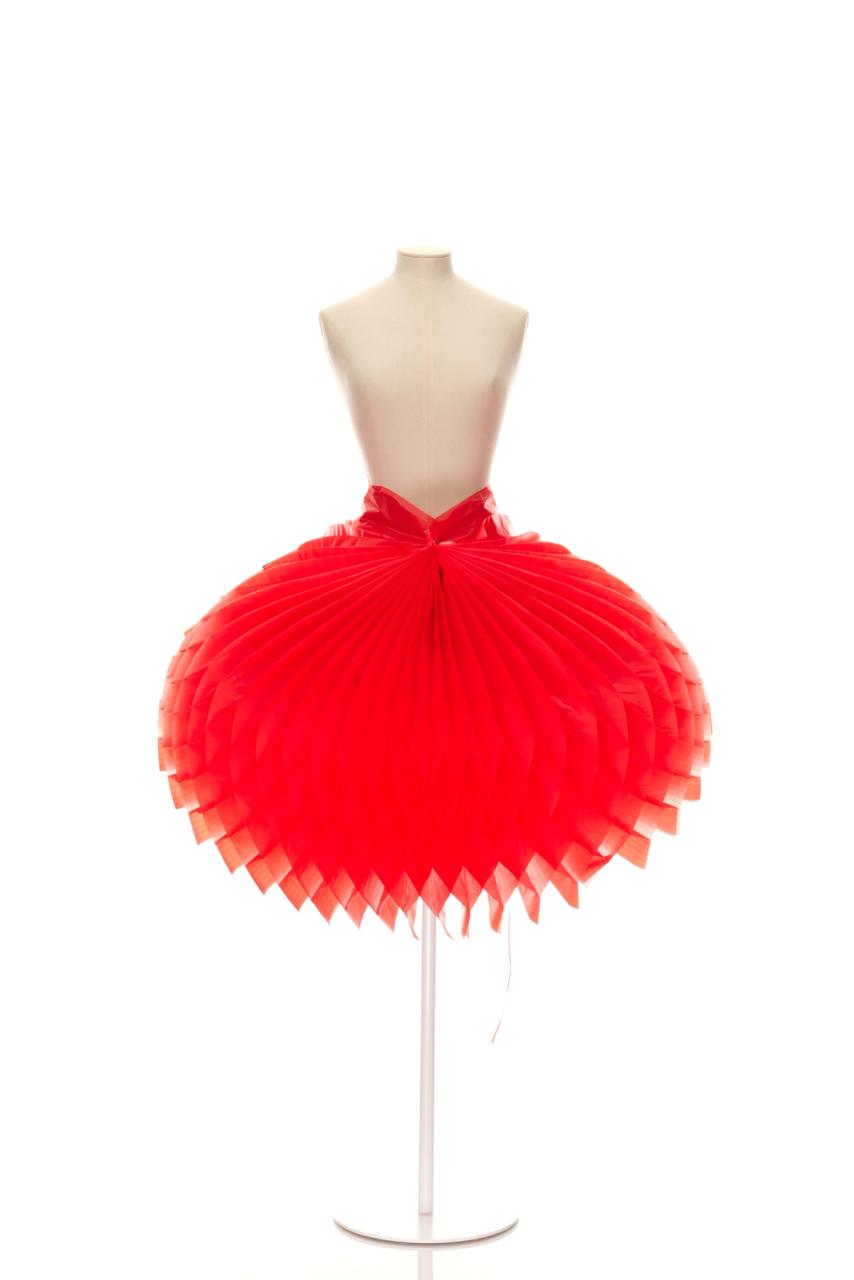
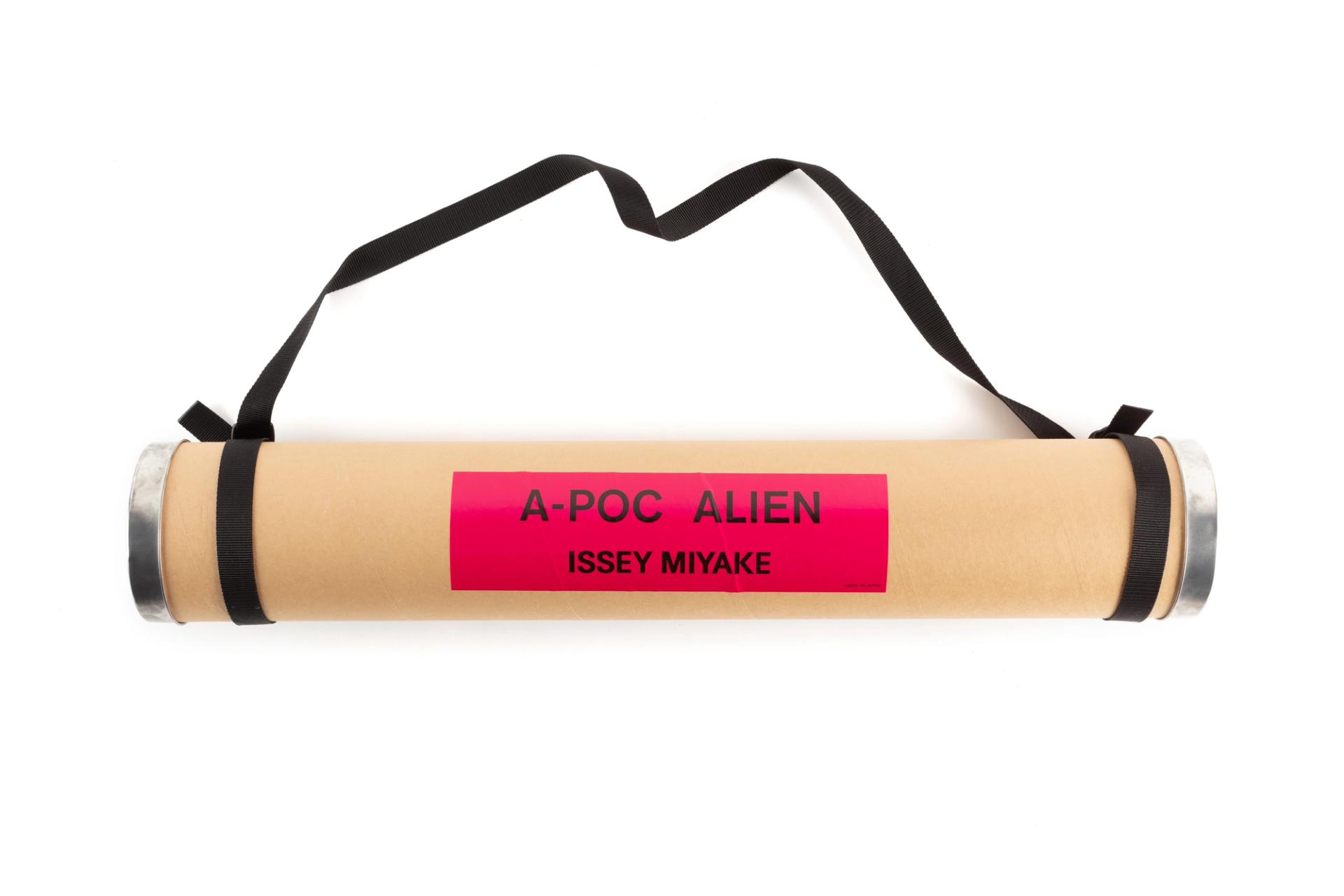
‘Ohya is Miyake's protégé. And you can see the influence of this shared vocabulary with pleating, with technical pattern making. So if you think about it, maybe this is a metaphor for his own personal journey. Being from the relatively normal world of design and then being swept up into this fantastical studio with this all seeing, all knowing wizard.’
The most HUMILIATING clothes in Australia
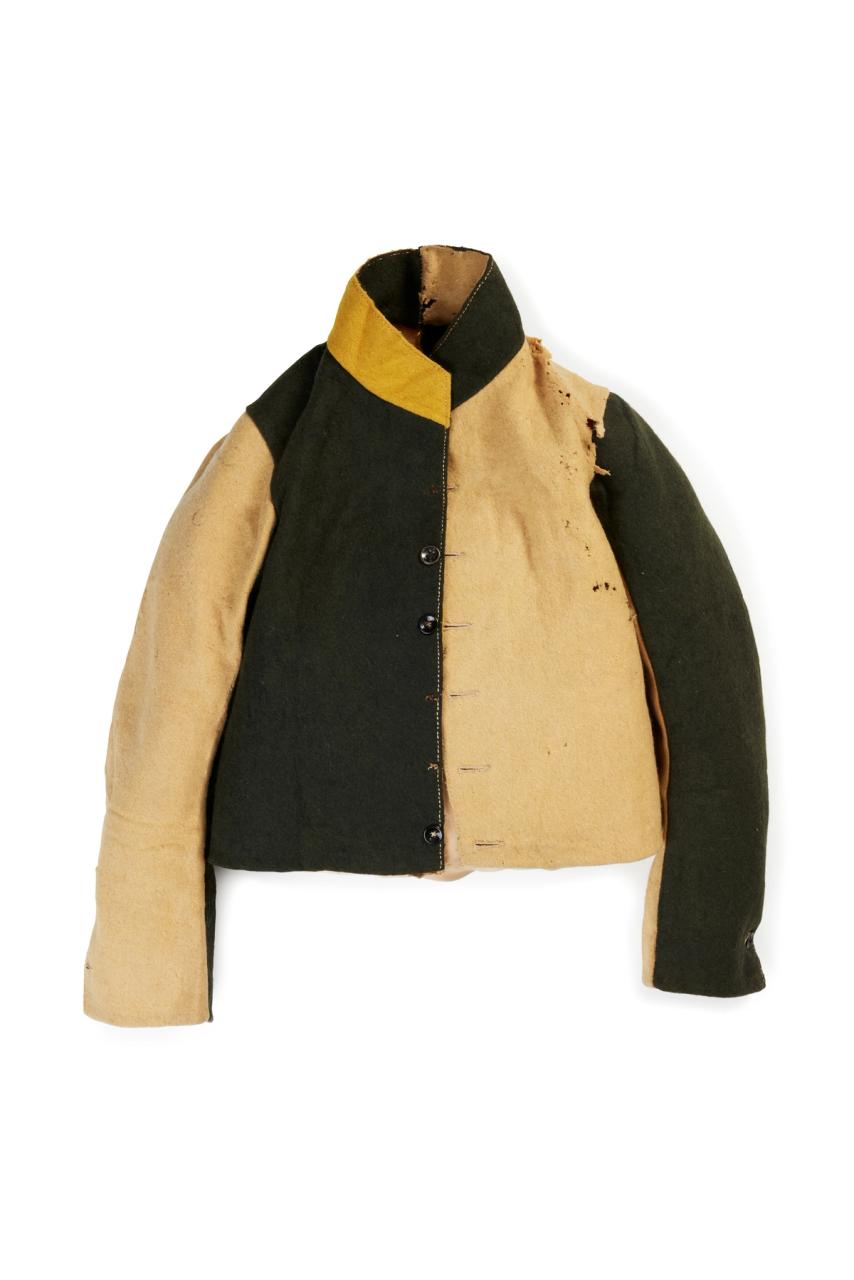
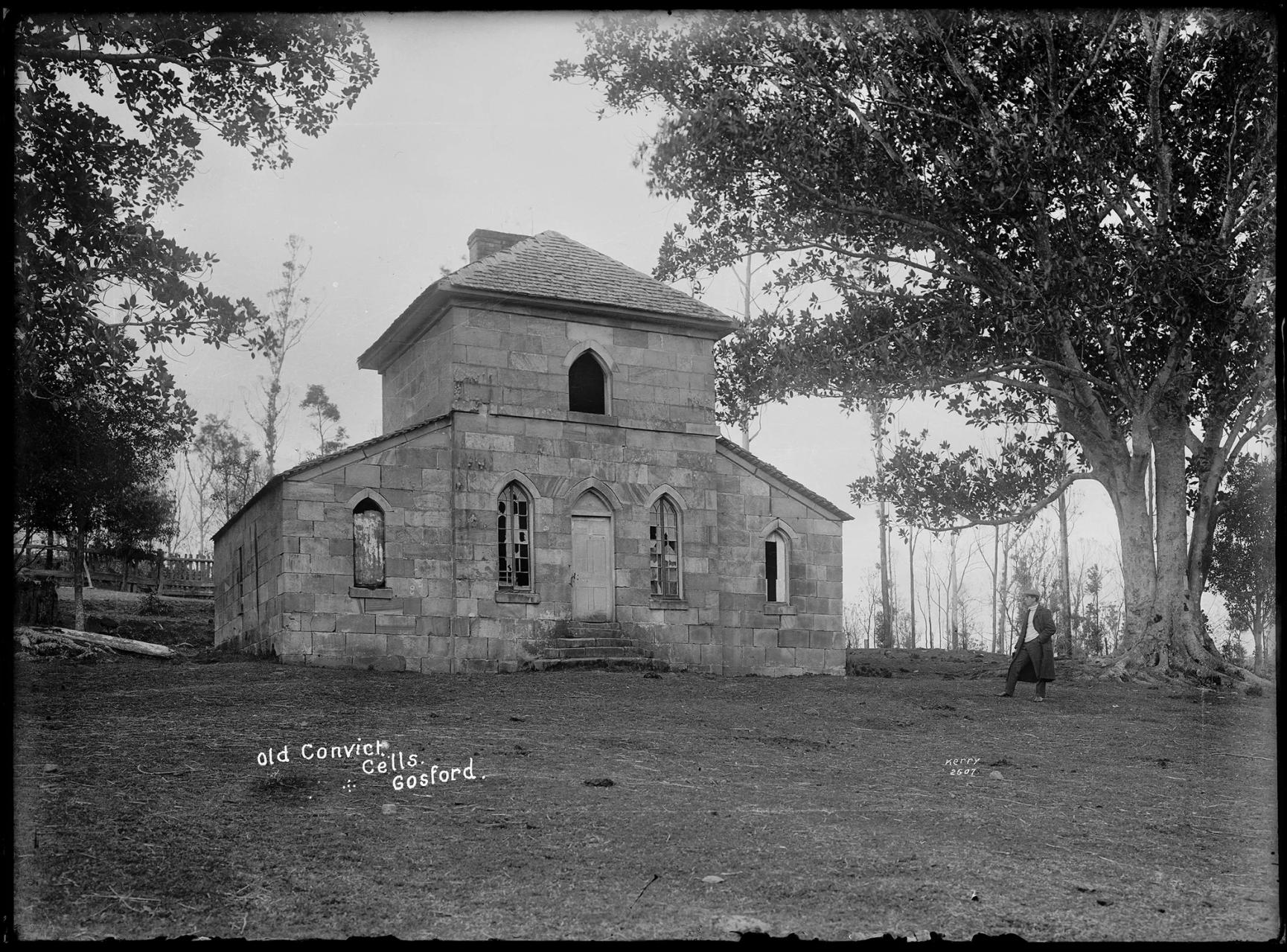
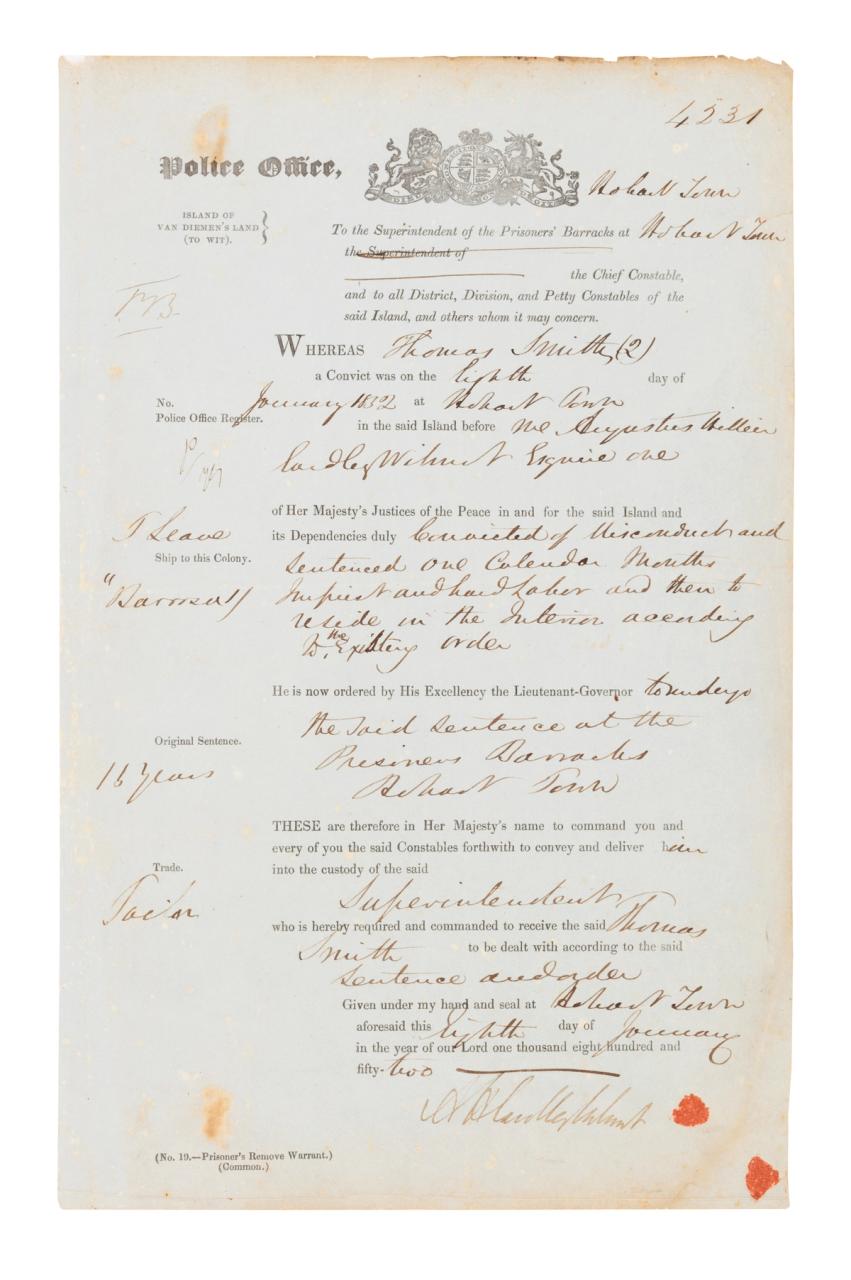
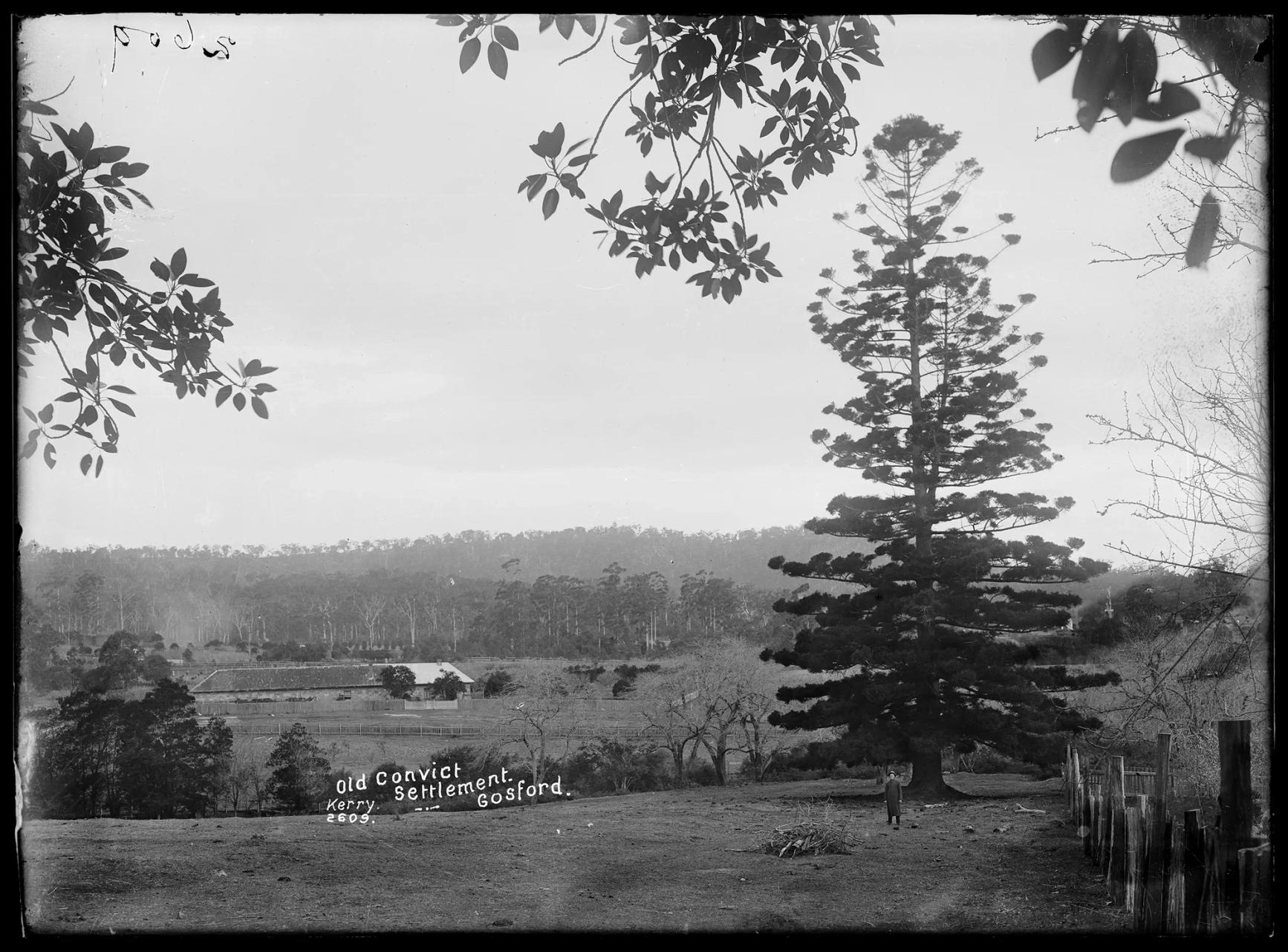
In the harsh world of early colonial Australia, if a convict reoffended while serving their sentence, then they would be singled out by a special jacket, colloquially known as the “Magpie” jacket. In this video, Sakata explores the history of convict uniform.
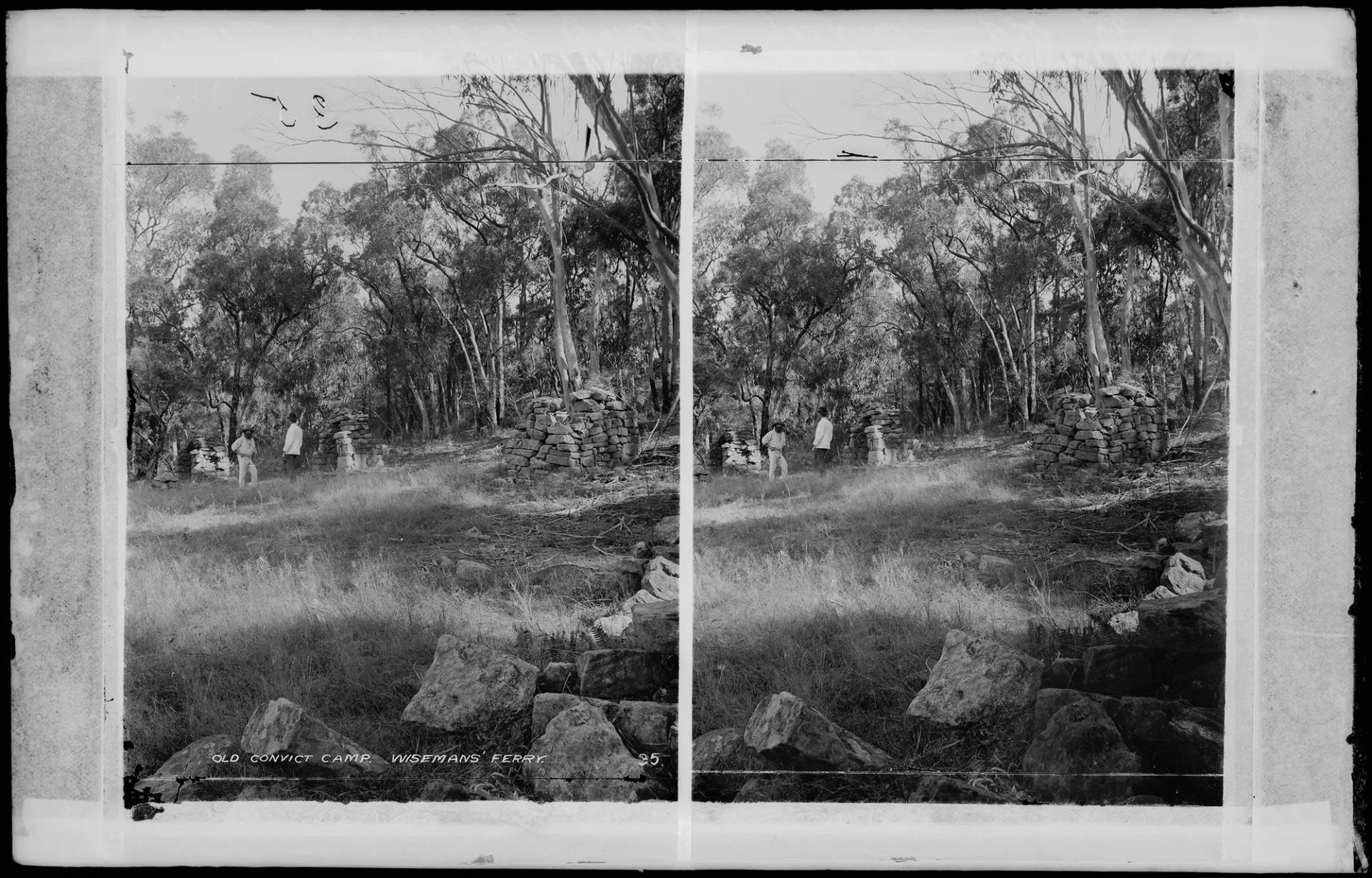
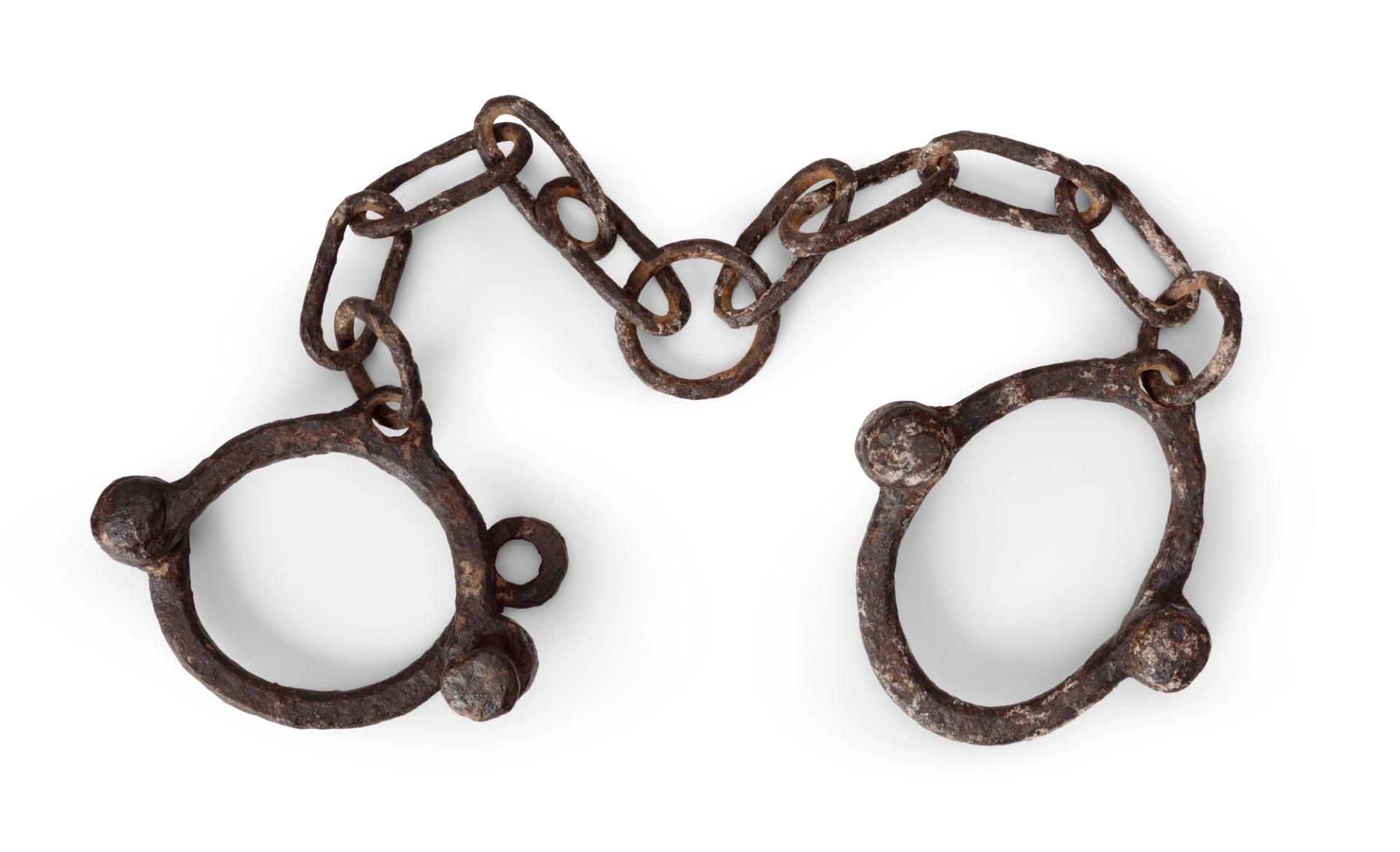
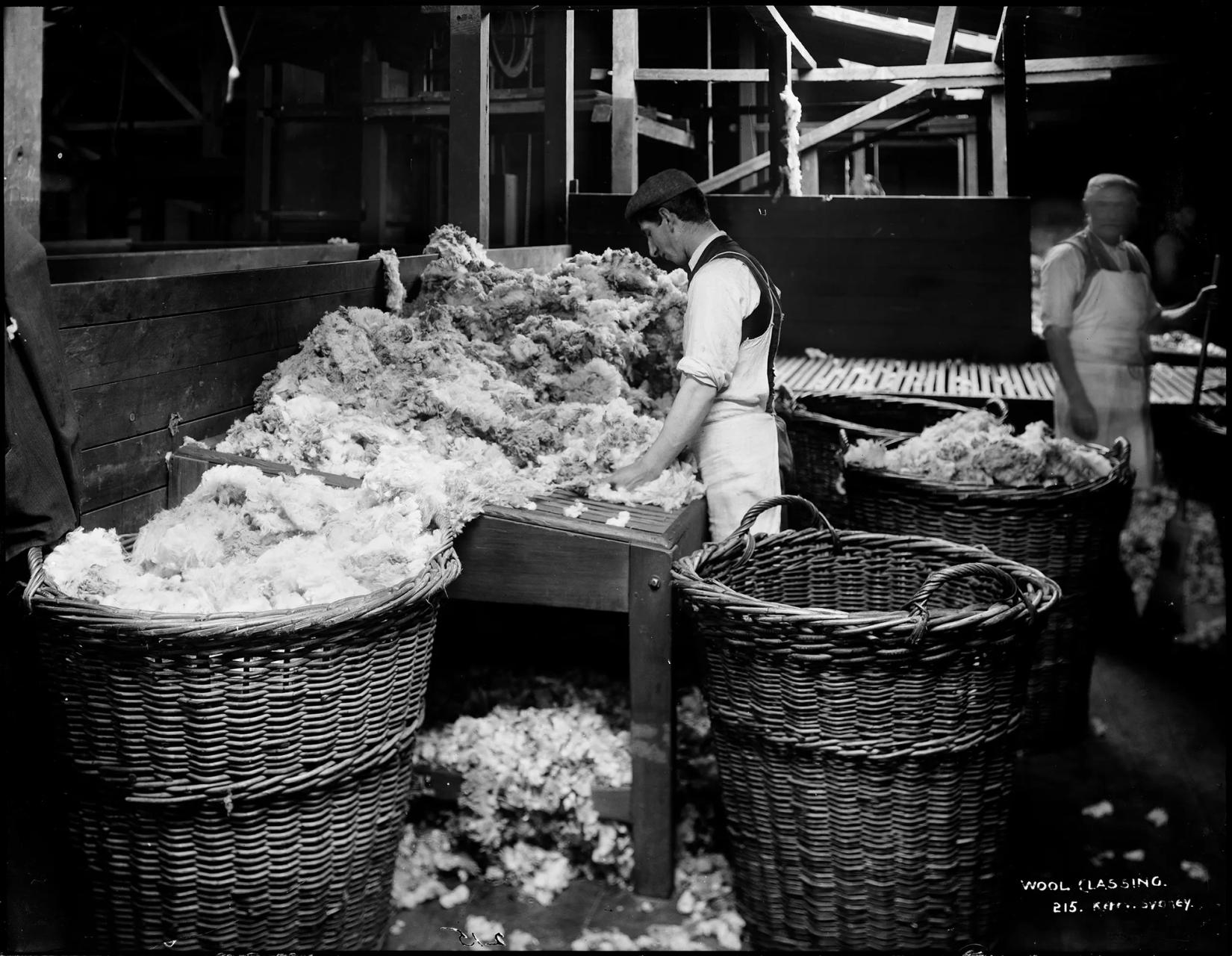
‘In this one object, we gain so much insight into early Australia. Australia's history as a penal colony, and also an insight into current and modern culture, how we can use uniforms, not necessarily just as utility, not as something to wear, but also a way to punish each other, to identify each other. This jacket reminds us how a kilogram of can contain so much cultural weight, power and story. ’
Do NORMAL people need high performance gear?
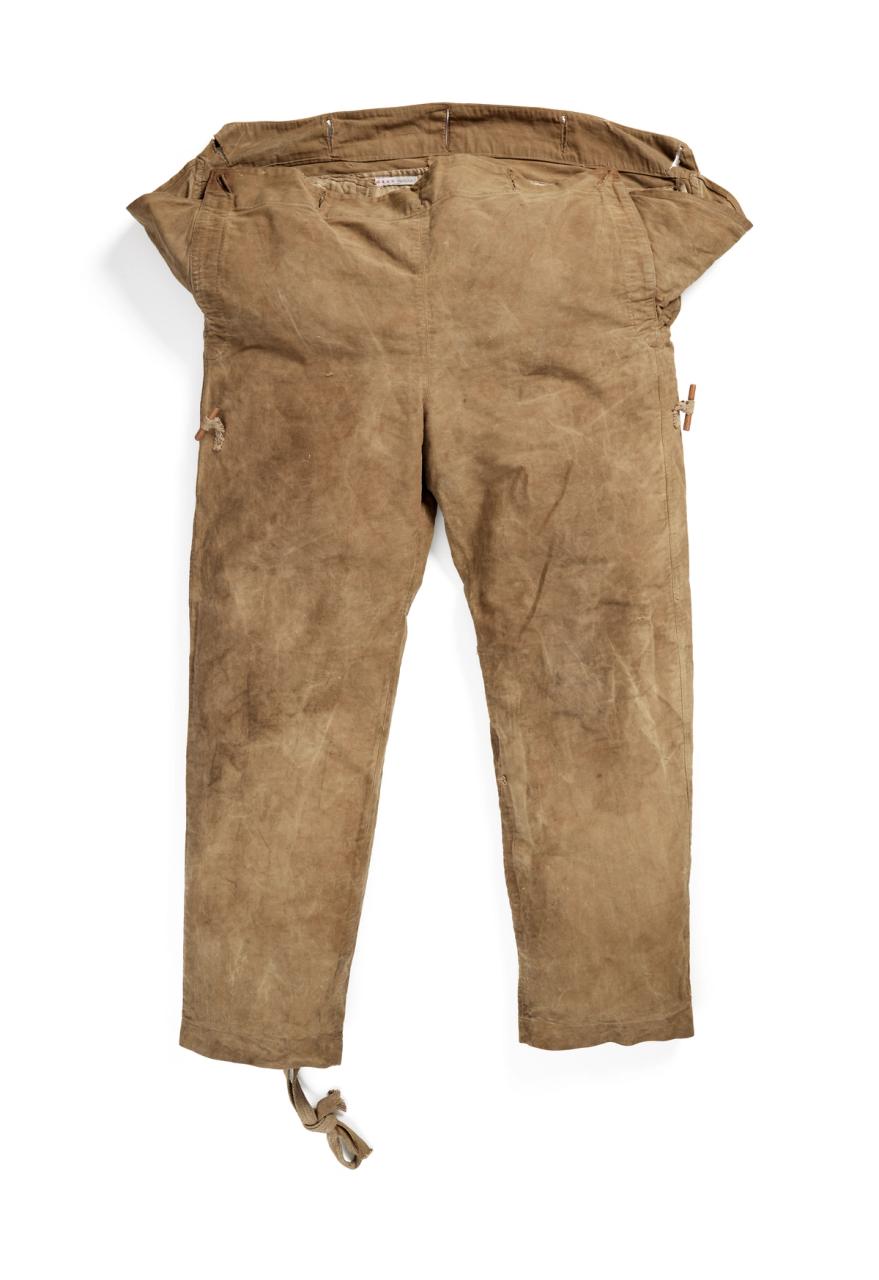
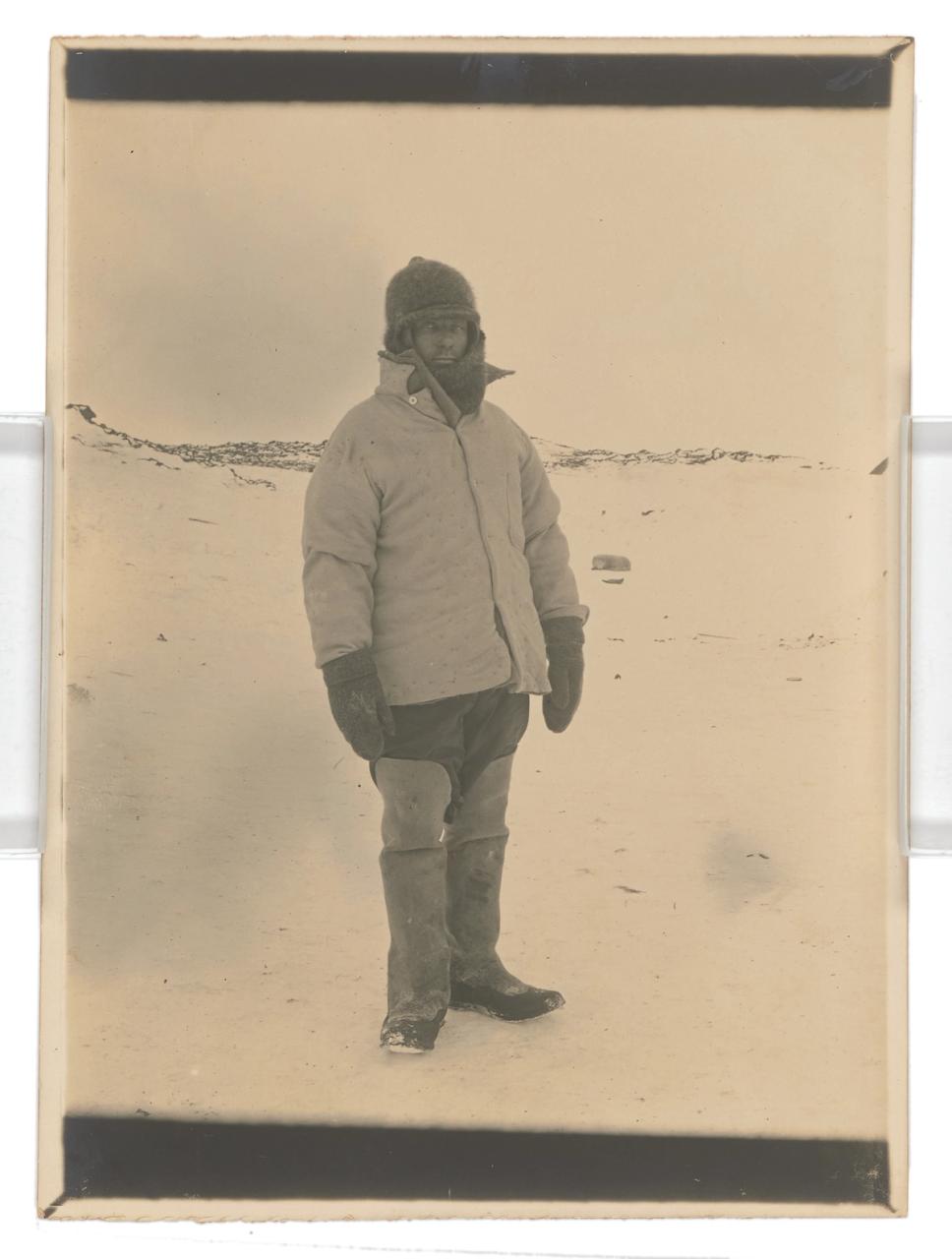
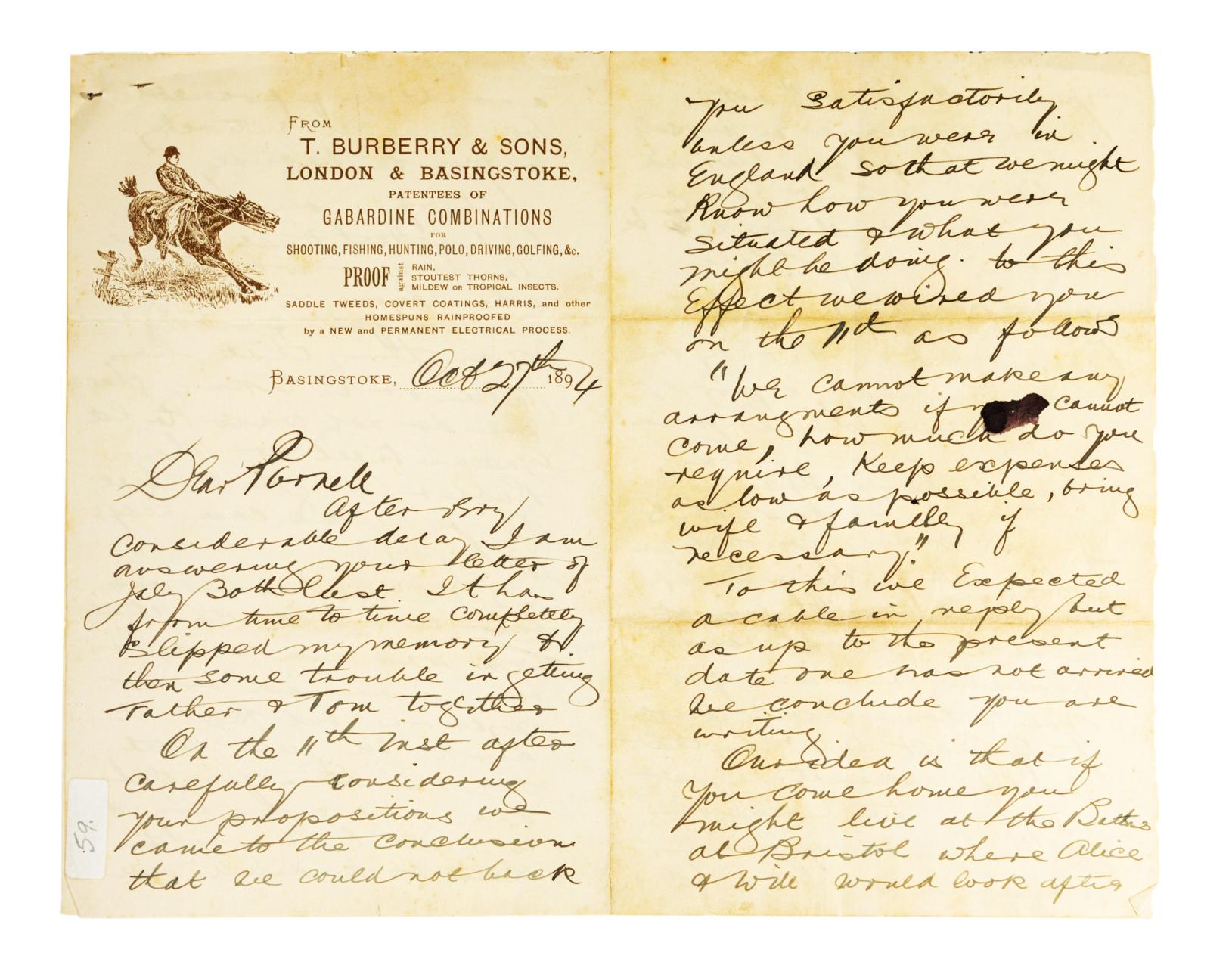
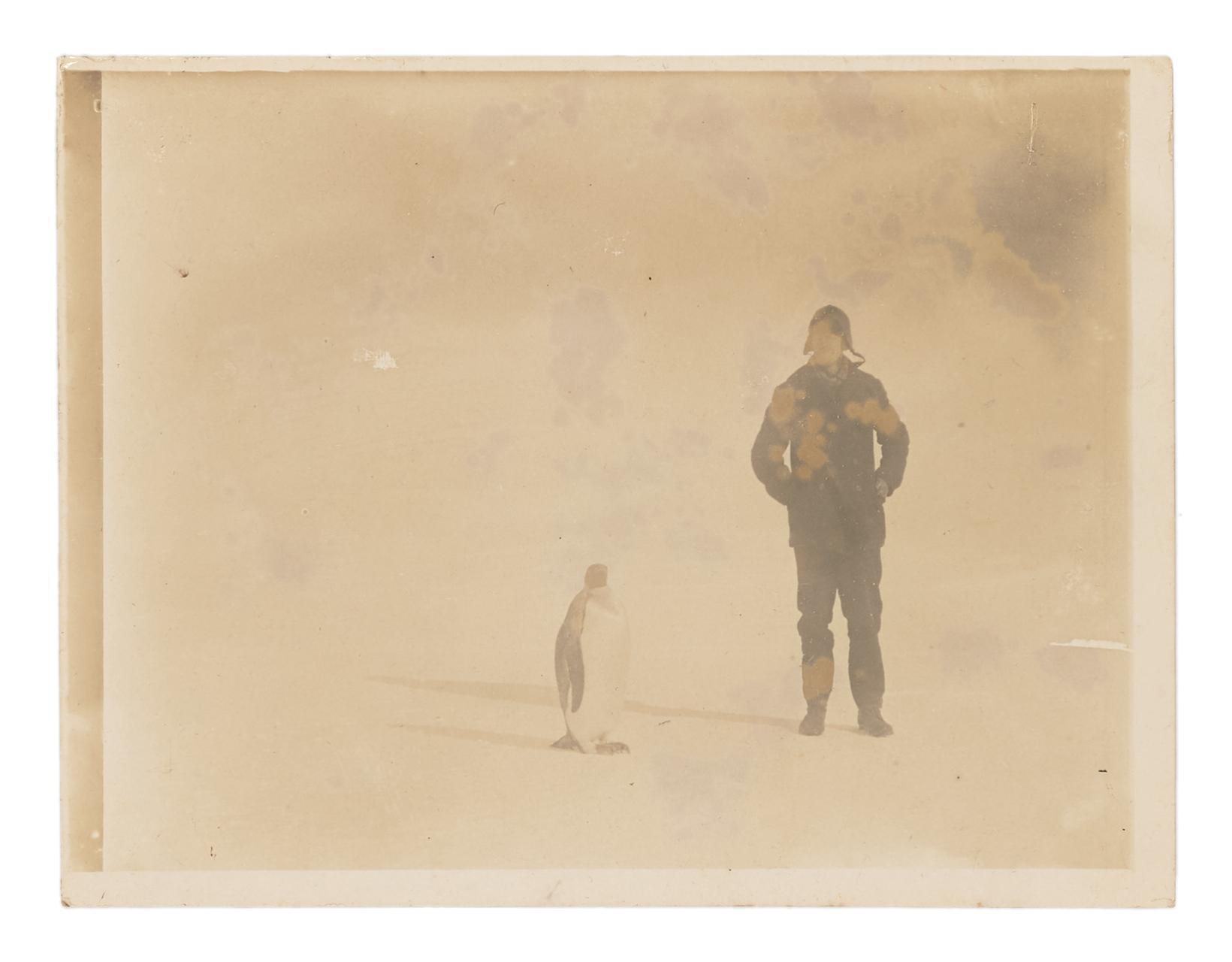
Ken Sakata takes a closer look at expedition clothing from the Powerhouse Collection, from a pair of Burberry trousers worn by Charles Francis Laseron during Sir Douglas Mawson’s Australasian Antarctic Expedition (1911–1913) to modern expedition gear from The North Face used on journeys to Antarctica.
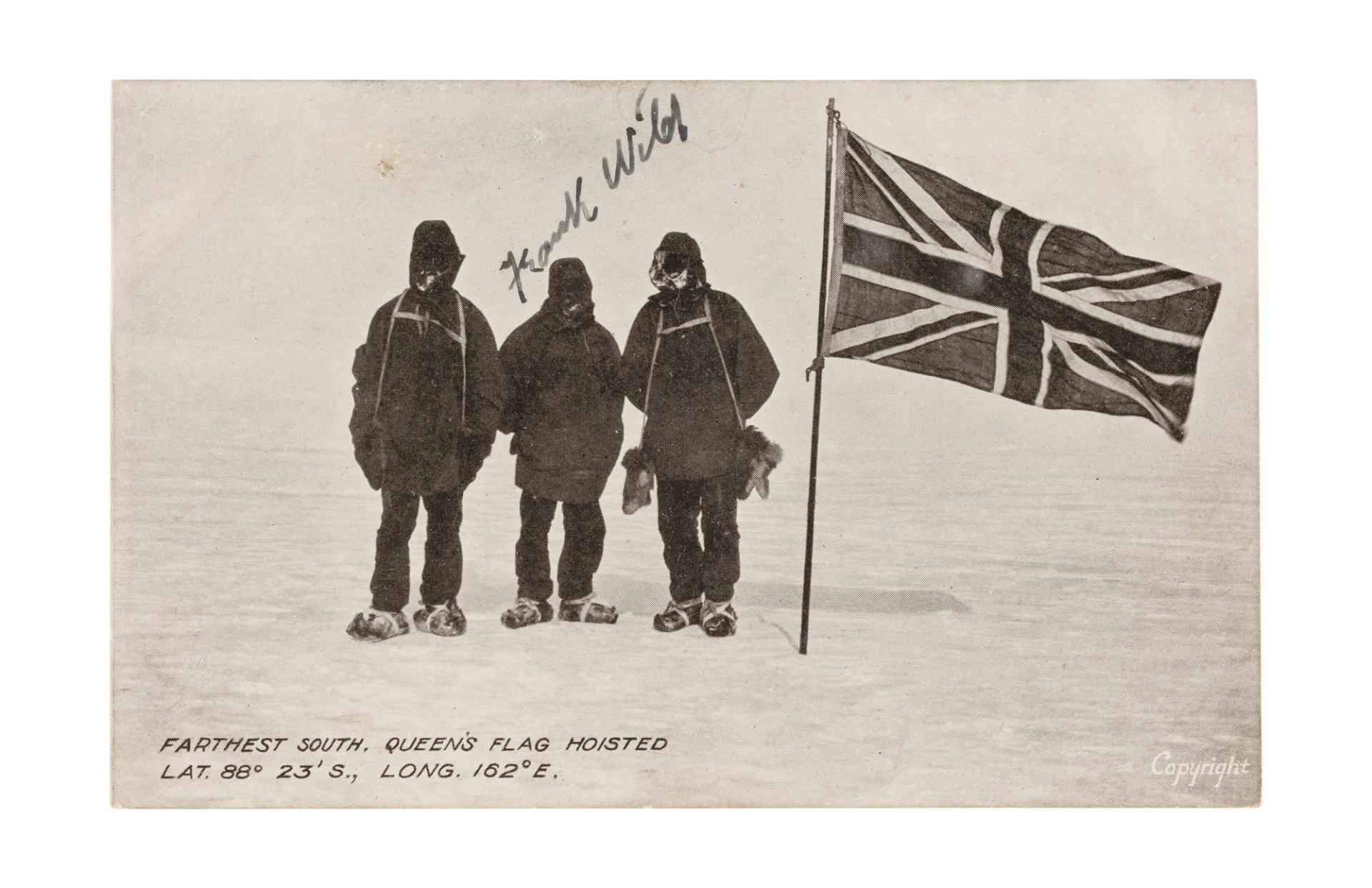
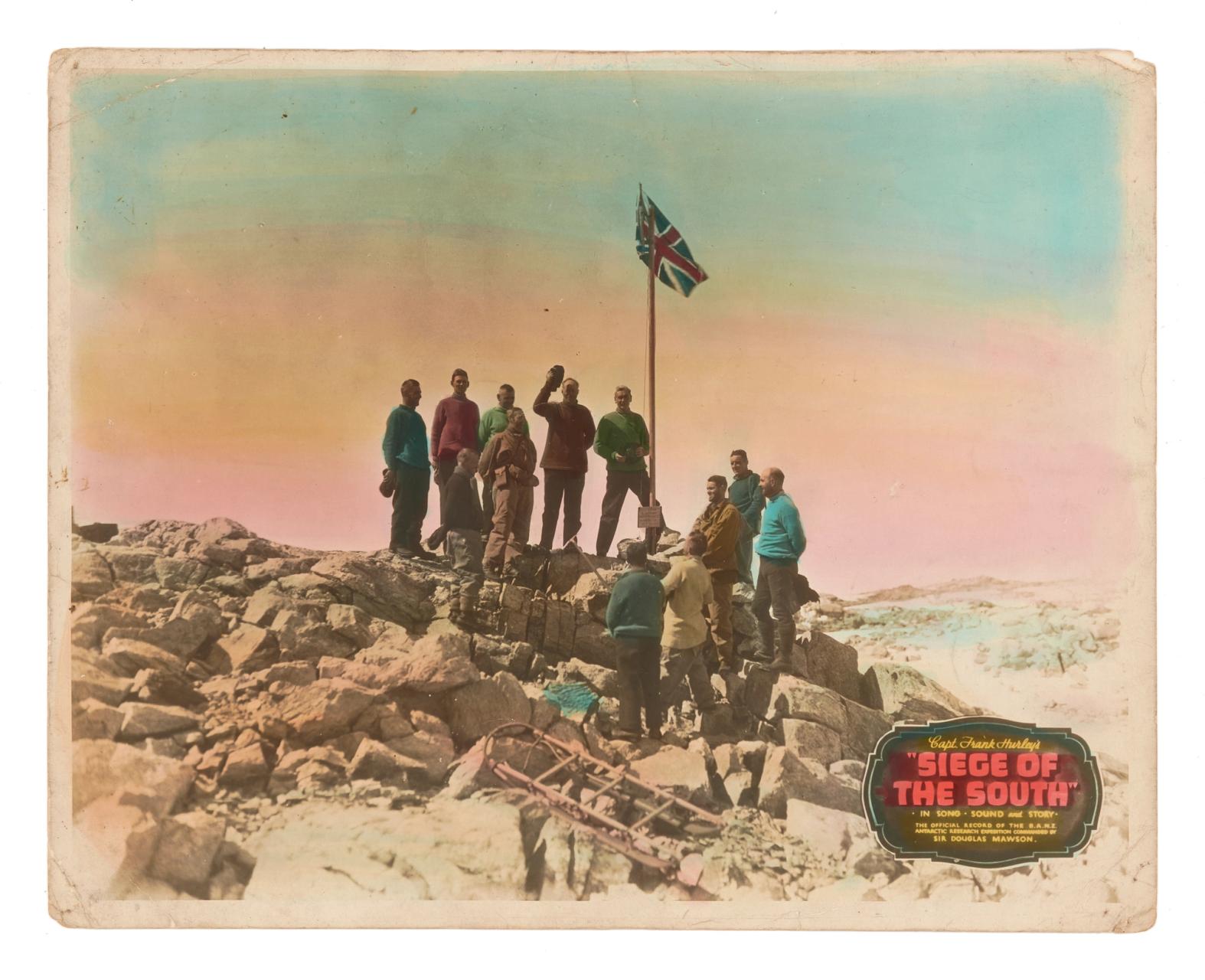
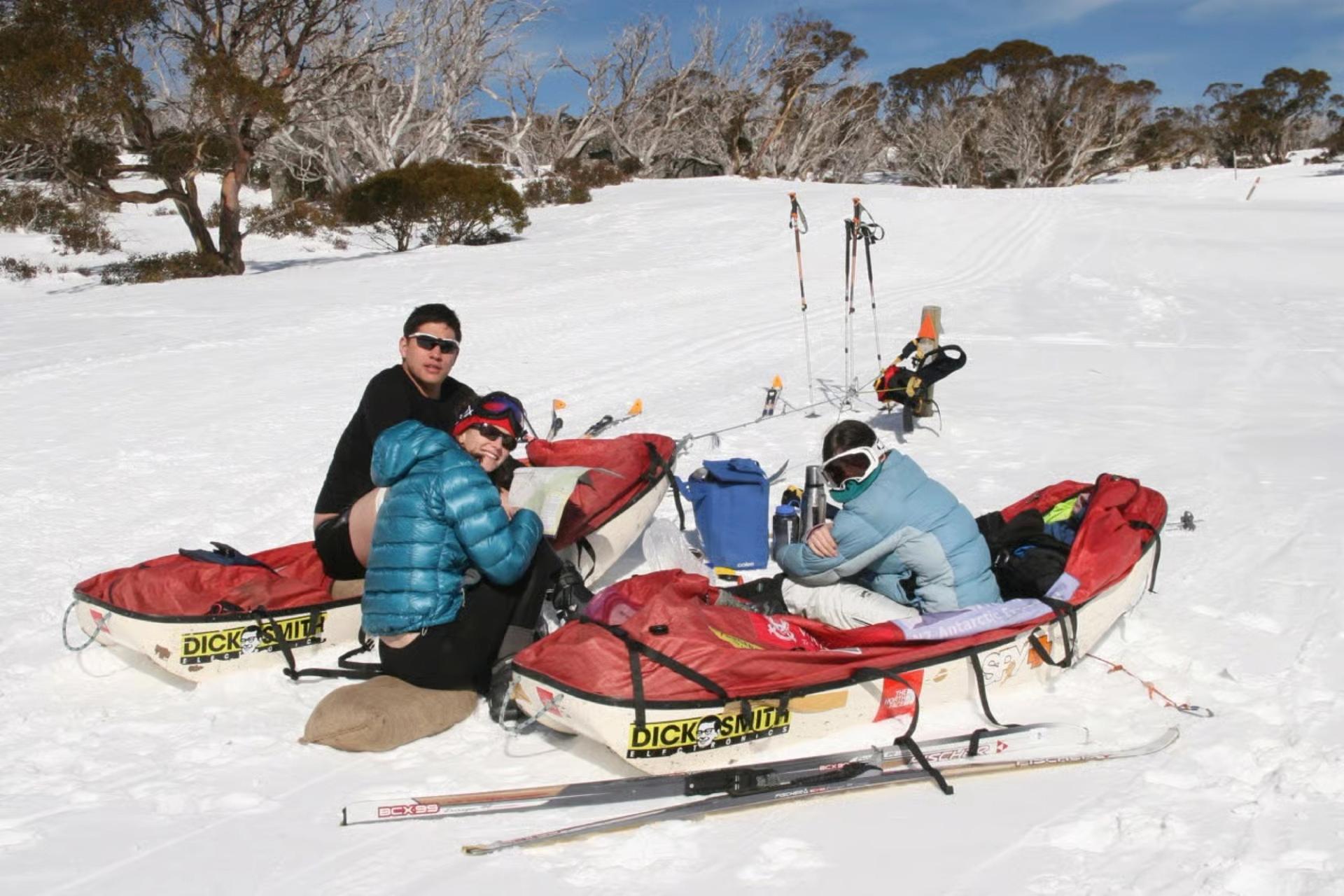
‘To market this new fabric and to convince people of its performance, Burberry sponsored multiple expeditions. These partnerships, I suppose what you will call now these collaborations, were incredibly effective. It convinced the everyday consumer of its high performance in this fabric.’
These designer shoes took THOUSANDS of years to develop
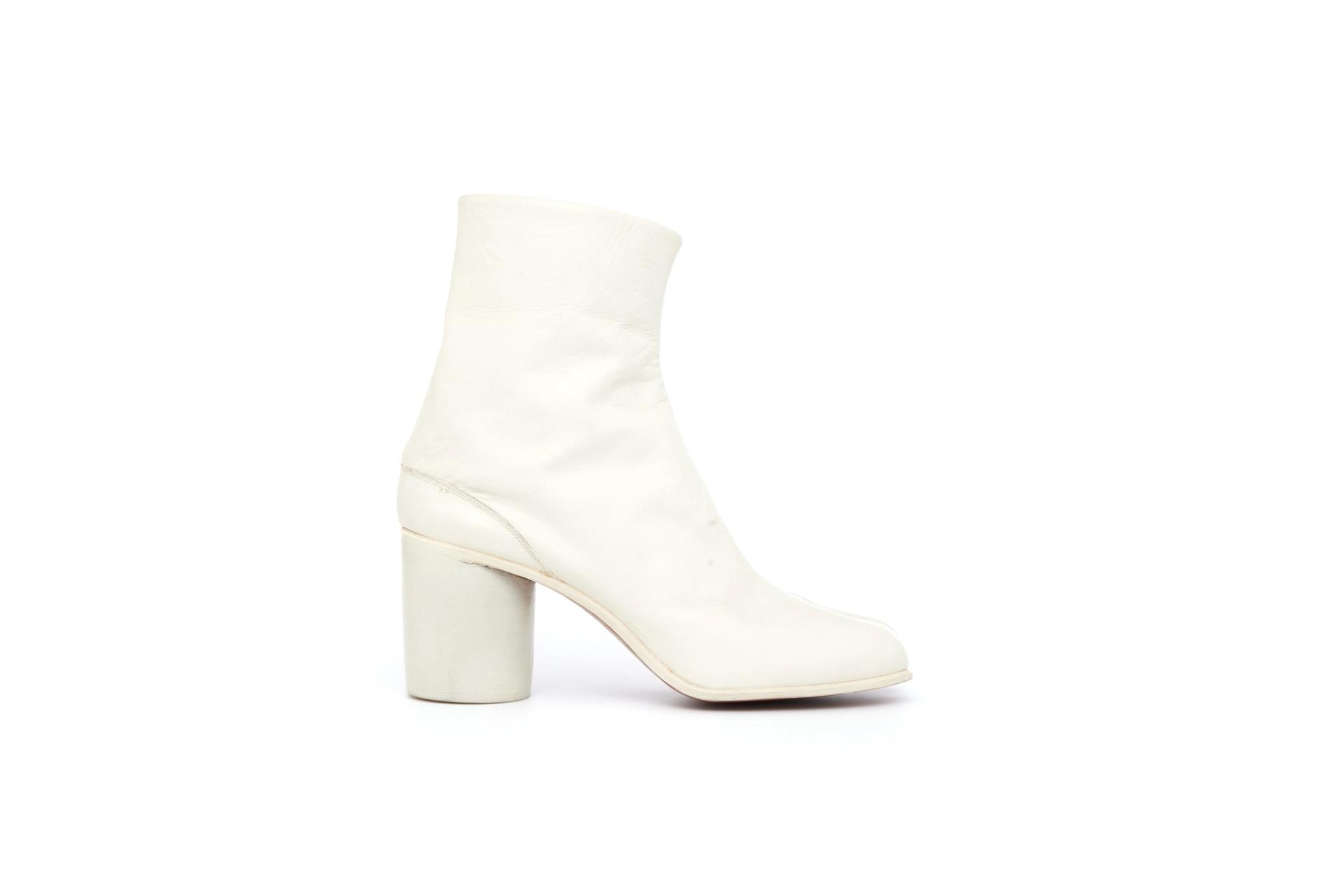
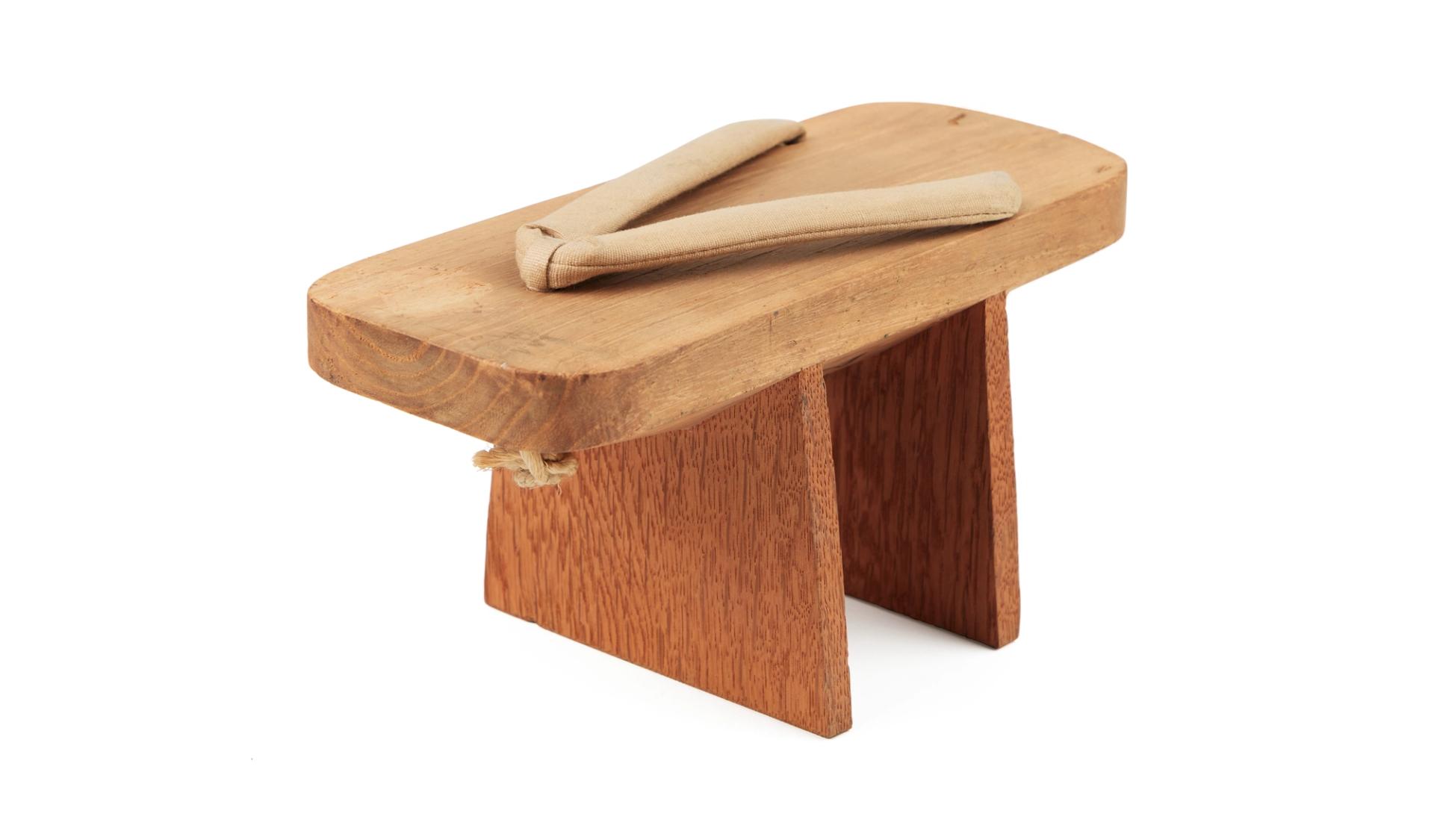
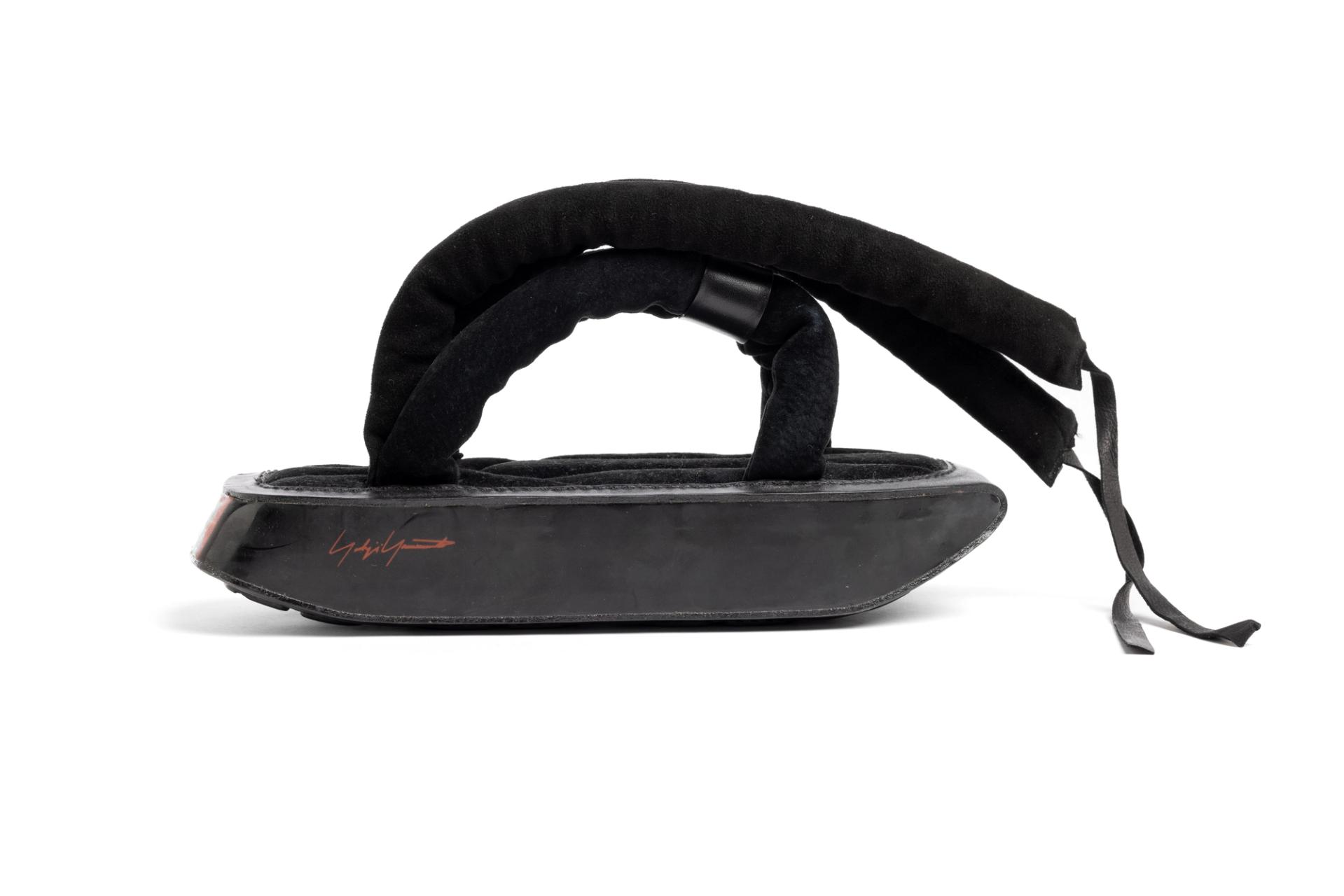
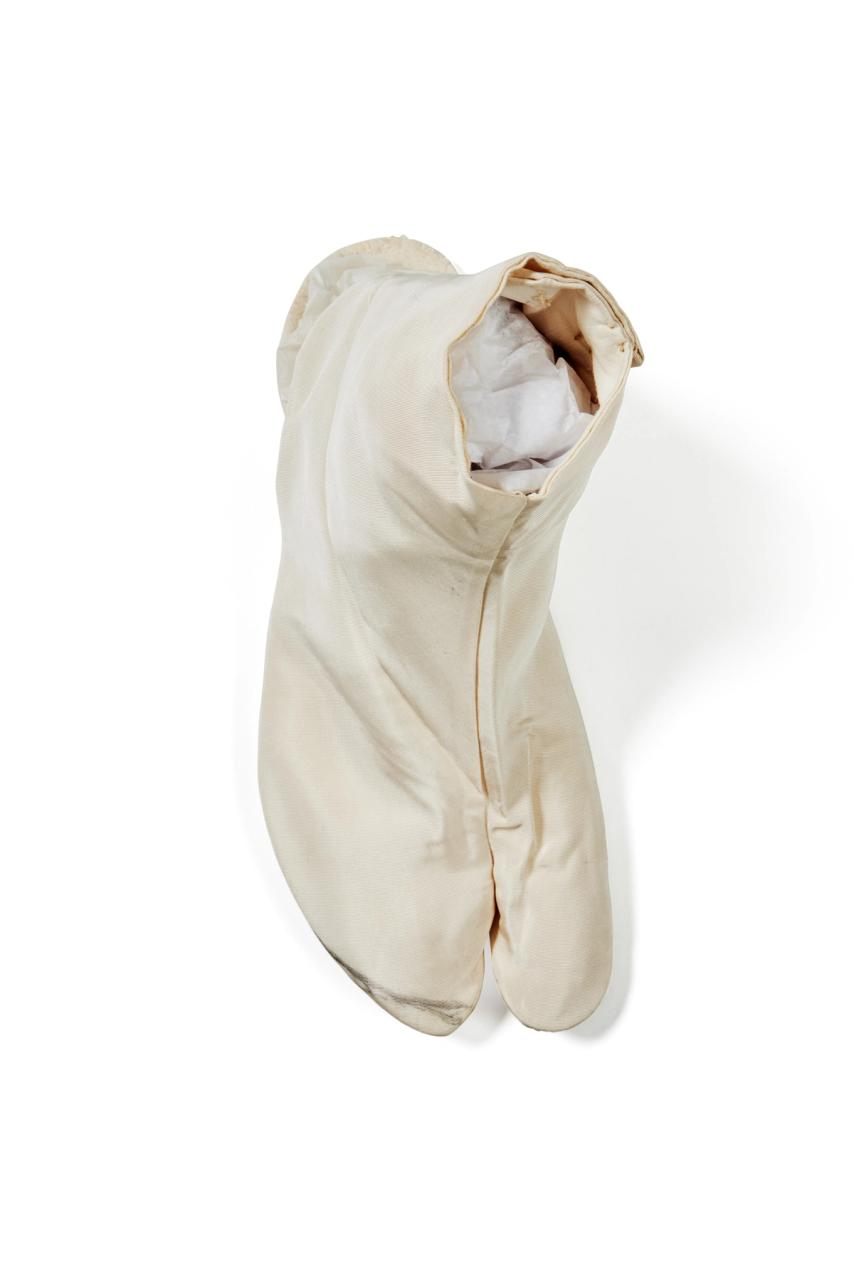
Ken Sakata takes a closer look at Margiela’s iconic Tabi boots from the Powerhouse Collection. Inspired by centuries-old Chinese and Japanese split-toe footwear, originally designed for balance, movement, and work, the boots made a striking avant-garde statement when they first appeared in 1988. Today, they’ve become modern classics tracing a path from cultural tradition to fashion staple.
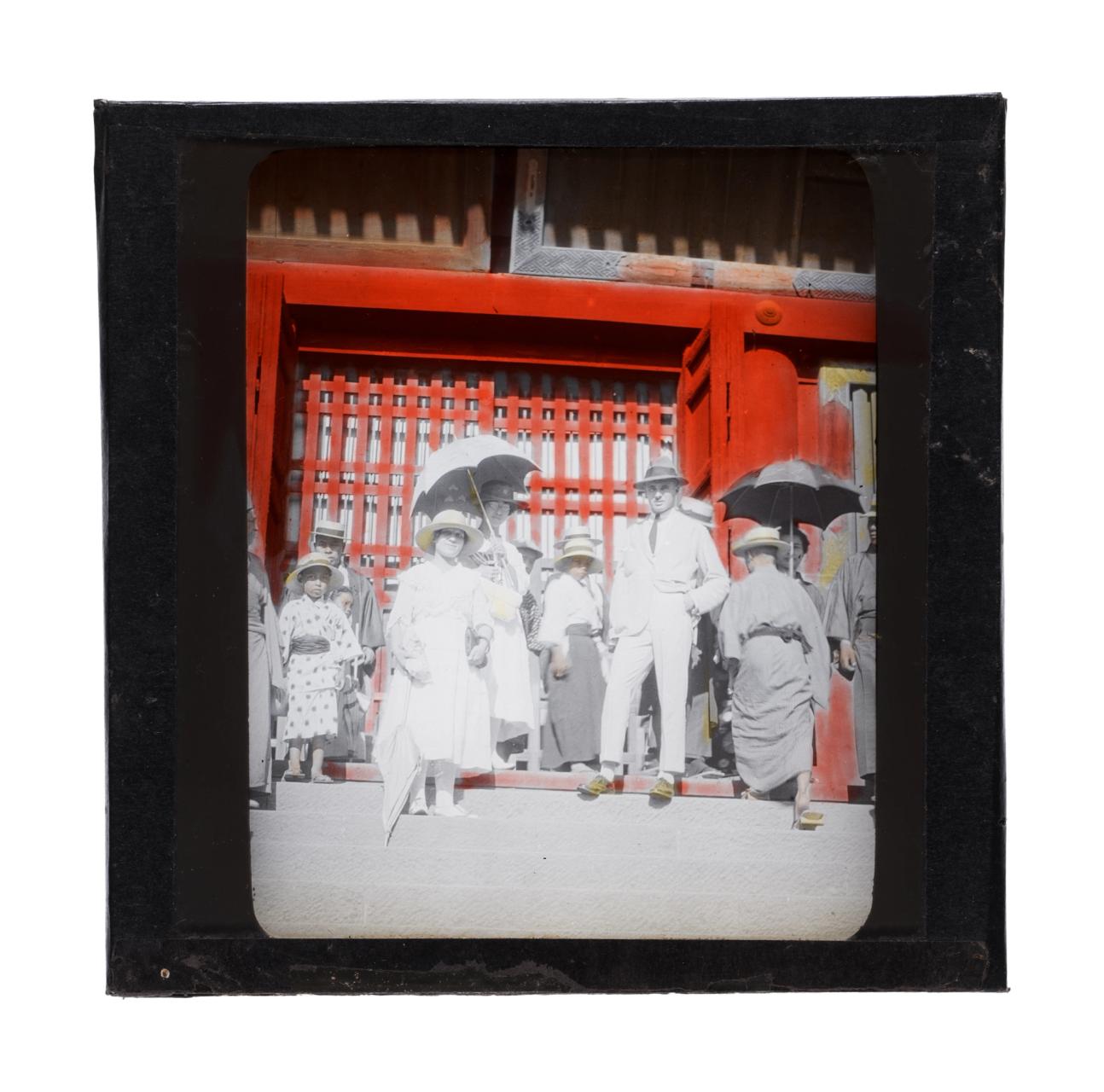
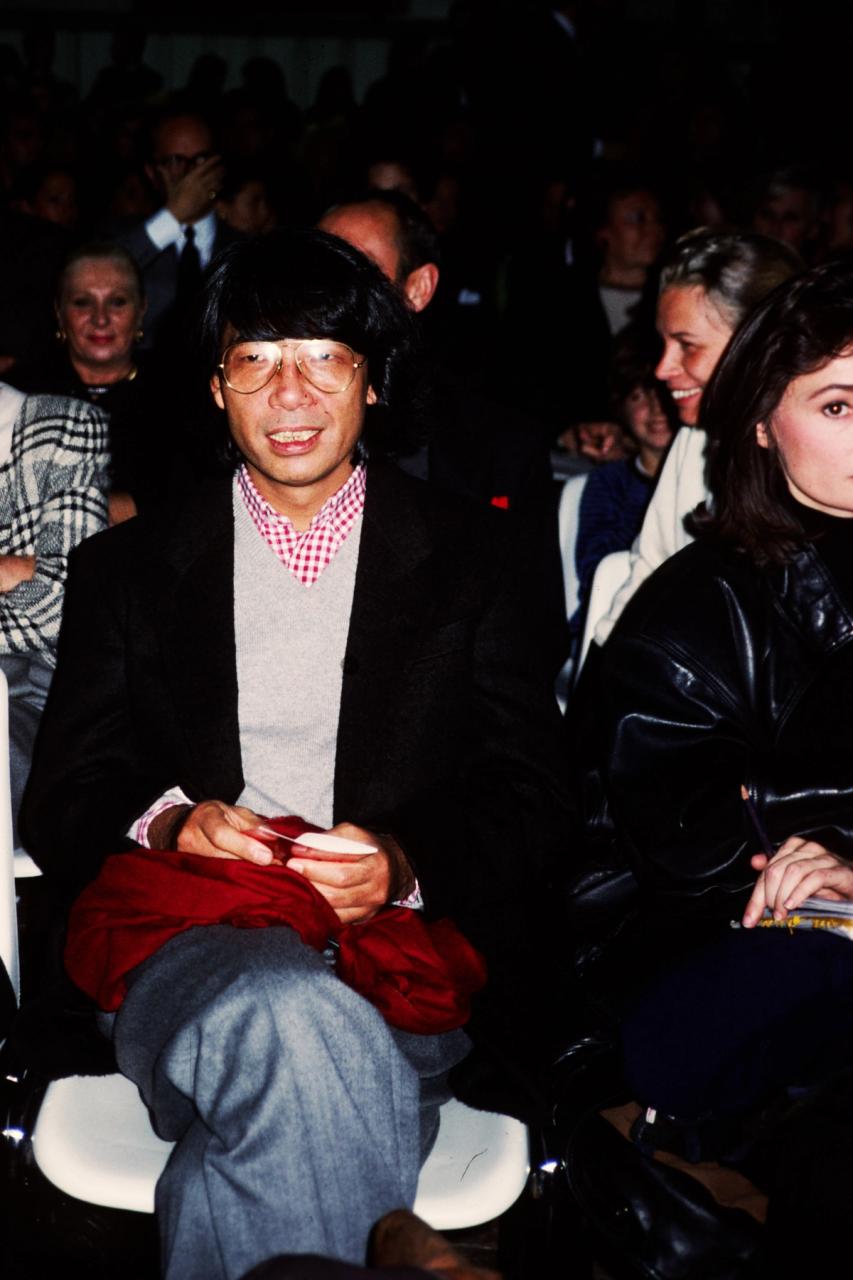
French masons, high fashion labels, start traveling to Japan. In summer 1988, Martin Margiela's first women's wear show. The tabby boot appears. No Western designer has ever really explored this silhouette.
What does workwear look like in SPACE?
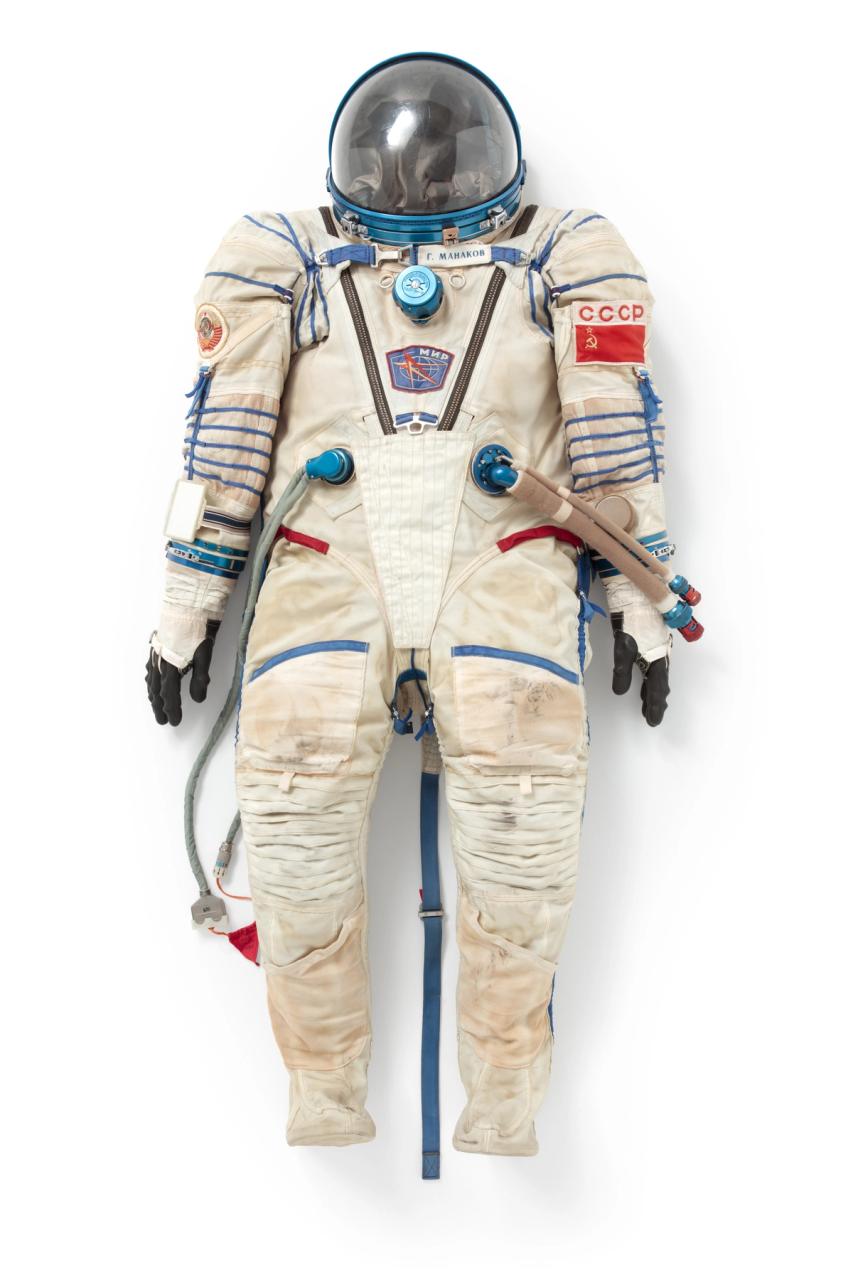
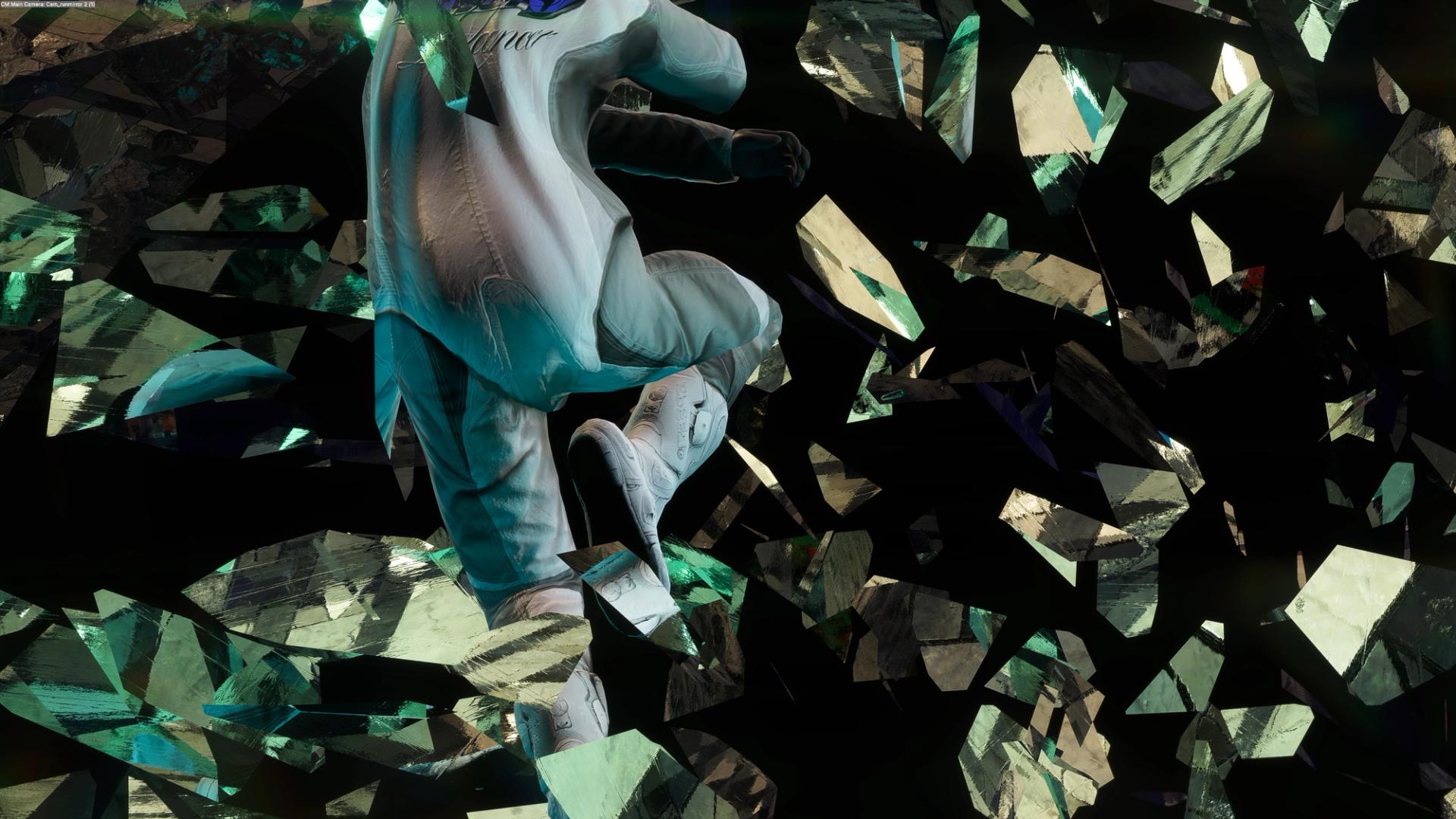
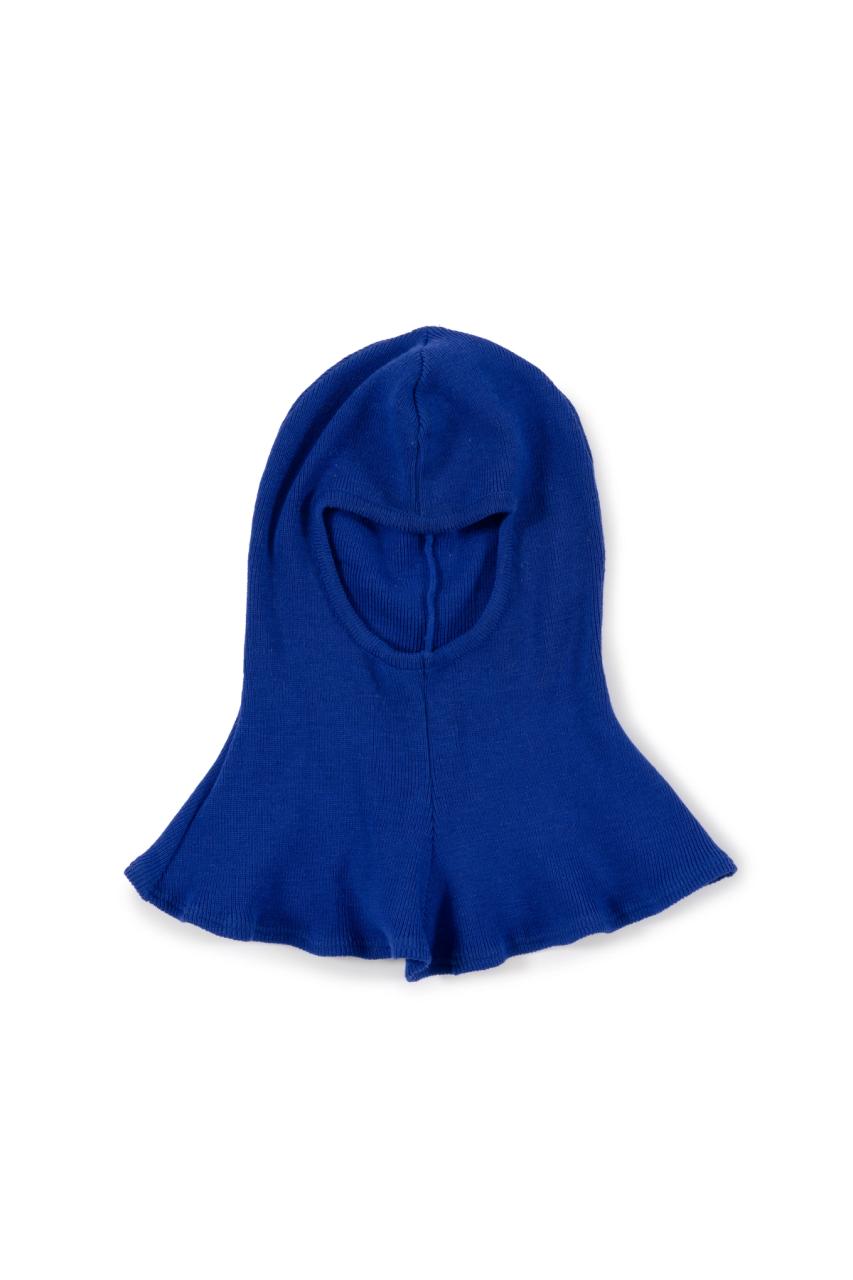
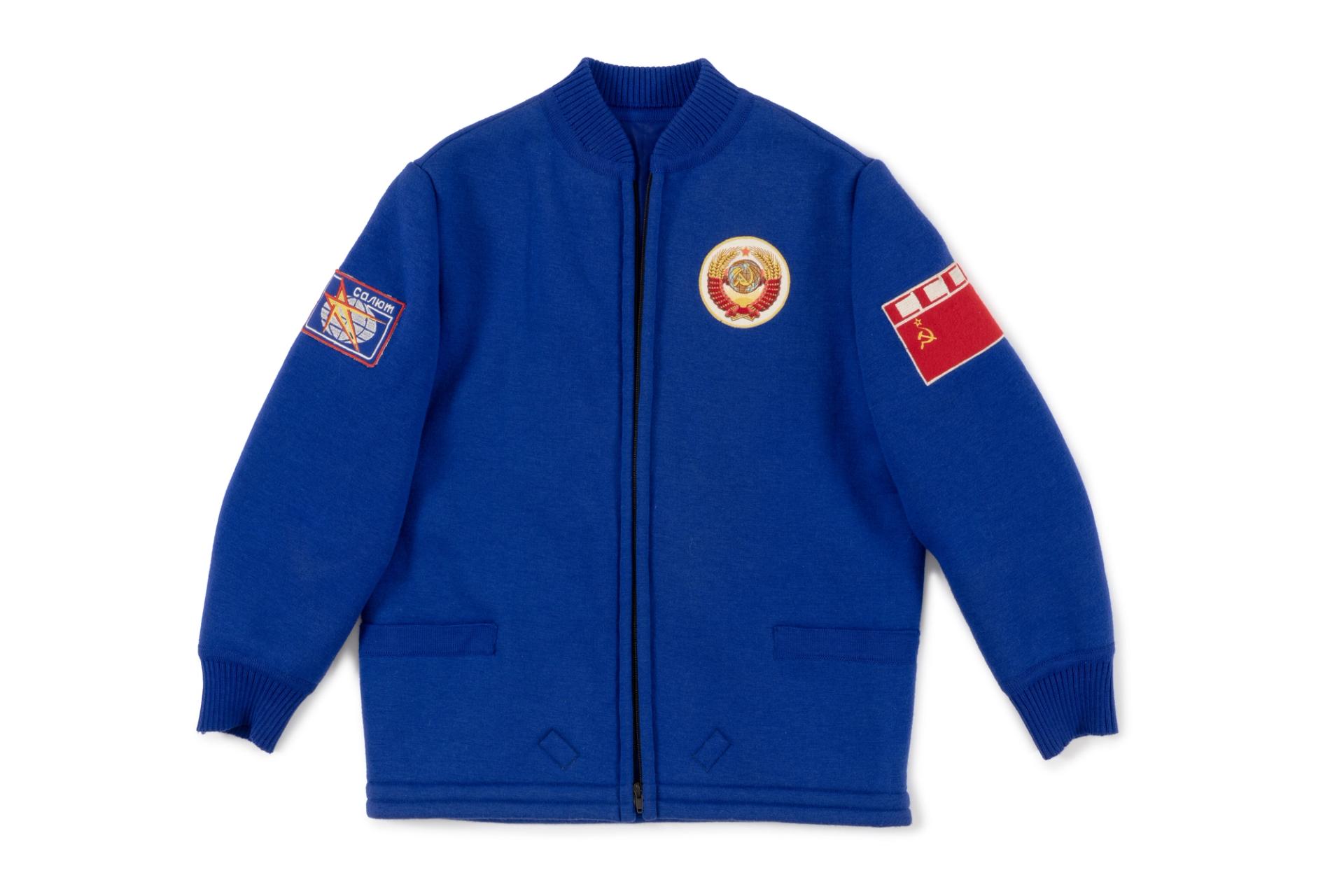
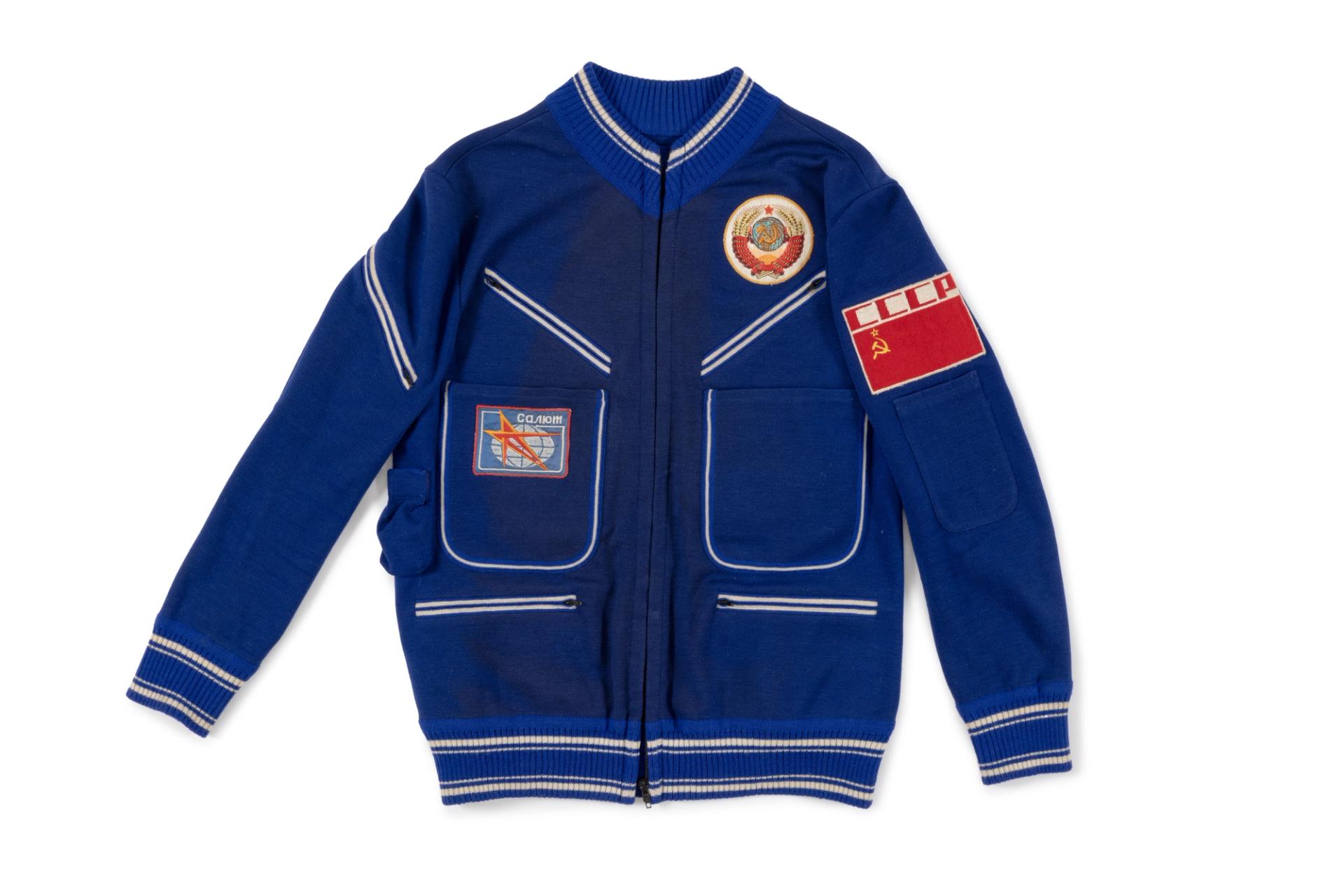
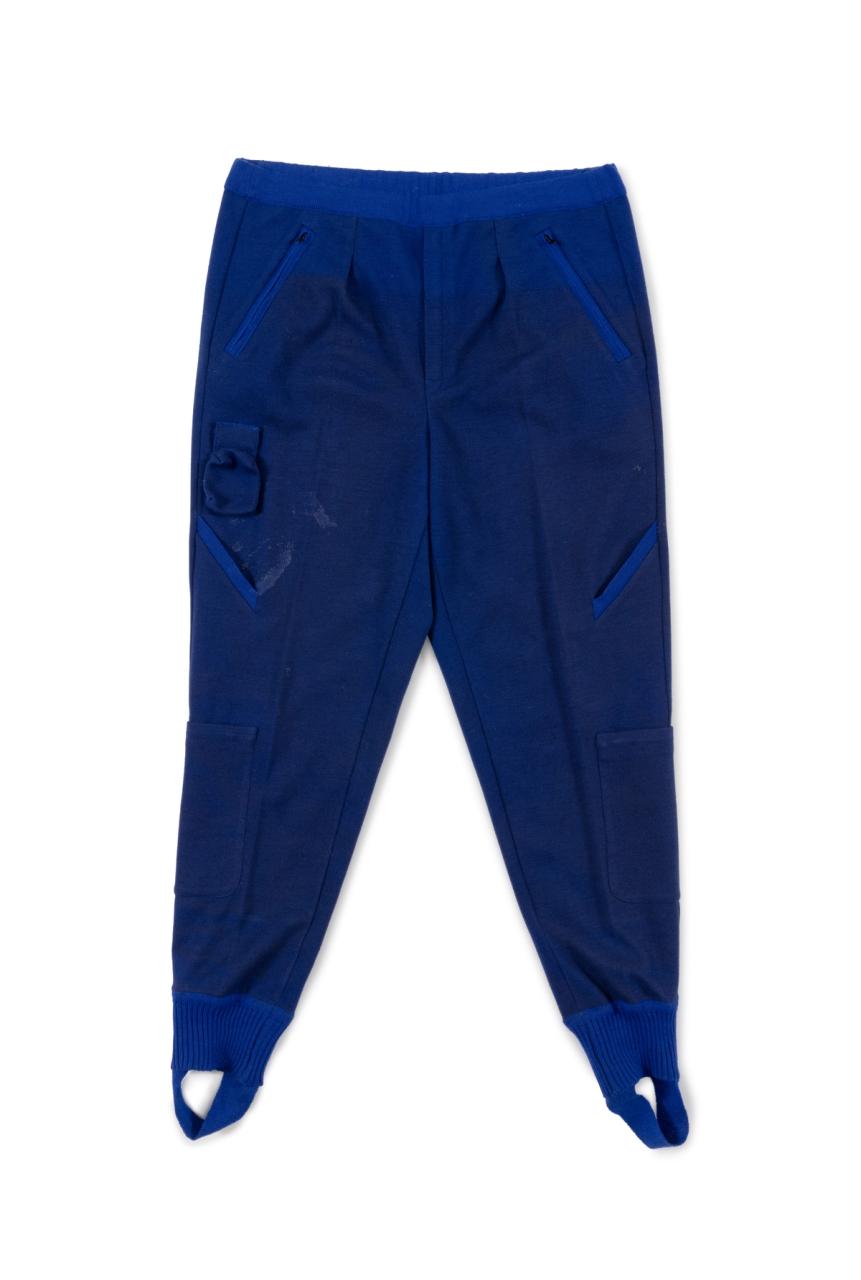
Ken Sakata examines the Sokol KV-2 spacesuit from the Powerhouse Collection. The suit brings together pressure fabric, a sealed visor and protective layers to sustain cosmonauts in the most unforgiving moments of a mission. The Sokol KV-2 spacesuit will also be part of Powerhouse Parramatta's opening exhibition Task Eternal.
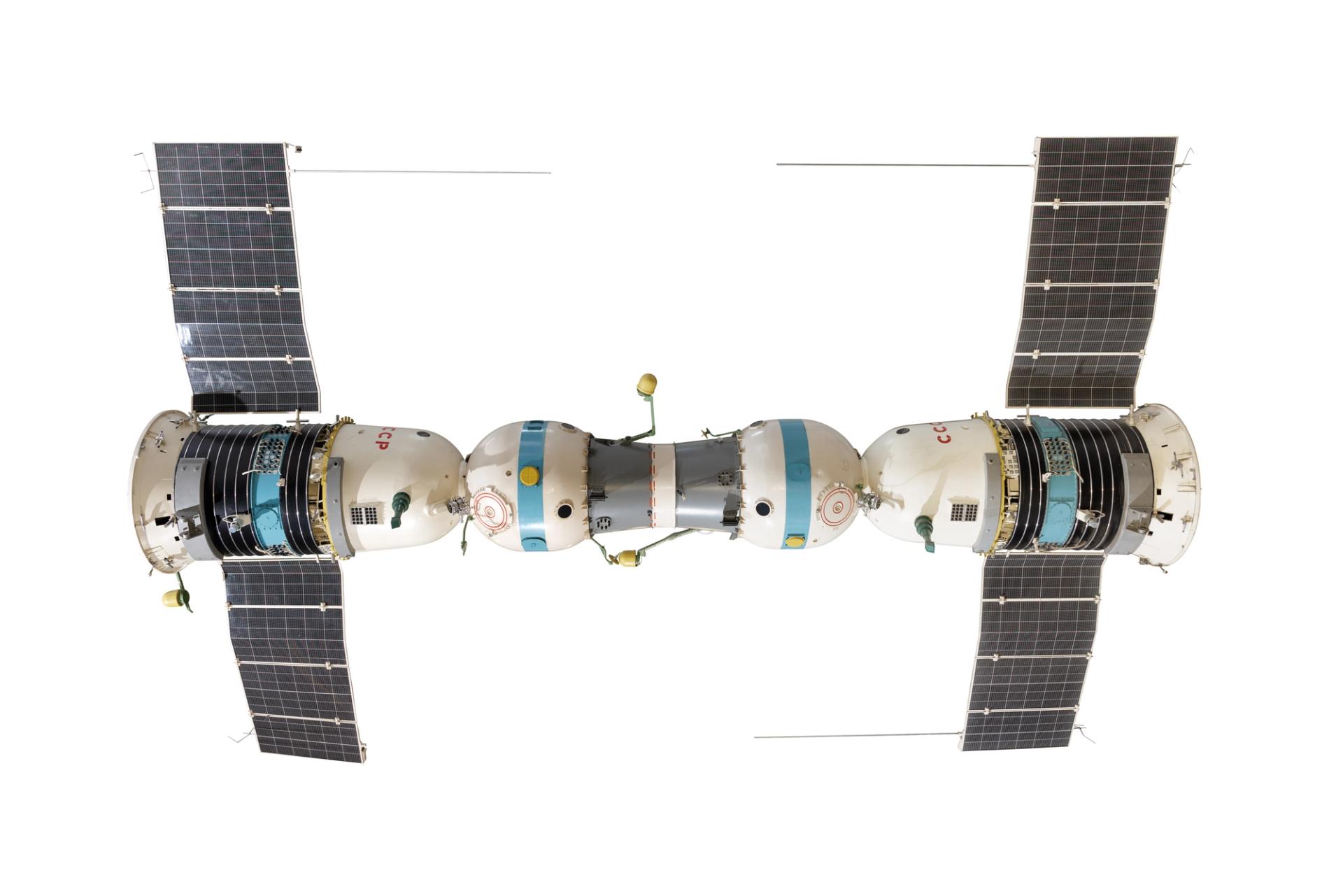
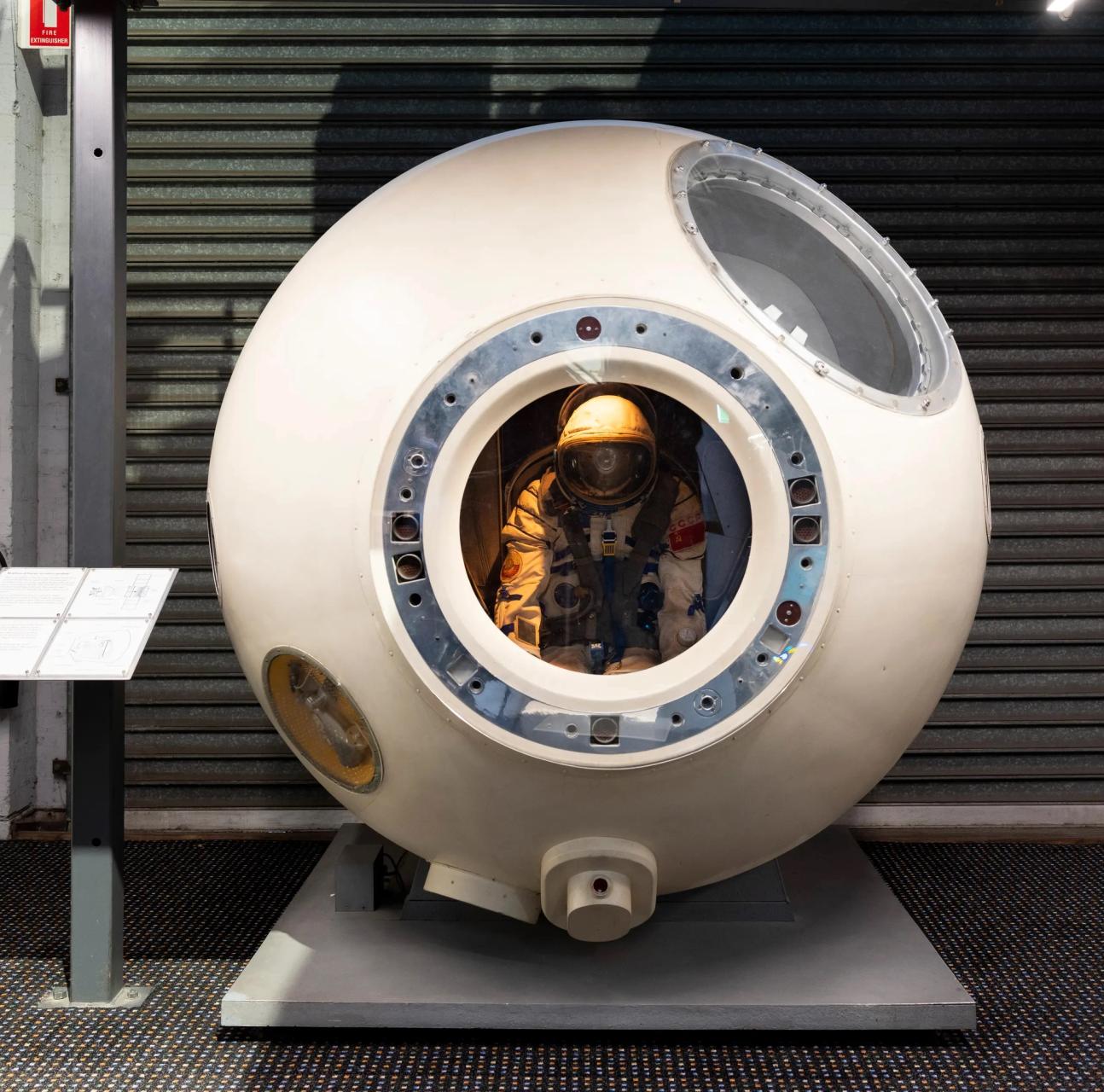
‘Traditional workwear can be repaired, can be patched, but this has different stakes. The ability to repair things in space is extremely limited. So you'll see a lot of extreme construction techniques, not only is this triple stitch everywhere, the fabric and construction is extremely thick and in multiple layers throughout this astronaut suit.’
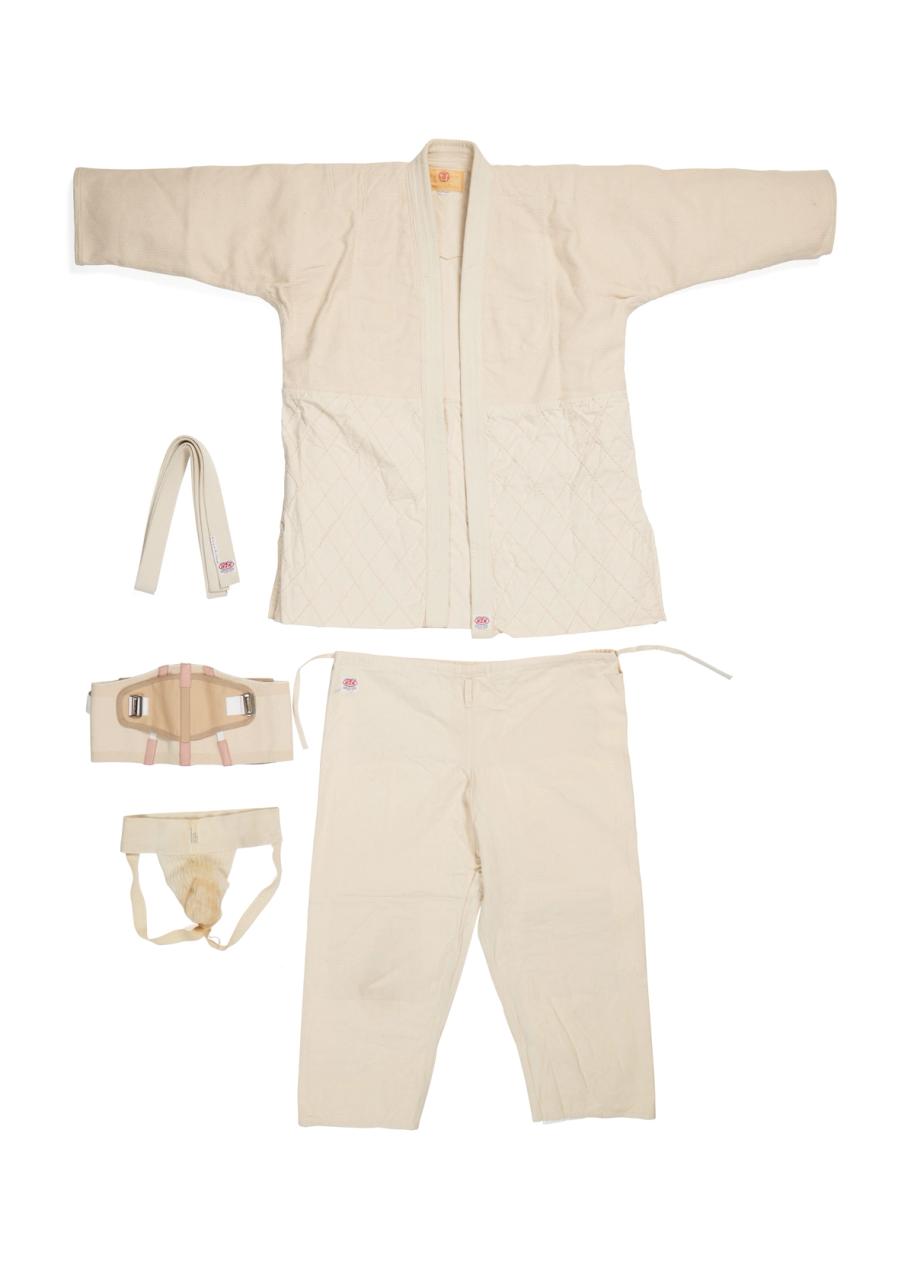
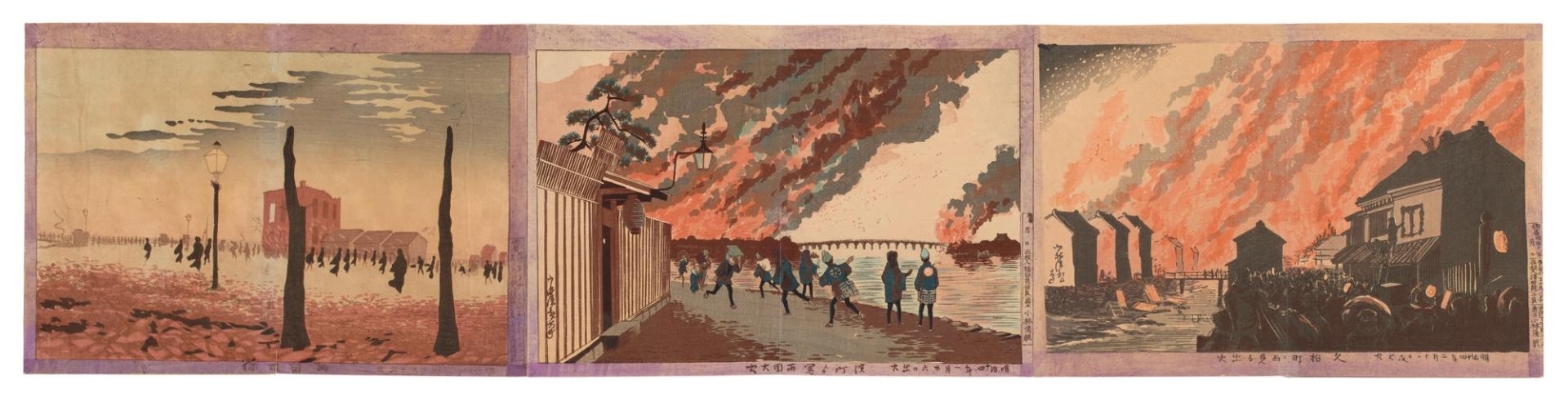
Why were Japanese firefighter uniforms made from COTTON?
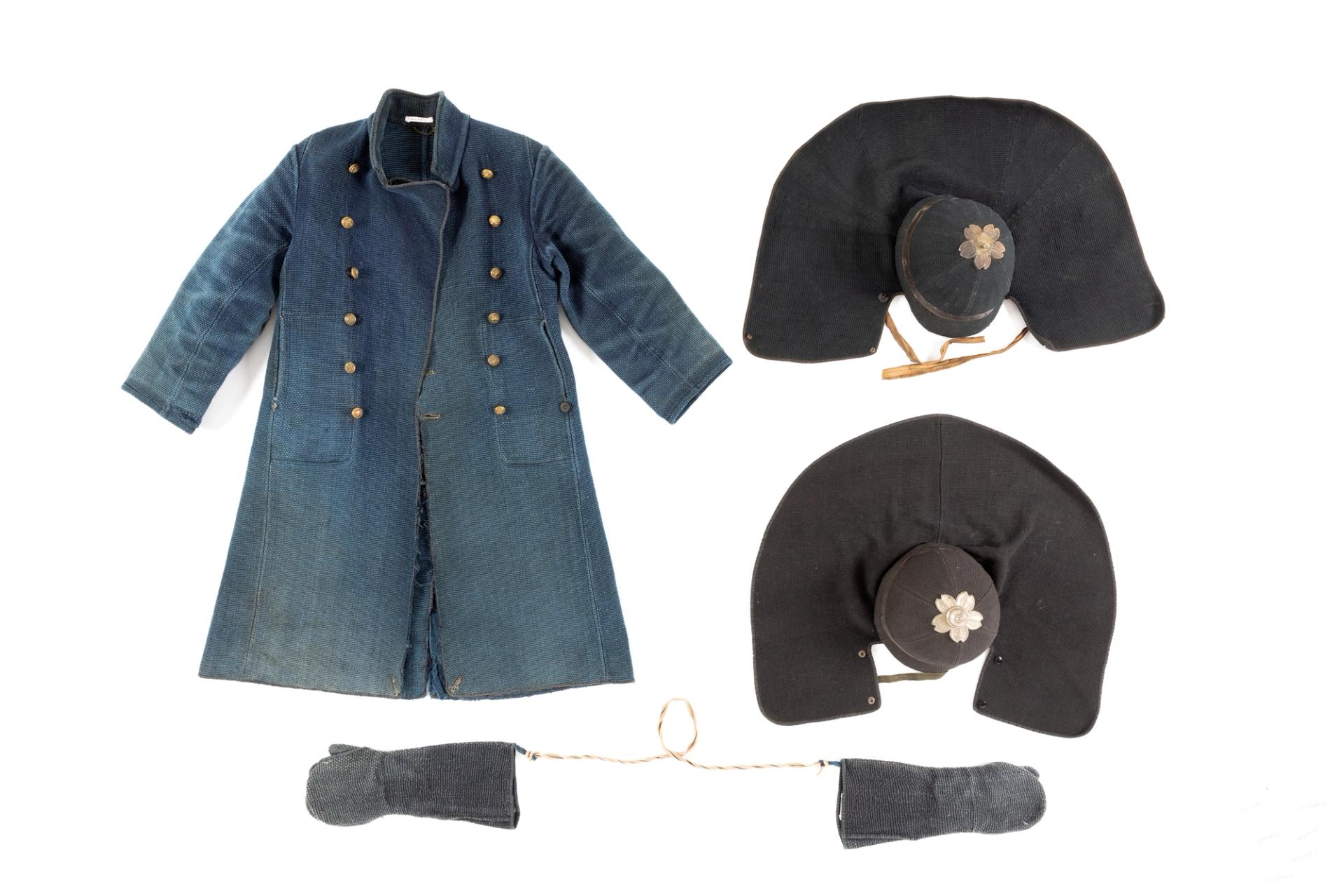
Showa-period hikeshi relied on thick, sashiko-quilted cotton coats – layered and water-soaked to offer protection from heat and sparks.
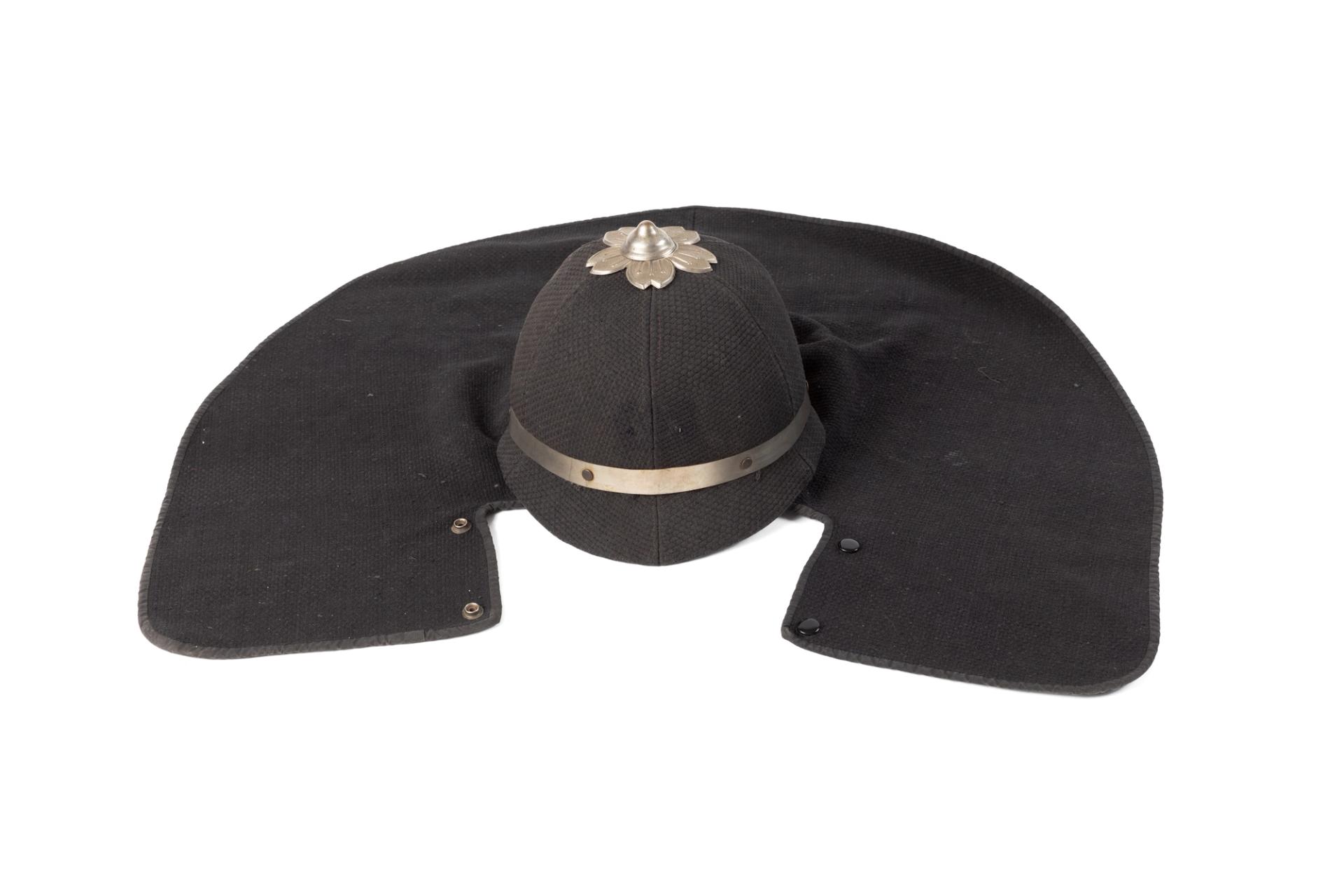
‘If you fought a fire you would have to hydrate this uniform by dunking it in water and submerging it, saturating it. Then it would become three times as heavy. The saturated cotton would steam and char instead of igniting, which would buy you precious minutes in a fire.’
About Ken Sakata

Ken Sakata is a Japanese Australian fashion designer and cultural commentator working across fashion, visual culture and brand strategy. As Creative Director of Front Office (opens in new tab), he merges material research, subcultural references and contemporary design to shape campaigns and projects for leading global clients.